
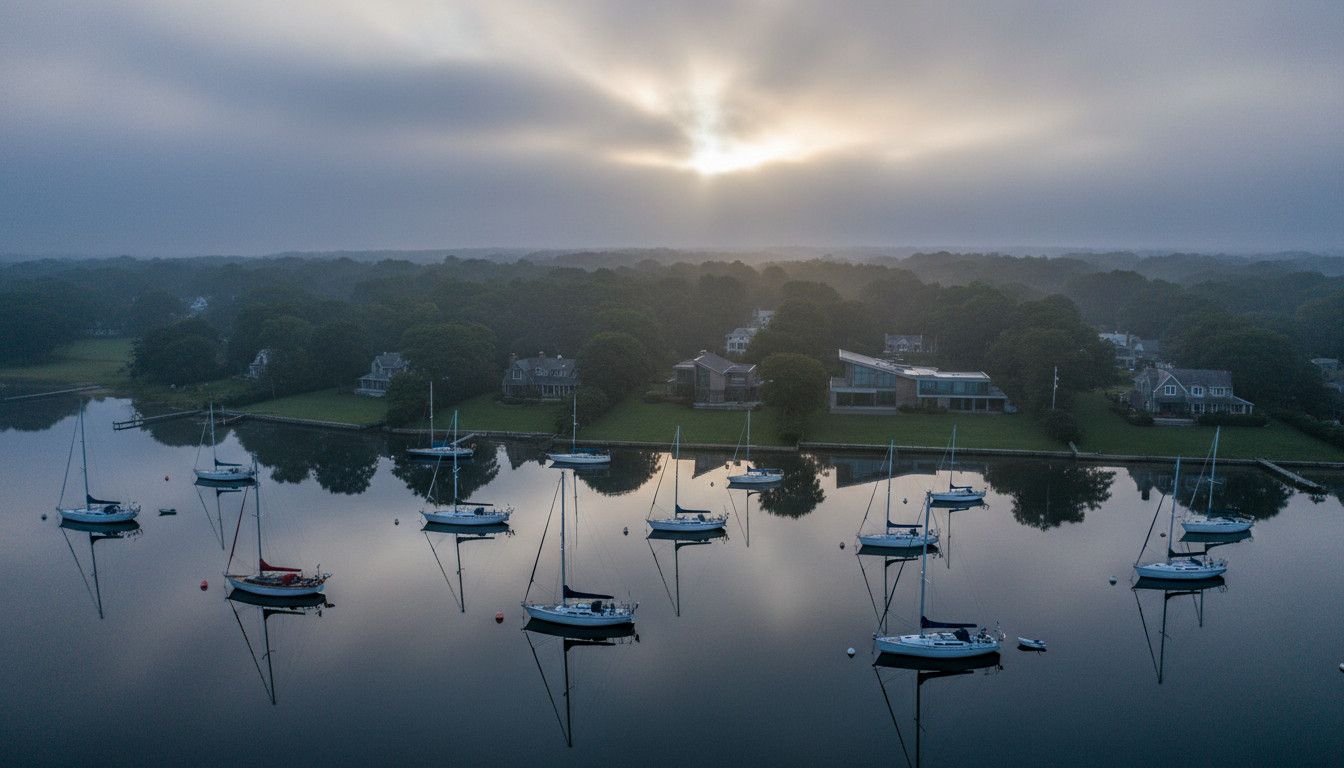
Nissequogue Waterfront Homes for Sale: A Guide to Unique Challenges and Opportunities
Buying a waterfront home on the Nissequogue River is a fundamentally different transaction than purchasing on the Long Island Sound. The river's unique regulatory and ecological character, combined with the complexities of riparian rights, dock permitting, and flood insurance, require a deep understanding of the local market. As a buyer, it's essential to be aware of these factors to avoid costly surprises post-closing.
Why Nissequogue River Frontage Plays by Its Own Rules
The Nissequogue River is a unique and complex ecosystem, with a mix of freshwater and tidal sections. This distinction is crucial, as it affects the type of dock permits required, the cost of flood insurance, and the overall value of the property. Waterfront properties in Nissequogue frequently list above $2M, with flood insurance premiums varying dramatically based on FEMA zone designation and whether the parcel fronts tidal or non-tidal sections of the river.
Riparian Rights Explained for Nissequogue Buyers
Riparian rights refer to the rights of property owners to use and enjoy the water adjacent to their property. In Nissequogue, these rights are governed by a complex set of state and local regulations. As a buyer, it's essential to understand what you actually control at the water's edge, including the right to build a dock, install a seawall, or engage in other water-dependent activities.
Dock Permits, DEC Regulations, and What to Expect
Dock permits are a critical component of owning a waterfront property in Nissequogue. The New York State Department of Environmental Conservation (DEC) regulates dock construction and maintenance, and buyers must comply with these regulations to avoid fines and penalties. Additionally, town-level permitting requirements must be met, and buyers should be aware of the specific regulations and fees associated with dock permits in Nissequogue.
Understanding DEC Regulations
The DEC regulates dock construction and maintenance to protect the environment and ensure public safety. Buyers must obtain a permit from the DEC before building or modifying a dock, and must comply with regulations regarding dock size, materials, and location.
Flood Insurance Nuances You Can't Ignore
Flood insurance is a critical consideration for buyers of house for sale Nissequogue NY. The National Flood Insurance Program (NFIP) provides flood insurance to homeowners, but the cost of premiums varies dramatically based on FEMA zone designation and other factors. Buyers should be aware of the specific flood insurance requirements and costs associated with their property, and should consider private flood insurance options as an alternative to the NFIP.
Understanding Flood Insurance Options
Buyers of house for sale Nissequogue NY should be aware of the different flood insurance options available, including the NFIP and private flood insurance. The cost of premiums, coverage limits, and deductibles should be carefully considered, and buyers should work with a qualified insurance professional to determine the best option for their needs.
How to Search and Evaluate Listings Before They Move
Buyers can use Opulist to search and evaluate Nissequogue waterfront homes for sale. By filtering listings based on waterfront-specific criteria, such as dock permits and flood insurance requirements, buyers can quickly identify properties that meet their needs and budget. Additionally, Opulist's integrated platform provides access to a team of experienced real estate agents and mortgage professionals, who can provide guidance and support throughout the buying process.
Questions to Ask Before Making an Offer on a River Property
Before making an offer on a river property, buyers should ask a series of questions to ensure they understand the unique challenges and opportunities associated with the property. These questions should include:
- What are the riparian rights associated with the property, and how do they affect my use and enjoyment of the water?
- What are the dock permit requirements, and how much do they cost?
- What is the flood insurance premium, and are there any discounts available?
- Are there any environmental or ecological concerns associated with the property, such as wetlands or endangered species?
By asking these questions and working with a qualified real estate agent and mortgage professional, buyers can ensure a smooth and successful transaction, and enjoy the many benefits of owning a waterfront property in Nissequogue.