
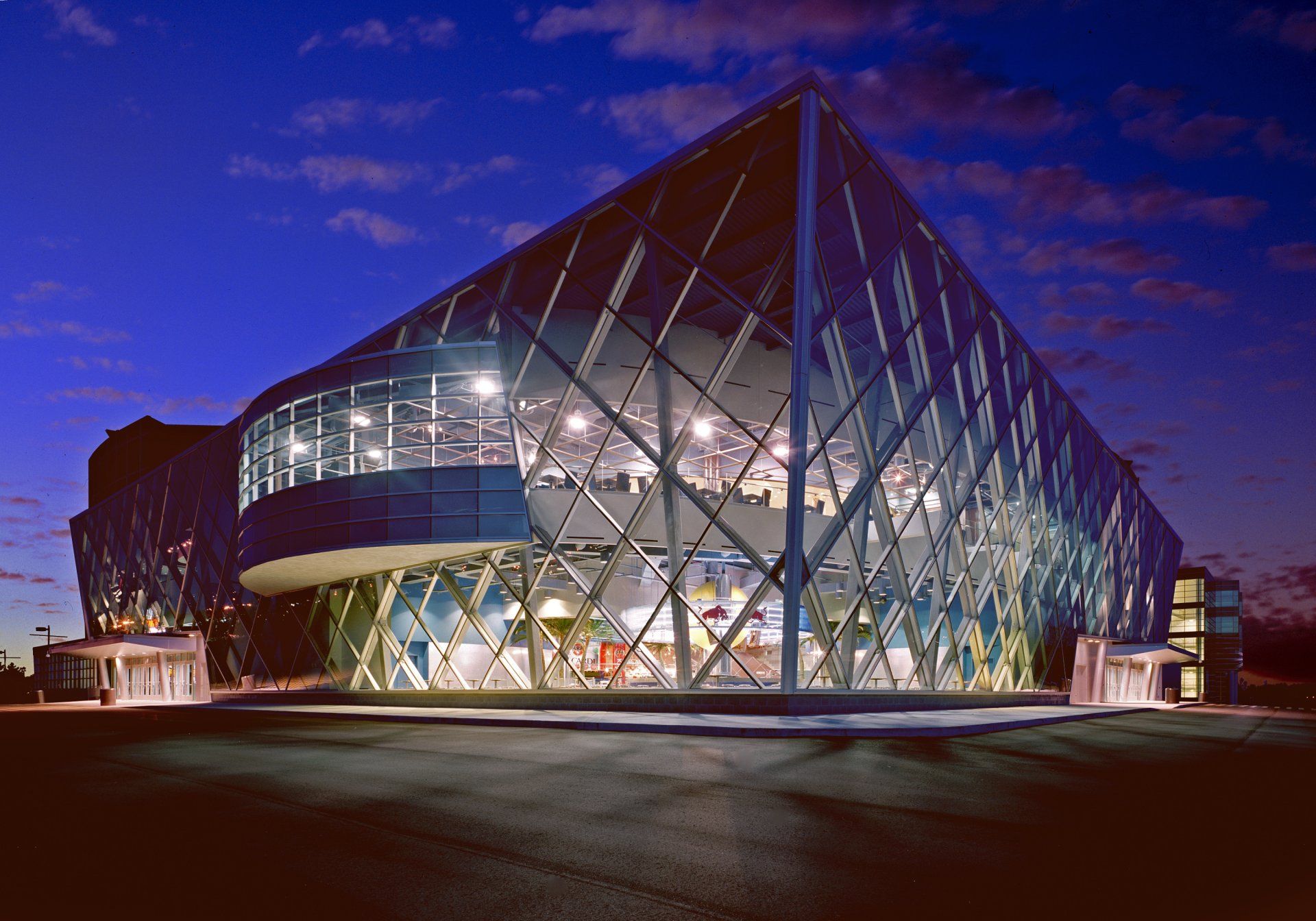
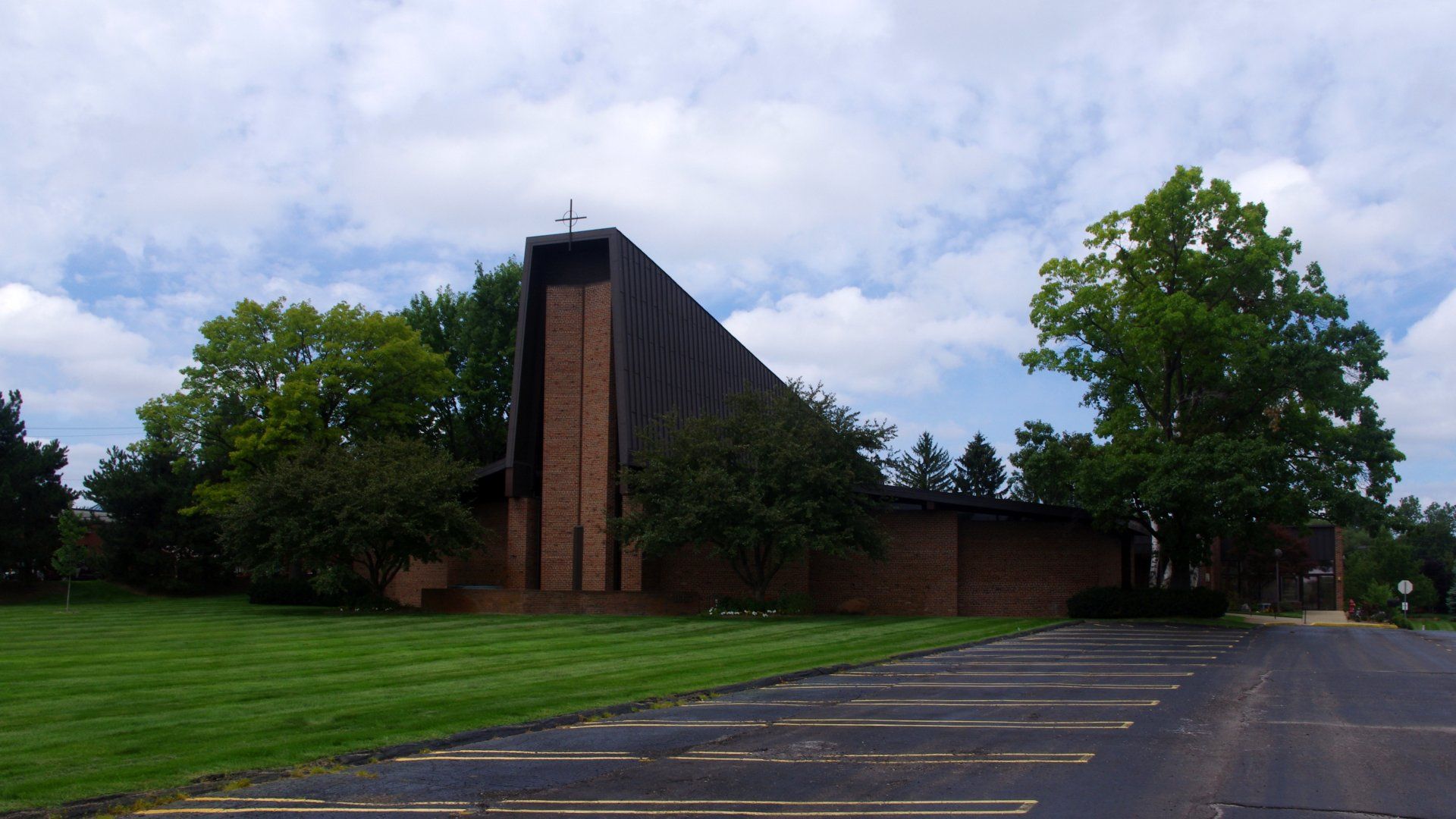
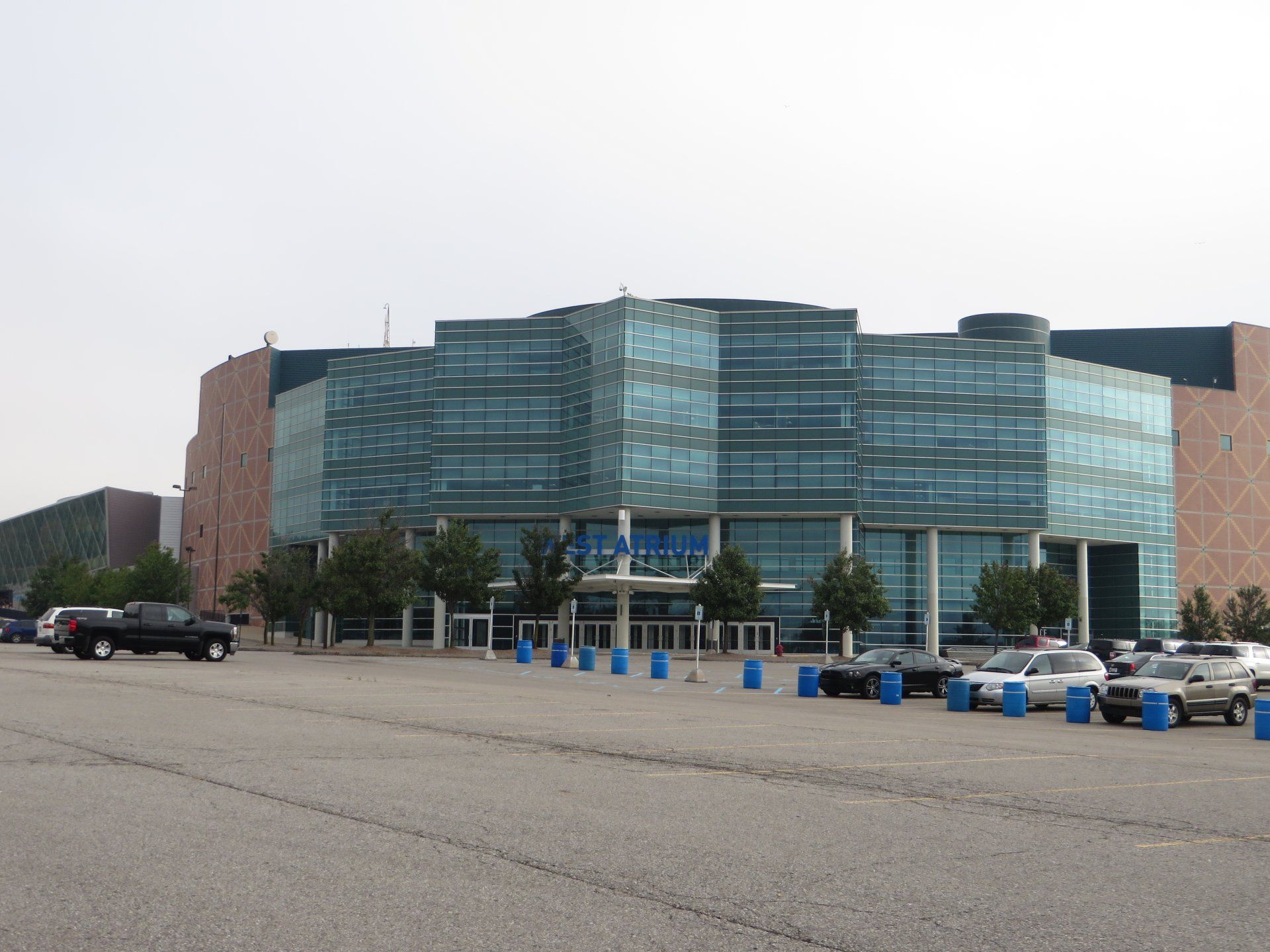
Incorporated in 1983 from the merger of Pontiac Township and the village of Auburn Heights, Auburn Hills, Michigan has grown from a modest Oakland County suburb into one of Metro Detroit's most economically dynamic cities. What sets it apart from neighboring communities like Rochester Hills or Pontiac is the sheer concentration of global corporate power within its 16.64 square miles — the Stellantis North America World Headquarters and Technology Center, a 504-acre campus, anchors an economy that includes more than 80 international corporations and major employers like BorgWarner. That kind of economic infrastructure creates steady demand for homes for sale in Auburn Hills, MI, drawing engineers, executives, and professionals who want to live close to where they work. Oakland University, whose campus extends partially into the city, adds an academic dimension that few suburbs of comparable size can claim. With a median household income of $78,727 and convenient access to I-75, Auburn Hills offers a rare combination of career proximity, institutional depth, and suburban livability — making it a compelling choice for buyers and investors looking ahead at long-term value in Oakland County.
Welcome to Auburn Hills
Community Profile
Tucked into Oakland County at the northern edge of metro Detroit, this dynamic community of 25,105 residents skews notably young — the median age of 36.5 years is well below the national figure of 38.5 — reflecting a population energized by the engineering firms, automotive suppliers, and technology companies that have long called Auburn Hills home. That professional tilt shows up clearly in the education numbers: 49.5% of residents hold a bachelor's degree or higher, nearly half again the national rate of 33%, and an impressive 21.7% have earned a graduate degree. Most striking of all, 55.2% of degree holders studied STEM fields, a concentration that speaks directly to the city's identity as a hub of innovation and advanced manufacturing.
That brain trust translates into strong household finances. The median household income of $84,375 outpaces the national median by roughly $9,000, and a remarkable 42.6% of households clear six figures — a figure buoyed by the 58.5% of families with dual incomes. Yet housing here remains genuinely attainable: the median home value of $242,910 sits well below the national median of $330,000, making Auburn Hills homes for sale an attractive proposition for buyers who want professional-community quality without a coastal price tag. Renters also fare well, with housing costs consuming just 23.4% of income on average — a healthy cushion below the 30% burden threshold. Add in an average commute of only 22.1 minutes and a richly diverse population spanning dozens of backgrounds, and the picture that emerges is one of an ambitious, well-educated, and financially grounded community with real room to grow.
Things to Do
Shopping & Entertainment
Auburn Hills punches well above its weight when it comes to retail and entertainment. Great Lakes Crossing Outlets is the undisputed centerpiece — one of Michigan's largest outlet and retail destinations, featuring hundreds of stores, a massive food court, and an entertainment wing that draws visitors from across Metro Detroit and beyond. Whether you're a resident or someone browsing homes for sale in Auburn Hills, MI, the sheer convenience of having a world-class shopping complex practically in your backyard is hard to overlook.
Outdoor Recreation
The Clinton River, which has wound through this area since Aaron Webster built his first mill here in 1821, remains a natural anchor for outdoor life. The city maintains a network of parks and green spaces suited to walking, jogging, and casual recreation. The Auburn Hills Civic Center grounds — the former Seyburn estate — offer a pleasant setting with historic character, and the broader trail network connecting to Oakland County's extensive pathway system gives cyclists and walkers plenty of room to roam across the gently rolling terrain that gave the city its name.
Arts, Culture & Higher Education
Oakland University, whose campus sits partially within Auburn Hills, brings a steady stream of cultural programming, theater performances, lectures, and gallery exhibitions to the area. The university's presence lends the city an intellectual energy that extends well beyond the classroom. Oakland Community College, located on the former Nike missile base site on Featherstone Road, adds another layer of community engagement and continuing education opportunities.
Family Activities & Sports
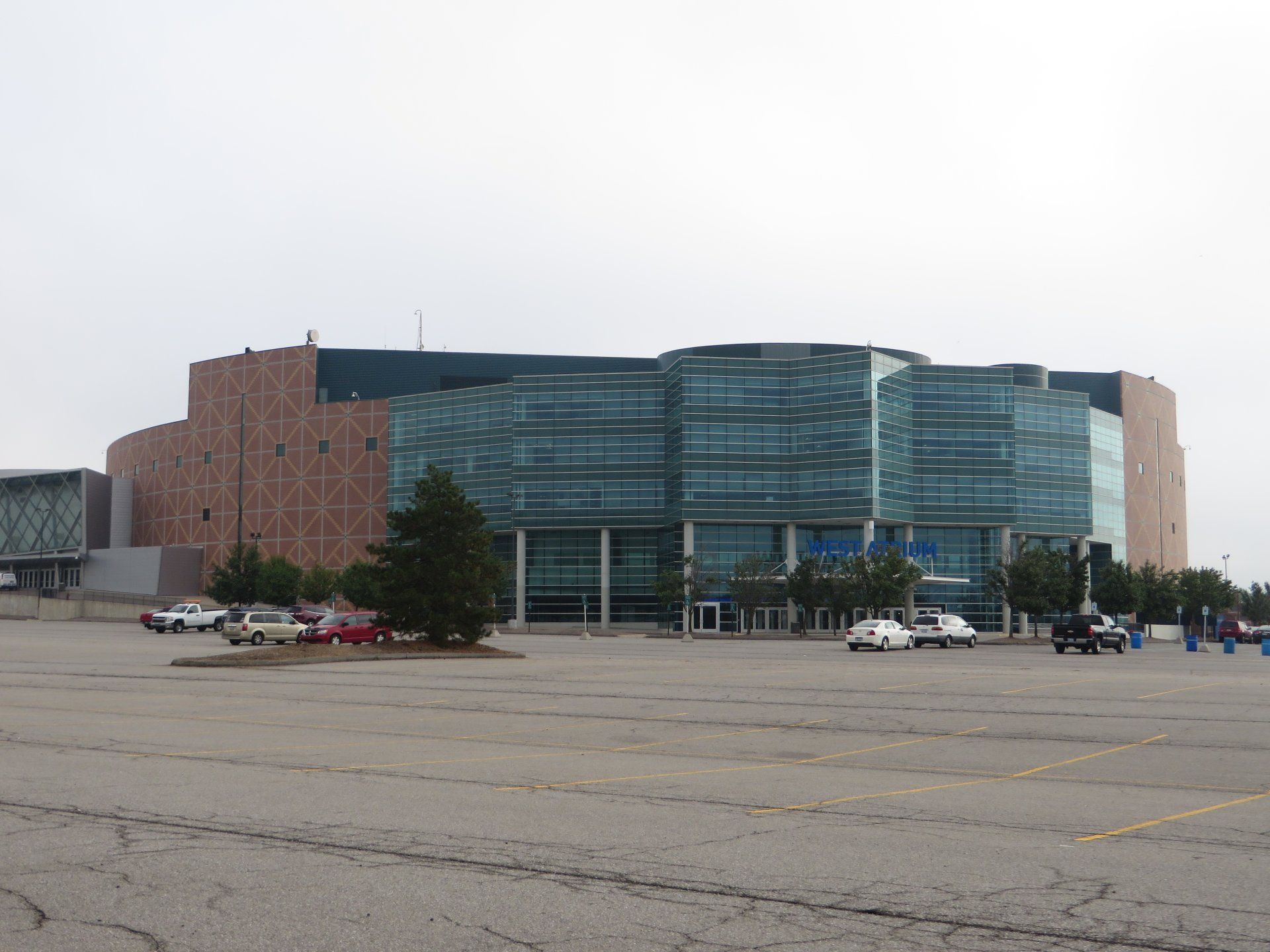
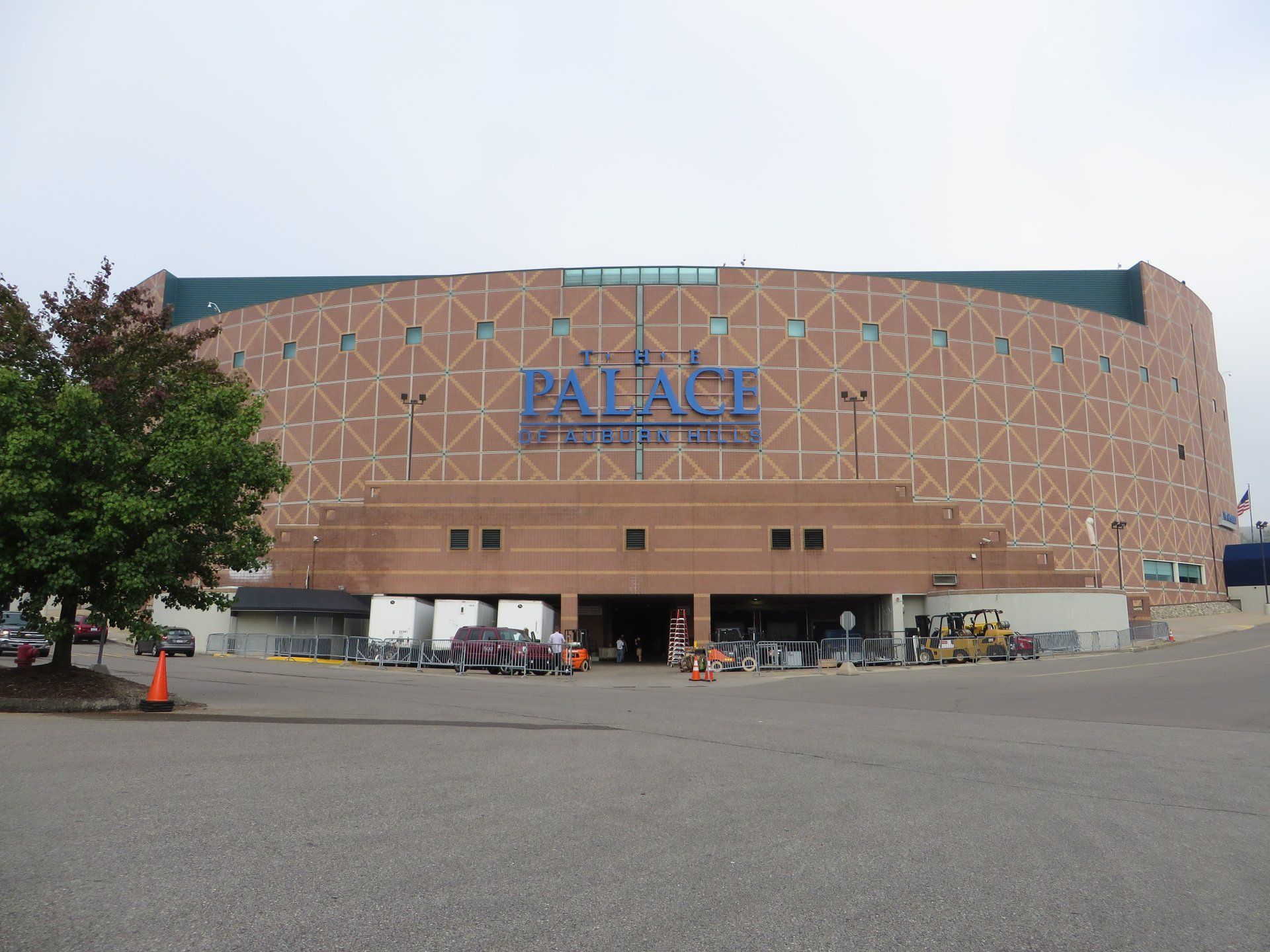
Families will find plenty to keep busy throughout the year. The Great Lakes Crossing complex includes family-friendly entertainment anchors, and the surrounding area offers bowling, indoor recreation, and seasonal events tied to the broader Oakland County calendar. Sports fans have long celebrated Auburn Hills as a basketball town — the city was home to the Detroit Pistons for decades, and that competitive spirit still runs deep in the community. Youth sports leagues, recreational facilities, and proximity to Metro Detroit's full range of professional sports venues make this an easy place to stay active and engaged year-round.
Latest Properties in Auburn Hills
Loading latest properties...
History
From Sawmill Settlement to Corporate Headquarters
Auburn Hills traces its origins to 1821, when Aaron Webster — a transplant from Auburn, New York — purchased 320 acres along the Clinton River at what is now the corner of Auburn and Squirrel roads. Webster built a sawmill and grist mill powered by the river, and the small settlement that grew around them took his hometown's name. By the 1820s, Auburn rivaled nearby Pontiac as a regional center, though it lost momentum after the 1860s, was briefly renamed Amy in 1880, and finally became Auburn Heights in 1919.
The mid-20th century reshaped the area decisively. The completion of Interstate 75 through Pontiac Township between 1962 and 1963 opened the door to Detroit's automotive workforce, and Oakland University admitted its first class in 1959 after Matilda Dodge Wilson donated her family's vast landholdings to Michigan State University in 1957. Oakland Community College arrived in 1964, repurposing a former U.S. Army Nike missile base on Featherstone Road. These institutions seeded the professional, educated character that defines the city today.
In 1983, Pontiac Township merged with the village of Auburn Heights to become the City of Auburn Hills — a name coined, fittingly, by Oakland Community College in 1964. The new city quickly attracted corporate investment, most notably the Stellantis North America (formerly Chrysler) World Headquarters and Technology Center, a 504-acre campus that anchors the local economy to this day. That legacy of institutional and corporate development has produced a housing market oriented toward engineers, executives, and university professionals. Those browsing homes for sale in Auburn Hills, MI will find a city whose present ambitions are firmly rooted in more than two centuries of purposeful growth.
Weather
Auburn Hills experiences a humid continental climate, the defining weather pattern across Michigan's Lower Peninsula and much of the Great Lakes region. This means residents contend with four genuinely distinct seasons — none of them subtle.
Summers are warm and moderately humid, with daytime highs typically ranging from the mid-80s°F and overnight lows settling into the upper 50s to mid-60s°F. Winters are cold and snowy, with average highs in the upper 20s to low 30s°F and lows that regularly dip into the teens. Lake-effect moisture from Lake Huron and Lake St. Clair contributes to meaningful snowfall accumulation each season, and residents should expect periodic winter storms that can drop several inches at a time.
Annual precipitation is fairly well distributed throughout the year, with spring and early summer tending toward the wetter end of the spectrum. Thunderstorms are common in warmer months, while ice events in late autumn and early spring add another layer of seasonal complexity.
For anyone exploring homes for sale in Auburn Hills, MI, climate is a practical consideration. Heating costs are a real line item from November through March, and homes with well-insulated construction and efficient HVAC systems carry meaningful long-term value. On the other end, warm summers make outdoor living genuinely enjoyable — decks, patios, and landscaped yards are popular features. Buyers should also budget for seasonal maintenance: roof inspections, gutter clearing, and driveway upkeep are routine parts of homeownership in this climate.
Auburn Hills Market Analytics
Can I Afford Auburn Hills?
Weather