
Bard College, New York

Location:
Bard College, NY

Welcome to Bard College

Established in March 1860 on a donated estate overlooking the Hudson River in Annandale-on-Hudson, New York, Bard College is one of the Hudson Valley's most architecturally and intellectually distinctive institutions — a National Historic Landmark campus spanning 1,260 acres within the Hudson River Historic District. Unlike the surrounding river towns of Rhinebeck or Red Hook, Annandale-on-Hudson is defined almost entirely by the college itself, giving the area a rare character: part working academic community, part historic landscape, with sweeping views of the Catskill Mountains as a constant backdrop.

The college's presence shapes everything about living here. The Bard College Conservatory of Music, the Center for Curatorial Studies, and a campus that has drawn figures from Hannah Arendt to Philip Roth — both buried on the grounds — create a cultural gravity that few small communities anywhere can claim. The nearby Tivoli Bays nature preserve, a 900-acre wetland sanctuary bordering the campus, adds exceptional outdoor access to an already compelling setting.

For buyers seeking a home where intellectual life, natural beauty, and Hudson Valley character converge, this corridor offers something genuinely rare and increasingly sought after.


Community Profile

Few communities in New York State — or anywhere in the country — present a demographic profile quite as distinctive as this small enclave in Dutchess County. With a median age of just 19.7 years and fully 55.7% of residents between the ages of 10 and 19, the population here reflects the rhythms of academic life at its most concentrated. This is, at its core, a community defined by intellectual energy and youthful ambition, shaped by one of the Hudson Valley's most celebrated liberal arts institutions.

The educational attainment figures are genuinely remarkable: 92.9% of residents hold a bachelor's degree or higher, and an extraordinary 84.3% have earned a graduate degree — more than double the national college attainment rate of roughly 33%. That culture of learning extends into economic stability as well. Every household here reports a six-figure income, with a median household income of $216,406 — nearly three times the national median. Unemployment stands at a negligible 1.3%, and the community records a poverty rate of 0%. For those who do live and work on or near campus, the average commute is an enviable 10.4 minutes, and renters pay a median of $1,159 per month — a rent burden of just 6.4% of income, among the lowest imaginable. The community is also notably diverse, with residents identifying across a wide range of backgrounds, including 11.9% Hispanic or Latino, 9.4% Asian, and 10.2% multiracial.

Things to Do

Arts & Culture

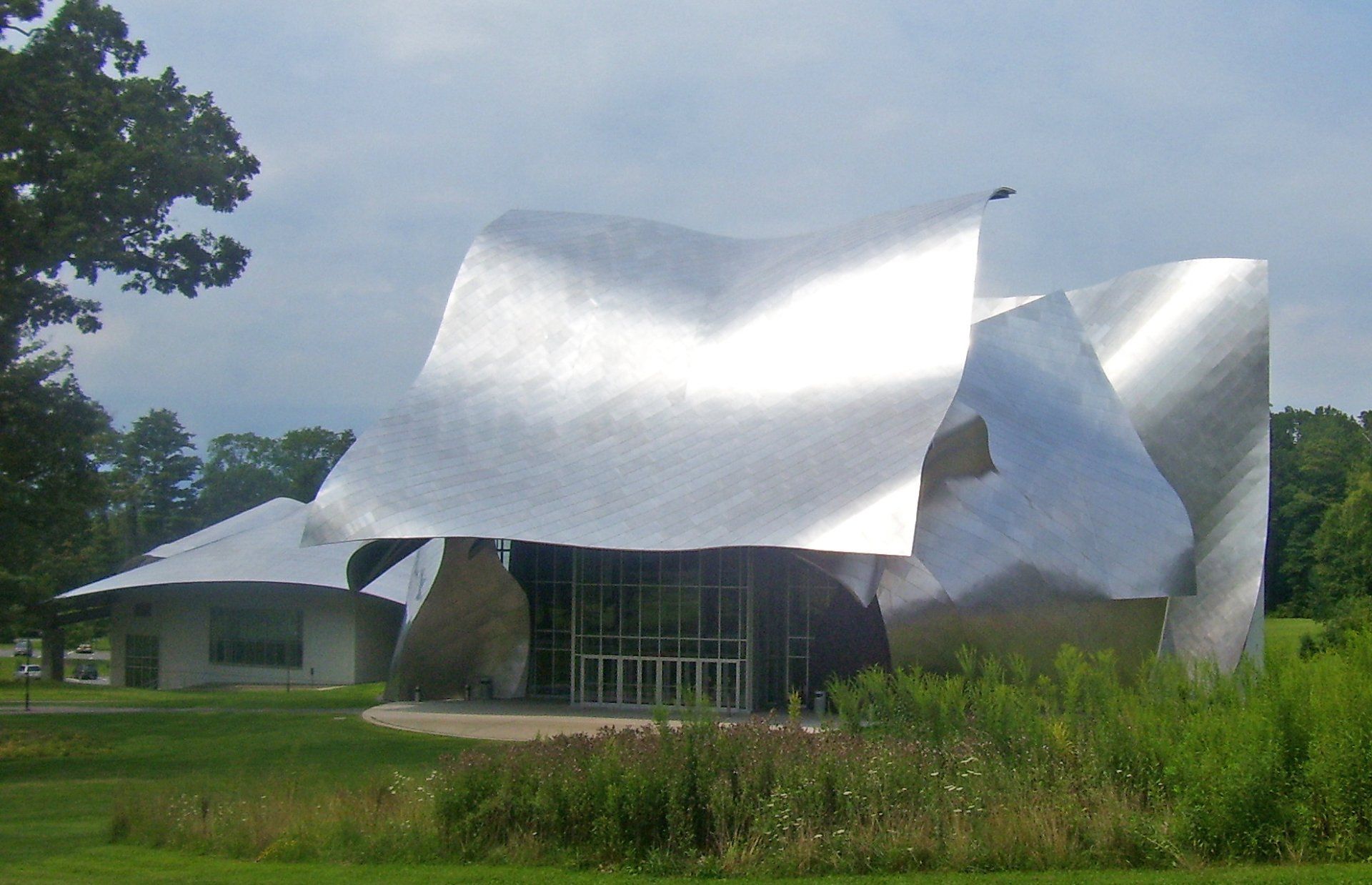
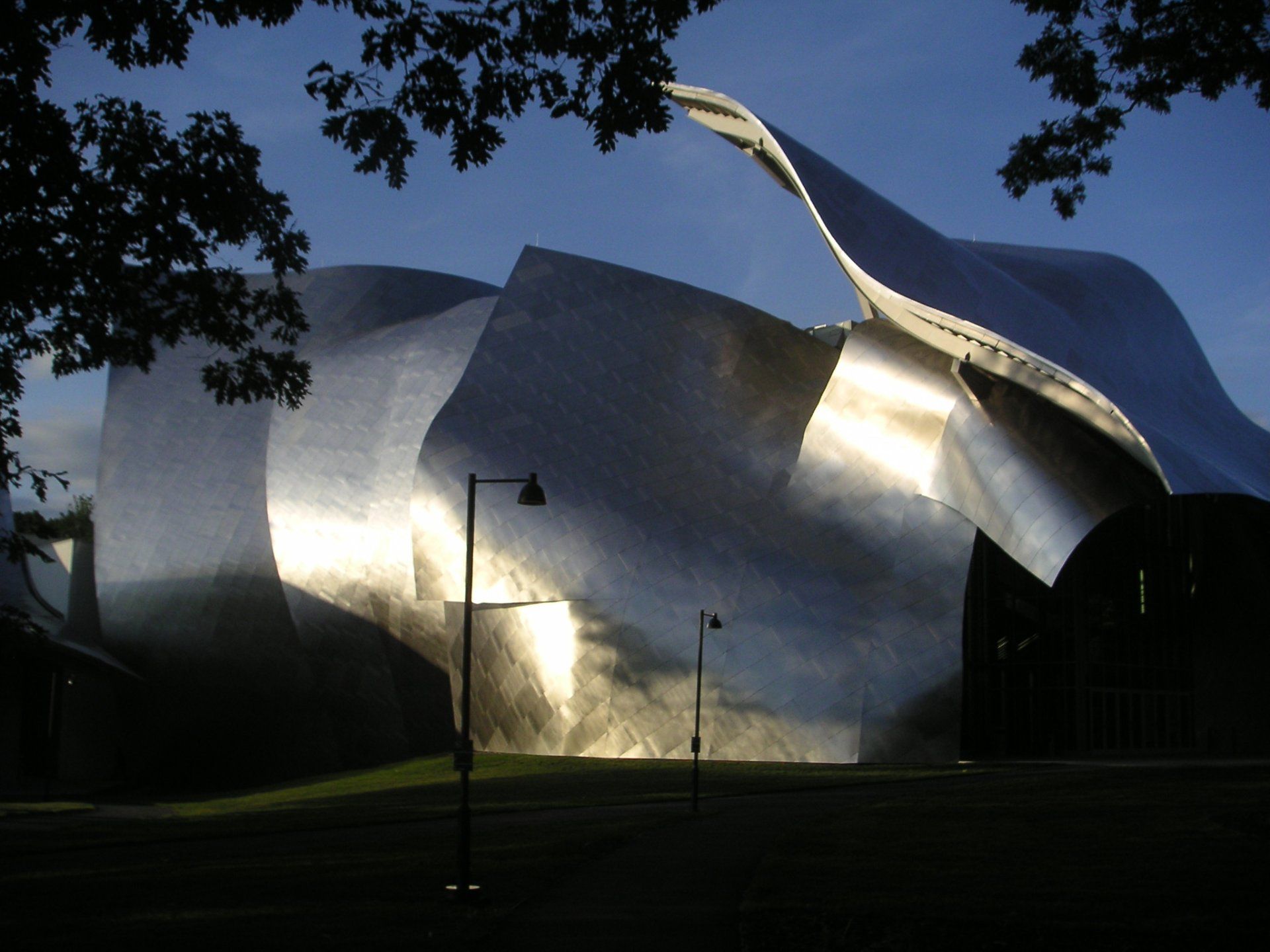
Bard College's campus is itself one of the most compelling cultural destinations in the Hudson Valley. The Fisher Center for the Performing Arts, designed by Frank Gehry, is an architectural landmark that hosts world-class theater, dance, and music performances throughout the year. Each summer, the Bard SummerScape festival draws visitors from across the region with opera, orchestral concerts, and film screenings — a tradition deeply tied to President Leon Botstein's vision of Bard as a cultural hub. The Center for Curatorial Studies and Art in Contemporary Culture (CCS Bard) maintains a significant gallery and research library open to the public, presenting rotating contemporary art exhibitions of genuine international caliber.

Outdoor Recreation

The campus sits on 1,260 acres overlooking the Hudson River and the Catskill Mountains, offering exceptional opportunities for walking, hiking, and simply taking in one of the most storied landscapes in American art history. The nearby Tivoli Bays Wildlife Management Area — a sprawling tidal wetland preserve that borders college land — is a favorite among birdwatchers and kayakers, particularly during spring migration season. The Hudson River itself is easily accessible, and the surrounding countryside offers cycling routes through classic Hudson Valley farmland and historic villages.

Dining & Local Exploration

The charming village of Tivoli, just minutes from campus, punches well above its size with an eclectic mix of cafés, bars, and restaurants that cater to the college community and day-trippers alike. The nearby town of Rhinebeck, about ten minutes south, offers a broader range of dining, boutique shopping along Market Street, and the historic Beekman Arms, one of the oldest continuously operating inns in the United States. The Rhinebeck Farmers' Market, held on Sundays, is a beloved seasonal institution drawing local producers from across Dutchess County.

Family Activities & Day Trips

Families visiting the area will find plenty to explore beyond campus. Olana State Historic Site, the Persian-inspired hilltop home of Hudson River School painter Frederic Church, is a short drive south and offers panoramic river views. The Montgomery Place historic estate, which borders Bard's own grounds, adds further depth to an already historically rich landscape. For broader adventures, the city of Hudson is roughly 20 minutes north, offering galleries, antique shops, and a vibrant food scene.

Latest Properties in Bard College

Loading...

Loading latest properties...

See All Properties in Bard College

History

From Parish School to National Landmark: Bard College's Enduring Imprint on Annandale-on-Hudson

The land that Bard College now occupies was not always an institution of learning — it was, for much of the nineteenth century, a collection of grand Hudson Valley estates with names like Blithewood, Bartlett, and Ward Manor. That changed in 1853, when John Bard and his wife Margaret purchased a portion of the Blithewood estate, renamed it Annandale, and set about transforming it into something more lasting. By 1860, with the blessing and encouragement of the Episcopal Diocese of New York, St. Stephen's College was formally founded on the donated 18 acres, beginning with just six students and a mission rooted in classical and theological education.

The physical campus took shape incrementally across the late nineteenth century — the stone collegiate Gothic dormitory Aspinwall in 1861, Ludlow Hall in 1866, the Stone Row dormitories completed in 1891, and the Greek Revival Hoffman Memorial Library in 1895. These structures, many still standing today, give the campus its distinctly historic character and contribute to its designation as a National Historic Landmark within the Hudson River Historic District. The 1951 donation of the Blithewood estate and the 1963 purchase of 90 acres of Ward Manor expanded the campus to its current 1,260 acres, cementing the sweeping, pastoral scale that defines the property today.

The college severed its ties with Columbia University in 1944, became coeducational, and adopted a fully secular identity — a turning point that doubled enrollment within three years and set the stage for the intellectually adventurous institution that President Leon Botstein has led since 1975. That long arc of institutional growth — from a modest Episcopal school to a globally connected liberal arts college with a $1.4 billion endowment — has made Bard a powerful anchor for the surrounding real estate market. The college's presence draws faculty, staff, students, and cultural visitors to the Annandale-on-Hudson area, sustaining demand for housing in a rural stretch of the Hudson Valley that might otherwise see far less activity.

Weather

Bard College's campus in Annandale-on-Hudson sits within the humid continental climate zone, a classification that defines life along this stretch of the mid-Hudson Valley with four genuinely distinct seasons and meaningful temperature swings throughout the year. The Hudson River and the looming presence of the Catskill Mountains to the west both play a role in shaping local conditions, moderating temperature extremes somewhat while also channeling moisture and occasional orographic precipitation into the region.

Summers are warm and pleasant, with daytime highs typically ranging from the mid-70s to the upper 80s°F and overnight lows settling into the 60s. Humidity can build during July and August, though the river corridor and elevation provide some relief compared to the urban heat of New York City to the south. Winters are cold and snowy, with daytime highs often in the 30s°F and lows that regularly dip into the teens and single digits during cold snaps. Snowfall is a reliable seasonal feature, and the campus's wooded, elevated terrain can accumulate meaningful accumulations from nor'easters and lake-effect systems.

Precipitation is fairly well distributed across all four seasons, averaging around 45 inches annually, with spring and early summer tending to be the wettest months. Fall brings spectacular foliage — the Hudson Valley is renowned for it — and crisp, dry air that makes the campus particularly striking.

For real estate purposes, the climate means robust heating systems are essential, and properties with older construction require attention to insulation and weatherproofing. Outdoor living spaces are genuinely usable from May through October, but seasonal maintenance — roof care, drainage management, and driveway upkeep — is a consistent consideration for homeowners in this region.

Bard College Market Analytics

The Bard College area market is showing signs of stability and growth, with the average home value increasing by 5.1% over the past year to $474,389, according to data analyzed by Opulist. This suggests the market is balancing, with nearly equal percentages of homes selling above and below list price, indicating a healthy and competitive environment for both buyers and sellers. Overall, the market trends indicate a favorable time for home buyers and sellers to make informed decisions with the help of Opulist's expert real estate analysis.


1-Year Home Value Change: +5.1%

Bard College Home Value Index over time.

Can I Afford Bard College?
$
%
$0
Est. Monthly Payment
$0/yr
Salary Required

*Principal & interest only. Salary based on 28% debt-to-income ratio.

Get Pre-Approved for Bard College