
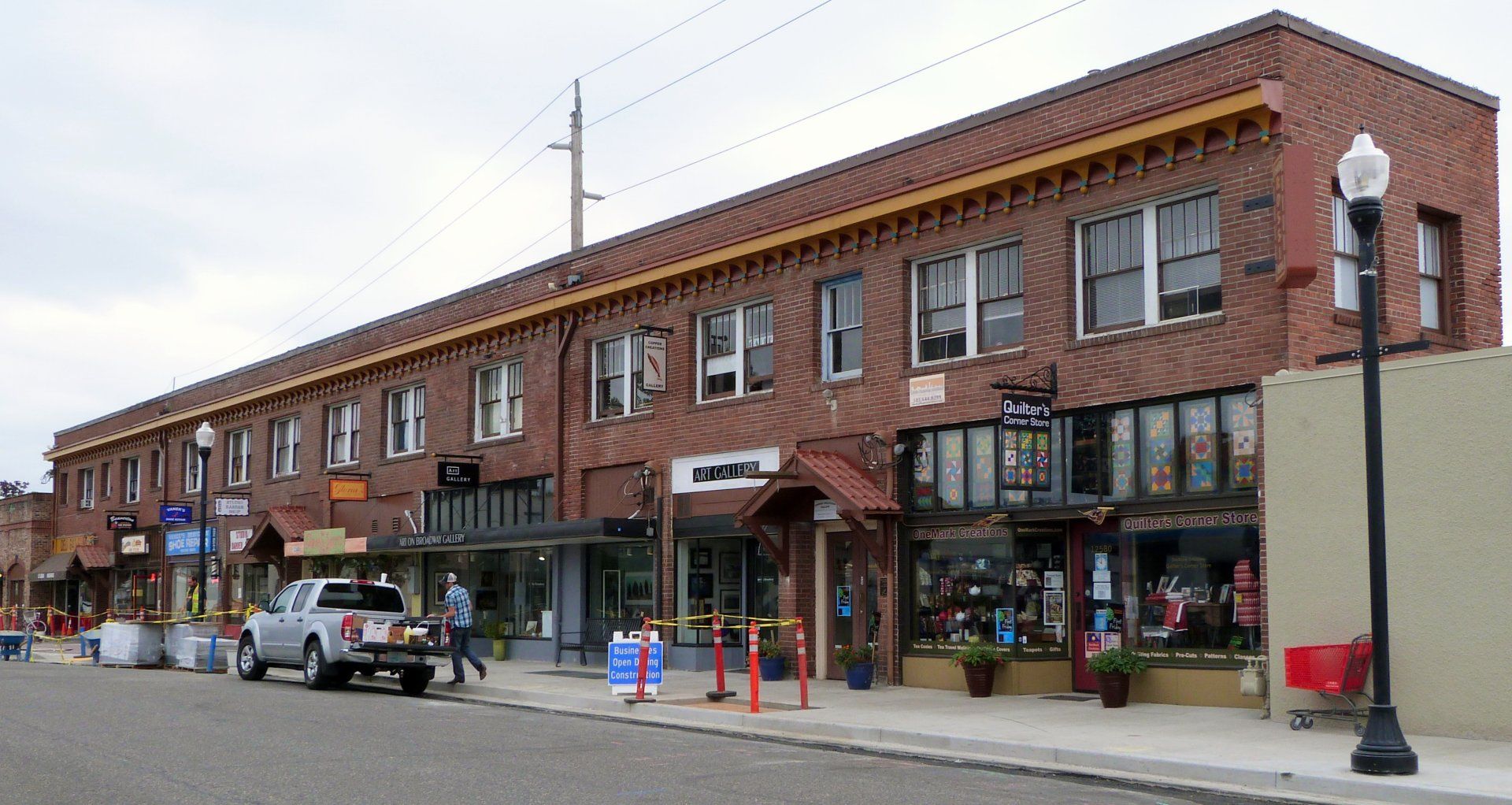

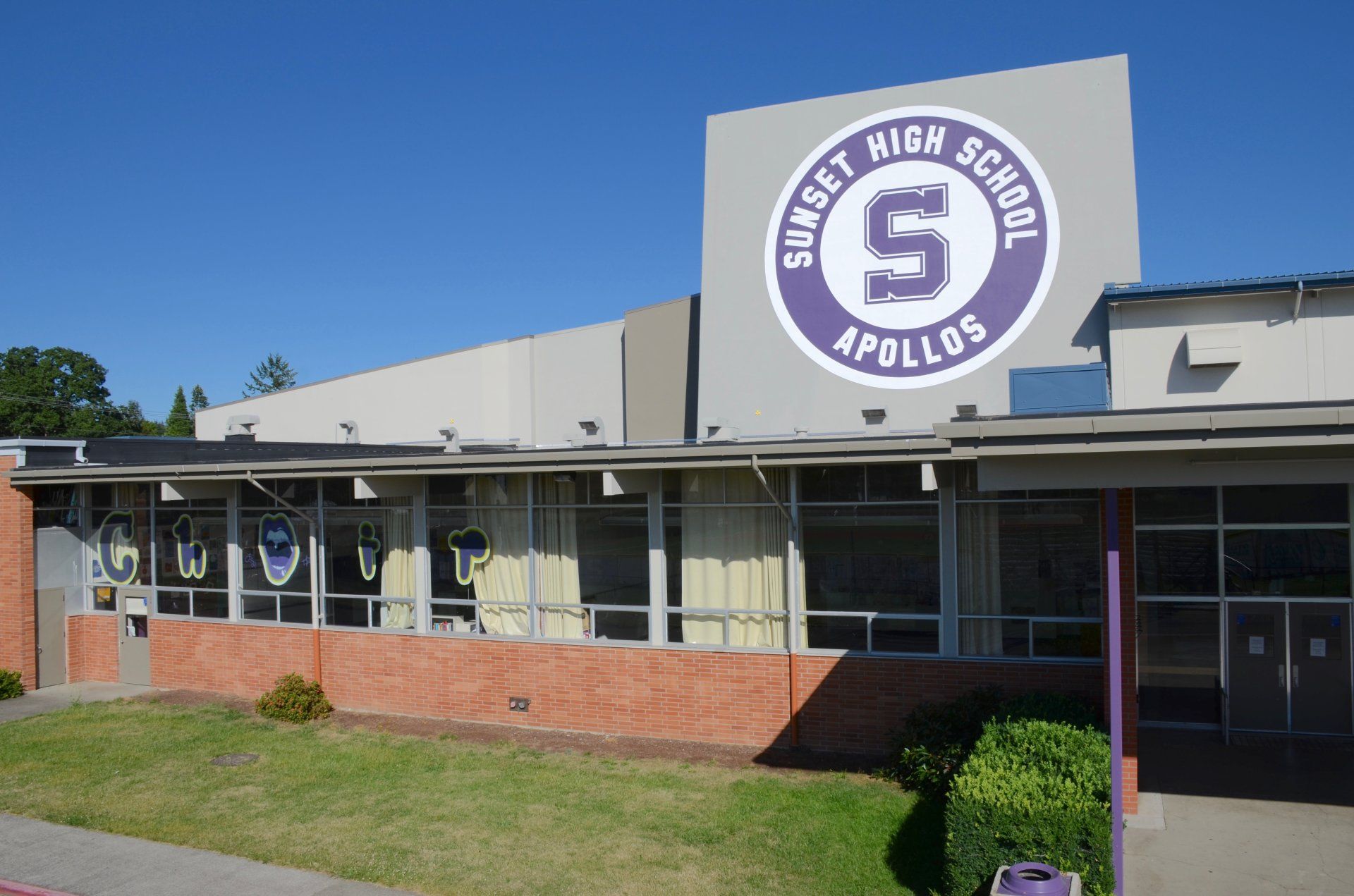
Incorporated in 1893 from a settlement that began with Lawrence Hall's 640-acre land claim in 1847, Beaverton has grown from a railway depot town of 400 residents into Oregon's seventh-largest city, with nearly 98,000 people spread across 19.6 square miles of the Tualatin Valley. Situated about seven miles southwest of downtown Portland in Washington County, Beaverton occupies a distinct economic and cultural position that sets it apart from neighboring suburbs: it is the global headquarters of Nike, Inc., and a cornerstone of the region's "Silicon Forest" technology corridor alongside Hillsboro. Where Portland offers urban density and Hillsboro leans heavily into semiconductor manufacturing, Beaverton balances corporate prestige with planned residential neighborhoods, green space, and a genuine downtown anchored by the MAX Light Rail at Beaverton Central Station. The Beaverton School District serves one of the most ethnically diverse student populations in the Pacific Northwest. With a median household income above $94,000 and a median home price around $585,000, Beaverton real estate reflects a community that continues to attract educated professionals and families who want proximity to Portland without sacrificing the livability that a well-resourced, mid-sized city provides.
Welcome to Beaverton
Community Profile
Nearly 98,000 residents call this Washington County city home, and the demographics paint a portrait of an energetic, highly educated, and economically productive community. At a median age of just 37.8 years — slightly younger than the national median — Beaverton skews toward its prime working and family-forming years, with the 30–39 age bracket alone representing 16.7% of the population. Young children and teens together account for more than a fifth of residents, signaling a city where schools, parks, and family-oriented amenities stay in high demand.
The economic profile is equally striking. A median household income of $98,622 — well above the national median of roughly $75,000 — reflects a workforce that is both highly credentialed and deeply embedded in the tech economy. Half of all adults hold a bachelor's degree or higher, and an extraordinary 49.6% of degree holders studied STEM fields, a direct reflection of Beaverton's role as home to major technology employers. Nearly 49% of households earn six figures, and with 59.1% of families bringing in dual incomes, financial resilience is woven into the community's fabric. The average commute of just 24.1 minutes means residents spend less time in traffic and more time living — a genuine quality-of-life advantage that buyers exploring Beaverton, OR real estate consistently rank among the city's top draws.
Diversity adds another dimension of vitality here. Hispanic and Latino residents represent 19.3% of the population, Asian residents 11.2%, and those identifying as two or more races 14.7%, making Beaverton one of the more culturally varied communities in the Portland metro. With a median home value of $567,799 and a rental market where households spend just 29.5% of income on rent — below the commonly cited 30% stress threshold — the numbers suggest a city where prosperity and livability genuinely intersect.
Things to Do
Outdoor Recreation
Beaverton's natural setting in the Tualatin Valley gives residents plenty of room to breathe. Tualatin Hills Nature Park is one of the crown jewels of the city's park system — a 222-acre urban nature preserve laced with trails through wetlands, forests, and meadows, and home to the Tualatin Hills Nature Center where interpretive exhibits bring the local ecosystem to life. For more active pursuits, the Tualatin Hills Athletic Center offers an Olympic-sized pool, fitness facilities, and courts for a wide range of sports. Fanno Creek Trail, which winds through much of the region, connects Beaverton to a broader network of greenways ideal for cycling and walking.
Arts & Culture
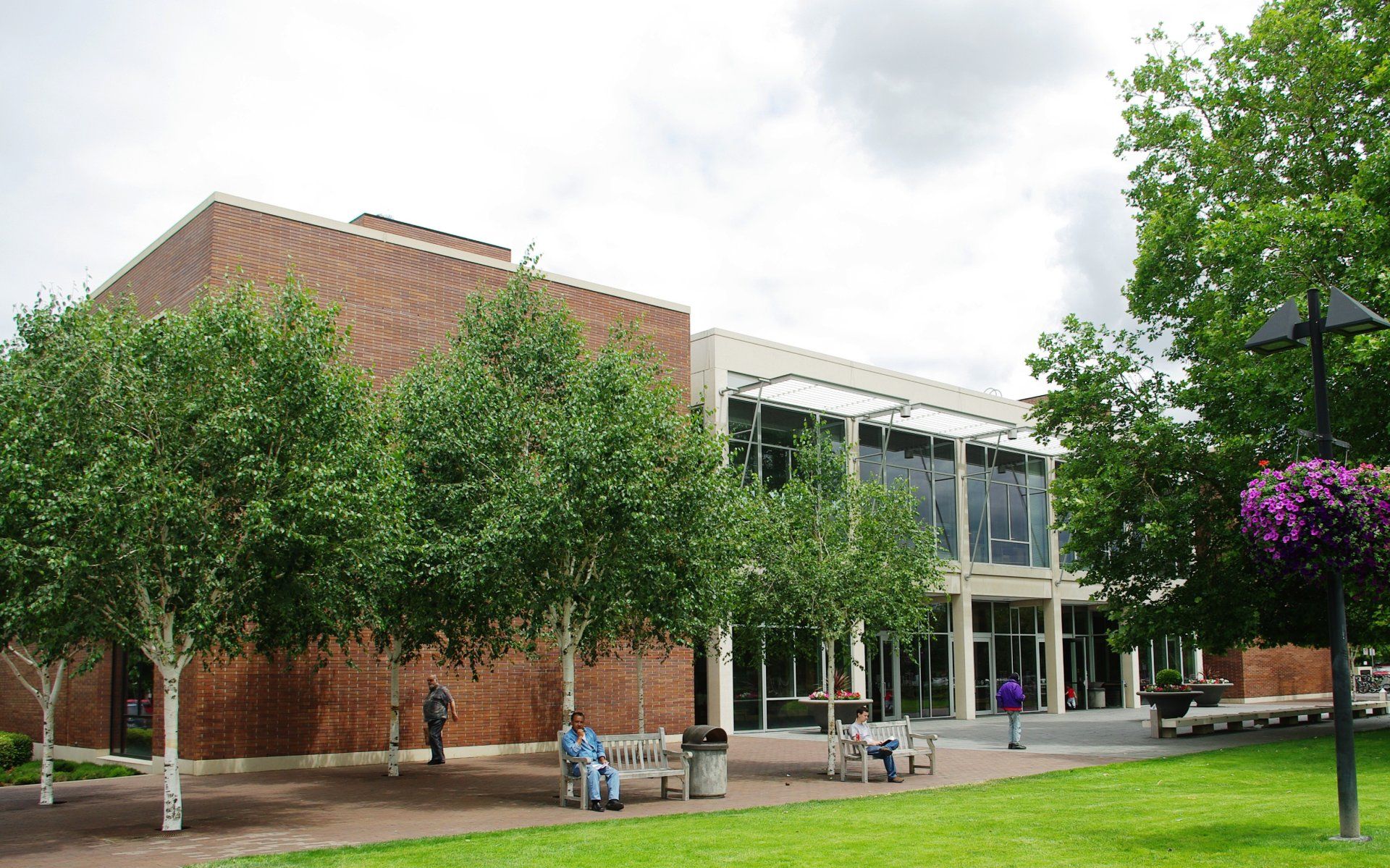
Downtown Beaverton has evolved into a genuine cultural hub. The Patricia Reser Center for the Arts, a stunning 550-seat performing arts venue that opened in 2022, anchors the scene with theater, music, dance, and visual arts programming throughout the year. Adjacent to it, The Round — a transit-oriented mixed-use development surrounding the Beaverton Central MAX station — creates a lively gathering place with retail, dining, and public plazas. The Beaverton City Library on Hall Boulevard rounds out the cultural offerings with robust programming for all ages.
Dining & Food Culture
Beaverton's remarkable diversity — with significant Latino, Asian, and other international communities — translates directly onto the plate. The city is known for an exceptional variety of authentic cuisines, from Vietnamese and Korean to Mexican and Middle Eastern. BG's Food Cartel, Beaverton's first food cart pod near The Round, features 31 carts, a speakeasy bar, and an event space, making it a lively destination any night of the week. The broader Beaverton area along Canyon Road and Beaverton-Hillsdale Highway is dense with independent restaurants representing flavors from around the world.
Family Activities & Shopping
Families drawn to Beaverton real estate will find no shortage of things to do together. Cedar Hills Crossing offers convenient everyday shopping, while the nearby Nike World Headquarters campus — though not a public attraction — lends the city a certain athletic energy that permeates local culture. The Beaverton Farmers Market, held on Saturday mornings from May through November in the Downtown Beaverton area, is a beloved community tradition showcasing local produce, artisan goods, and live music. Just seven miles from downtown Portland, residents also enjoy easy MAX light rail access to the city's museums, theaters, and waterfront.
Latest Properties in Beaverton
Loading latest properties...
History
From Beaver Dams to Boomtown
Long before the first Oregon Trail wagons crossed the Tualatin Mountains, the Atfalati people — a band of the Kalapuya — called this valley home, naming their village Chakeipi, meaning "place of the beaver." That name proved prophetic. When Lawrence Hall purchased 640 acres near present-day Walker Road in 1847 and built a grist mill with his brother, he was staking a claim on land shaped by beaver dams so extensive that early settlers described the area as "mostly swamps and marshes connected by beaver dams to create what looked like a huge lake." Thomas Denney followed in 1848, erecting the area's first sawmill on Fanno Creek. By 1860, a toll plank road along Canyon Road linked the settlement to Portland markets.
The town took formal shape after the Civil War, when Joshua Welch, George Betts, and others platted Beaverton as a rail stop, and in 1893 — with a population of roughly 400 — it incorporated as a city, with local businessman Alonzo Cady serving as its first mayor. The streets that bear these founders' names still anchor Beaverton's older neighborhoods today.
The transformation from farm town to tech suburb began in earnest with the founding of Tektronix in 1946, which relocated to a 313-acre campus by 1959 and seeded what became Washington County's "Silicon Forest." Nike's roots in the area deepened through the 1970s and 1980s, and the postwar suburban expansion that followed created the established residential neighborhoods that remain among the most sought-after in Beaverton real estate today. That layered history — agrarian origins, mid-century industrial ambition, and tech-era prosperity — is precisely what gives the market its depth, with a median home price now approaching $585,000.
Weather
A Mild Pacific Climate with Rainy Winters
Beaverton experiences a warm-summer Mediterranean climate (Köppen Csb), shaped by its position in the Tualatin Valley just west of the Tualatin Mountains and roughly 40 miles inland from the Pacific Ocean. The Coast Range moderates the most extreme coastal conditions while still allowing marine air to funnel through the valley, producing the mild, damp winters and pleasantly dry summers that define life in the northern Willamette Valley region.
Summers are warm and characteristically dry, with daytime highs typically ranging from the mid-70s to mid-80s°F and nights cooling comfortably into the mid-50s. Heat waves pushing into the 90s°F do occur, particularly in July and August, making air conditioning an increasingly worthwhile consideration for anyone exploring Beaverton real estate. Winters are cool and persistently cloudy, with daytime highs generally in the low-to-mid 40s°F and overnight lows hovering in the mid-30s. Snowfall is infrequent and rarely accumulates significantly, though ice events can occur.
Precipitation falls almost entirely between October and April, averaging around 37–40 inches annually. Extended gray, drizzly stretches are the norm through winter and early spring. This pattern has real implications for homeowners: roof condition, drainage, gutter maintenance, and moisture management deserve careful attention during any home inspection. On the upside, the long dry summers make Beaverton exceptionally well-suited to outdoor living — decks, patios, and gardens get heavy use from June through September, a quality that consistently drives buyer interest in beaverton or real estate.
Beaverton Market Analytics
Beaverton Home Value Index over time.
Can I Afford Beaverton?
Weather