
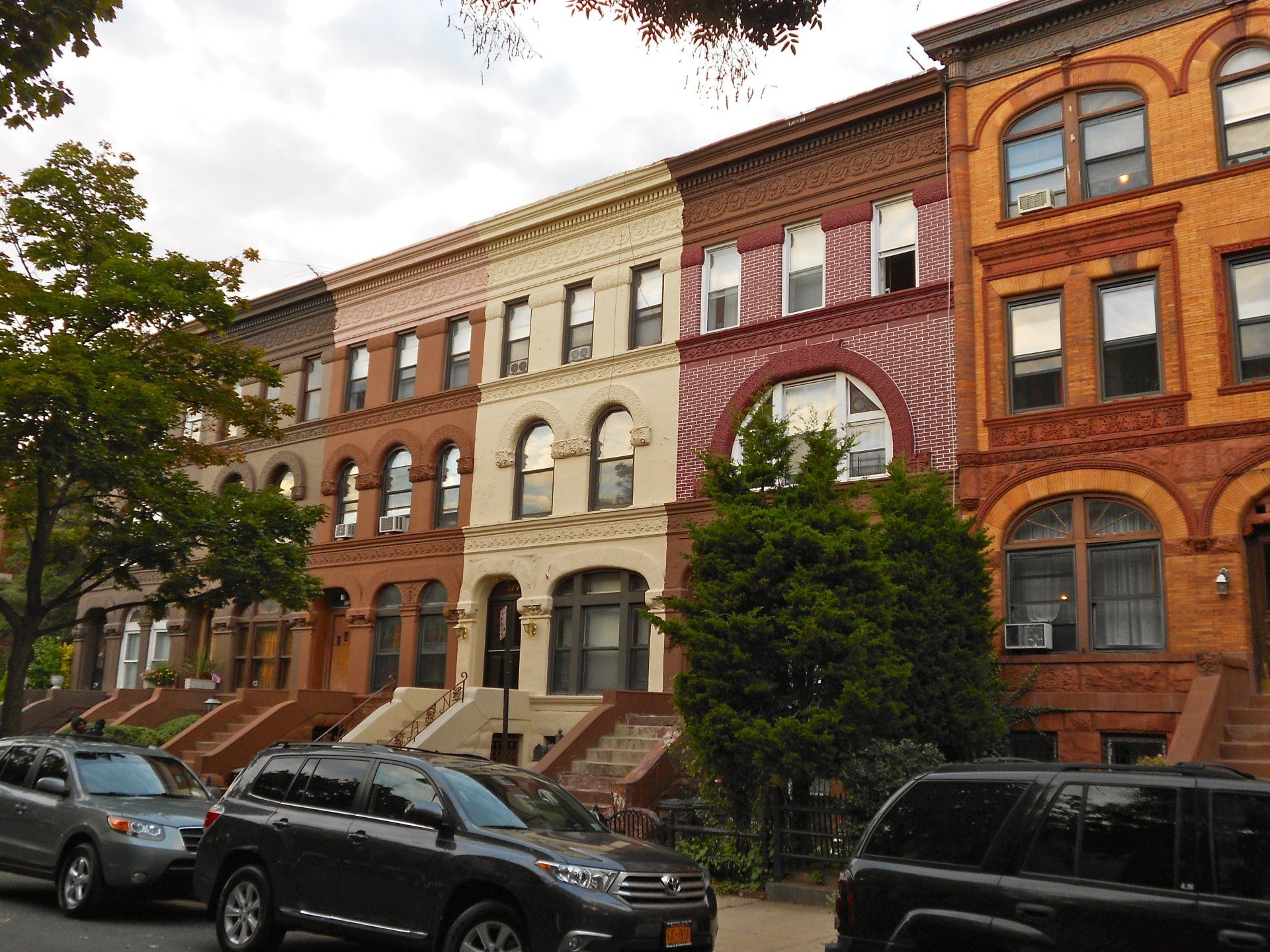
Bedford-Stuyvesant holds a distinction that no other neighborhood in the United States can claim: it contains the largest collection of intact Victorian architecture in the country, with roughly 8,800 pre-1900 buildings lining its brownstone-fronted blocks. Spread across 2.8 square miles in northern Brooklyn, Bed-Stuy is bordered by Williamsburg to the north, Clinton Hill to the west, Bushwick to the east, and Crown Heights to the south — each a distinct neighborhood in its own right, but none possessing the same depth of architectural heritage or the same layered African-American cultural history that defines this one. The neighborhood's roots stretch to a Dutch hamlet approved by Governor Peter Stuyvesant himself in 1663, and its sub-neighborhood of Weeksville was recognized as one of the first free African-American communities in the United States, founded in 1838. The A and C trains along the Fulton Street line connect residents directly to Manhattan, making bed stuy brooklyn apartments especially attractive to commuters. With a current population of over 166,000 and rising property values that still trail Manhattan and much of western Brooklyn, Bedford-Stuyvesant offers buyers and investors a rare combination of historic character, cultural depth, and genuine long-term upside.
Welcome to Bedford-Stuyvesant
Things to Do
Outdoor Recreation
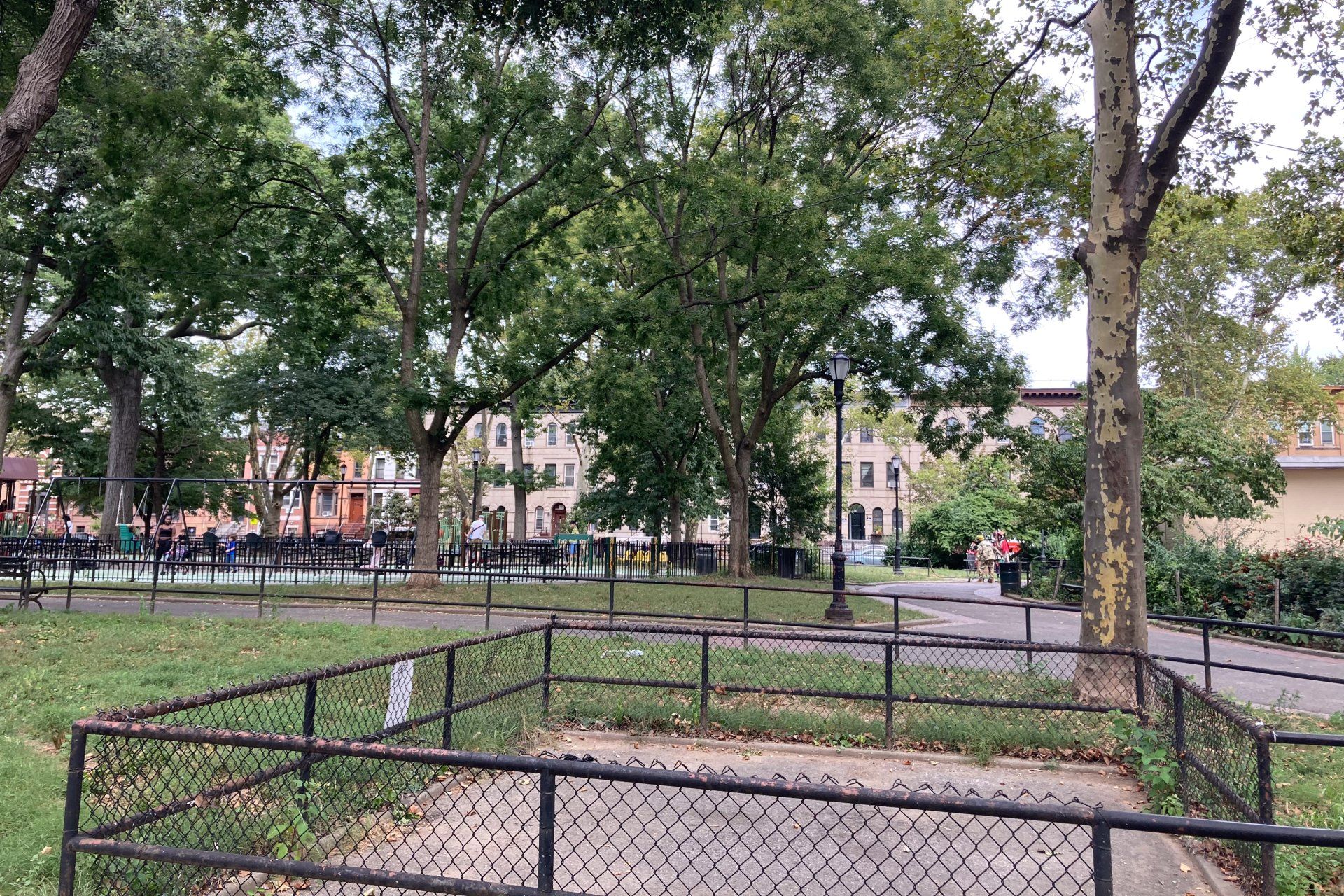
Bed-Stuy's green spaces offer genuine breathing room within one of Brooklyn's densest neighborhoods. Herbert Von King Park, the neighborhood's anchor park, hosts summer concerts, basketball courts, and a beloved cultural arts center that has served the community for decades. Fulton Park, a smaller but charming green space along the main corridor, provides a shaded retreat amid the neighborhood's bustle. The Saratoga Park area in the eastern reaches of the neighborhood offers playgrounds and open lawns popular with families on weekends.
Arts & Culture
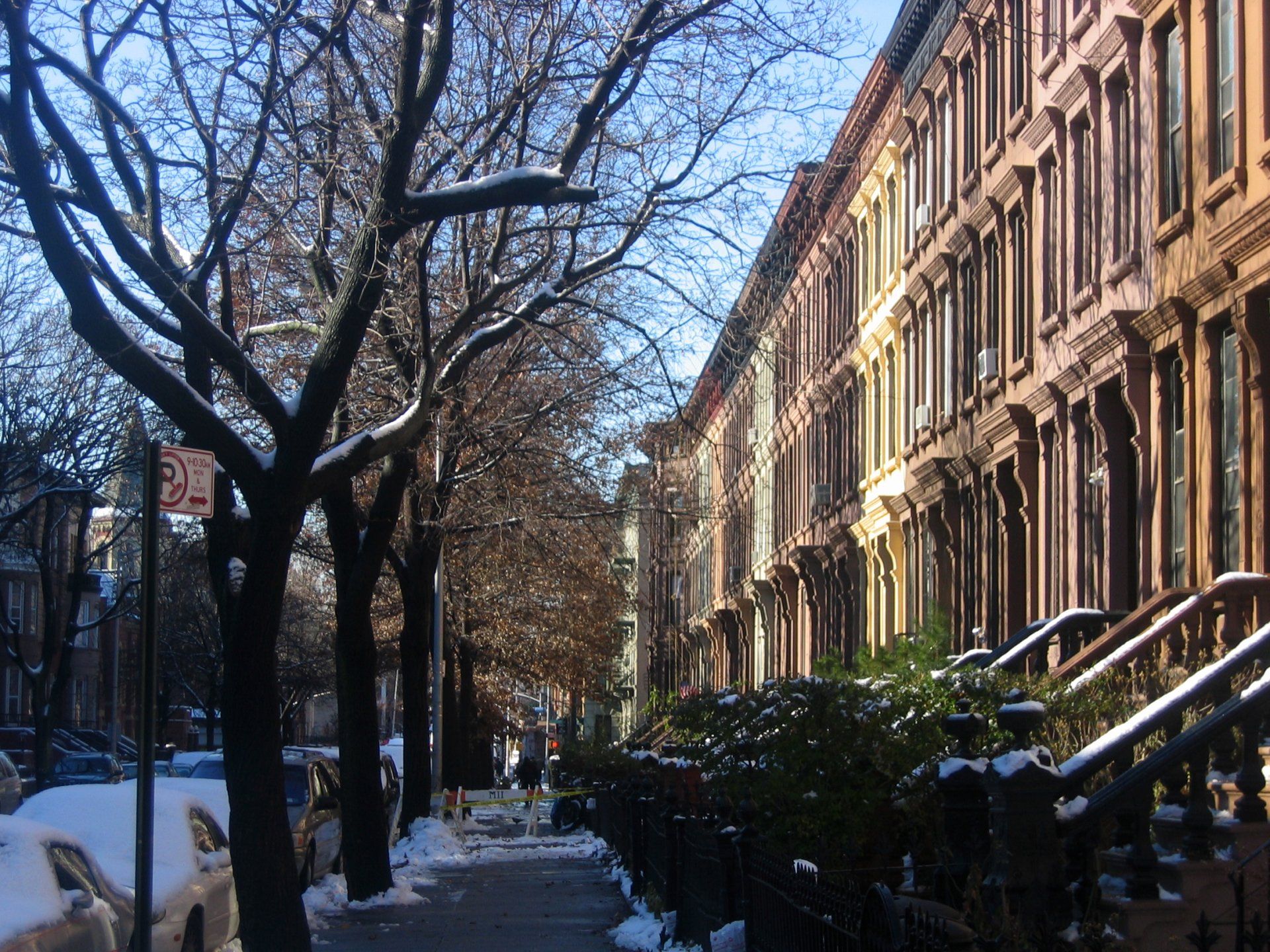
Few Brooklyn neighborhoods carry as much cultural weight as Bed-Stuy. The Weeksville Heritage Center on Bergen Street is an absolute must-visit — it preserves the history of one of America's earliest free African-American communities, founded right here in 1838. The Stuyvesant Heights Historic District is itself a living museum, boasting the largest collection of intact Victorian brownstone architecture in the United States, with roughly 8,800 pre-1900 buildings lining streets like MacDonough, Decatur, and Macon. Guided walking tours of the historic district are a popular way to take in the ornate cornices, quoins, and elaborate ironwork that define the streetscape.
Dining & Shopping
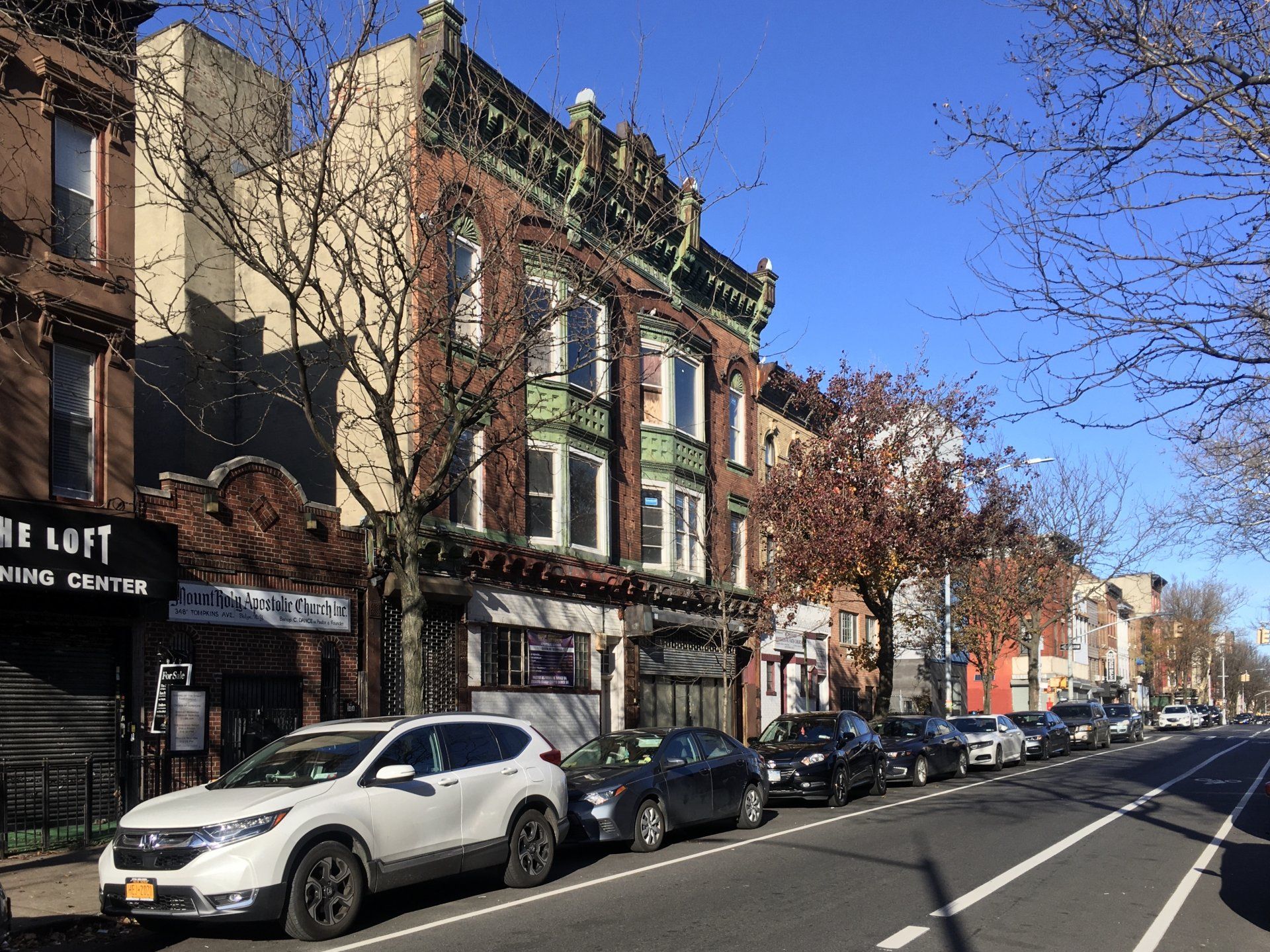
Fulton Street is the neighborhood's commercial spine, running east-west through the heart of Bed-Stuy and intersecting busy corridors like Nostrand Avenue, Bedford Avenue, and Stuyvesant Avenue. Along these streets you'll find an evolving mix of Caribbean bakeries, soul food spots, West African restaurants, and newer farm-to-table cafés that reflect the neighborhood's layered identity. The stretch of Nostrand Avenue between Fulton Street and Atlantic Avenue is particularly lively, with independent boutiques, barbershops, and community-rooted businesses alongside newer arrivals. Weekend farmers markets and pop-up vendors add seasonal energy to the streetscape.
Family Activities & Community Events
Bed-Stuy's community calendar stays full throughout the year. Summer brings block parties, outdoor movie nights, and free concerts in Herbert Von King Park. The neighborhood's strong tradition of community organizing means local festivals celebrating African-American history and Caribbean culture appear regularly, particularly around summer and early fall. For those considering bed stuy brooklyn apartments, proximity to these deeply rooted community events is one of the neighborhood's most compelling draws — life here is participatory, not just residential.
Latest Properties in Bedford-Stuyvesant
Loading latest properties...
History
From Dutch Farmland to Brooklyn's Brownstone Capital
Bedford-Stuyvesant's roots stretch back to 1663, when Governor Peter Stuyvesant approved a petition to formalize the hamlet of Bedford — already the first major settlement east of the Village of Brooklyn. The land had been divided among Dutch settlers including Dirck Janse Hooghland and farmers Jan Hansen and Leffert Pietersen van Haughwout, and it served as a vital crossroads on the ferry road connecting Brooklyn to Jamaica and eastern Long Island. The hamlet's street grid was laid out in 1835, and most of its streets were formally opened in the 1860s, named after prominent figures in American history — a legacy still visible on every block today.
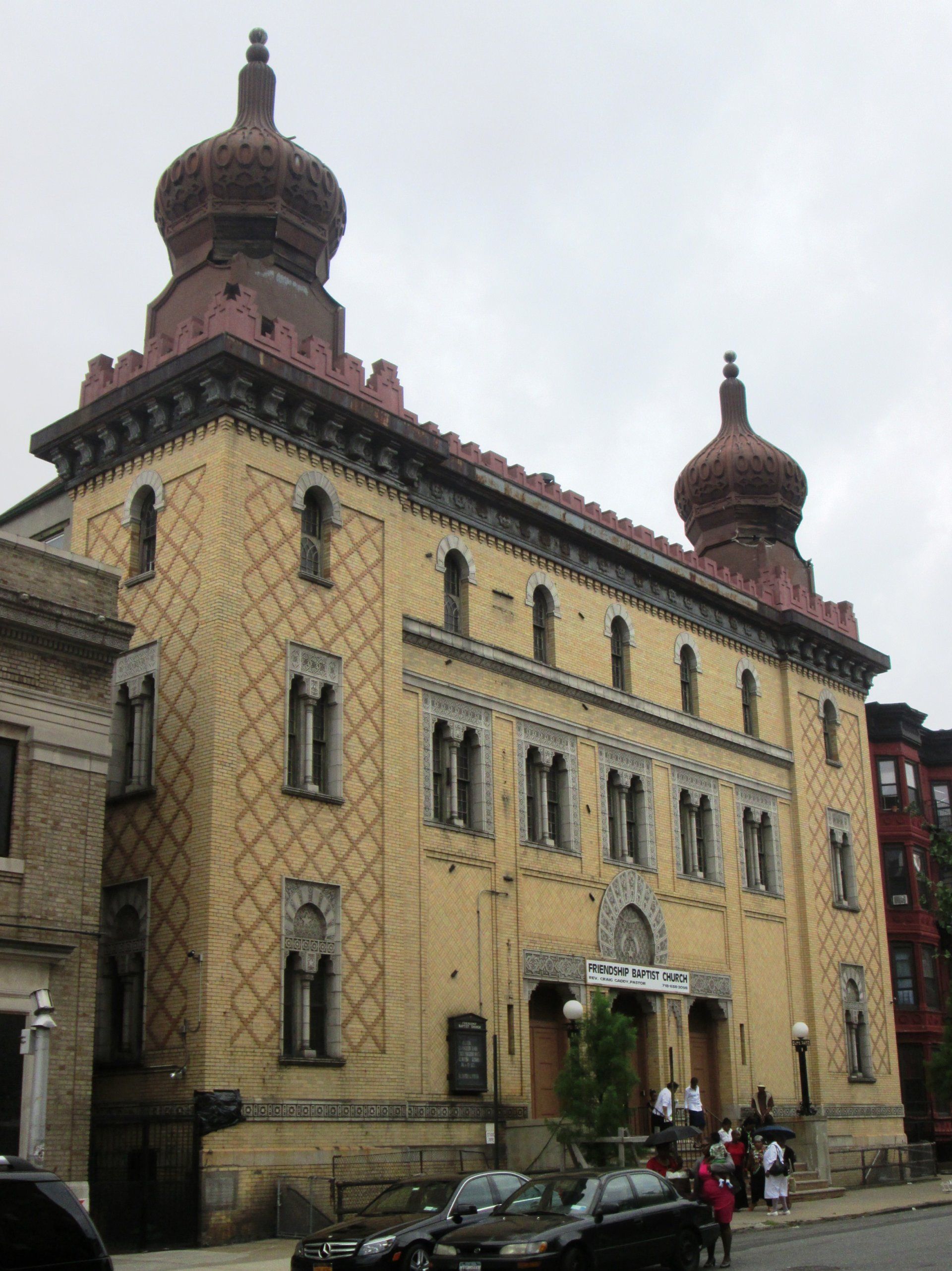
The neighborhood's defining architectural era came between the 1890s and the late 1910s, when developers built thousands of ornate brownstones for an expanding upper-middle class. Today, Bed-Stuy holds the largest collection of intact Victorian architecture in the United States, with roughly 8,800 pre-1900 buildings featuring elaborate cornices, quoins, and decorative brickwork. The Stuyvesant Heights Historic District preserves this legacy in remarkable condition.
A pivotal demographic shift arrived in 1936, when the Fulton Street subway line — today's A and C trains — opened and made the neighborhood accessible to African Americans leaving an overcrowded Harlem. By the late 1930s, Bed-Stuy had become a major cultural center for Brooklyn's Black community, a character it has maintained for nearly a century. It's also worth noting that Weeksville, founded within the neighborhood in 1838, was one of the first free African-American communities in the United States.
Since the early 2000s, gentrification has reshaped demand for bed stuy brooklyn apartments, pushing rents and property values sharply upward while the neighborhood's median household income has climbed to $71,123. The same brownstone blocks that once housed the Victorian upper-middle class now attract buyers and renters drawn to their irreplaceable architecture and deep cultural identity.
Weather
Bedford-Stuyvesant experiences a humid subtropical climate, the classification shared across New York City and much of the surrounding region. Situated in the interior of Brooklyn — well removed from the moderating open waters of the Atlantic Ocean, yet still influenced by its proximity to New York Harbor and the surrounding urban mass — Bed-Stuy sees the full range of northeastern seasons with notable intensity.
Summers are warm and humid, with daytime highs typically climbing into the mid-to-upper 80s°F and overnight lows settling in the upper 60s to low 70s. The urban heat island effect, amplified by the neighborhood's dense brownstone blocks and paved streetscapes, can push perceived temperatures even higher during heat waves. Winters are cold but not extreme, with average highs in the mid-30s to low 40s°F and lows dipping into the 20s. Snowfall is a seasonal reality, though accumulations tend to be moderate compared to inland New York.
Precipitation is fairly evenly distributed throughout the year, averaging around 46 to 50 inches annually, with no pronounced dry season. Spring and fall are genuinely pleasant — mild temperatures, lower humidity, and vivid seasonal transitions make these the most comfortable months for outdoor life.
For anyone considering bed stuy brooklyn apartments, the climate has real practical implications. The neighborhood's historic brownstones, while architecturally magnificent, require consistent attention to weatherproofing, roof maintenance, and insulation. Heating costs during winter and cooling demands in summer are meaningful budget considerations, and the neighborhood's tree-lined blocks — a genuine asset — demand seasonal upkeep after storms.
Bedford-Stuyvesant Market Analytics
Can I Afford Bedford-Stuyvesant?
Weather