
Bellevue, Washington

Location:
Bellevue, WA

Welcome to Bellevue

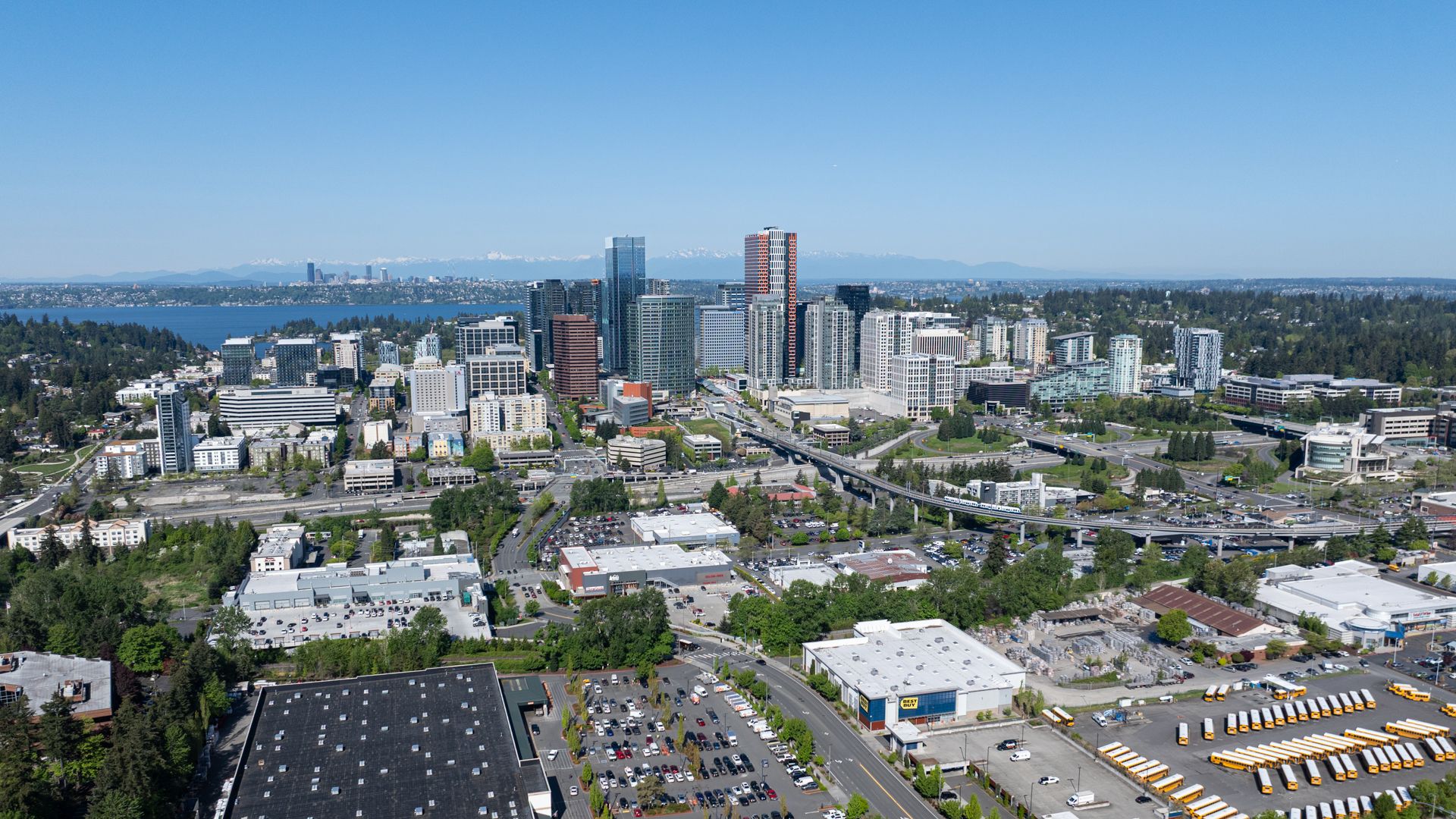
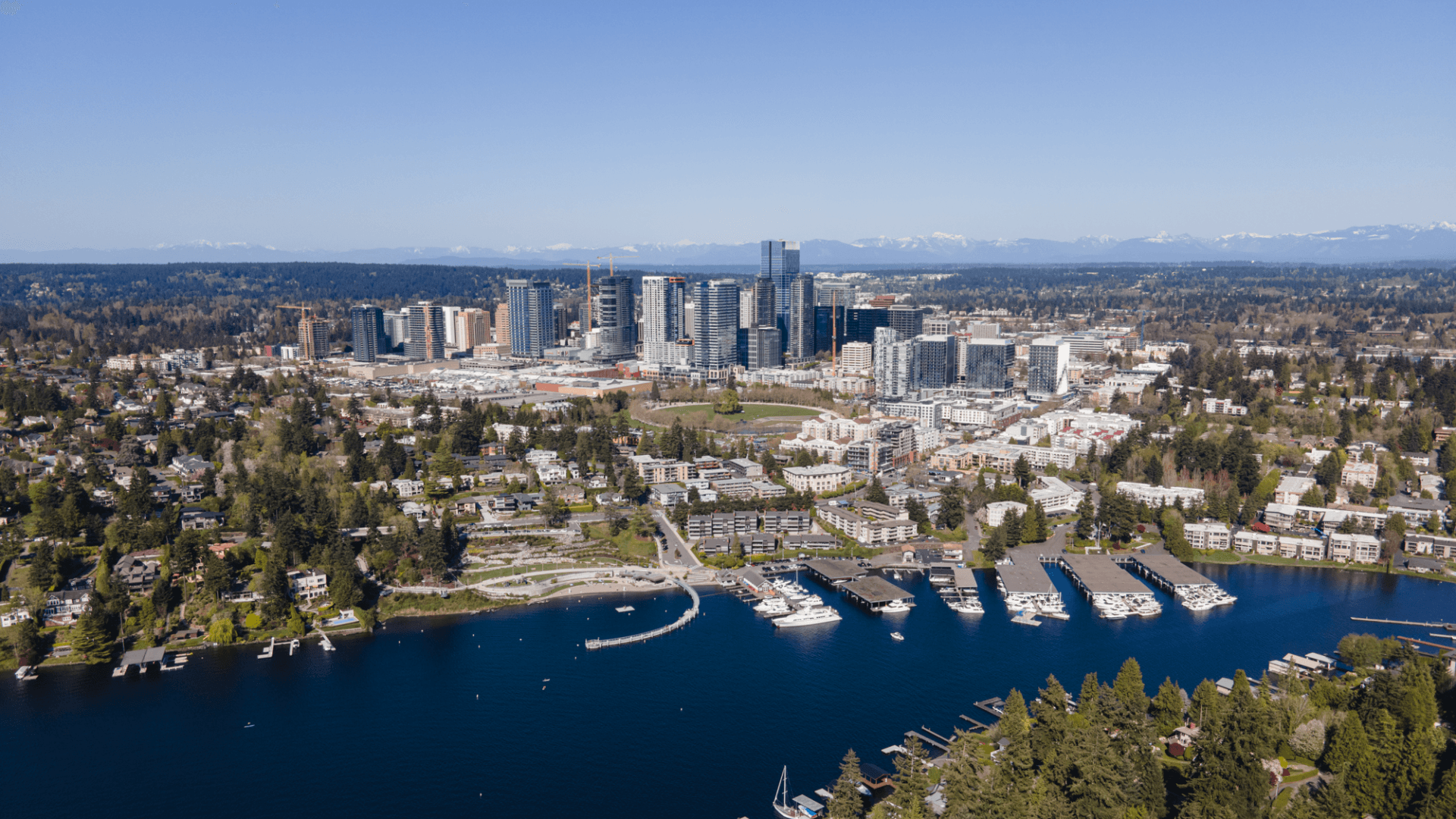
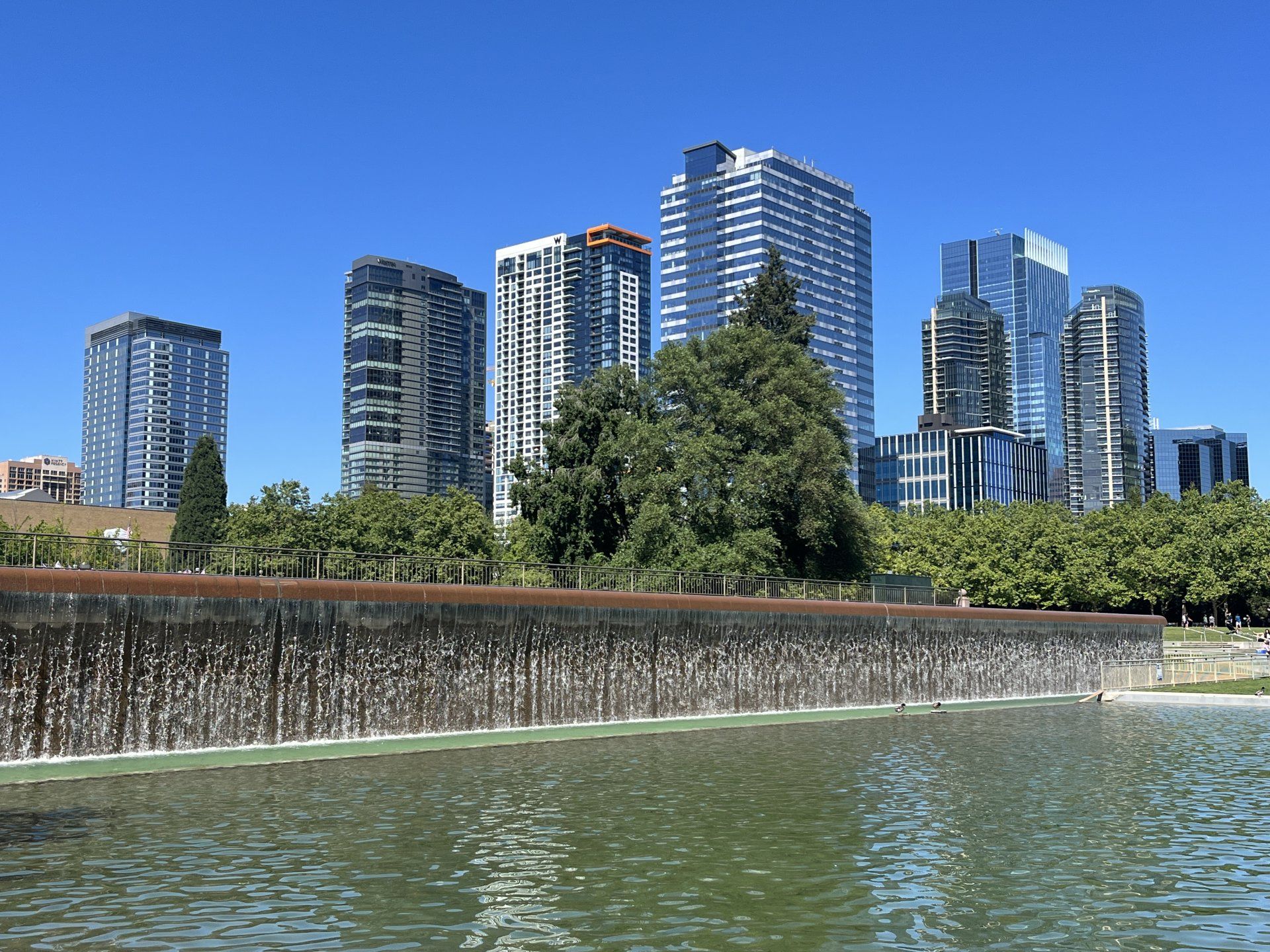
Situated directly across Lake Washington from Seattle, Bellevue is King County's second-largest city and one of the most economically dynamic urban centers in the Pacific Northwest. What sets it apart from its neighbors — including Redmond, Kirkland, and Renton — is its rare combination of a fully realized downtown skyline, walkable urban amenities, and immediate access to some of the region's most pristine natural landscapes. Downtown Park, a 21-acre green space at the city's core, exemplifies this balance: a manicured urban retreat within walking distance of high-rise offices and upscale retail along Bellevue Way.

The Bellevue School District consistently ranks among the highest-performing in Washington State, making the city a destination for families who prioritize education. For commuters and renters alike, the Bellevue Transit Center — now anchored by Sound Transit's East Link light rail extension — connects residents directly to Seattle and the broader regional network. Those exploring apartments in Bellevue, WA will find options ranging from sleek high-rises in the urban core to quieter residential complexes in neighborhoods like Crossroads and Somerset.

With major technology employers continuing to expand their footprints here and infrastructure investment accelerating, Bellevue is not simply riding Seattle's coattails — it is building a future entirely its own.


Community Profile

Few cities east of Seattle can match the remarkable concentration of talent, prosperity, and diversity that defines Bellevue. With a population of 151,847 and a median household income of $165,576 — more than double the national median — this is one of the most economically dynamic communities in the Pacific Northwest. A striking 70% of households earn six figures or more, reflecting a workforce that is exceptionally well-credentialed: 72.1% of residents hold a bachelor's degree or higher, and 36% have earned a graduate degree, both far exceeding national norms. That intellectual firepower skews heavily toward technology and science, with 64.5% of degree holders in STEM fields — a testament to Bellevue's deep ties to the region's booming tech economy.

The community is strikingly balanced in its life stage, with a median age of 38.5 that mirrors the national figure, yet the age distribution tells a richer story: nearly a third of residents fall between 30 and 49, making this a hub for established professionals and growing families. 56.7% of residents are married, average family size sits just under three, and 56.1% of families bring in dual incomes. The city is also one of the most diverse in Washington State, with 42.8% of residents identifying as Asian and 9.5% as two or more races, creating a genuinely cosmopolitan atmosphere. Commutes average just 23.6 minutes, and those exploring bellevue apartments will find a rental market where residents spend only 22.6% of income on housing — a healthy ratio given the area's premium home values.

Things to Do

Outdoor Recreation

Bellevue is a city that takes its parks seriously. Bellevue Downtown Park offers a sweeping circular promenade, a canal, and manicured lawns just steps from the urban core — a favorite spot for morning walks and weekend picnics. Mercer Slough Nature Park, one of the largest remaining wetlands on the Eastside, winds through nearly 320 acres of blueberry farms and forested trails, giving paddlers and hikers a genuine wilderness experience within city limits. For sweeping views of Lake Washington and the Seattle skyline, Chism Beach Park and Newcastle Beach Park draw swimmers and sunbathers throughout the summer months.

Arts & Culture

The Bellevue Arts Museum anchors the city's cultural identity with rotating exhibitions focused on art, craft, and design, while the annual Bellevue Arts Museum ARTSfair — held every summer — transforms the surrounding blocks into one of the Pacific Northwest's most celebrated juried art festivals. The KidsQuest Children's Museum in the Bellevue Collection offers hands-on exhibits that keep younger visitors engaged for hours. Theater lovers can catch performances at Bellevue College's Carlson Theatre, which hosts a range of productions throughout the academic year.

Shopping & Dining

Bellevue Square and the broader Bellevue Collection represent one of the premier retail destinations in the entire Pacific Northwest, featuring flagship stores, upscale boutiques, and a dining scene that spans everything from casual Pacific Rim cuisine to white-tablecloth restaurants. The Old Bellevue neighborhood along Main Street offers a more intimate alternative, with independent shops, wine bars, and farm-to-table restaurants tucked into a charming streetscape. Residents of apartments in Bellevue WA frequently cite walkable access to this dining corridor as one of the city's most appealing everyday luxuries.

Family Activities & Sports

The Bellevue Ice Arena is a year-round hub for skating enthusiasts of all skill levels, offering public sessions and youth hockey leagues. Families also flock to Crossroads Park, which features a skate park, community garden, and an outdoor stage that hosts free summer concerts. With the East Link light rail expansion connecting Bellevue more directly to Seattle, exploring the broader region has never been more convenient — making the city an ideal base for both day-trippers and long-term residents alike.

Latest Properties in Bellevue

Loading...

Loading latest properties...

See All Properties in Bellevue

History

From Strawberry Farms to Skyline: A Brief History of Bellevue, WA

Bellevue's story begins long before its gleaming towers defined the eastern shore of Lake Washington. In the late 19th century, the land that would become Washington's second-largest city was a patchwork of logged-off timber tracts and small farms. Japanese and Filipino immigrant families cultivated strawberries across the Eastside plateau through the early 20th century, establishing agricultural communities whose careful land stewardship shaped the area's early character. The opening of the Lake Washington Floating Bridge in 1940 — the first of its kind in the world — was the pivotal infrastructure moment that connected Bellevue to Seattle and set everything that followed in motion.

The postwar decade brought a suburban building boom that transformed berry fields into quiet residential neighborhoods. Bellevue was incorporated as a city in 1953, and the opening of Bellevue Square that same year signaled an early commercial ambition that would define the city's trajectory. The tree-lined streets of neighborhoods like Enatai and Vuecrest date largely from this era, and their mid-century bones remain a draw for buyers today.

The real transformation came in the 1980s and accelerated sharply through the 1990s and 2000s, as technology companies — drawn by proximity to Microsoft's Redmond campus and a business-friendly environment — began relocating and expanding in Bellevue's downtown core. That corporate momentum reshaped demand for bellevue apartments and for-sale housing alike, pushing density upward and prices along with it.

Today, the city's history is legible in its geography: postwar ranch homes in the south and west, dense apartments in Bellevue, WA rising around the light rail corridor, and a downtown skyline that would have been unrecognizable to the strawberry farmers who worked this land a century ago.

Weather

A Climate Built for Pacific Northwest Living

Bellevue, Washington experiences a marine west coast climate — mild, moist, and remarkably temperate year-round. Situated on the eastern shore of Lake Washington and sheltered by the Olympic Mountains to the west while lying in the shadow of the Cascades to the east, the city enjoys a geography that moderates temperature extremes in both directions.

Summers are genuinely pleasant, with daytime highs typically ranging from the mid-70s to low 80s°F and overnight lows settling comfortably in the mid-50s. Extended stretches of sunshine from June through September make outdoor living a centerpiece of daily life — a major draw for those exploring bellevue apartment complexes with rooftop decks, patios, or proximity to the waterfront. Winters are cool and grey rather than harsh, with daytime highs generally in the low-to-mid 40s°F and lows hovering around the mid-30s. Snowfall is infrequent and rarely significant at lower elevations.

Precipitation falls predominantly between October and April, arriving as steady, gentle rain rather than dramatic storms. Annual rainfall averages around 37–38 inches — less than many assume — but the overcast skies give the season a persistently damp character. The mountains to the east can occasionally funnel colder air into the region during winter.

For real estate purposes, the climate shapes priorities meaningfully. Heating costs matter more than cooling costs, making efficient insulation and gas or heat-pump systems important considerations. Roof maintenance, gutter upkeep, and moisture management are routine seasonal concerns. On the upside, the long, dry summers reward investment in outdoor spaces — decks, gardens, and covered patios add genuine livable square footage for much of the year.

Bellevue Market Analytics

The Bellevue market is showing signs of stability, with the average home value at $1,485,210, down 2.3% over the past year, according to data analyzed by Opulist. This suggests the market is balancing, with a sale-to-list ratio of 0.976, indicating that homes are selling for slightly below their listed price. Additionally, the percentage of sales over list price is 13.5%, while 70.1% of sales are under list price, indicating a moderate level of negotiation in the market.


1-Year Home Value Change: -2.3%

Bellevue Home Value Index over time.

Can I Afford Bellevue?
$
%
$0
Est. Monthly Payment
$0/yr
Salary Required

*Principal & interest only. Salary based on 28% debt-to-income ratio.

Get Pre-Approved for Bellevue