
Stretching 27 miles along the upper Texas Gulf Coast in Galveston County, Bolivar Peninsula is a barrier island unlike anything else on the Texas shore — a narrow strip of land where the Gulf of Mexico meets Galveston Bay, accessible from Galveston Island via a free state-operated ferry that has connected the two since 1934. While Galveston draws the crowds and the headlines, Bolivar offers something quieter and more elemental: open beaches, working waterfront communities like Crystal Beach and Port Bolivar, and some of the finest shorebird habitat in North America at Bolivar Flats. The peninsula's median home price of $316,400 makes bolivar peninsula homes for sale an increasingly compelling proposition for buyers priced out of coastal markets further south. With a median age of 62.6, this is a community that skews toward retirees and second-home owners who have already discovered what the peninsula offers. Students on the western end attend Galveston Independent School District schools. For those who want genuine Gulf Coast living — with history, wildlife, and water on every side — Bolivar Peninsula's ongoing recovery and renewed investment signal that the best years here may still be ahead.
Welcome to Bolivar Peninsula
Community Profile
Tucked along the Gulf Coast in Galveston County, this tight-knit coastal community of 2,951 residents tells a clear and compelling story: it is a place where people come to stay. With a homeownership rate of 95.4% — among the highest you'll find anywhere in the country, far above the national average of 65.5% — the peninsula attracts committed, long-term residents who have genuinely put down roots by the water. The median home value of $323,537 sits just below the national median, making bolivar peninsula homes for sale a genuinely accessible entry point into Gulf Coast living without sacrificing coastal character or charm.
The community skews toward experienced, established adults, with a median age of 62.5 years and nearly 38.2% of residents over 65 — a reflection of the peninsula's powerful appeal as a retirement and second-home destination. A remarkable 66.8% of residents are married, and the atmosphere is one of settled, neighborly calm. The median household income of $75,547 aligns closely with the national figure, and an impressive 34.9% of households earn six figures or more, signaling real financial stability within this small population. With a labor force participation rate of just 34.2% and a reported unemployment rate of 0%, many residents here are simply living well in retirement rather than commuting to work. Veterans make up a meaningful 18% of the community, adding to its grounded, service-oriented character. Those exploring homes for sale in Bolivar Peninsula TX will find a rare combination of affordability, ownership culture, and an unhurried coastal lifestyle that is genuinely hard to replicate.
Things to Do
Outdoor Recreation & Beaches
With 27 miles of Gulf-facing shoreline, Bolivar Peninsula is essentially one long invitation to get outside. The beaches here are wide, uncrowded, and free — a refreshing contrast to more developed coastal destinations. Swimming, surf fishing, shelling, and beachcombing are everyday pursuits, and the relatively gentle surf makes the shoreline accessible to families and casual visitors alike. Fort Travis Seashore Park, situated on the western tip of the peninsula near Port Bolivar, offers a fascinating blend of outdoor recreation and military history, with remnants of the old coastal defense fortifications still visible amid the park grounds. It's one of the most distinctive public spaces on the upper Texas coast.
Birdwatching & Nature
Bolivar Peninsula has earned a serious reputation among birders, and for good reason. Bolivar Flats, a stretch of tidal flats along the Gulf shoreline, is recognized as one of the premier shorebird and wading bird habitats in North America. The Louis Smith Bird Sanctuary provides additional protected habitat, and the annual Bolivar Christmas Bird Count — conducted under the Houston Audubon Society since 1962 — has documented up to 180 species in a single outing. Spring migration season, typically peaking in April and May, draws birders from across the country when neotropical songbirds make landfall near High Island after crossing the Gulf of Mexico. It's a genuinely world-class spectacle.
History & Culture
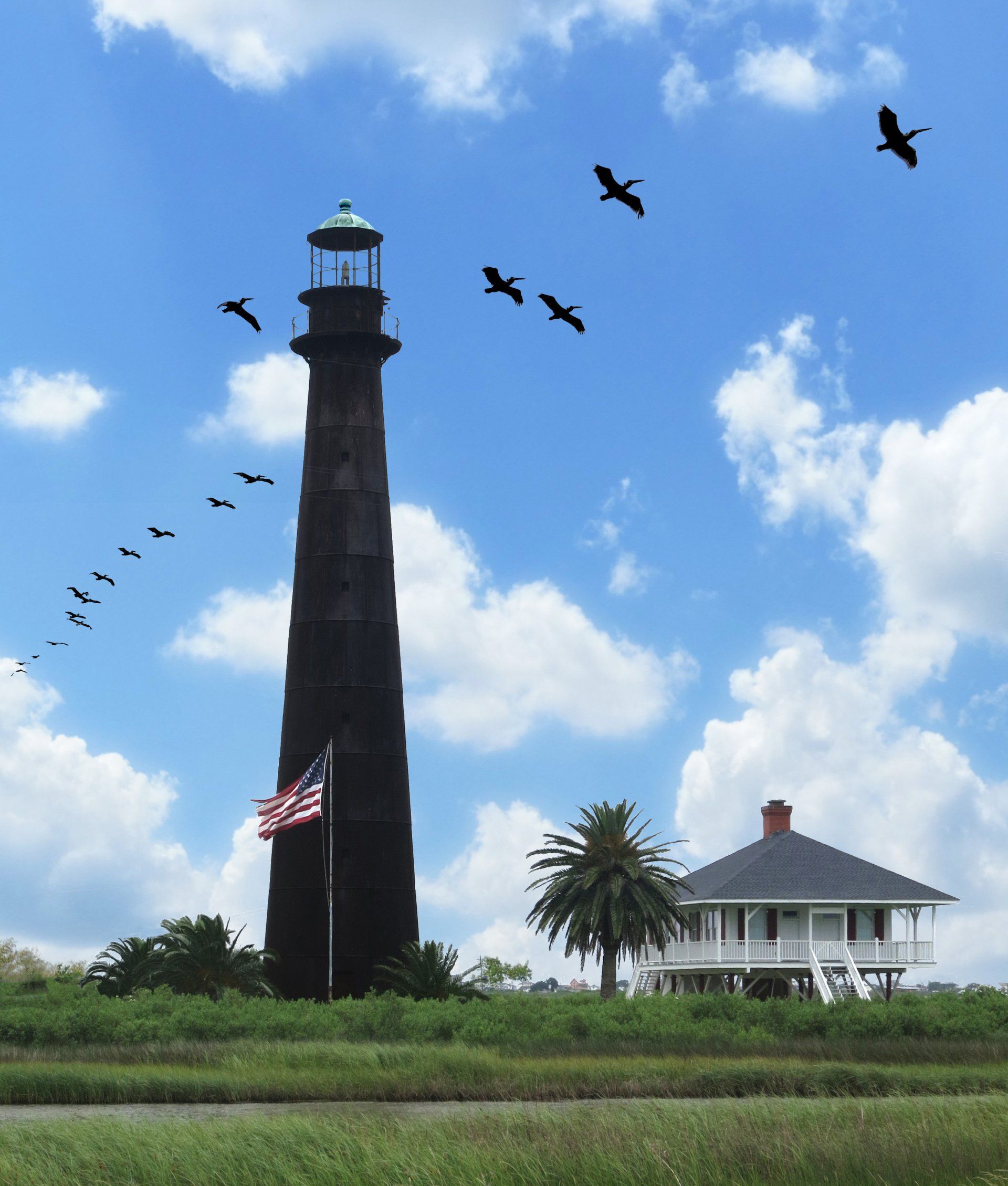
History runs deep along this narrow strip of land. The Point Bolivar Lighthouse, built in 1872 and visible from the Galveston ferry, is one of the most iconic landmarks on the Texas coast. Though privately owned and not open for tours, it remains a beloved symbol of the peninsula's past. The area's layered history — from Karankawa habitation to pirate activity, the Texas Revolution, and the oil boom near High Island — gives curious visitors plenty to explore and contemplate.
Dining & Local Character
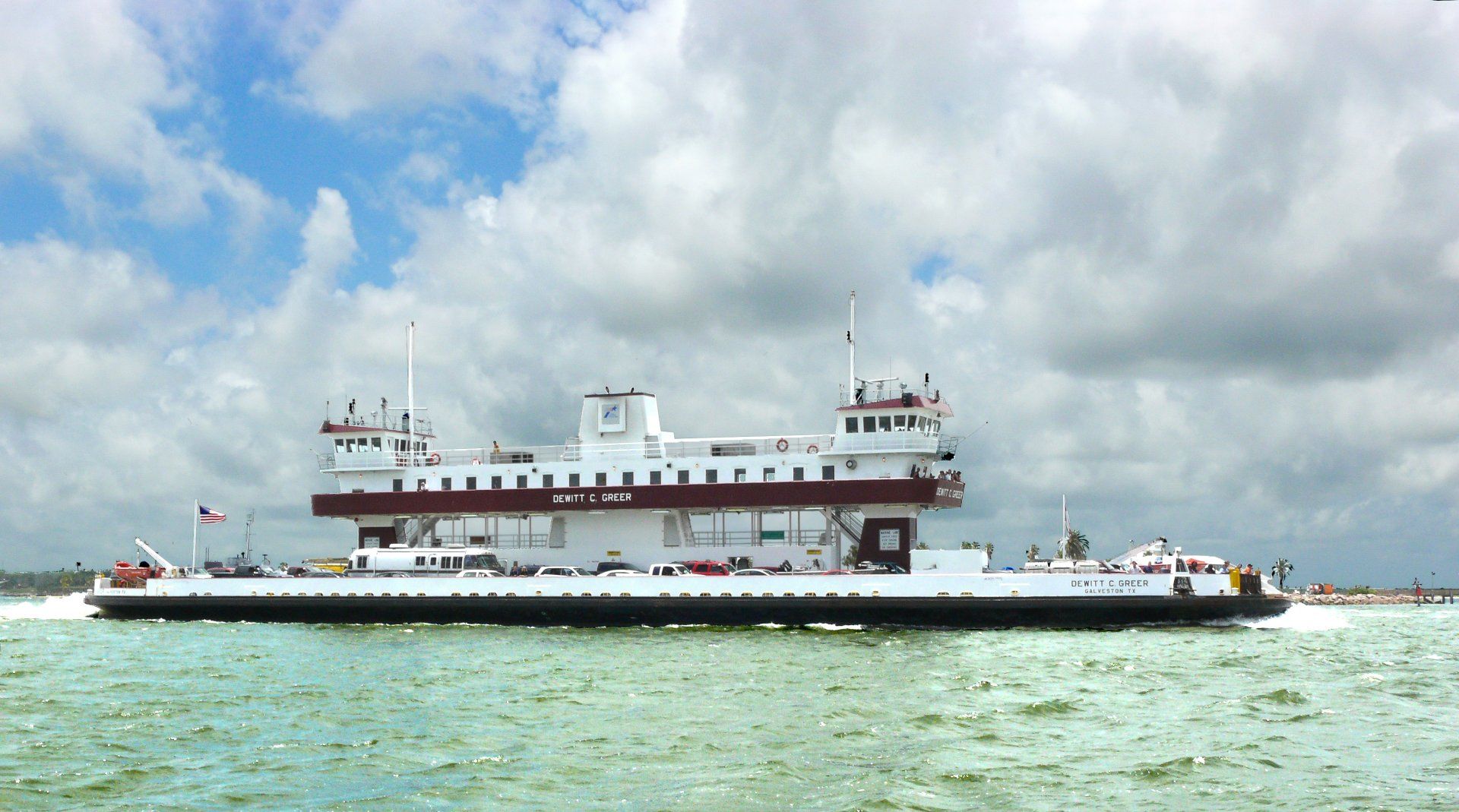
The dining scene on Bolivar Peninsula leans casual and coastal, with seafood shacks, bait-and-tackle shops, and laid-back bars defining the local flavor — particularly along the Crystal Beach strip. The vibe is unpretentious and genuinely local. Those exploring bolivar peninsula homes for sale often discover that the peninsula's small-town, come-as-you-are character is as much a draw as the real estate itself. The free Galveston-Bolivar Ferry, running between Port Bolivar and Galveston Island, adds a scenic excursion option and connects residents to the broader dining and cultural amenities of Galveston, just a short ride across Bolivar Roads.
Latest Properties in Bolivar Peninsula
Loading latest properties...
History
From Privateers to Permanent Residents: A Brief History of Bolivar Peninsula
Bolivar Peninsula's story begins long before European contact, with the Karankawa people fishing and hunting along its Gulf-facing shores. The peninsula acquired its name in 1816, honoring Venezuelan liberator Simón Bolívar — likely through the influence of figures connected to early privateering operations in the Galveston Bay area, including Louis-Michel Aury and James Long, whose forces used the peninsula as a base beginning in 1819. Fort Las Casas followed in 1820, establishing the peninsula's early strategic importance.
Permanent civilian settlement took root when Samuel D. Parr arrived in 1838, founding what would become Port Bolivar. By the late 1800s, the peninsula had reinvented itself as an agricultural powerhouse, earning the nicknames "Breadbasket of Galveston" and "Watermelon Capital of Texas." The Gulf & Interstate Railway connected the peninsula to Beaumont and Galveston from 1896 to 1942, and the free ferry service from Galveston, established in 1934, opened the door to broader tourism and residential development.
That accessibility gradually transformed the peninsula from a working agricultural community into a coastal retreat. Crystal Beach, the most populated community, was even incorporated briefly from 1971 to 1987. Then came Hurricane Ike in September 2008, which devastated the peninsula and drove the population from roughly 3,853 in 2000 down to 2,417 by the 2010 census. Recovery was slow but steady, and today the population has climbed back toward 3,000.
That resilience defines the current market. Those browsing bolivar peninsula homes for sale will find a community that has rebuilt with intention — where modest beach cottages, elevated new construction, and vacation properties coexist along the same 27 miles of shoreline that have drawn people here for two centuries.
Weather
A Gulf Coast Climate Built for Outdoor Living
Bolivar Peninsula sits squarely within a humid subtropical climate zone (Köppen Cfa), shaped almost entirely by its position as a narrow barrier island flanked by the Gulf of Mexico to the south and Galveston Bay to the north. That marine influence is the defining force behind nearly every aspect of the local weather — moderating extremes, loading the air with moisture, and keeping residents tuned to the rhythms of the Gulf year-round.
Summers are long, hot, and unmistakably humid, with average high temperatures hovering around 90°F in July, though persistent southerly sea breezes — typically 10 to 15 mph — make the heat more bearable than inland areas at the same latitude. Winter is mild by most measures, with January lows averaging near 49°F, though periodic cold fronts can push temperatures briefly into the 30s. Snow is exceedingly rare. Annual rainfall totals roughly 51 inches, with the heaviest precipitation falling between June and September, driven by Gulf thunderstorms and tropical systems. The peninsula's low elevation — averaging just a few feet above sea level — makes hurricane preparedness a genuine and ongoing concern for residents and property owners alike.
For those browsing bolivar peninsula homes for sale, the climate is both an asset and a planning consideration. The long warm season is ideal for outdoor living, fishing, and beachfront enjoyment, but homes require robust storm protection, corrosion-resistant materials, and efficient cooling systems. Elevated construction, impact-rated windows, and proper drainage are standard features buyers should prioritize in this environment.
Bolivar Peninsula Market Analytics
Can I Afford Bolivar Peninsula?
Weather