
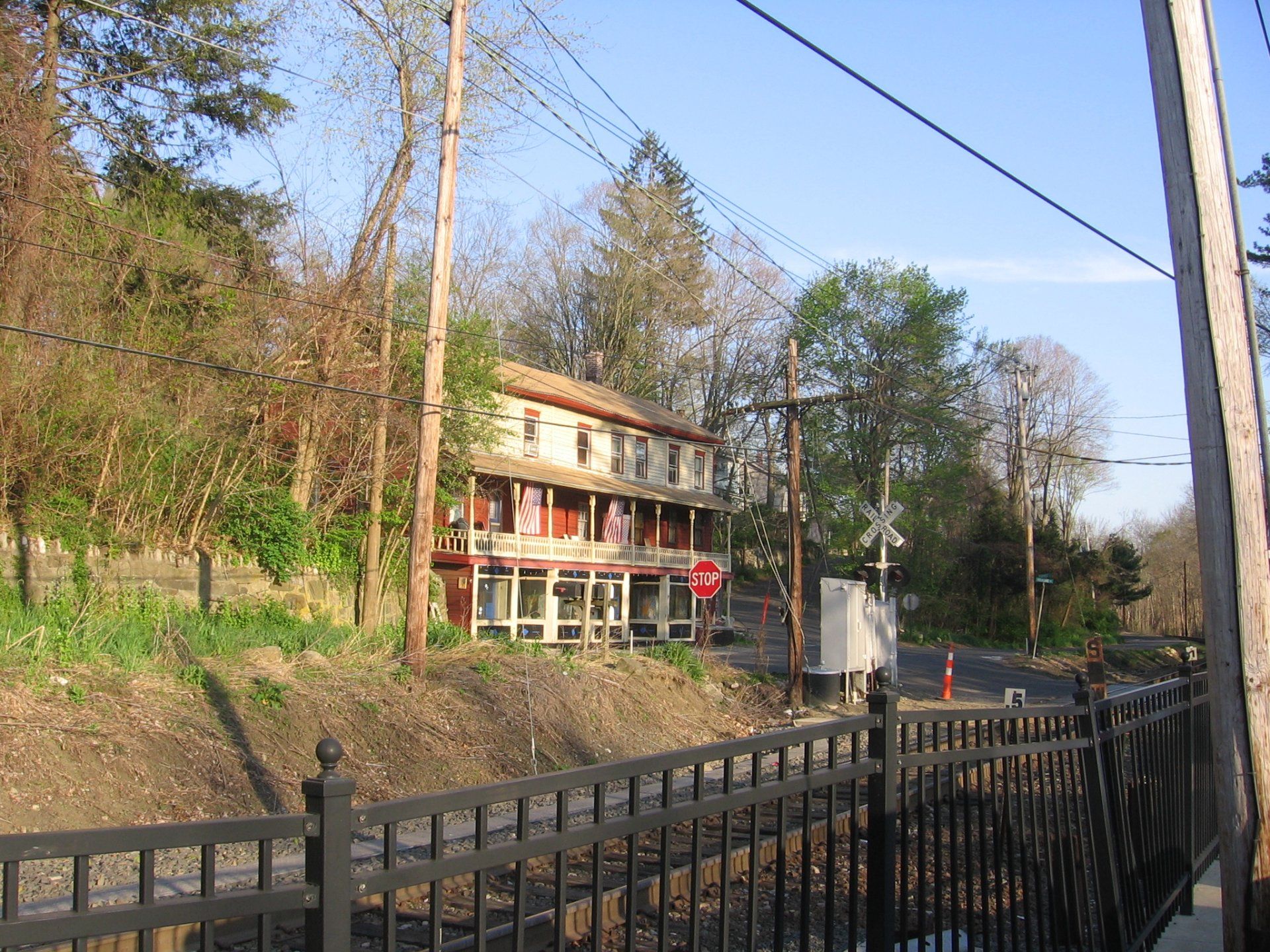
Branchville, Connecticut

Location:
Branchville, CT

Welcome to Branchville

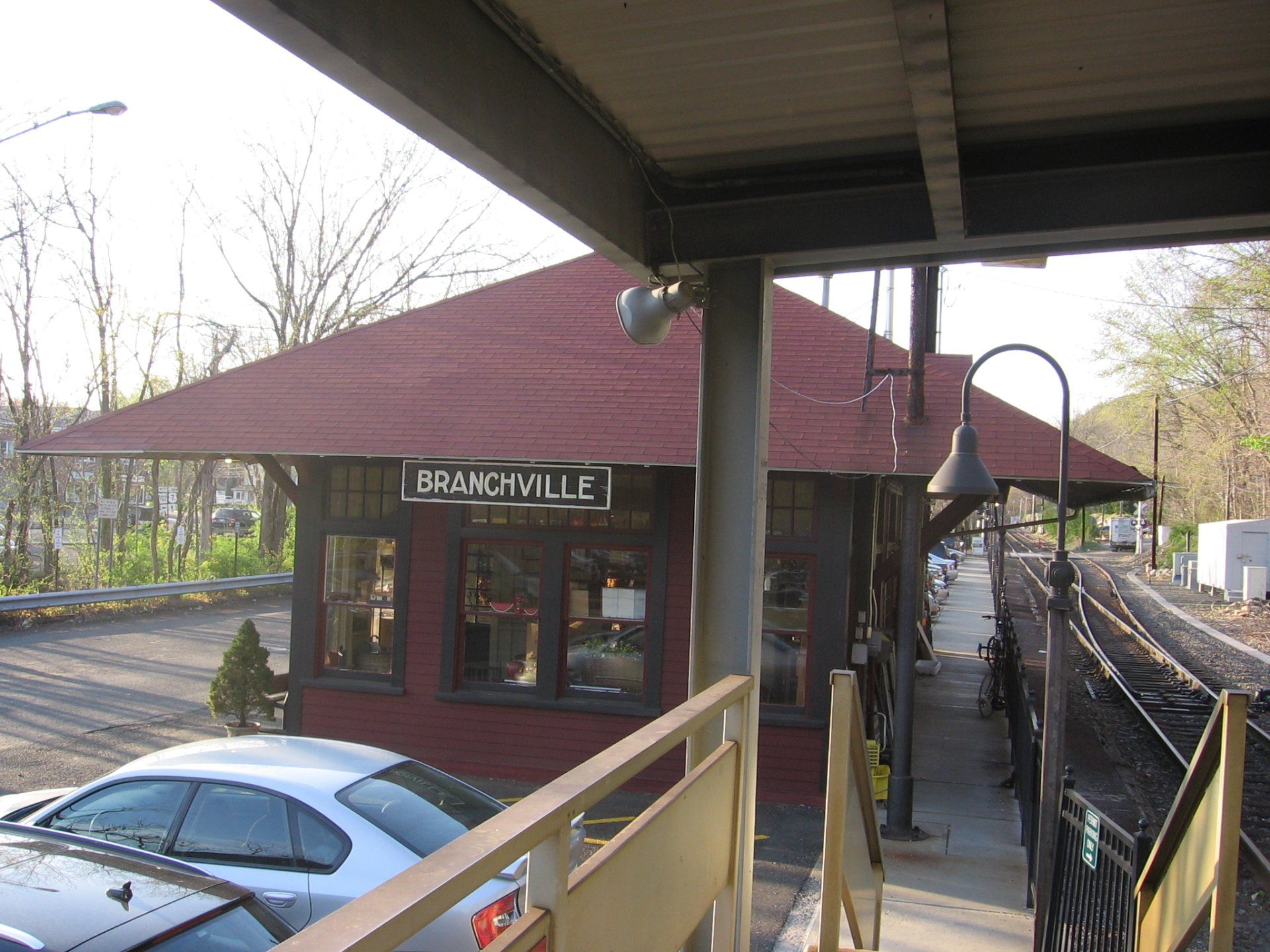
Situated at the intersection of U.S. Route 7 and Connecticut Route 102 in the southeastern corner of Ridgefield, Fairfield County, Branchville traces its identity directly to the arrival of the Danbury and Norwalk Railroad in 1852 — a heritage still very much alive today. Unlike the broader town of Ridgefield, which draws buyers primarily for its acclaimed school district and classic New England town center, Branchville offers something rarer: a compact, historically layered village where a working commuter rail station puts Midtown Manhattan within reach on a daily basis.

The Branchville station on Metro-North's Danbury Branch remains the community's defining anchor, making it a practical choice for professionals who want genuine countryside without sacrificing connectivity. Just beyond the village edge, Weir Farm National Historical Park — the preserved home and studio of American Impressionist painter J. Alden Weir — adds a cultural dimension few communities of any size can claim. With a median home price of $800,000 and a median household income exceeding $173,000, Branchville attracts buyers who understand the value of scarcity: only about 50 buildings occupy its 0.2 square miles of Norwalk River valley terrain.

For buyers who want history, nature, and a direct rail link to New York City in one small package, Branchville's best days are still ahead.


Community Profile

Tucked into the quiet hills of Ridgefield in Fairfield County, this small enclave is one of Connecticut's most intimate communities — with a total population of just 88 residents spread across 78 housing units. That sense of smallness is, for many, precisely the appeal. Branchville carries the unhurried character of a village that has largely opted out of the rush, and its demographic profile reflects that ethos clearly.

The community skews decidedly toward established, later-life residents, with a median age of 60.2 years — well above the national median of 38.5 — and nearly all residents falling between the ages of 50 and 69. More than 28% of residents are 65 or older, making this a natural fit for those seeking a peaceful semi-rural setting for retirement or a quieter second chapter. Notably, the community reports a 0% poverty rate and 0% uninsured rate, suggesting a population that is financially stable and well-supported. A labor force participation rate of 60.2% indicates that many residents remain active and engaged, whether professionally or otherwise. While the median household income of $36,250 sits modestly below national norms, roughly 14.1% of households earn six figures, hinting at meaningful income diversity within this tiny pocket of Western Connecticut. For those drawn to a close-knit, low-density lifestyle within reach of the Bridgeport-Stamford-Danbury metro corridor, Branchville offers something increasingly rare: genuine stillness.

Things to Do

Outdoor Recreation

Despite its compact footprint, Branchville punches well above its weight when it comes to outdoor adventure. Weir Farm National Historical Park is the crown jewel of the area — a 68-acre preserved landscape that once served as the creative retreat of American Impressionist painter J. Alden Weir. Visitors can walk the same meadows and woodland paths that inspired generations of painters, sketch en plein air at designated art sites, and tour Weir's historic home and studios. It remains one of the only national parks in the country dedicated to the visual arts and American painting. The Norwalk River Valley Trail and the Ridgefield Rail Trail both connect through the area, offering accessible routes for hiking, cycling, and nature walks through the wooded Appalachian foothills that frame the narrow valley.

Arts & Culture

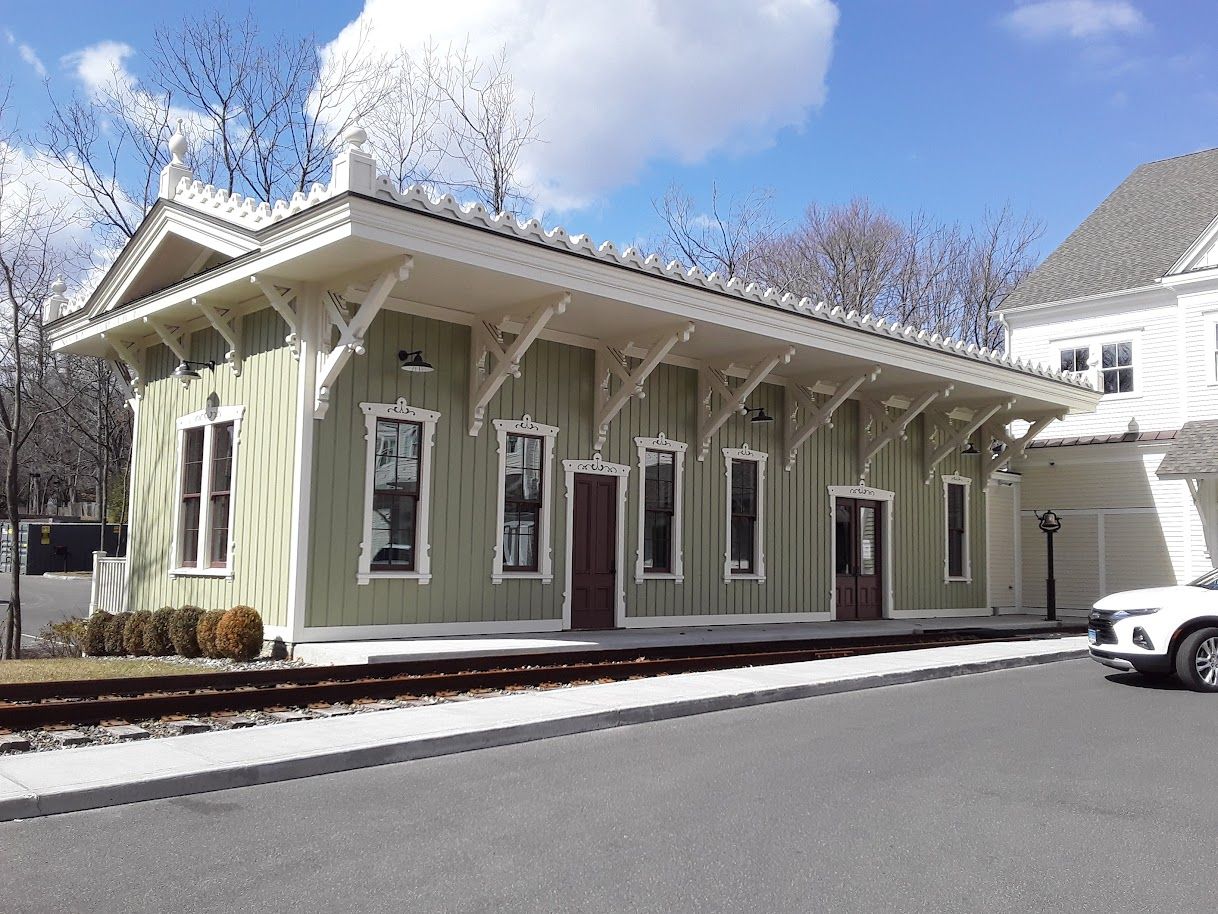
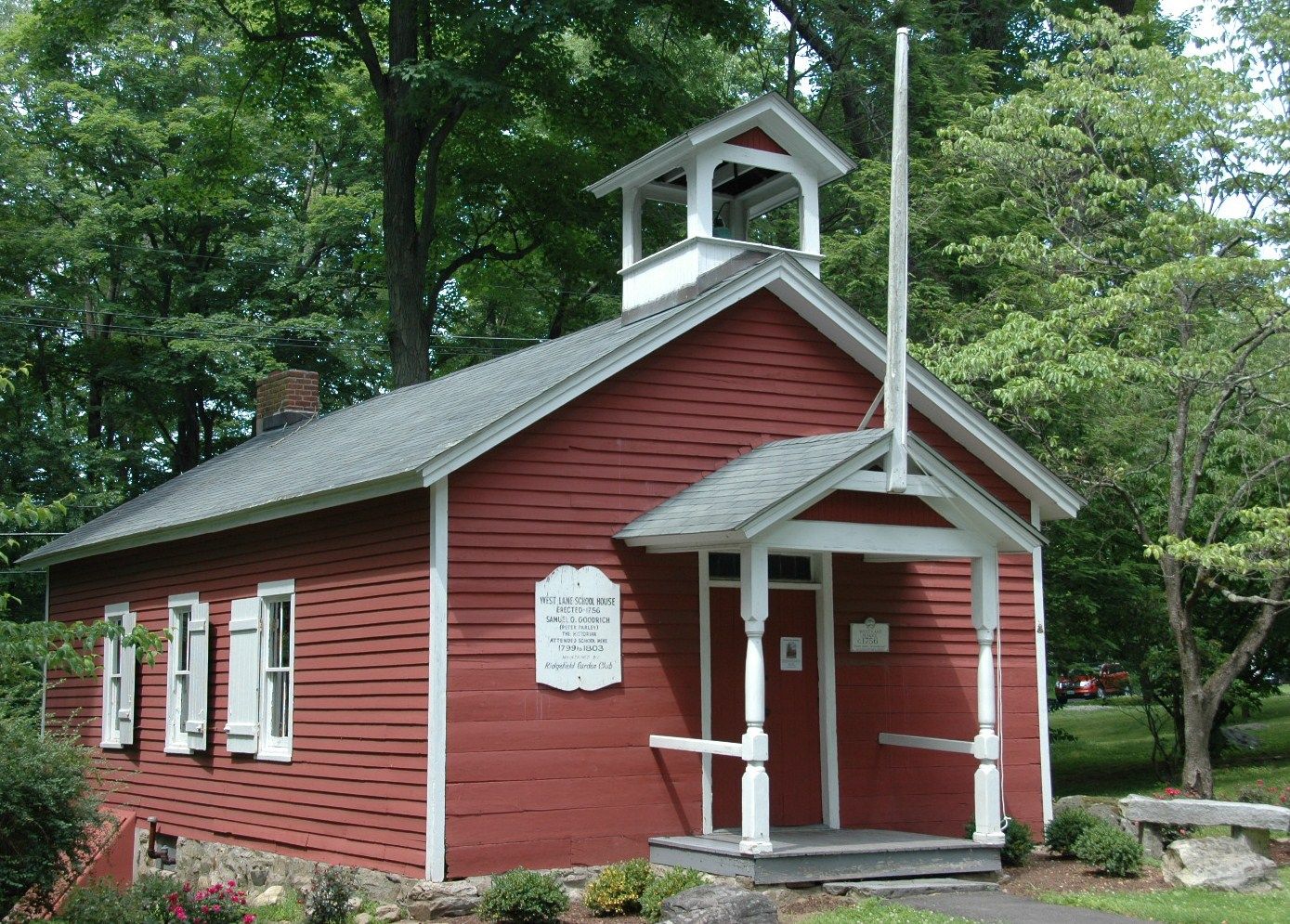
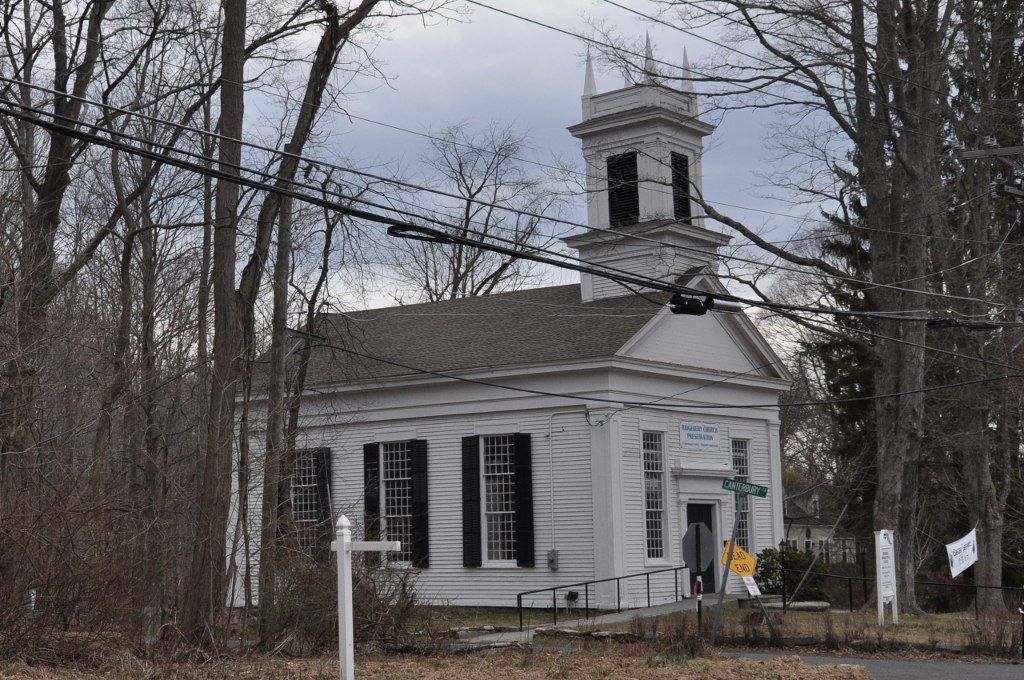
Branchville carries a surprisingly rich cultural legacy for such a small community. Weir Farm National Historical Park hosts rotating exhibitions, guided tours, and seasonal art programs that draw visitors from across the region. The Branchville Railroad Tenement, listed on the National Register of Historic Places, stands as a tangible reminder of the immigrant workers — many of them Italian — who shaped this community in the late 19th and early 20th centuries. Architecture enthusiasts will appreciate the village's collection of Greek Revival, Italianate, and Colonial Revival structures, most of which predate 1970 and give Branchville its distinctly preserved New England character.

Dining & Shopping

Branchville's small scale means that dining and retail options are intimate and locally oriented, with small-scale businesses clustered along Route 7 (Ethan Allen Highway). For a broader range of restaurants, boutiques, and specialty shops, the charming downtown of Ridgefield center is just a short drive north — one of Connecticut's most celebrated village centers, with a walkable main street full of independent restaurants and galleries.

Family Activities & Day Trips

Families enjoy easy access to the Branchville Metro-North station, which makes spontaneous day trips to Stamford or New York City genuinely effortless. Closer to home, the forested hills surrounding the valley offer seasonal pleasures — fall foliage hikes, winter snowshoeing, and spring wildflower walks along the Norwalk River corridor make every season feel worth exploring.

Latest Properties in Branchville

Loading...

Loading latest properties...

See All Properties in Branchville

History

From Railroad Junction to Sought-After Village

Branchville's story begins in earnest with the arrival of the Danbury and Norwalk Railroad in 1852, which threaded through the narrow Norwalk River valley and transformed what had been a quiet stretch of Fairfield County countryside into a working industrial node. The community took its name in 1870, when a branch line extended northward to central Ridgefield — making this small junction the literal branching point of the regional rail network. Goods flowed south to Norwalk; workers and commerce followed the tracks in.

The late 19th century brought waves of Italian immigrants who settled around the railroad and found work in local industries, including operations tied to the nearby Fillow Quarry in Redding, a granite pegmatite site that yielded rare minerals like mica from the 1870s into the 1940s. Their presence shaped the community's social fabric, and the Branchville Railroad Tenement — a National Register-listed structure built in phases between circa 1853 and 1905 — stands as a physical record of that working-class history. Meanwhile, in 1882, American Impressionist painter J. Alden Weir purchased a 153-acre farm just outside the village, drawing fellow artists like Childe Hassam and John Twachtman and cementing Branchville's quiet reputation as a place of uncommon beauty. That farm is now Weir Farm National Historical Park.

The construction of Route 7 in the 1920s layered automobile commerce atop the railroad economy, and the roughly 50 buildings that survive today — 80% of them predating 1970 — reflect Greek Revival, Italianate, and Colonial Revival styles that give the village its architectural coherence. That preserved historic character, combined with Metro-North commuter access to New York City, directly underpins today's median home price of $800,000: buyers are paying for history, landscape, and connectivity in equal measure.

Weather

Four Distinct Seasons in the Connecticut Highlands

Branchville, Connecticut experiences a humid continental climate, the defining weather pattern of interior southwestern Connecticut and the broader Appalachian foothills region. Residents enjoy — and prepare for — four genuinely distinct seasons, each with its own character and demands.

Summers are warm and humid, with daytime highs typically reaching the low-to-mid 80s°F and overnight lows settling into the upper 50s to mid-60s°F. The valley topography can trap heat and humidity on the most sultry July and August days, making air conditioning a practical necessity rather than a luxury. Winters are cold and snowy, with average highs in the low-to-mid 30s°F and lows that regularly dip into the teens and low 20s°F. Snowfall is meaningful and reliable, with the surrounding hills occasionally intensifying accumulation compared to coastal Fairfield County towns just a short distance to the south.

Precipitation is fairly well distributed throughout the year, averaging roughly 45–50 inches annually, with no pronounced dry season. Spring and fall are transitional and often spectacular — fall foliage in the wooded hills surrounding Branchville is a genuine seasonal highlight.

For prospective homeowners, the climate has real implications. Heating costs are a significant budget consideration given the length and severity of winters. The Norwalk River floodplains nearby add a flood-risk dimension worth evaluating carefully. Outdoor living spaces are genuinely usable from late spring through early fall, and the snowy winters lend the village an undeniably picturesque New England charm.

Branchville Market Analytics

The Branchville market is showing signs of stability with a 7.2% increase in average home value over the past year, reaching $977,266, according to data from Opulist. This suggests the market is balancing, with homes taking around 31 days to go pending, indicating a moderate pace of sales. Overall, the market trends indicate a healthy and steady real estate environment in Branchville.


1-Year Home Value Change: +7.2%

Branchville Home Value Index over time.

Can I Afford Branchville?
$
%
$0
Est. Monthly Payment
$0/yr
Salary Required

*Principal & interest only. Salary based on 28% debt-to-income ratio.

Get Pre-Approved for Branchville