
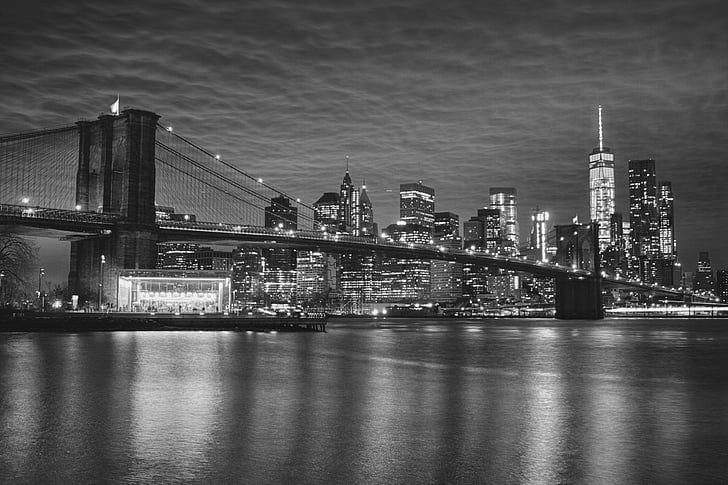
BROOKLYN, New York

Location:
BROOKLYN, NY

Welcome to BROOKLYN

Chartered as an independent city in 1834 and consolidated into New York City on January 1, 1898, Brooklyn occupies the southwestern tip of Long Island as the most populous of New York City's five boroughs — home to more than 2.7 million residents across 70.82 square miles of Kings County. What sets Brooklyn apart from its neighbors is a combination of scale and identity: it is simultaneously a borough of the world's most recognizable city and a place with its own unmistakable character, one so distinct that, had it never merged with Manhattan, it would rank today as the fourth-largest city in the United States.

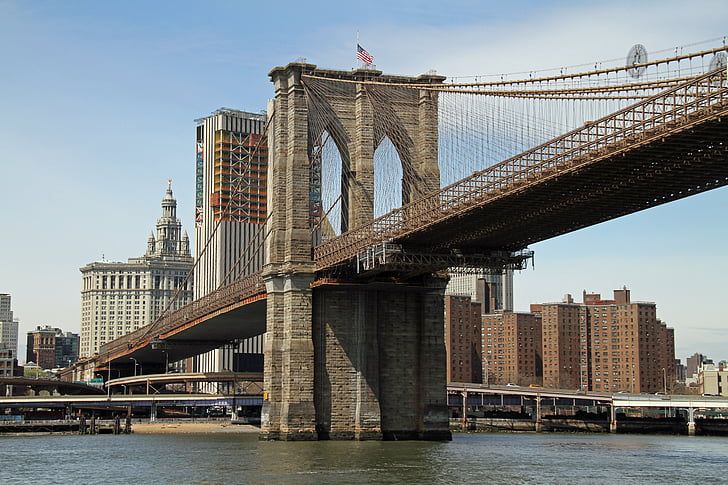
From the Brooklyn Bridge — completed in 1883 as the longest suspension bridge in the world at the time — to the sweeping meadows of Prospect Park, the borough layers centuries of history onto a living, evolving landscape. Neighborhoods like Brooklyn Heights, DUMBO, Park Slope, and Bushwick each carry their own architectural DNA and cultural identity. Institutions such as Brooklyn College and the NYU Tandon School of Engineering anchor a growing knowledge economy alongside a booming tech and creative sector. For buyers and investors who want proximity to Manhattan without surrendering a sense of place, Brooklyn remains one of the most compelling long-term bets in American real estate.


Community Profile

One of the most iconic urban communities in the world, Brooklyn is home to 2,736,074 residents spread across Kings County — making it more populous than the vast majority of American cities in its own right. With a population density of 15,200 people per square mile, this is unmistakably city living at its most vibrant, where walkable streets, world-class transit, and a density of culture, cuisine, and commerce create an environment that few places on earth can match.

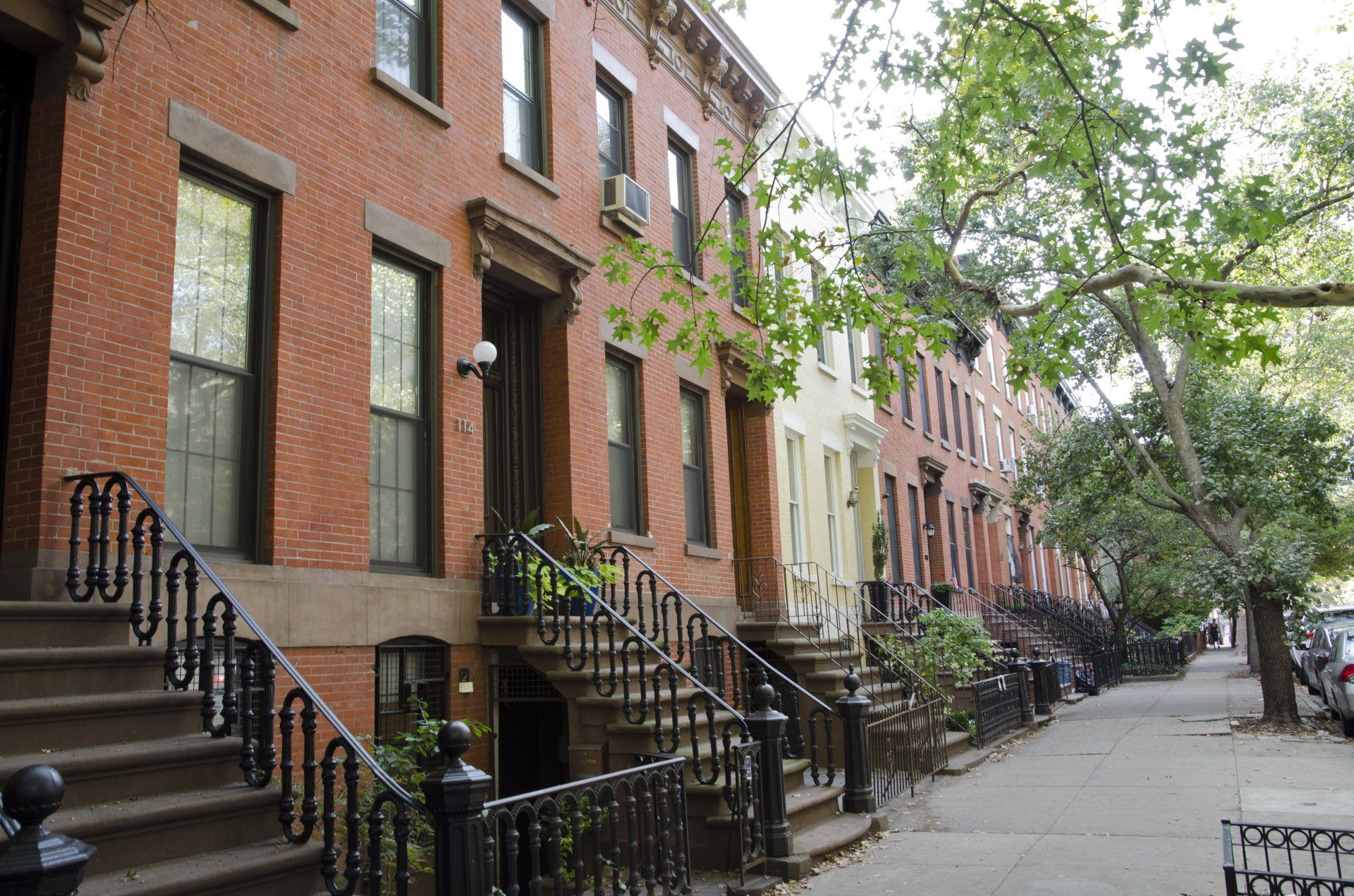
For home buyers, that density translates directly into lifestyle value. Everyday errands, commutes, schools, parks, and entertainment are woven into the fabric of the neighborhood itself — no car required. Brooklyn's position within the New York–Newark–Jersey City metro area, the largest in the United States, means residents enjoy access to an unparalleled job market spanning finance, tech, healthcare, media, and the arts. Whether you're drawn to the brownstone-lined blocks of Park Slope, the waterfront energy of DUMBO, or the creative pulse of Bushwick, Brooklyn rewards buyers with a depth of neighborhood character that is genuinely rare. Buying here means planting roots in a community with enduring demand, cultural richness, and the kind of urban connectivity that continues to attract ambitious, creative, and diverse residents from around the globe.

Things to Do

Outdoor Recreation

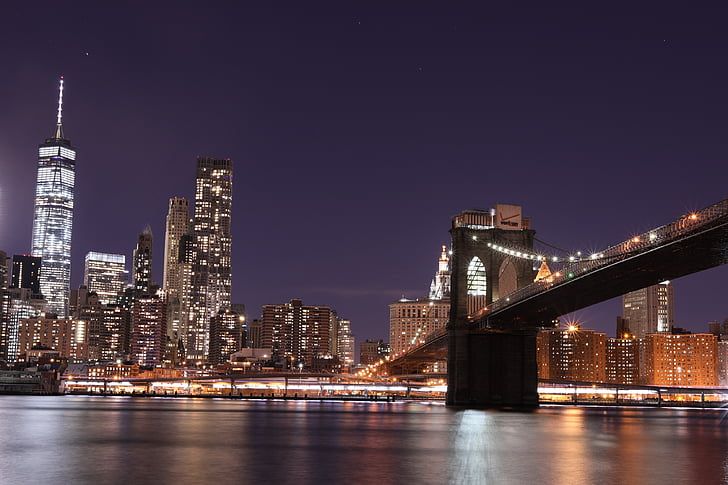
Brooklyn's green spaces are as legendary as its skyline views. Prospect Park, the 585-acre masterpiece designed by Frederick Law Olmsted and Calvert Vaux — the same duo behind Central Park — anchors the borough's outdoor life with meadows, a lake, a bandshell, and miles of walking and cycling paths. The park hosts Celebrate Brooklyn!, a beloved summer concert series that draws thousands to free and ticketed performances under the stars. Along the waterfront, Brooklyn Bridge Park stretches along the East River with jaw-dropping views of the Manhattan skyline and the iconic Brooklyn Bridge itself, offering kayaking, playgrounds, and pop-up events throughout the warmer months.

Arts & Culture

Few boroughs in the world pack this much cultural firepower into one place. The Brooklyn Museum — one of the largest art museums in the United States — houses an encyclopedic collection spanning ancient Egyptian artifacts to contemporary American art. In DUMBO, converted warehouses now shelter galleries, design studios, and performance spaces, making it one of the city's most dynamic arts districts. The neighborhood of Bushwick is an open-air gallery unto itself, its building facades covered in large-scale murals that draw visitors year-round and culminate in the annual Bushwick Collective Block Party each June.

Dining & Neighborhoods

Williamsburg and Park Slope offer some of the most exciting dining in New York City, with an ever-evolving mix of farm-to-table bistros, international street food, craft cocktail bars, and celebrated bakeries. The Smorgasburg open-air food market, held weekends at Prospect Park and the waterfront, is a Brooklyn institution showcasing dozens of local vendors and innovative food concepts. For a taste of old Brooklyn, Coney Island delivers nostalgia with its historic boardwalk, Luna Park rides, and the legendary Nathan's Famous hot dogs.

Sports & Family Activities

Basketball fans flock to Barclays Center to watch the Brooklyn Nets and the New York Liberty, while the arena also hosts major concerts and events year-round. Families love the Brooklyn Children's Museum in Crown Heights — the world's first museum designed specifically for children — and the New York Aquarium on the Coney Island boardwalk, where sea lions, sharks, and walruses delight visitors of all ages.

Latest Properties in BROOKLYN

Loading...

Loading latest properties...

See All Properties in BROOKLYN

History

Brooklyn's story begins in 1646, when Dutch Director-General Willem Kieft chartered the township of Breuckelen on the southwestern shore of Long Island, naming it after a town in Utrecht province in the Netherlands. The settlement grew alongside five neighboring Dutch towns — Flatbush, Flatlands, Gravesend, New Utrecht, and Bushwick — each of which left a lasting imprint on Brooklyn's neighborhood geography that persists to this day. When the English seized New Netherland in 1664, they preserved Dutch land titles under the Articles of Capitulation, a legal continuity that helped stabilize property ownership patterns for generations.

By 1834, Brooklyn had consolidated into a chartered independent city, and by the mid-19th century it ranked as the third-largest city in the United States, a bustling port and manufacturing hub connected to Manhattan by the Brooklyn Bridge, completed in 1883 as the world's longest suspension bridge at the time. That connection accelerated residential development across the borough's interior neighborhoods. On January 1, 1898, Brooklyn was absorbed into the newly consolidated City of Greater New York — a controversial merger that Brooklyn residents had actively opposed — transforming it from an independent metropolis into a borough, though one that fiercely maintained its distinct identity.

The 20th century brought waves of immigration, postwar suburbanization, and eventual urban decline, followed by a dramatic renaissance beginning in the 1990s. Neighborhoods like Williamsburg, DUMBO, and Park Slope — once industrial or working-class — became magnets for artists, entrepreneurs, and eventually affluent professionals, driving median home prices to $999,000 today. Brooklyn's colonial street grids, 19th-century brownstone rowhouses, and converted factory lofts now form the physical backbone of one of the most sought-after real estate markets in the country.

Weather

Brooklyn's Climate and What It Means for Homeowners

Brooklyn experiences a humid subtropical climate — the same classification that applies to much of the New York City metro area — characterized by four distinct seasons, meaningful precipitation year-round, and the moderating influence of its coastal position at the western tip of Long Island. The borough is surrounded on multiple sides by water, with the East River to the west, Upper New York Bay to the southwest, and the Atlantic Ocean not far to the south, and this maritime setting softens temperature extremes compared to inland areas at similar latitudes.

Summers are warm and humid, with daytime highs typically ranging from the mid-80s°F and occasional heat waves pushing temperatures into the low 90s. Overnight lows generally settle in the upper 60s to low 70s. Winters are cold but rarely severe by northeastern standards — average highs hover in the mid-30s to low 40s°F, with lows dipping into the 20s during the coldest stretches. Snowfall occurs most winters, though heavy accumulations are intermittent.

Precipitation is fairly evenly distributed throughout the year, averaging around 46–50 inches annually, with no pronounced dry season. Nor'easters can bring significant snow or rain in late winter and early spring, and coastal flooding remains a real concern for low-lying waterfront neighborhoods — a lesson reinforced dramatically by Hurricane Sandy in 2012.

For prospective buyers, Brooklyn's climate means budgeting for both air conditioning in summer and heating in winter, along with routine maintenance considerations like roof inspections after storms, proper insulation in older brownstones, and awareness of flood zone designations near the waterfront.

BROOKLYN Market Analytics

The Brooklyn real estate market is showing signs of stability and growth, with the average home value increasing by 5.5% over the past year to $936,378, according to data analyzed by Opulist. This suggests that the market is balancing, with a relatively stable sale-to-list price ratio and a moderate pace of new listings. Additionally, the fact that 23.6% of sales are above list price indicates a competitive market, but not overwhelmingly so, making it a good time for buyers and sellers to engage with the market.


1-Year Home Value Change: +5.5%

BROOKLYN Home Value Index over time.

Can I Afford BROOKLYN?
$
%
$0
Est. Monthly Payment
$0/yr
Salary Required

*Principal & interest only. Salary based on 28% debt-to-income ratio.

Get Pre-Approved for BROOKLYN