Cape Coral, Florida

Location:
Cape Coral, FL

Welcome to Cape Coral

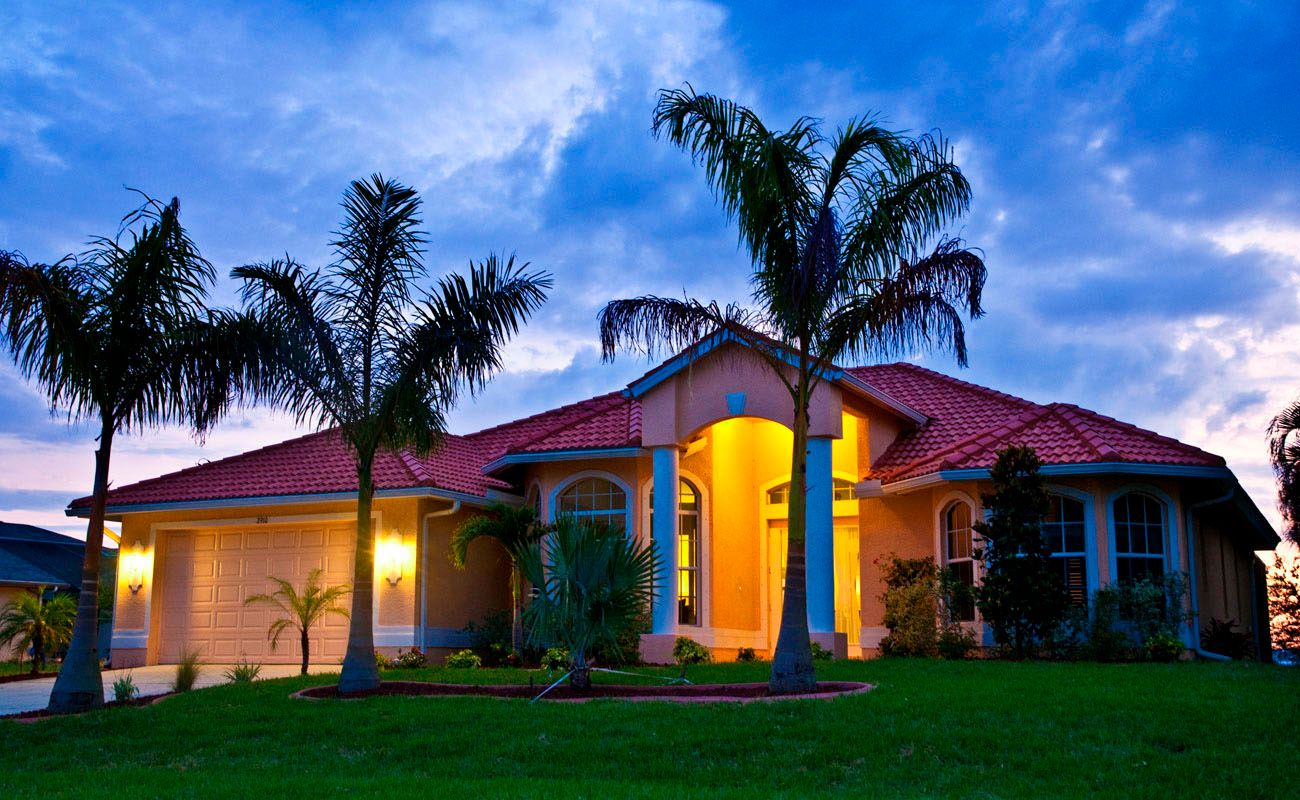
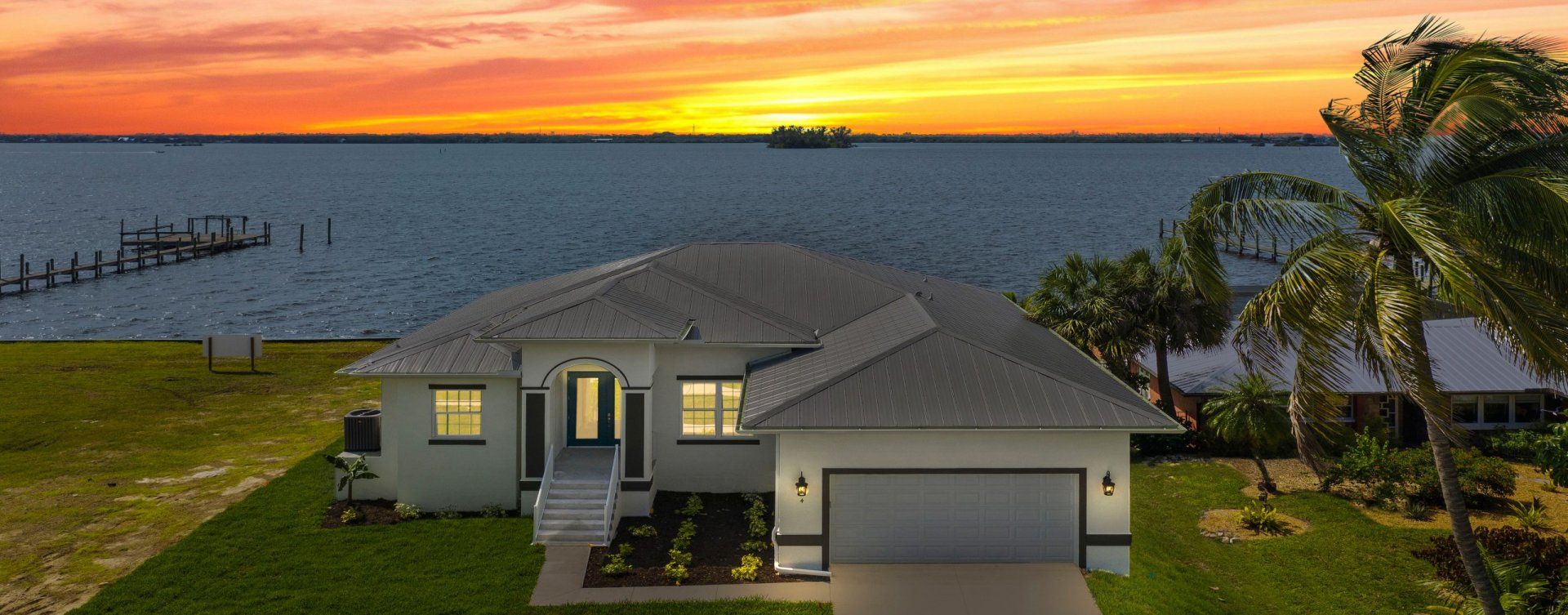
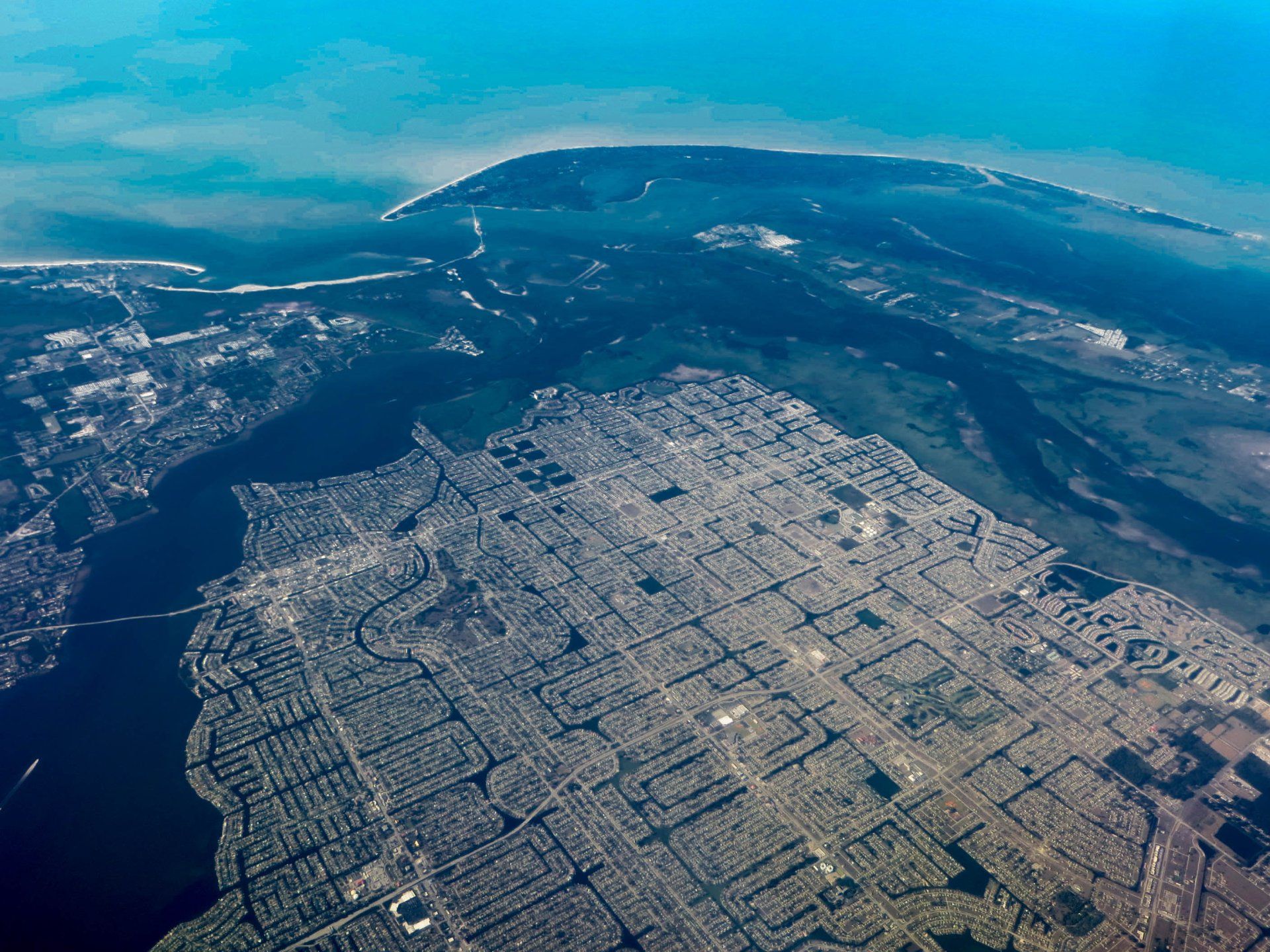
Founded in 1957 on a 103-square-mile peninsula in Lee County, Cape Coral, Florida is one of the most distinctive cities on the Gulf Coast — and not just because of its size. What truly sets it apart is its 400-mile network of navigable canals, the most extensive of any city on earth, giving thousands of residential properties direct access to the water. While neighboring Fort Myers sits just across the Caloosahatchee River, Cape Coral offers something Fort Myers simply cannot match: the sheer scale of waterfront living at a relatively accessible price point, with a median home price around $350,000.

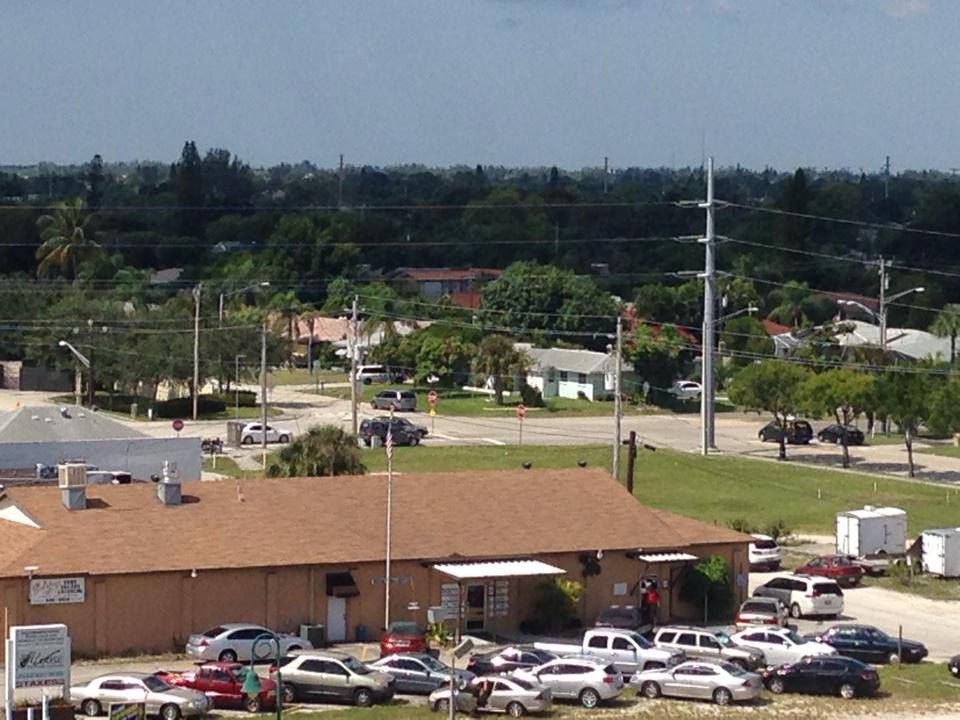
The city is also the largest between Tampa and Miami by both land area and population, yet it maintains a character shaped by boating, outdoor recreation, and year-round sunshine — averaging over 260 sunny days annually. Rotary Park, one of the city's beloved natural spaces, draws wildlife enthusiasts to its boardwalks and bird habitats, while the Lee County school district serves the city's growing families. Whether you're browsing cape coral homes for sale as a primary residence or evaluating investment potential in a city projected to nearly double its current population at full buildout, Cape Coral represents one of Florida's most compelling long-term opportunities.

Community Profile

Settled and sun-soaked, Cape Coral draws a community that has largely made up its mind about where it wants to be. With a median age of 48.6 years and fully one in four residents over 65, this is a city shaped by people who chose Southwest Florida intentionally — retirees, semi-retirees, and experienced professionals who traded harsh winters for waterfront living. Yet the presence of young families keeps the energy balanced: nearly 20% of residents are under 20, and the average family size of 3.05 persons reflects a community with real roots, not just seasonal footprints.

The financial picture is quietly impressive. A median household income of $78,104 edges above the national average, and a striking 37.4% of households earn six figures or more — a sign of the wealth that has followed Cape Coral's growth into one of Florida's largest cities by land area. That prosperity shows up in the housing market: the homeownership rate of 77.2% far exceeds the national norm of 65.5%, and a median home value of $373,647 reflects genuine demand. For those browsing homes for sale in Cape Coral, FL, the combination of ownership culture and relative affordability compared to Miami or Naples is a compelling draw. The unemployment rate of just 3.8% and a veteran population of 8.1% round out a portrait of a stable, civically grounded community proud of where it has landed.

Things to Do

Outdoor Recreation & Waterways

Cape Coral's nickname — the "Waterfront Wonderland" — isn't just marketing. With more than 400 miles of navigable canals, more than any other city on earth, outdoor life here revolves around the water. Boating, kayaking, fishing, and paddleboarding are everyday pursuits, and launching from one of the city's public boat ramps puts you minutes from the Caloosahatchee River and the broader Gulf Coast. Sirenia Vista Park is a beloved local gem where West Indian manatees are regularly spotted from the shoreline, while Rotary Park Environmental Center offers boardwalk trails through natural habitat teeming with raptors, wading birds, butterflies, and foxes. Cape Coral also holds the distinction of supporting Florida's largest population of burrowing owls — a quirky and charming piece of local wildlife lore.

Parks & Family Activities

Families have no shortage of options. SunSplash Waterpark is a perennial favorite, offering slides and splash attractions that make the subtropical heat entirely manageable. Lake Kennedy features a boardwalk where visitors can track exotic birds and native fish in a peaceful setting. The city's extensive park system spans dozens of neighborhood and community parks, many with athletic fields, picnic pavilions, and direct water access — ideal for families browsing cape coral houses for sale who want recreation close to home.

Golf

Golf is woven into Cape Coral's identity as a premier Gulf Coast destination. Coral Oaks Golf Course, a public Arthur Hills-designed course, is consistently praised for its challenging layout and well-maintained conditions, drawing players from across Lee County and beyond.

Dining & Local Flavor

Cape Coral's dining scene reflects its waterfront lifestyle, with a strong concentration of seafood restaurants, casual tiki bars, and waterside eateries clustered along Cape Coral Parkway and near the downtown corridor. Fresh Gulf catch — grouper, snook, and stone crab in season — features prominently on local menus. The area across the Caloosahatchee River in Fort Myers, just minutes away via the Cape Coral Bridge, expands dining and entertainment options considerably.

Arts & Culture

The city supports a growing arts community with galleries, public murals, and performing arts events throughout the year. Seasonal festivals, outdoor concerts, and community markets are a regular part of Cape Coral's calendar, particularly during the dry-season months from November through April when the weather is at its finest and the population swells with snowbirds and visitors drawn to the Gulf Coast lifestyle.

Latest Properties in Cape Coral

Loading...

Loading latest properties...

See All Properties in Cape Coral

History

From Swampland to Waterfront Wonderland

Cape Coral's story is one of the most audacious real estate ventures in American history. In 1957, brothers Leonard and Jack Rosen, real estate developers from Baltimore, flew over a largely uninhabited peninsula called Redfish Point and saw opportunity where others saw swamp. They purchased roughly 103 square miles of marshland for $678,000 and immediately set about transforming it through their Gulf American Land Corporation — dredging canals, paving streets, and marketing an entirely new city to buyers across the country through chartered flights, celebrity endorsements from figures like Bob Hope, and dinner-party sales events in hotel banquet rooms.

The first four homes were completed in May 1958 on Riverside and Flamingo Drives, in what is now the established southern end of the city. By 1963, over 160 miles of canals had been dug and the population had reached 2,850. The opening of the Cape Coral Bridge in early 1964 — spanning 3,400 feet across the Caloosahatchee River — was transformative, cutting travel time to Fort Myers dramatically and accelerating residential demand. Financial troubles caught up with the Rosens, and Gulf American Land Corporation went bankrupt in 1967, but the city's momentum was unstoppable. Cape Coral was formally incorporated on August 18, 1970, with roughly 11,500 residents.

That original southern development corridor — built first, bridged first, and settled first — remains among the most desirable addresses today. The canal-front lots the Rosens once sold for a $20 down payment now anchor a market where the median home price sits around $350,000. For buyers exploring cape coral homes for sale, understanding this layered history helps explain why southern neighborhoods command premiums, why the canal system is the city's defining amenity, and why Cape Coral continues to attract new residents at a pace its founders could only have dreamed of.

Weather

Cape Coral sits comfortably within a tropical savanna climate (Köppen classification Aw), bordering on tropical monsoon — a distinction that sets it apart from much of the continental United States and makes it one of the most appealing warm-weather destinations in the country. The city enjoys an extraordinary amount of sunshine, with roughly 260 or more sunny days per year, and temperatures that rarely dip into uncomfortable territory.

Summers are hot and humid, with daytime highs typically climbing into the low-to-mid 90s°F and overnight lows settling in the mid-70s. The Gulf of Mexico's proximity moderates extreme heat spikes while also fueling the season's signature afternoon thunderstorms — brief, intense downpours that roll through and clear quickly. The wet season runs from May through October, delivering the bulk of Cape Coral's approximately 56 inches of annual rainfall. Winters are the city's crown jewel: highs in the low-to-mid 70s°F with lows occasionally dipping into the 50s, offering months of dry, pleasant weather that draws seasonal residents from across the country.

For those exploring cape coral homes for sale, the climate is a defining selling point. Outdoor living spaces — lanais, pools, and waterfront docks — are functional year-round, not just seasonal luxuries. Cooling costs dominate utility budgets during the long summer, while heating expenses remain minimal. Homeowners should also factor in hurricane season (June through November) and the importance of impact-resistant windows, flood insurance, and proper drainage — considerations that are simply part of responsible ownership in this rewarding Gulf Coast environment.

Cape Coral Market Analytics

The Cape Coral housing market is showing signs of balance, with the average home value decreasing by 9.2% over the past year to $335,921, indicating a potential shift in favor of buyers. According to data analyzed by Opulist, the market sale-to-list ratio is at 0.962, suggesting that sellers are negotiating prices, and with 81.3% of sales happening below list price, buyers have an advantage. Overall, the market is trending towards a more stable and buyer-friendly environment.


1-Year Home Value Change: -9.2%

Cape Coral Home Value Index over time.

Can I Afford Cape Coral?
$
%
$0
Est. Monthly Payment
$0/yr
Salary Required

*Principal & interest only. Salary based on 28% debt-to-income ratio.

Get Pre-Approved for Cape Coral