
Carmel, Indiana

Location:
Carmel, IN

Welcome to Carmel

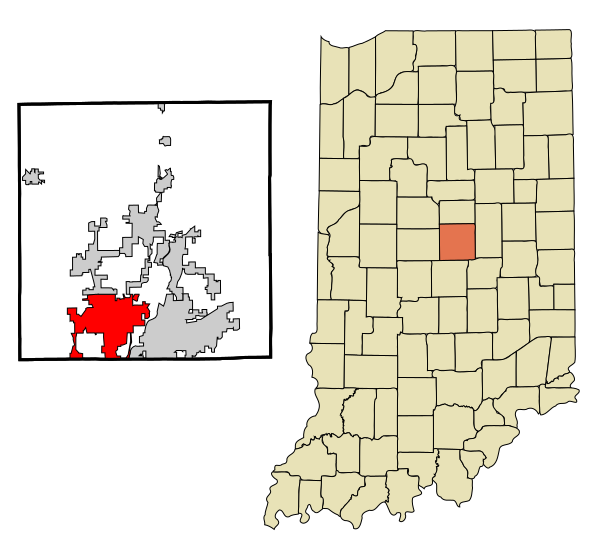
Carmel, Indiana sits in Hamilton County just north of Indianapolis along the US-31 corridor, and over the past two decades it has transformed from a quiet suburban town into one of the most sought-after addresses in the entire Midwest. Incorporated in 1874, the city has grown into a community of over 100,000 residents while maintaining a level of planning and investment that sets it apart from neighboring Fishers, Westfield, and Noblesville. Where other Hamilton County cities are still building their identities, Carmel has already earned national recognition — repeatedly ranking among the best places to live in America.

What makes Carmel genuinely distinctive is its commitment to walkable, arts-forward urbanism. The Carmel Arts & Design District anchors a downtown that feels more like a curated urban neighborhood than a suburban center, while the city's signature roundabout network keeps traffic moving efficiently without a single stoplight on many major corridors. Families consistently choose Carmel for the Carmel Clay Schools district, which maintains a strong academic reputation across the region. The Monon Trail, a converted rail corridor running through the heart of the city, connects neighborhoods to shops, parks, and the Arts District by foot or bike.

For those exploring homes for sale in Carmel, Indiana, the market reflects the city's ambition — diverse housing stock ranging from established neighborhoods to new luxury construction, all within reach of Indianapolis and its employment base. Carmel is not coasting on past success; with continued investment in infrastructure, culture, and quality of life, it is a city that rewards those who choose it early.


Community Profile

One of the most prosperous and well-educated communities in the entire Midwest, this Hamilton County city of 101,651 residents consistently ranks among the best places to live in America — and the numbers make clear why. The median household income here stands at a remarkable $141,505, nearly double the national median, and an extraordinary 64.6% of households earn six figures or more. That financial strength is reflected in the housing market: the median home value of $487,697 speaks to real demand from buyers who have the means to invest, while a homeownership rate of 74.3% — well above the national average of 65.5% — signals a community of committed, long-term residents. Those exploring homes for sale in Carmel, Indiana will find a market anchored by stability and pride of ownership.

The educational profile is equally striking. 74.3% of adults hold at least a bachelor's degree — more than twice the national rate — and nearly a third (31.7%) have earned a graduate degree. A stunning 47.2% of residents hold STEM credentials, reflecting the deep concentration of tech, life sciences, and engineering professionals who call this city home. Families are well-represented: 62.1% of residents are married, the average family size is 3.13, and children and teenagers together make up nearly 27% of the population. With an unemployment rate of just 2.7% and an average commute of 24.6 minutes to Indianapolis and beyond, daily life here is defined by opportunity without sacrifice. The poverty rate of 3.9% and an uninsured rate of just 3.3% round out a portrait of a community where residents genuinely thrive.

Things to Do

Arts & Culture

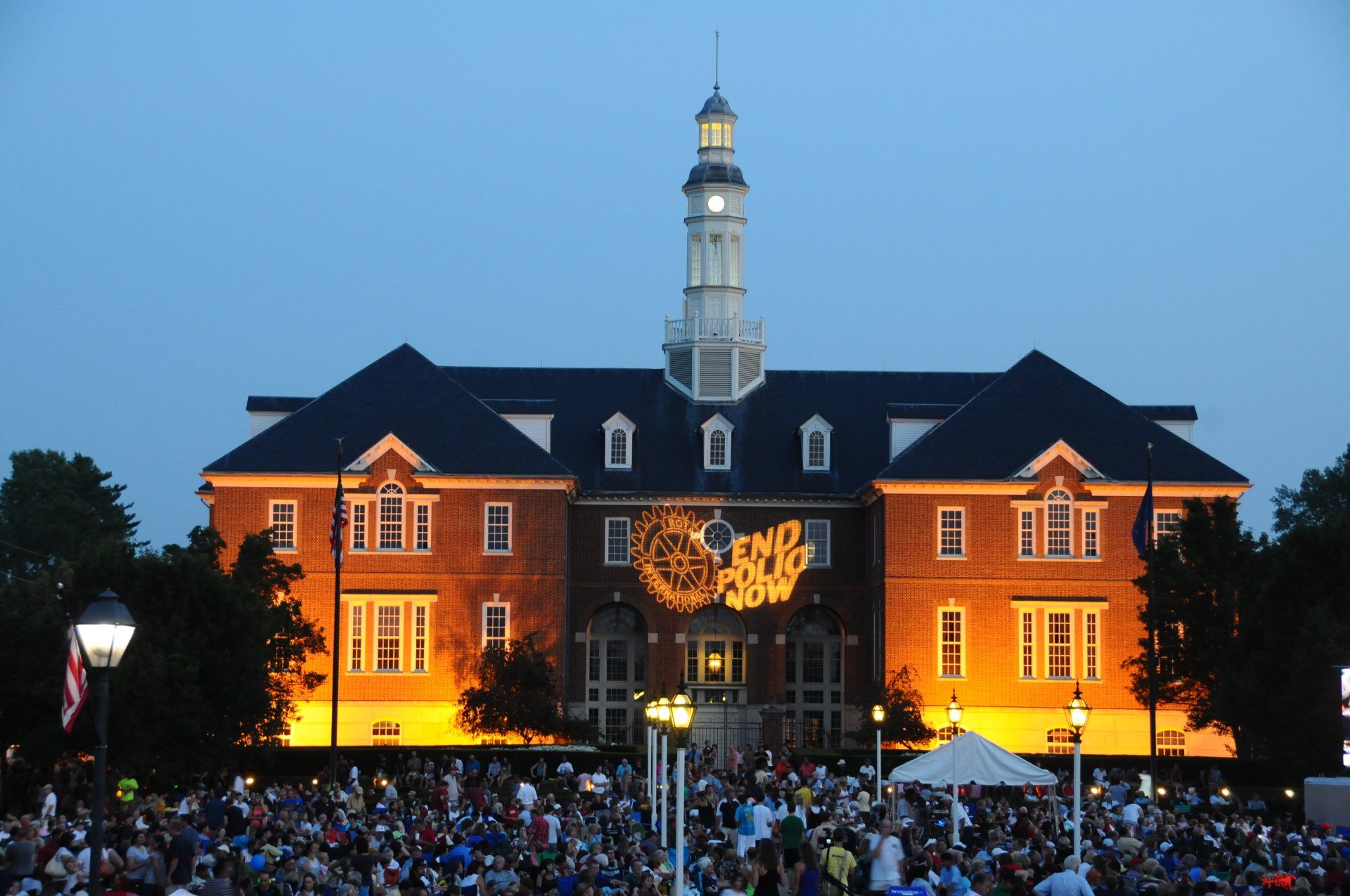
Carmel has quietly built one of the most impressive arts scenes of any mid-sized American city. The Palladium at the Center for the Performing Arts is the crown jewel — a world-class concert hall that hosts the Indianapolis Symphony Orchestra's Carmel season, Broadway touring productions, and internationally recognized performers. Adjacent to it, the Tarkington and Studio Theater round out the Center's offerings with more intimate performances and local productions. The Carmel Arts & Design District, centered along Main Street, draws visitors with its galleries, sculpture installations, and boutique shopping — a walkable stretch that feels genuinely curated rather than manufactured.

Outdoor Recreation

Carmel's extensive Monon Trail is a beloved multi-use path connecting the city to Indianapolis, perfect for cycling, running, and leisurely walks through neighborhoods and green corridors. Flowing Well Park and West Park offer open green space, playgrounds, and seasonal programming. The city's network of paved trails exceeds 100 miles, making it a genuine destination for cyclists and walkers alike. Those exploring homes for sale in Carmel Indiana quickly discover that trail access is one of the most frequently cited lifestyle perks among residents.

Dining & Shopping

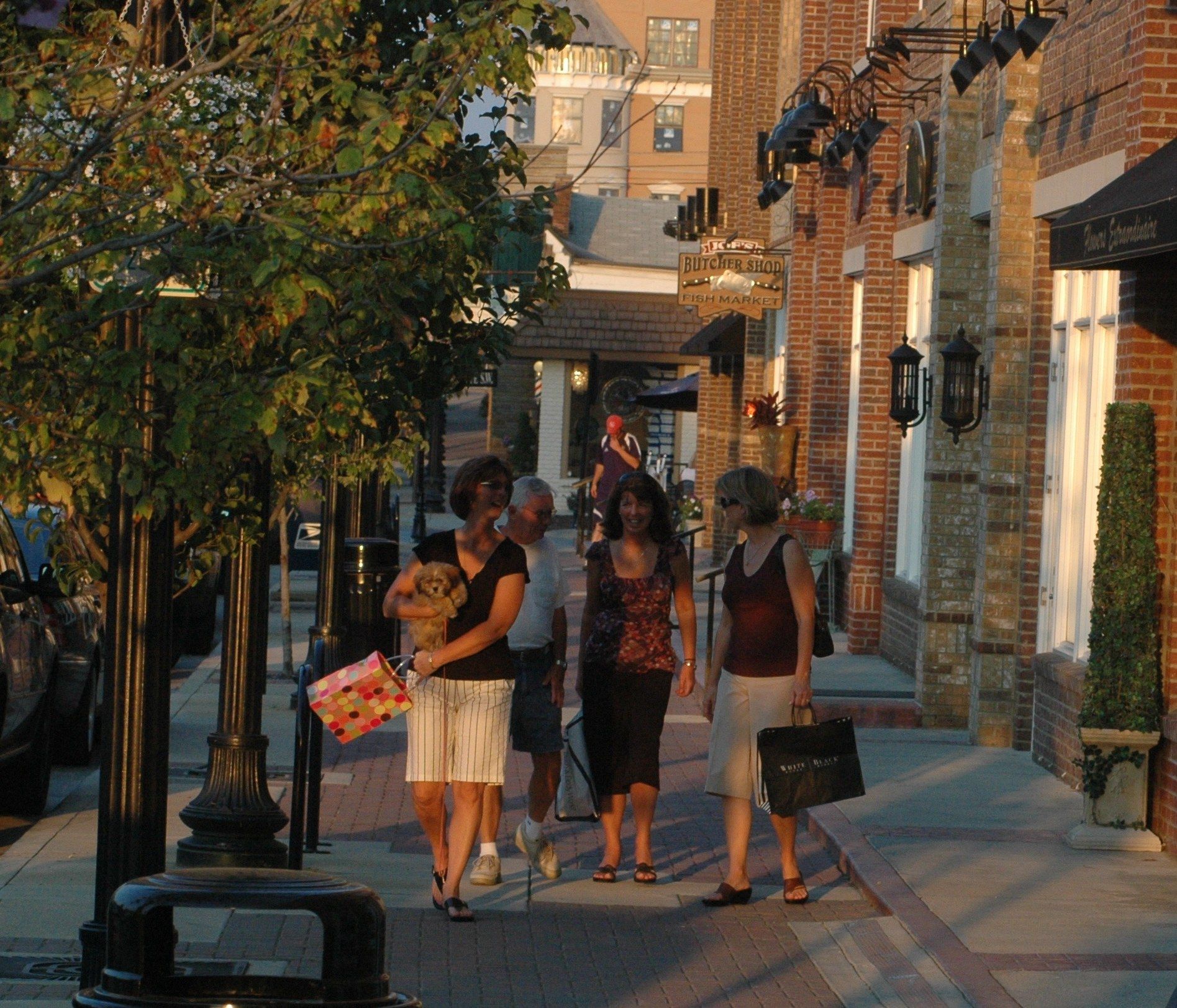
The Arts & Design District doubles as a dining destination, with locally owned restaurants, wine bars, and cafés lining Main Street and Range Line Road. The Carmel City Center development adds additional dining and retail options in a walkable, mixed-use environment. From farm-to-table concepts to international cuisine, the food scene punches well above its suburban weight.

Family Activities & Sports

Families are exceptionally well served here. The Monon Community Center is a standout facility featuring an indoor waterpark, fitness center, and year-round programming for all ages. Clay Terrace, an open-air lifestyle shopping center, hosts seasonal events and family-friendly activities throughout the year. Carmel's youth sports infrastructure is among the best in the state, with facilities supporting everything from soccer and swimming to tennis and baseball. The annual Carmel International Arts Festival each September draws artists and visitors from across the region, transforming the Arts District into an outdoor gallery weekend.

Latest Properties in Carmel

Loading...

Loading latest properties...

See All Properties in Carmel

History

From Quaker Settlement to One of America's Most Sought-After Suburbs

Carmel, Indiana traces its origins to the 1830s, when Quaker settlers from the eastern United States established a community in Hamilton County, drawn by the fertile land of central Indiana's rolling prairie. The town was platted in 1837 and incorporated in 1874, taking its name — as many Midwestern towns did — from a biblical reference. For much of the 19th and early 20th centuries, Carmel remained a quiet agricultural village, its pace defined by farmsteads, a handful of churches, and the rhythms of rural Hamilton County life.

The postwar decades of the 1950s and 1960s brought the first significant suburban expansion, as Indianapolis's northward growth pushed development up U.S. 31. The modest ranch homes and tree-shaded streets platted during that era still anchor several of Carmel's older south-side neighborhoods, offering some of the most affordable homes for sale in Carmel, Indiana for buyers who value established character over new construction.

The transformation into a nationally recognized city accelerated dramatically after Carmel incorporated as a city in 1976. Under long-serving Mayor James Brainard, who took office in 1996, Carmel embarked on an ambitious reimagining of its urban core — replacing traffic signals with roundabouts, constructing the Palladium concert hall, and developing the Arts & Design District along Rangeline Road. These deliberate investments reshaped Carmel's identity and, critically, its property values.

Today, that layered history — Quaker roots, postwar suburbia, and 21st-century civic ambition — is written into the landscape itself. Buyers browsing houses for sale in Carmel, Indiana encounter everything from 1960s ranch homes to luxury new construction, all within a city that has consciously built its present on a very intentional past.

Weather

Four Seasons in Full Force

Carmel, Indiana experiences a humid continental climate, meaning residents enjoy — and endure — all four seasons in their most pronounced forms. Summers are warm and humid, with daytime highs typically climbing into the upper 80s°F and overnight lows settling in the mid-60s°F. Winters bring genuine cold, with average highs in the low-to-mid 30s°F and lows that can dip into the teens, along with periodic snowfall and the occasional ice storm that sweeps across the flat Central Indiana landscape.

Spring and autumn are transitional but beautiful, offering mild temperatures and the kind of colorful foliage and blooming landscapes that make homes for sale in Carmel, Indiana especially photogenic during those months. Annual precipitation is fairly evenly distributed throughout the year, averaging around 40 inches, with spring tending to be the wettest season. Severe thunderstorms are a regular summer feature, and the region sits within an area that sees periodic tornado watches.

For homebuyers, the climate has real practical implications. Heating and cooling costs are both meaningful line items — a well-insulated home with an efficient HVAC system matters here. Outdoor living spaces like covered patios and screened porches are popular additions precisely because summers, while hot, are genuinely enjoyable. Roof maintenance, gutter upkeep, and attention to foundation drainage are all seasonal considerations that savvy Carmel homeowners plan for year-round.

Carmel Market Analytics

The Carmel real estate market is showing signs of balance, with a median sale-to-list price ratio of 0.986, indicating that homes are selling for close to their asking price, and a significant percentage of sales are occurring above list price, suggesting a competitive market. As a trusted advisor at Opulist, I can help you navigate this market and make informed decisions about buying or selling a home in Carmel, where the average home value is around $570,592 and has seen a 4.0% increase over the past year.


1-Year Home Value Change: +4%

Carmel Home Value Index over time.

Can I Afford Carmel?
$
%
$0
Est. Monthly Payment
$0/yr
Salary Required

*Principal & interest only. Salary based on 28% debt-to-income ratio.

Get Pre-Approved for Carmel