
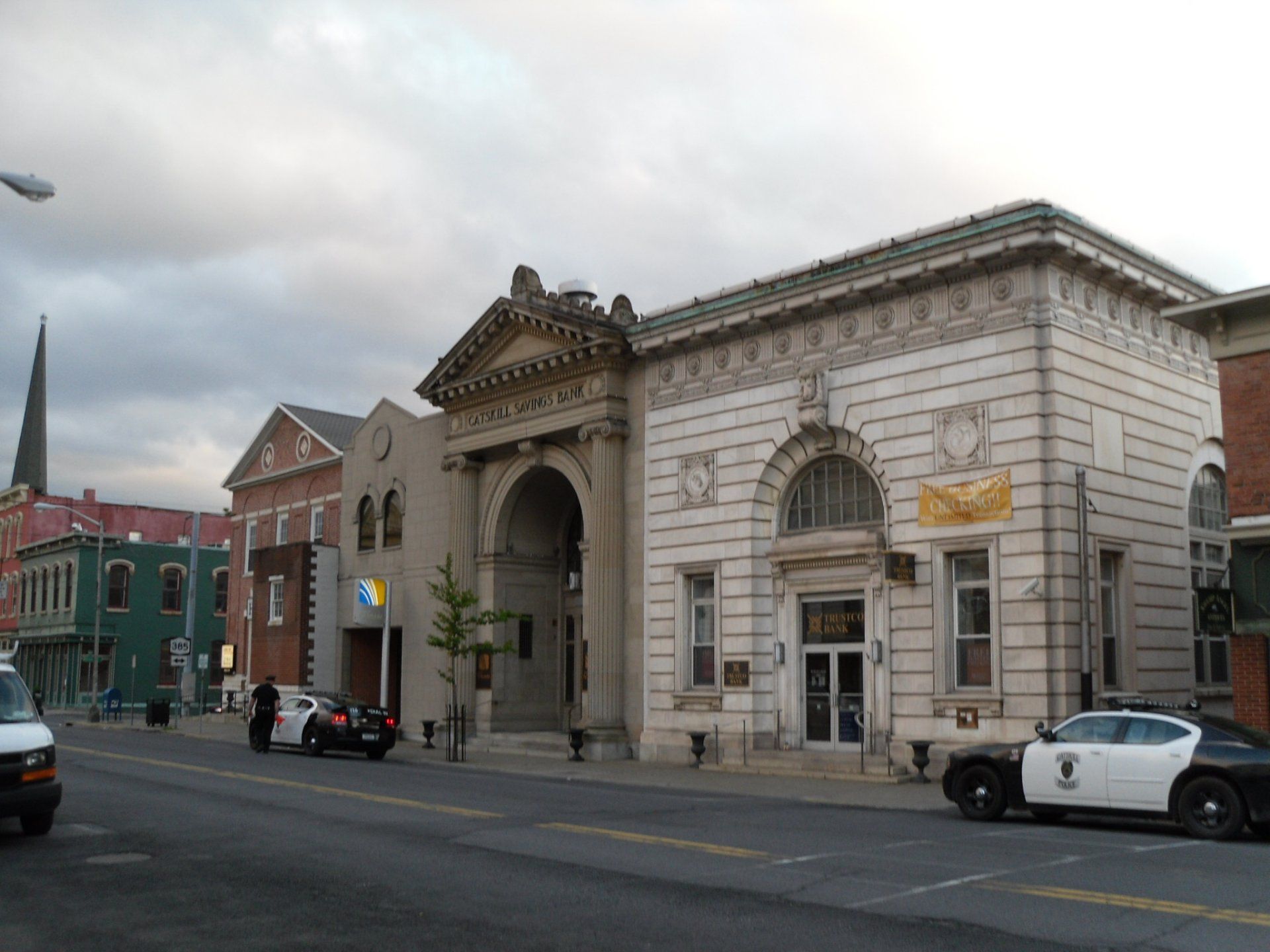
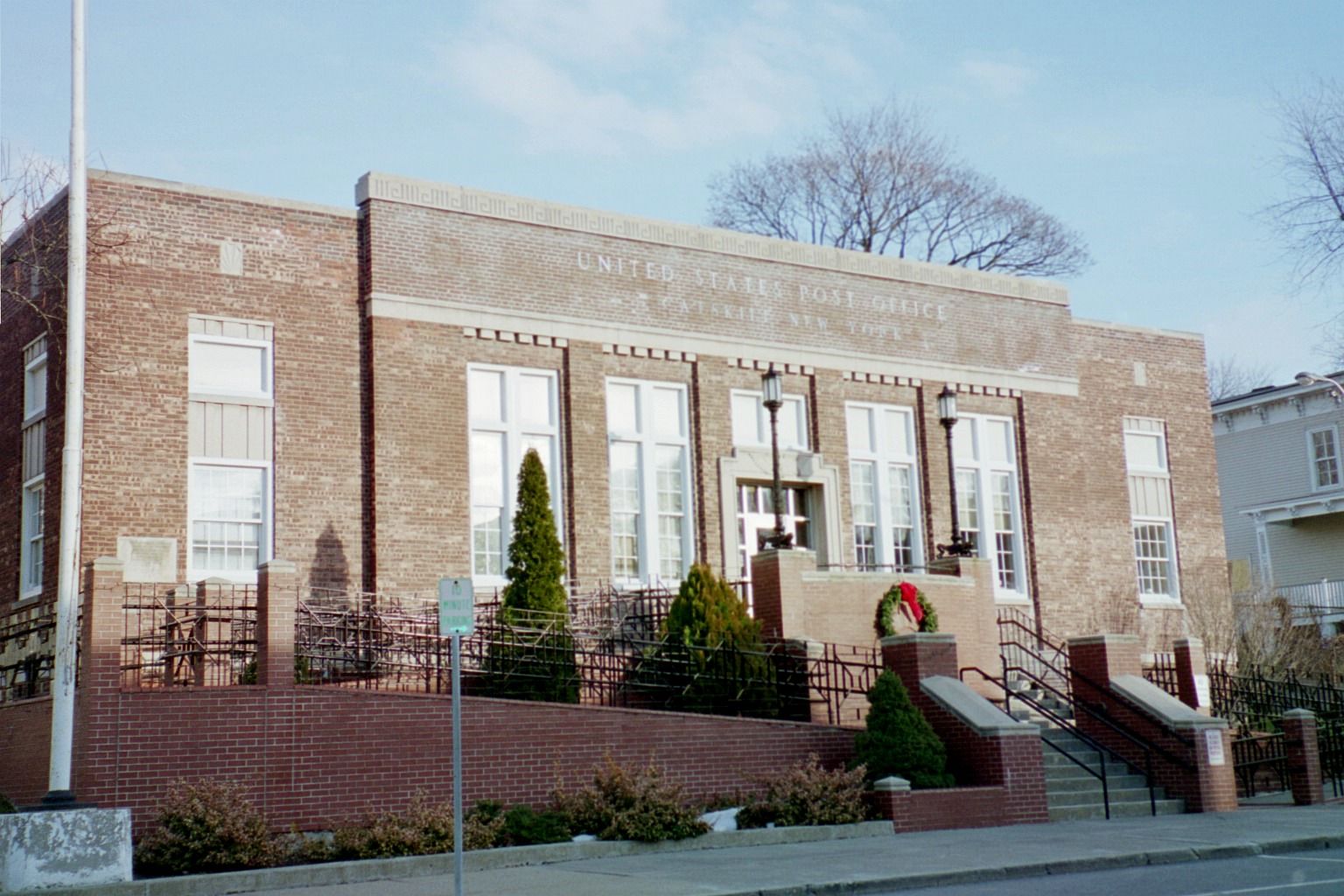
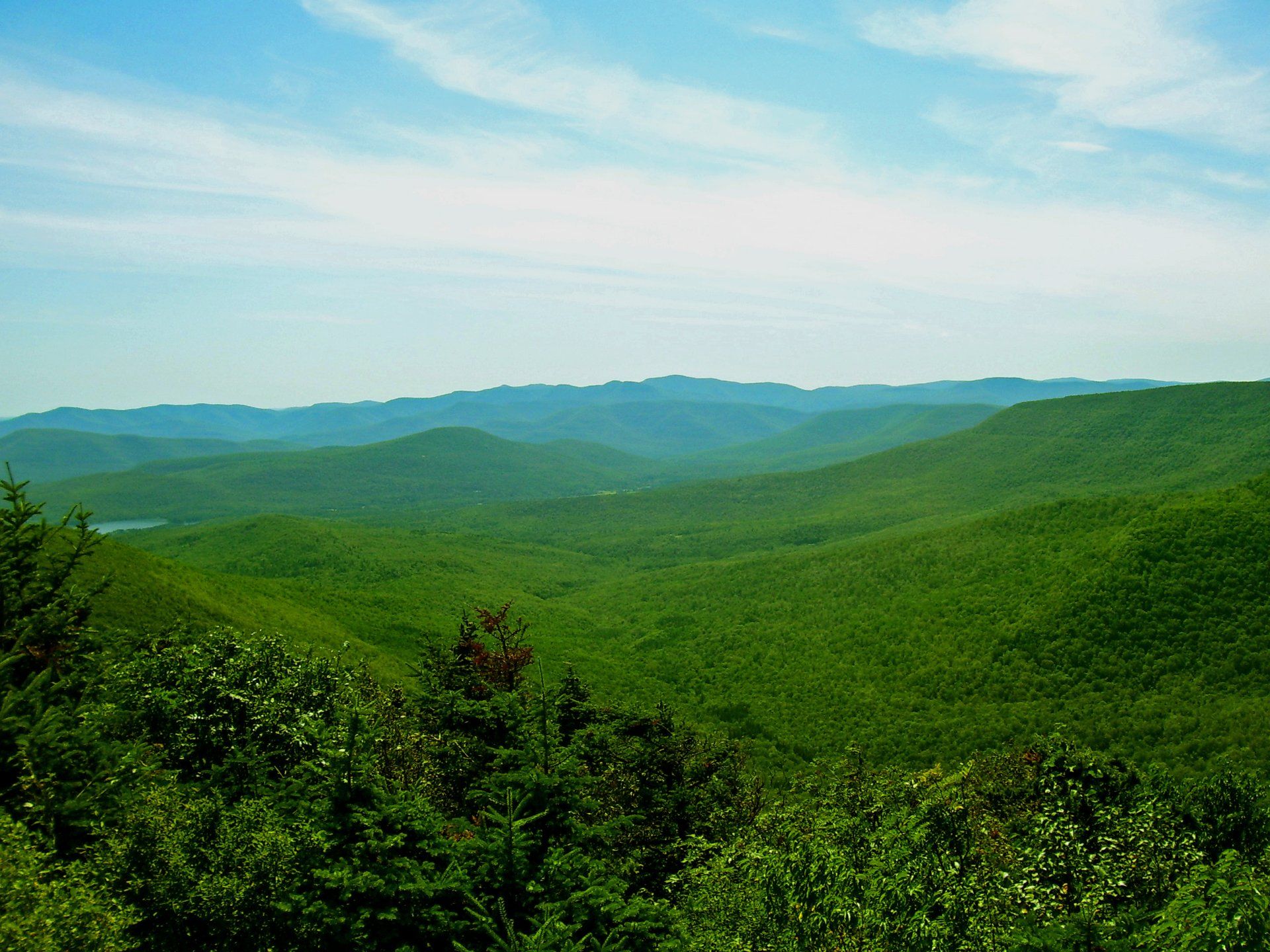
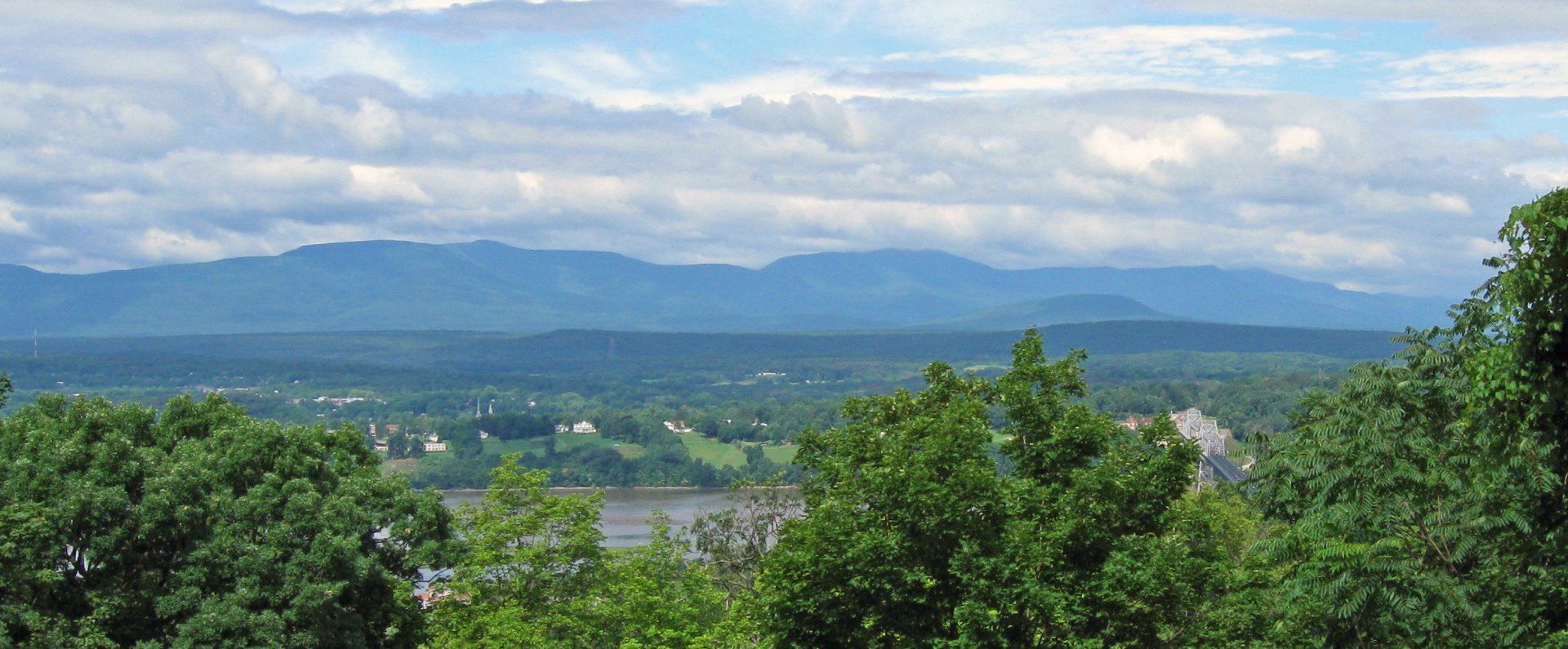
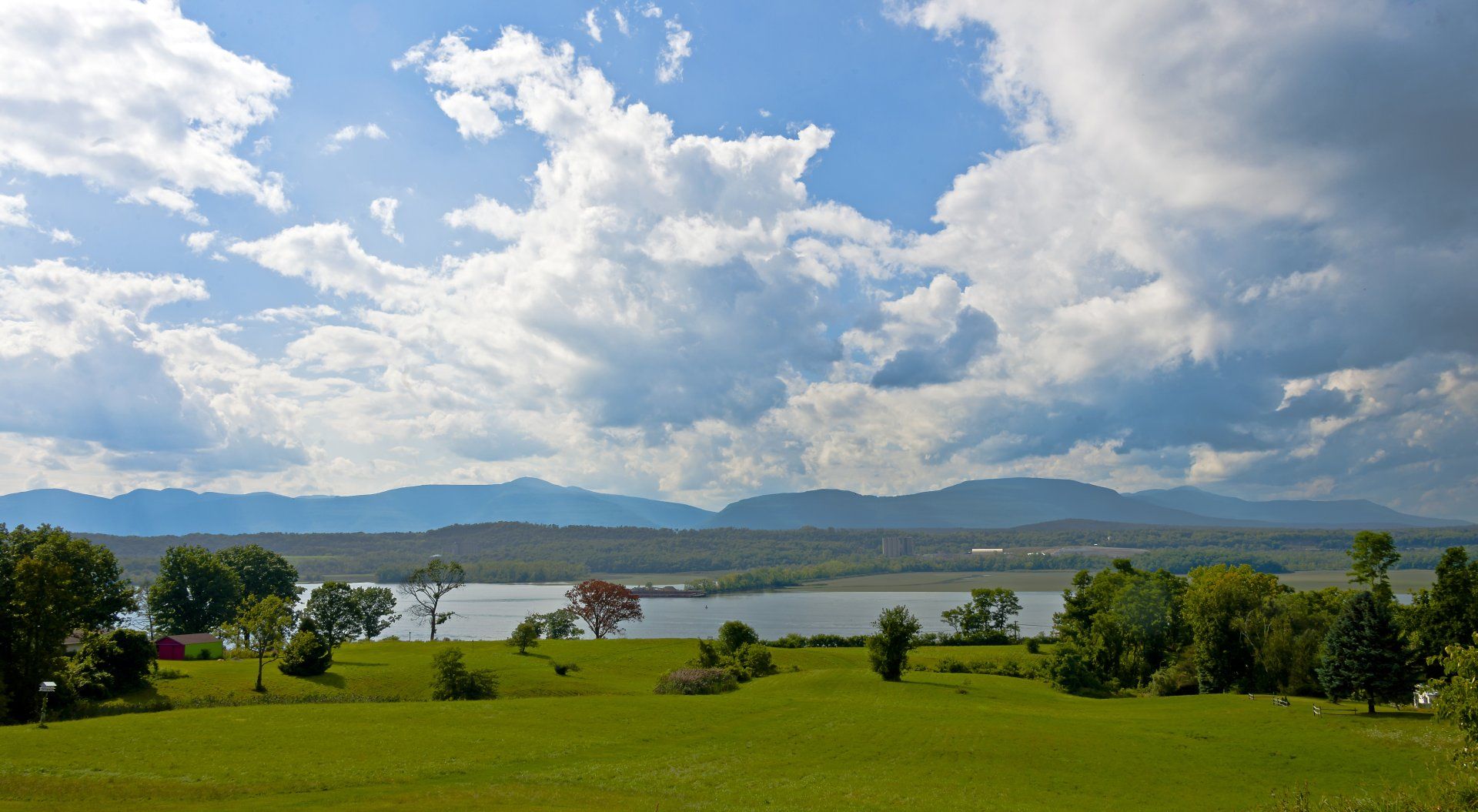
Catskill, New York, sits on the west bank of the Hudson River at the mouth of Catskill Creek, serving as the county seat of Greene County — a distinction that has shaped its identity since its incorporation as a village in 1806. With roughly 3,745 residents spread across just 1.5 square miles, it punches well above its size in historical and cultural significance. Unlike neighboring Hudson across the river, which has leaned heavily into antiques and gallery culture, Catskill carries a deeper artistic legacy: the Thomas Cole National Historic Site, preserving the Cedar Grove estate of the founder of the Hudson River School, draws visitors and art enthusiasts from across the country. The Catskill Central School District serves local families, while the village's position along the Hudson offers straightforward access to both Albany and New York City by road. Those browsing homes for sale in Catskill, NY will find a community where 19th-century architecture, mountain views, and a steadily evolving arts scene converge — making this an increasingly compelling place to put down roots as the broader Hudson Valley continues to attract buyers seeking character, history, and genuine small-town scale.
Welcome to Catskill
Community Profile
Nestled in Greene County along the western bank of the Hudson River, this small Catskill Mountains gateway community of 11,321 residents offers a compelling mix of affordability, stability, and authentic upstate character that draws an increasingly diverse range of buyers. With a median home value of $253,370 — well below the national median of around $330,000 — those browsing homes for sale in Catskill, NY will find genuine value in a region that has captured the imagination of Hudson Valley transplants and longtime locals alike.
The community skews toward established, experienced residents, with a median age of 47 and 24.2% of the population over 65 — a profile that tends to bring neighborhood stability and civic engagement. Yet a meaningful share of younger adults in their 20s and 30s (nearly 25% combined) signals that Catskill is attracting fresh energy as well. Homeownership is a point of pride here: at 68.1%, the rate edges above the national average of 65.5%, and renters enjoy a relatively manageable rent burden of just 26.5% of income, with a median rent of $1,062. Nearly 35.6% of households earn six figures, and 55.8% are dual-income families, suggesting a financially grounded community. The average commute of 27.6 minutes is reasonable for a town with easy access to the Thruway corridor, and a notably low uninsured rate of just 3.1% reflects a community that takes care of its own — a reassuring sign for anyone considering putting down roots among the houses for sale in Catskill, NY.
Things to Do
Arts & Culture
Catskill punches well above its weight culturally, anchored by the Thomas Cole National Historic Site — one of the most significant historic destinations in the entire Hudson Valley. Cedar Grove, the estate where Cole lived and worked from 1833 until his death in 1848, has been beautifully preserved and offers tours, exhibitions, and programming that bring the Hudson River School art movement to vivid life. Cole is widely regarded as the founder of the first major American art movement, and standing on his grounds with the Catskill Mountains rising to the west and the Hudson River shimmering to the east, it's easy to understand exactly what inspired him.
Outdoor Recreation
The village sits at a remarkable natural crossroads — perched on the west bank of the Hudson River at the mouth of Catskill Creek, with the full sweep of the Catskill Mountains beginning practically at its doorstep. Catskill Point, where the creek meets the river, offers waterfront access, fishing, and sweeping views across to the eastern shore. Kayakers and canoeists make regular use of Catskill Creek, while hikers have easy access to the trails and peaks of the broader Catskills region, including the famous escarpment trails near Palenville, just a short drive west. The Catskill Mountain Railroad has historically connected the village to the surrounding landscape, offering a scenic way to experience the region's natural character.
Dining & Local Flavor
Catskill's Main Street and surrounding blocks have seen a genuine culinary revival over the past decade, driven in part by an influx of creative residents drawn by the area's affordability and character. The village now supports a range of dining options — from casual cafés to destination-worthy restaurants — reflecting the broader Hudson Valley food culture that prizes local farms and seasonal ingredients. Weekend visitors browsing homes for sale in Catskill, NY often find themselves lingering over a meal and reconsidering whether a day trip should become a permanent move.
Family Activities & Shopping
Families will find the village's compact, walkable scale a genuine asset. The historic downtown offers independent shops, antique dealers, and galleries that reward leisurely exploration. Greene County's position as an administrative center means the village also hosts community events, seasonal farmers markets, and local festivals throughout the warmer months. For those seriously exploring houses for sale in Catskill, NY, a weekend spent wandering the waterfront, visiting Cedar Grove, and dining along Main Street makes the strongest possible case for calling this Hudson Valley gem home.
Latest Properties in Catskill
Loading latest properties...
History
Catskill's story begins in earnest on August 16, 1686, when English authorities issued the Catskill Patent to seven Dutch proprietors, granting roughly 30,000 acres along the Hudson River's west bank. Dutch traders had already been working the mouth of Catskill Creek since around 1650, trading furs with the Munsee Lenape, and that sheltered harbor would define the village's character for the next two centuries.
By 1800, the completion of the Susquehanna Turnpike transformed Catskill into a genuine commercial powerhouse. What had been five houses and one store in 1787 became 180 buildings by 1802, with roughly 2,000 residents and twelve wharves shipping $300,000 worth of produce annually to New York City. The village was formally incorporated on March 14, 1806. Lumber, bluestone quarrying, and textile manufacturing — including the Harris Woolen Mill, which opened in 1864 employing 175 workers — gave the downtown its dense, brick-faced commercial bones that remain visible today.
The village also became a center of American cultural life when painter Thomas Cole made his home at Cedar Grove from 1833 until his death in 1848. As the founder of the Hudson River School, Cole attracted artists and visitors whose legacy now anchors the Thomas Cole National Historic Site — a draw that shapes Catskill's identity and its appeal to buyers seeking homes for sale in Catskill, NY with genuine historical depth.
The early 20th century brought contraction as tanning collapsed and river commerce faded, leaving a compact village of modest Victorian and vernacular homes rather than sprawling postwar subdivisions. That restraint in development is precisely what makes Catskill attractive today: its 1.5 square miles hold an authentic, walkable streetscape that newcomers browsing houses for sale in Catskill, NY increasingly recognize as rare in the Hudson Valley.
Weather
Catskill, New York experiences a humid continental climate (Köppen classification Dfb), shaped by its position on the west bank of the Hudson River at the foot of the Catskill Mountains. This geography creates a dynamic four-season environment that defines daily life and real estate considerations throughout the year.
Summers are warm and pleasant, with daytime highs typically reaching the upper 70s to low 80s°F and overnight lows settling in the 50s to low 60s°F. The Hudson River corridor moderates temperatures somewhat, keeping the village slightly milder than the higher mountain elevations just to the west. Winters are cold and snowy, with average highs in the low-to-mid 30s°F and lows frequently dipping into the teens. Significant snowfall is common from December through March, and the surrounding Catskill highlands can amplify precipitation events, delivering lake-effect-style snow bursts.
Annual precipitation is well-distributed across all seasons, averaging roughly 45–50 inches per year including snowfall. Spring and fall are transitional and often spectacular — fall foliage in the Hudson Valley and Catskill foothills draws visitors from across the region.
For anyone browsing homes for sale in Catskill, NY, the climate carries real practical weight. Buyers should anticipate meaningful heating costs during long winters, budget for roof and gutter maintenance driven by freeze-thaw cycles, and plan for snow removal. On the upside, warm summers make outdoor living genuinely enjoyable, and the area's natural beauty across all four seasons is a lasting draw for those seeking houses for sale in Catskill, NY.
Catskill Market Analytics
Catskill Home Value Index over time.
Can I Afford Catskill?
Weather