Chappaqua, New York

Location:
Chappaqua, NY

Welcome to Chappaqua

Situated in the town of New Castle in northern Westchester County, Chappaqua, New York traces its roots to the early 1730s, when a group of Quakers settled along what is now Quaker Road and built a meeting house that still holds weekly services today. That long arc of history — from a quiet agrarian community to one of the most sought-after addresses in the New York metropolitan area — is precisely what sets Chappaqua apart from neighboring towns like Mount Kisco or Pleasantville. Where other Westchester hamlets lean harder into commerce or density, Chappaqua has held its character: wooded, unhurried, and deeply invested in its schools.

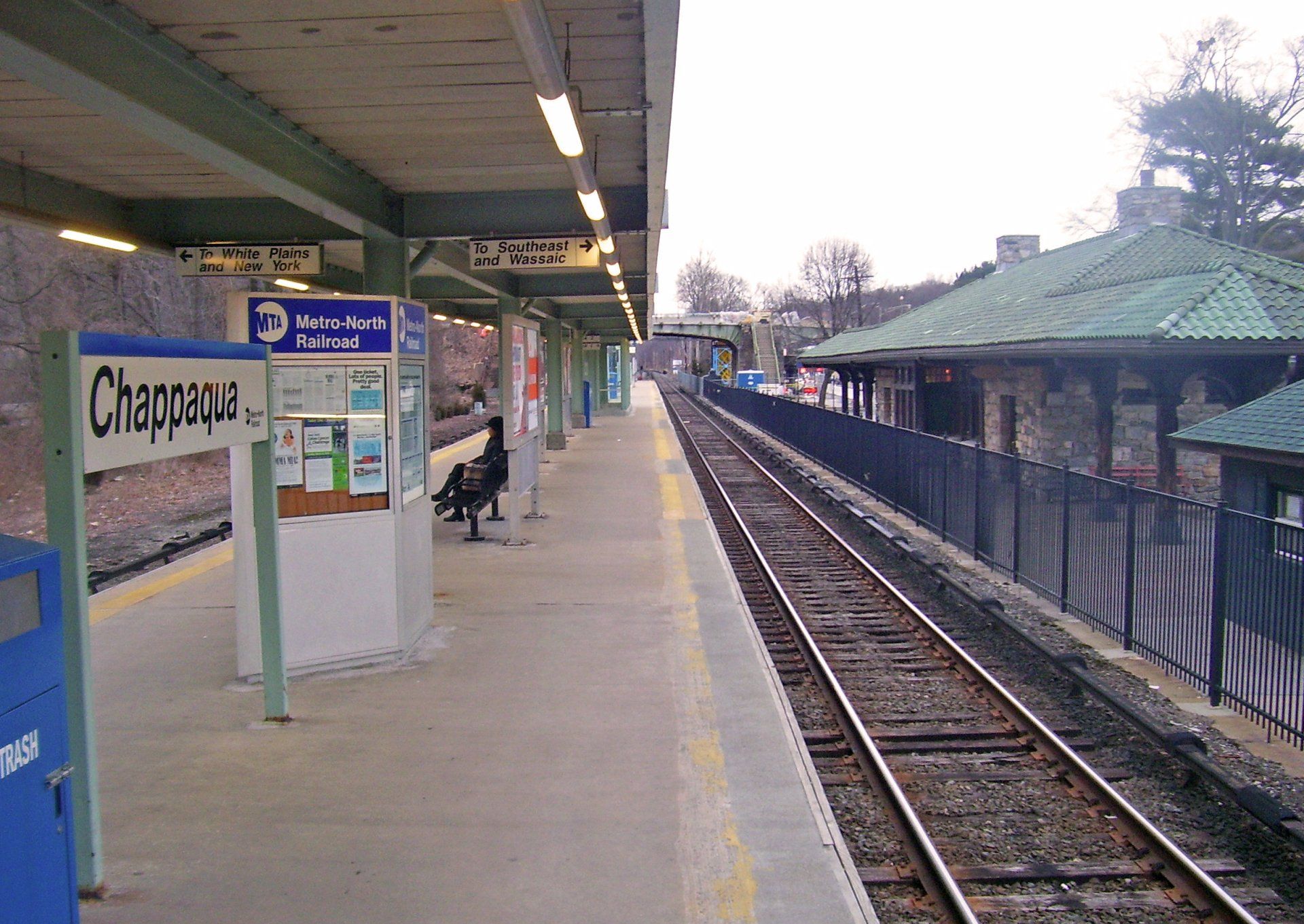
The Chappaqua Central School District, anchored by the nationally recognized Horace Greeley High School, consistently ranks among the finest public school systems in New York State. Commuters benefit from direct Metro-North Harlem Line service at Chappaqua station, putting Midtown Manhattan roughly an hour away. For those browsing homes for sale in Chappaqua NY, the appeal is clear: exceptional schools, genuine small-town character, and seamless access to the city make this hamlet a rare combination that is unlikely to lose its luster.

Community Profile

Tucked into the wooded hills of Westchester County, this small but remarkably accomplished hamlet of 3,046 residents consistently ranks among the most affluent and educated communities in the entire New York metro area. The numbers tell a compelling story: a median household income of $241,432 — more than three times the national median — and an extraordinary 85.7% of households earning six figures or more, reflecting a concentration of professional achievement that is rare even by Westchester standards. That prosperity is built on serious credentials: 79.7% of residents hold a bachelor's degree or higher, and an impressive 50.9% have earned a graduate or professional degree, more than double the national college attainment rate.

Families are a defining feature of the community's character. With 64% of residents married and an average family size of 2.85, Chappaqua attracts households planting deep roots — a fact underscored by a homeownership rate of 77.1%, well above the national average of 65.5%. Those who own here are investing in significant assets: the median home value stands at $864,886, yet the community's high earnings mean residents carry that comfortably, with a rent burden of just 11.4% of income. A poverty rate of just 1.1% and an uninsured rate of only 0.9% speak to a community where financial security is broadly shared. For those exploring chappaqua homes for sale, the demographic profile here signals not just a place to live, but a genuinely stable and thriving community to join.

Things to Do

Outdoor Recreation

Chappaqua's setting in the wooded hills of northern Westchester County makes it a natural playground for outdoor enthusiasts. The Chappaqua Trail System winds through the town of New Castle, connecting neighborhoods to forested preserves and offering peaceful hiking through the same rustling woodlands that gave the hamlet its Algonquian name. The Saw Mill River, which runs through the area, adds a scenic natural corridor popular with walkers and nature lovers year-round. Autumn is particularly spectacular, when the hardwood canopy ignites with color — a reminder of why early settlers described this as "the rustling land."

History & Culture

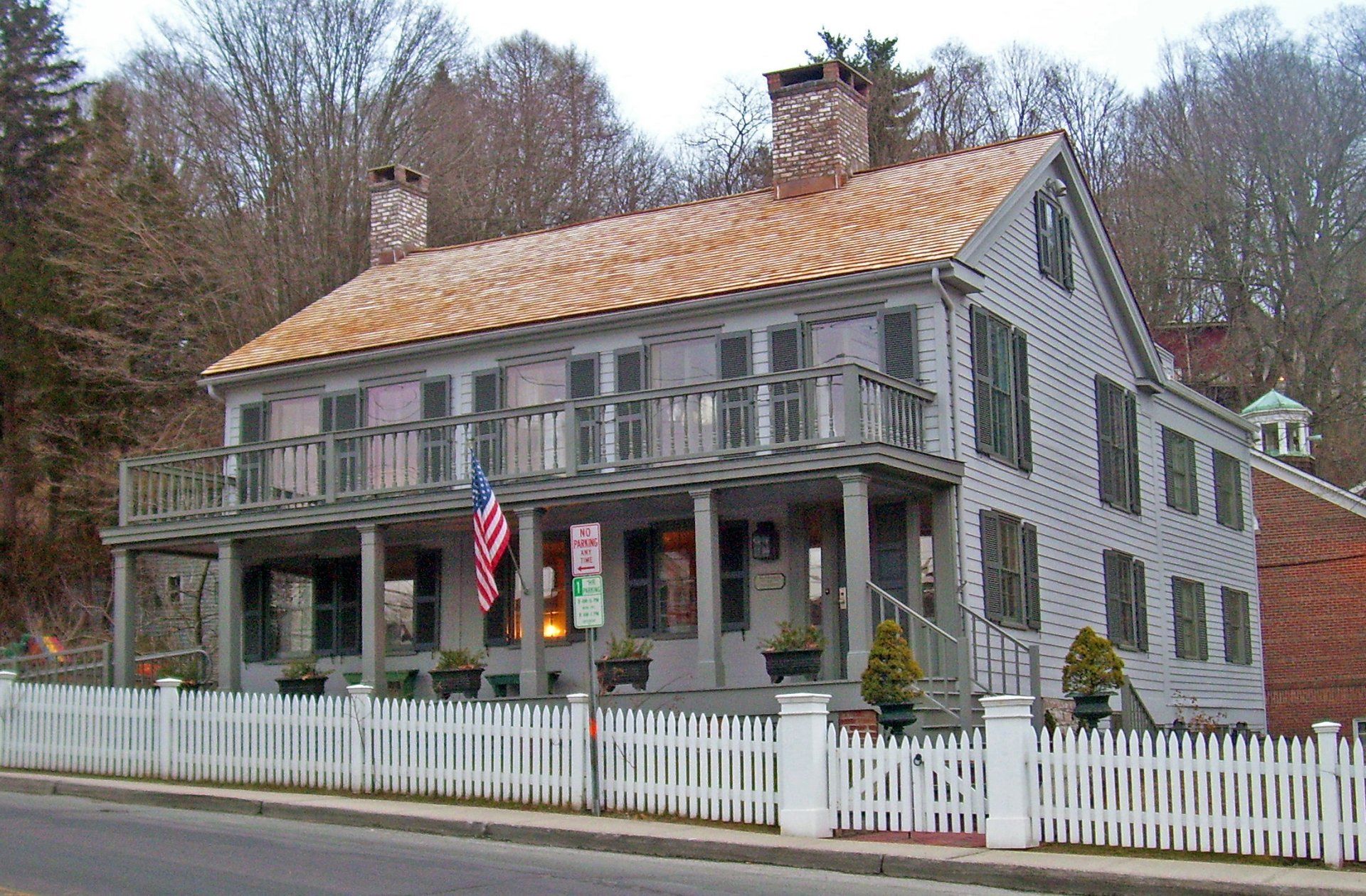
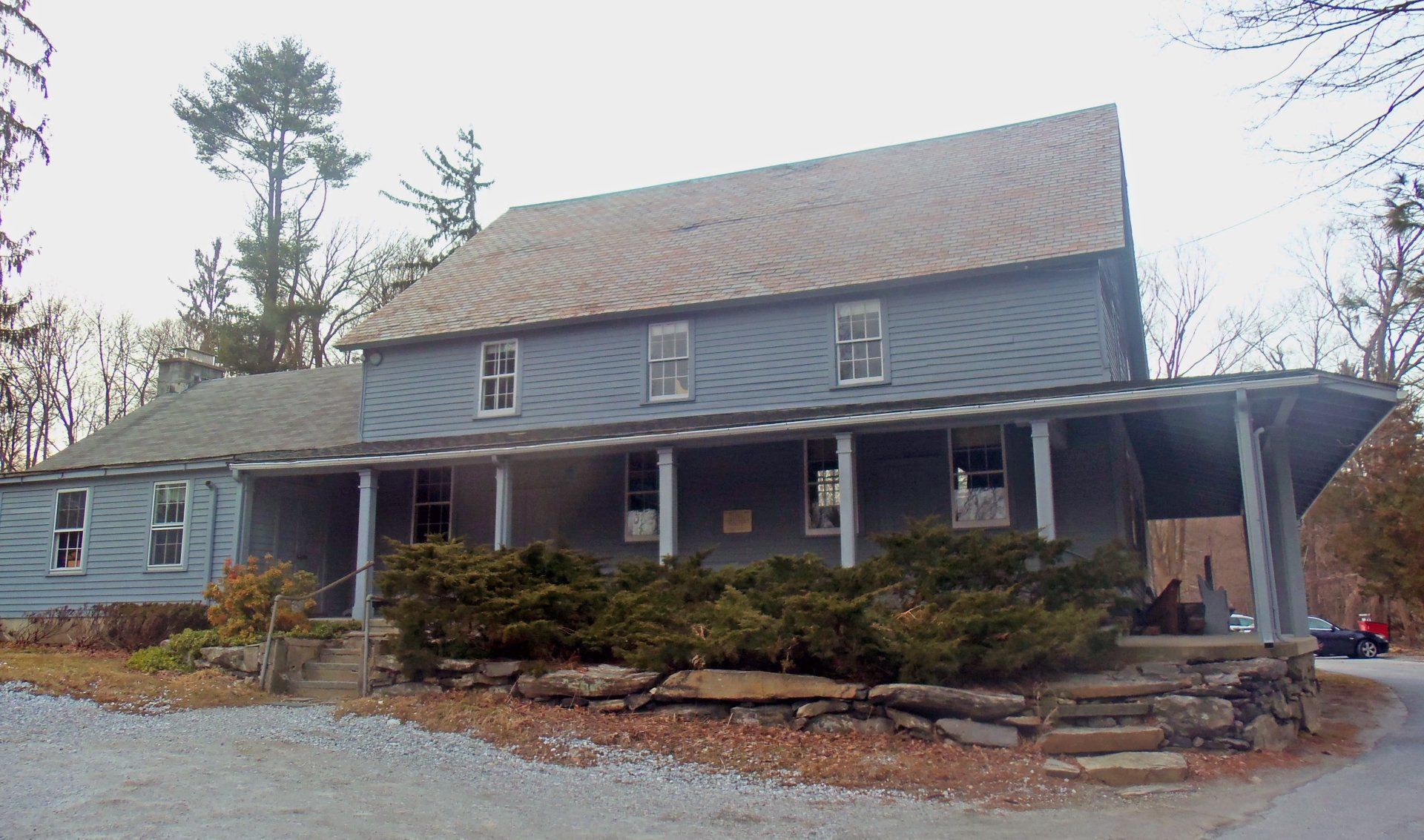
Few hamlets this size carry as much historical weight as Chappaqua. The Horace Greeley House, listed on the National Register of Historic Places and now operated as a museum by the New Castle Historical Society, offers a fascinating window into 19th-century reform politics, progressive farming, and abolitionist culture. The Old Chappaqua Historic District — anchored by the Chappaqua Friends Meeting House, which has held weekly Sunday meetings since 1753 — is another National Register site and one of the most quietly remarkable historic corners in all of Westchester. The Chappaqua Railroad Depot and Depot Plaza, also on the National Register, serves as a daily reminder of the rail heritage that shaped this community.

Dining & Shopping

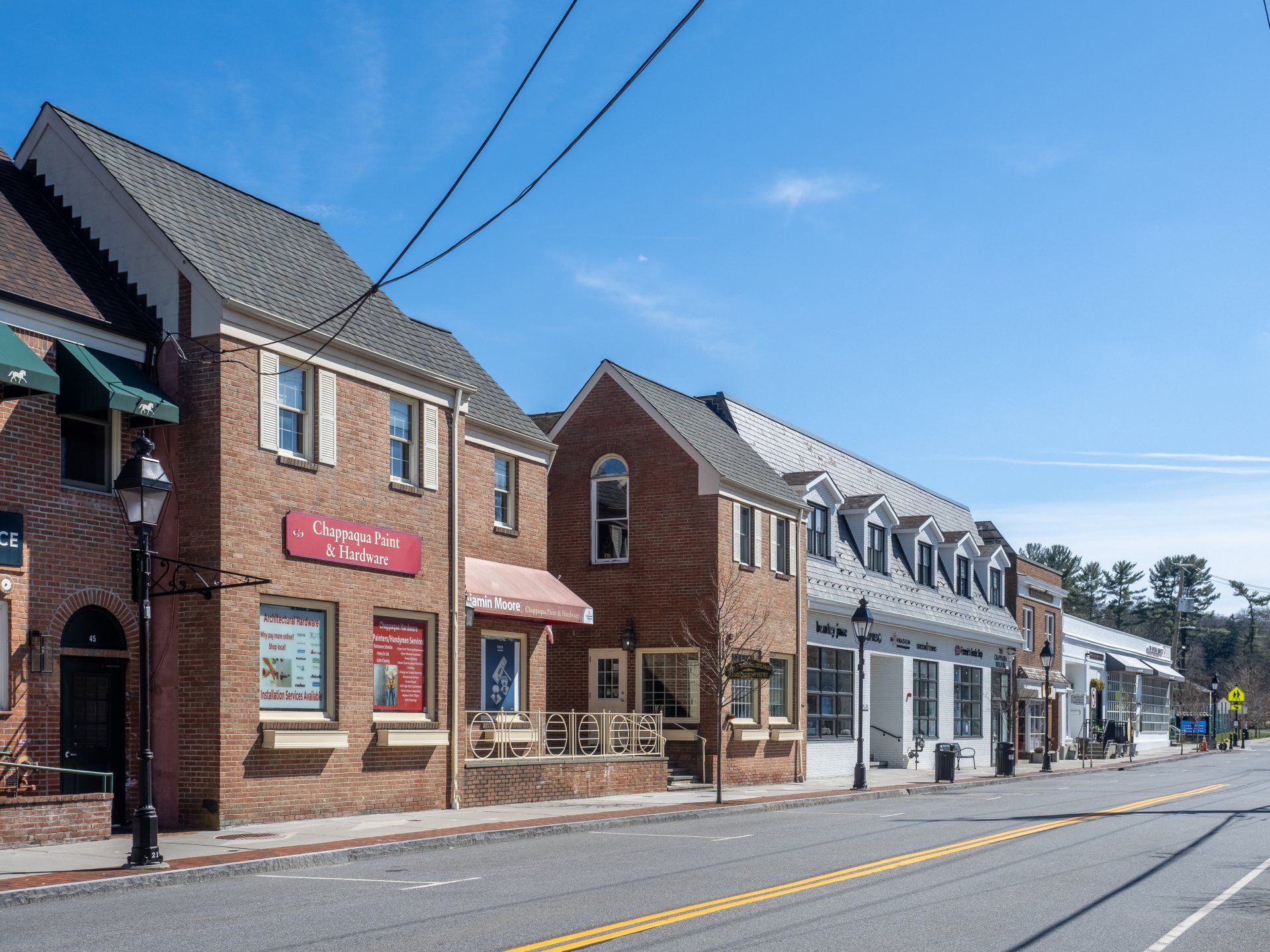
Downtown Chappaqua centers on King Street and South Greeley Avenue, where a walkable stretch of independent restaurants, cafés, and local shops gives the hamlet an intimate, village-like energy that residents prize. The dining scene skews toward approachable quality — think neighborhood bistros and casual spots suited to post-commute dinners — rather than flashy destination restaurants. For those browsing chappaqua homes for sale, the convenience of this compact downtown is frequently cited as a major draw.

Family & Community Activities

The Chappaqua Library on South Greeley Avenue is a genuine community hub, hosting programming for all ages throughout the year. Families also benefit from proximity to the broader Westchester County park system, with recreational fields, tennis courts, and seasonal activities within easy reach. New York City itself — just 30 miles south via the Metro-North Harlem Line — puts world-class museums, performances, and sporting events within an hour's reach, making Chappaqua an ideal base for families who want suburban tranquility without sacrificing urban access.

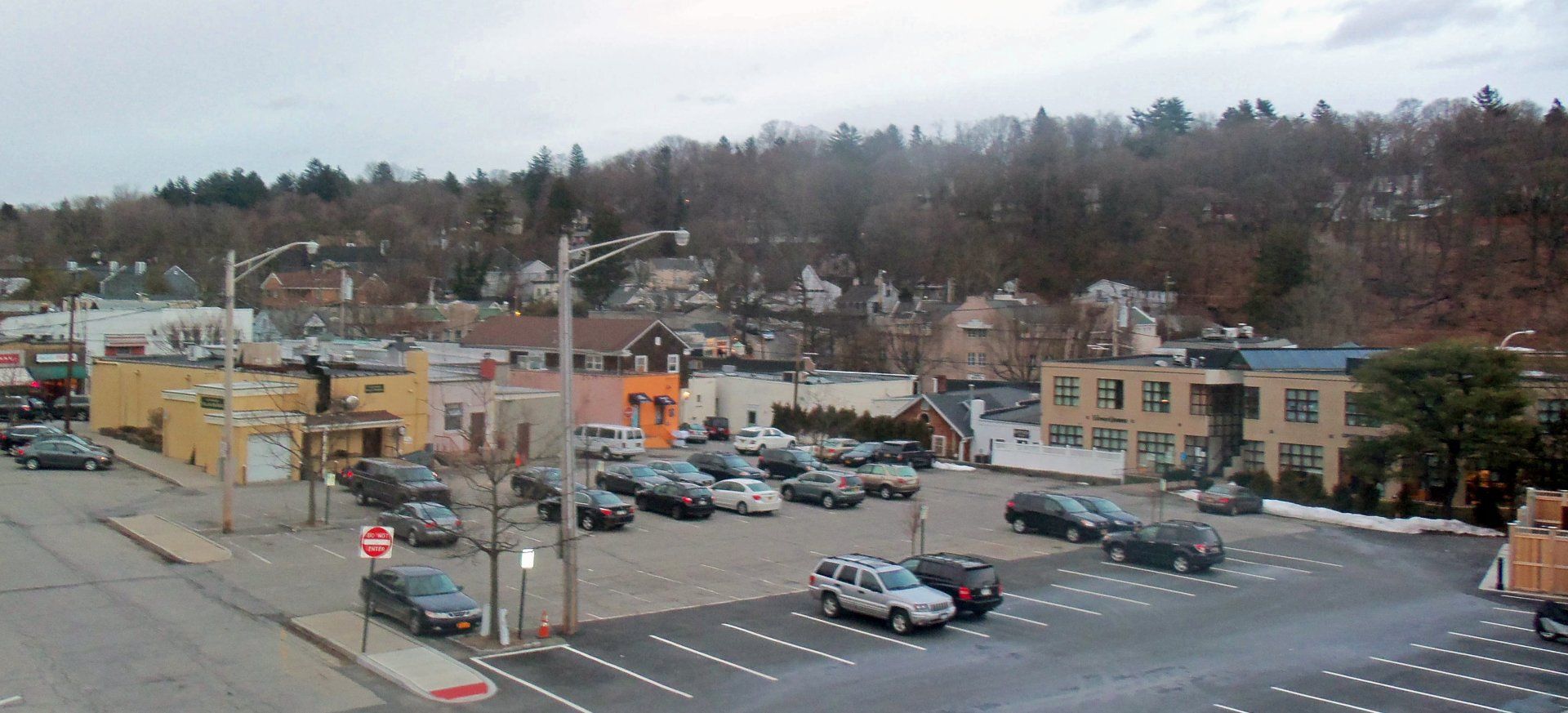
Latest Properties in Chappaqua

Loading...

Loading latest properties...

See All Properties in Chappaqua

History

From Quaker Farmland to Coveted Suburb

Chappaqua's story begins in the early 1730s, when a group of Quakers migrated north from Purchase, New York, drawn by available farmland and the promise of religious tolerance. They built homesteads along what became Quaker Road, and by 1753 had constructed a Friends Meeting House that still holds weekly services today. That original settlement — now recognized as the Old Chappaqua Historic District on the National Register of Historic Places — set the tone for a community that has always prized quiet, principled living over urban density.

The hamlet's trajectory changed decisively in 1846, when the New York and Harlem Railroad extended its line through Chappaqua. Almost overnight, an isolated farming outpost became a viable commuter address. Hotels, livery stables, and small businesses clustered around the new depot, and New York City was suddenly a daily commute away. Seven years later, in 1853, Horace Greeley — the influential editor of the New-York Tribune and one of the 19th century's most prominent reformers — began acquiring land here, eventually assembling a 78-acre farm he called Rehoboth. His presence burnished Chappaqua's reputation as a place where serious, progressive-minded people chose to put down roots. The high school bearing his name remains one of the top-ranked public schools in New York State.

The Saw Mill River Parkway reached Chappaqua in 1934, adding automobile access to the existing rail infrastructure. After World War II, developers subdivided former farms and estates into the leafy residential neighborhoods that define the hamlet today. Zoning ordinances dating to 1928, reinforced by New Castle's first master plan in 1958, ensured those neighborhoods stayed spacious and low-density. That deliberate planning legacy is precisely why chappaqua homes for sale consistently command a median price near $1.4 million — buyers aren't just purchasing a house, they're buying into nearly three centuries of carefully preserved character.

Weather

Four Distinct Seasons Define Life in Chappaqua

Chappaqua experiences a humid continental climate, characteristic of the lower Hudson Valley and inland Westchester County. Positioned roughly 30 miles north of Midtown Manhattan and at an elevation around 330 feet, the hamlet sits far enough from the coast to avoid significant maritime moderation, yet close enough to the metropolitan corridor that it escapes the harshest extremes of upstate New York winters.

Summers are warm and occasionally humid, with average daily highs reaching the upper 70s to low 80s°F in July and August, while overnight lows typically settle in the low-to-mid 60s. Winters are cold and snowy — January mean highs hover in the mid-30s°F, with lows regularly dipping into the high teens. Spring and autumn are genuinely beautiful, with mild temperatures, vivid foliage in October, and the kind of landscape that makes chappaqua homes for sale particularly photogenic during the shoulder seasons.

Precipitation is fairly evenly distributed throughout the year, averaging roughly 50 inches annually, including meaningful winter snowfall. The Saw Mill River valley can channel cold air and occasionally intensify local snow accumulation.

For prospective buyers browsing homes for sale in Chappaqua NY, the climate carries real practical implications. Homes here benefit from generous outdoor living potential in summer — decks, gardens, and wooded yards are genuine assets — while the cold winters mean heating costs and seasonal maintenance such as roof care, insulation, and snow removal deserve attention in any home evaluation.

Chappaqua Market Analytics

Market analytics data coming soon.
Can I Afford Chappaqua?
$
%
$0
Est. Monthly Payment
$0/yr
Salary Required

*Principal & interest only. Salary based on 28% debt-to-income ratio.

Get Pre-Approved for Chappaqua