
Established by the New York State Legislature on March 18, 1791, Clarkstown is a town in Rockland County situated roughly 20 miles north of Midtown Manhattan — close enough to the city to matter, far enough away to feel like somewhere else entirely. Spanning approximately 41 square miles along the Hudson River corridor, it encompasses a collection of distinct hamlets including New City, Nanuet, Congers, and West Nyack, each with its own character and streetscape. What sets Clarkstown apart from neighboring towns like Orangetown or Ramapo is the combination of strong institutional infrastructure, well-preserved green space, and a median household income that reflects a deeply rooted, economically stable population. The Clarkstown Central School District — home to Clarkstown High School North, which offers the International Baccalaureate Diploma Programme — consistently draws families who prioritize educational quality. Commuters benefit from regional transit access into New York City, while residents enjoy everyday life anchored in genuine suburban substance. For buyers exploring clarkstown homes for sale, the town offers something increasingly rare in the metro region: real community identity, long-term value, and room to grow.
Welcome to Clarkstown
Community Profile
Nestled in Rockland County just north of the New Jersey border, this established New York suburb draws buyers who want proximity to Manhattan without sacrificing the feel of a genuine community. With a population of 86,937 and a median age of 44.4 years, Clarkstown skews toward experienced homeowners — people who have put down roots and stayed. That stability shows up clearly in the homeownership rate of 80.6%, a figure that towers above the national average of roughly 65.5% and signals the kind of neighborhood pride that keeps streets well-maintained and property values resilient.
The financial profile here is equally compelling. A median household income of $136,883 — nearly double the national median — reflects a highly credentialed workforce: 53.4% of residents hold at least a bachelor's degree, well above the national rate of around 33%, and 23.8% have earned a graduate degree. An impressive 63.2% of households bring in six figures or more, and 60.8% are dual-income families, giving the community a broad, stable economic foundation. Those browsing clarkstown homes for sale will find that the median home value of $602,114 reflects genuine demand from buyers who can afford to be selective. The poverty rate sits at just 6.5%, and a remarkably low uninsured rate of 3.6% underscores the overall security residents enjoy. With an average commute of 31.7 minutes into the greater New York metro, Clarkstown offers the rare combination of suburban calm and urban access that defines the most sought-after communities in the region.
Things to Do
Outdoor Recreation
Clarkstown's 47 square miles of Rockland County terrain offer residents and visitors an impressive range of outdoor pursuits. Rockland Lake State Park, one of the area's crown jewels, sits along the Hudson River and draws visitors year-round for hiking, cycling, swimming, and picnicking against a backdrop of sweeping river views. Nearby, Harriman State Park is just a short drive west, offering hundreds of miles of trails for hikers and trail runners of every skill level. Closer to home, the town's own network of parks and green spaces — including Germonds Park in West Nyack — provides ball fields, playgrounds, and open space for everyday recreation. The Hudson River waterfront, just minutes away, invites kayaking and scenic walks along the shoreline.
Dining & Shopping
The hamlets that make up Clarkstown each bring their own character to the local dining and retail scene. Nanuet and West Nyack are home to popular shopping destinations, including the Palisades Center in West Nyack — one of the largest malls in the United States — offering everything from major retailers to a wide variety of restaurants and entertainment options under one roof. The hamlet of New City, the town's administrative center, features a charming mix of local eateries, cafés, and specialty shops that give the area a welcoming, small-town feel despite the town's considerable size.
Arts & Culture
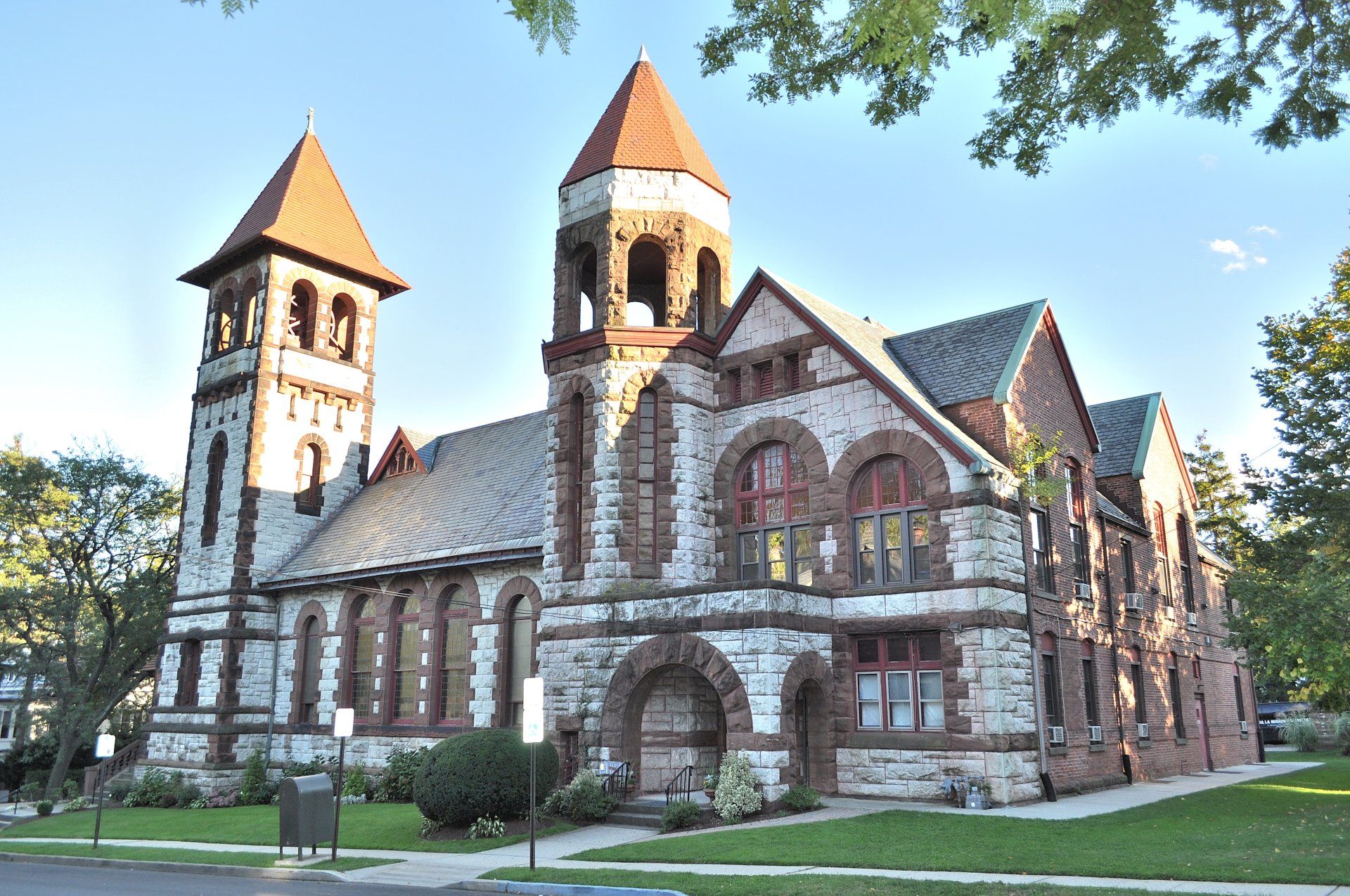
Clarkstown's rich history stretches back to the mid-18th century, and that heritage is woven into the fabric of daily life. The Clarkstown Reformed Church, founded in 1750, stands as one of Rockland County's oldest religious institutions and a living piece of colonial history. The town also benefits from its proximity to the vibrant cultural offerings of the broader Hudson Valley and New York City, just approximately 20 miles to the south. Community events, seasonal festivals, and local theater productions keep the cultural calendar lively throughout the year.
Family Activities & Sports
Families exploring clarkstown ny homes for sale will find a community built around active, engaged living. Youth sports leagues thrive here, and the town's schools — including the well-regarded Clarkstown Central School District — foster a strong athletic culture, from football and lacrosse to fencing and crew. Annual community events bring neighbors together across the town's diverse hamlets, making Clarkstown a place where there's always something happening, whether it's a summer concert series, a local farmers market, or a Friday night high school rivalry game under the lights.
Latest Properties in Clarkstown
Loading latest properties...
History
From Lenape Homeland to Suburban Cornerstone
Long before the first European farmsteads appeared in what is now Rockland County, the Munsee-speaking Lenape people inhabited this landscape for thousands of years, hunting, fishing, and farming along the Hudson River's western shore. European contact arrived in 1609 when Henry Hudson anchored in the broad Tappan Zee, and within decades Dutch settlers were pushing northward from Manhattan in search of farmland. The Tappan Patent of 1682 formalized the first organized land grants in the region, and Dutch families — the Blauvelts, Onderdoncks, and Tallmans among them — established the tight-knit farming communities that gave early Clarkstown its character. The town's very name traces to Daniel De Clarke, a Dutch immigrant born around 1653 who acquired the Kakiat Patent and whose family operated one of the area's earliest gristmills.
Clarkstown was formally established as a township on March 18, 1791, carved out of the town of Haverstraw by the New York State Legislature. Seven years later, when Rockland County was separated from Orange County on February 23, 1798, Clarkstown became one of its five original towns — a founding status that still shapes its role as home to the county seat at New City.
The mid-20th century transformed Clarkstown most dramatically. Postwar demand for suburban housing within commuting distance of New York City — roughly 20 miles to the south — drove rapid residential development across the town's hamlets, from Nanuet to Congers to West Nyack. Those decades of planned subdivision created the mature, tree-lined neighborhoods that define Clarkstown today and underpin a median home price of $758,000. Buyers exploring clarkstown homes for sale are, in a real sense, purchasing into a landscape shaped by three centuries of deliberate settlement — from Dutch sandstone farmhouses to postwar Colonials to contemporary construction filling the last buildable parcels of a nearly fully developed suburb.
Weather
Four Seasons in Clarkstown, NY
Clarkstown, New York experiences a humid continental climate, shaped by its position roughly 20 miles north of New York City in the lower Hudson Valley. The region sits far enough inland to escape significant marine moderation, yet close enough to the metropolitan corridor that it avoids the more extreme winters found deeper in upstate New York. The result is a climate with four genuinely distinct seasons — something many buyers browsing clarkstown ny homes for sale find appealing for its variety and livability.
Summers are warm and humid, with daytime highs typically reaching the upper 80s°F and overnight lows settling in the mid-60s°F. Winters are cold but not brutal, with average highs in the mid-30s°F and lows that frequently dip into the low 20s°F. Snowfall is a regular feature from December through February, though accumulations tend to be moderate compared to areas farther north. Spring and autumn are genuinely pleasant, with mild temperatures, vivid foliage, and comfortable outdoor conditions.
Annual precipitation is fairly evenly distributed throughout the year, averaging around 45 to 50 inches, with no pronounced dry season. Occasional nor'easters can bring significant snow or rain events in winter and early spring.
For homeowners, the climate has real practical implications. Heating costs are a meaningful budget consideration through the long winter months, while central air conditioning is essentially standard in Clarkstown homes. Buyers should also factor in seasonal maintenance — roof and gutter care ahead of winter, and landscaping demands through the warm growing season — all of which contribute to the full cost of ownership here.
Clarkstown Market Analytics
Can I Afford Clarkstown?
Weather