
Cold Spring Hills, New York

Location:
Cold Spring Hills, NY

Welcome to Cold Spring Hills

Cold Spring Hills is a small incorporated village in Putnam County, New York, occupying just 0.6 square miles on the eastern bank of the Hudson River — and making every one of those square miles count. With a population of 1,986 and a median household income of nearly $98,000, this is a community that punches well above its size. What sets Cold Spring Hills apart from neighboring villages like Nelsonville and the hamlet of Garrison is its remarkable concentration of 19th-century architecture, recognized on the National Register of Historic Places as the Cold Spring Historic District — a streetscape shaped largely by workers at the historic West Point Foundry, which once employed 1,400 people and forged munitions that helped decide the Civil War.

For buyers who want genuine Hudson Valley character without sacrificing connectivity, the Cold Spring Metro-North train station delivers commuters to Grand Central Terminal in roughly 70 minutes. The surrounding Hudson Highlands State Park, with trails climbing Breakneck Ridge and Mount Taurus, puts world-class outdoor recreation directly at residents' doorsteps. As remote work continues to reshape where people choose to live, Cold Spring Hills offers something increasingly rare: authentic history, natural beauty, and a direct rail line to Manhattan — all within a community small enough to actually know your neighbors.


Things to Do

Outdoor Recreation

Despite its compact footprint of just 0.6 square miles, Cold Spring Hills punches well above its weight when it comes to outdoor adventure. The Hudson Highlands State Park borders the community to the north, offering some of the most dramatic hiking terrain in the entire Hudson Valley. Trails leading up Mount Taurus and Breakneck Ridge reward hikers with sweeping views of the Hudson River at its deepest point — a geological wonder that has drawn visitors and artists for centuries. For a more leisurely outing, the West Point Foundry Preserve offers a beautifully maintained trail through a wooded ravine, where the ruins of the 19th-century foundry emerge from the landscape like something out of an industrial fairy tale.

History & Culture

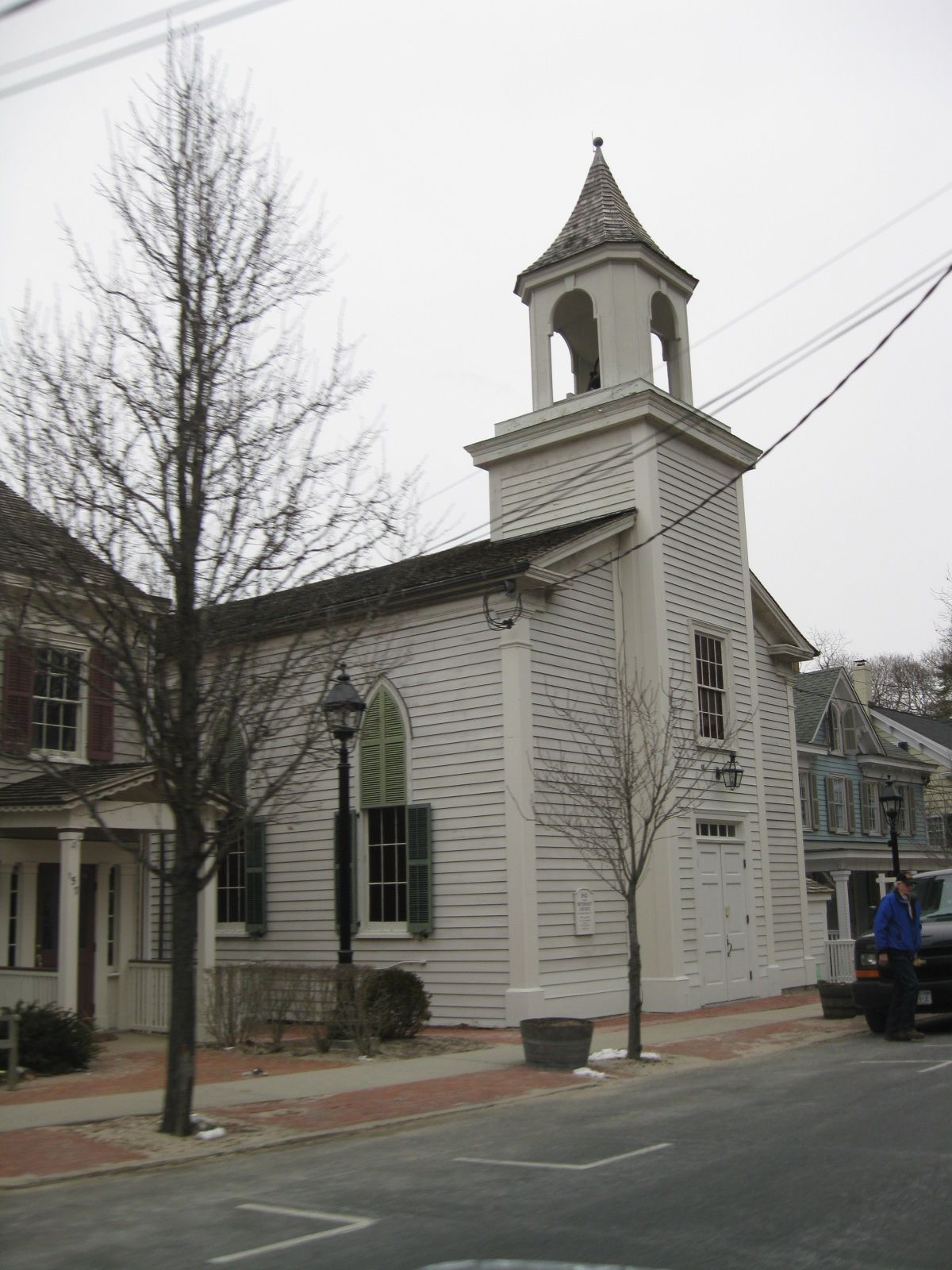
Few communities of this size carry such a remarkable historical legacy. The Cold Spring Historic District, listed on the National Register of Historic Places, preserves a streetscape of well-kept 19th-century buildings that once housed workers from the West Point Foundry. Strolling Main Street feels genuinely immersive — antique shops, art galleries, and independent boutiques occupy storefronts that have stood for well over a century. The area's connection to the Hudson River School of painting is palpable; the same dramatic ridgelines and river vistas that inspired Thomas Cole and his contemporaries are still very much intact.

Dining & Shopping

The village's compact commercial district along Main Street offers a thoughtfully curated mix of dining and retail. Independent cafés, farm-to-table eateries, and casual bistros cater to both weekend visitors arriving by Metro-North and longtime residents. The area's proximity to the Hudson Valley's agricultural bounty means seasonal menus are a genuine point of pride. Browsing the antique dealers and specialty shops along Main Street has become a beloved ritual for day-trippers from New York City, just 70 minutes away by train from Grand Central Terminal.

Family Activities & Seasonal Events

The Cold Spring waterfront is a natural gathering place for families, with the Hudson River providing a stunning backdrop for picnics and casual recreation. The village hosts seasonal farmers markets and community festivals that reflect its tight-knit character. For families with a sense of history, a visit to the West Point Foundry Preserve doubles as both an outdoor excursion and a living history lesson, tracing the site where Parrott rifles were forged during the Civil War.

Latest Properties in Cold Spring Hills

Loading...

Loading latest properties...

See All Properties in Cold Spring Hills

History

From Foundry Town to Sought-After Village

Cold Spring Hills traces its roots to a land deed signed on July 15, 1691, when Dortlandt and Sybrant acquired roughly 17,480 acres along the Hudson's eastern bank from Wappinger leaders — a transaction later acknowledged as legitimately ceded. The first permanent settler, Merrick Williams, arrived in 1730, and a modest riverside trading hamlet had taken shape by the early 1800s, sustained by sloops making weekly runs to New York City carrying timber and produce.

The event that truly shaped the village was Gouverneur Kemble's founding of the West Point Foundry in 1818. Positioned opposite West Point at the deepest point of the Hudson River, the Foundry drew on local ore, timber, and waterpower to produce artillery for the U.S. government. The surge of workers it attracted drove the construction of housing, churches, and businesses, leading directly to Cold Spring's incorporation as a village in 1846, with Joshua Haight as its first president. During the Civil War, the Foundry expanded into a sprawling 100-acre complex employing 1,400 workers, famous for its Parrott rifles. When steel supplanted cast iron and the Foundry closed in 1911, the village pivoted — attracting artists, writers, and wealthy families who built grand estates along Morris Avenue.

That layered legacy — industrial heritage, Hudson River School romanticism, and commuter convenience via Metro-North — directly shapes today's real estate market. The Cold Spring Historic District, listed on the National Register of Historic Places, preserves the 19th-century streetscape that makes the village visually distinctive and consistently desirable. With a median household income of $98,056 and a compact footprint of just 0.6 square miles, Cold Spring Hills remains a tightly held, character-rich community where history is not a backdrop but a genuine driver of property values.

Weather

Cold Spring Hills sits within a humid continental climate zone, a classification that defines much of the Hudson Valley and interior New York. Positioned in the Hudson Highlands of Putnam County, the area experiences four genuinely distinct seasons, each with its own character and demands.

Summers are warm and moderately humid, with daytime highs typically ranging from the mid-80s°F and overnight lows settling comfortably in the low-to-mid 60s°F. Winters are cold and snowy, with average highs in the upper 20s to mid-30s°F and lows that regularly dip into the teens. The surrounding Hudson Highlands terrain plays a meaningful role in local weather patterns — the ridgelines of nearby peaks help channel cold air drainage into valley communities and can intensify snowfall accumulations compared to lower-elevation areas closer to the coast.

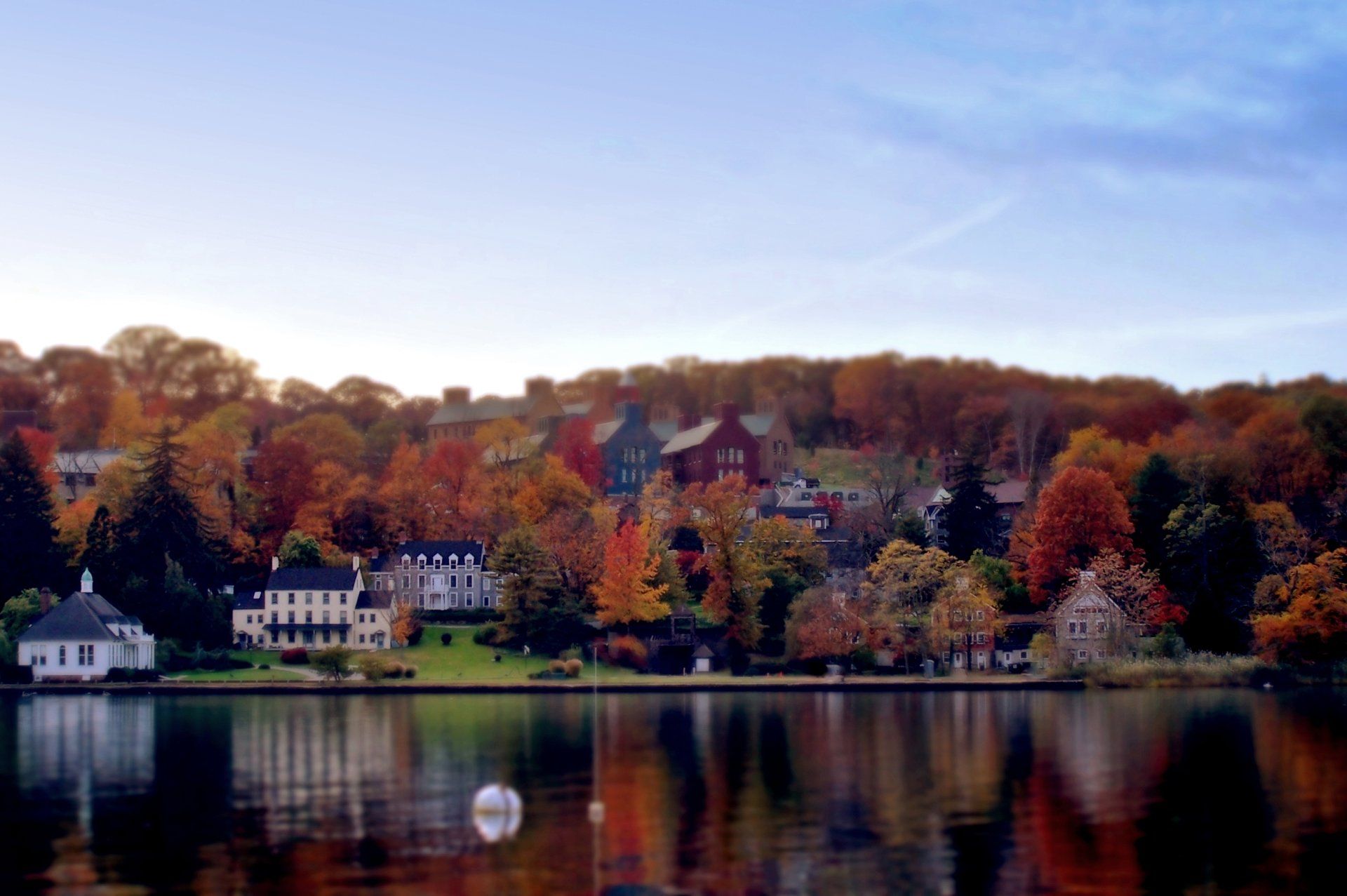
Annual precipitation is spread fairly evenly throughout the year, averaging around 45 to 50 inches, with snow a reliable presence from December through March. Spring and fall are particularly appealing seasons, offering mild temperatures and vivid foliage that draws visitors from across the region.

For prospective homeowners, the climate carries real practical implications. Heating costs are a meaningful budget consideration given the length and severity of winters, and homes benefit from quality insulation and efficient systems. Summers are pleasant enough to support robust outdoor living — decks, gardens, and patios are genuine assets here. Seasonal maintenance, including roof inspections after heavy snow and gutter clearing in fall, is simply part of responsible homeownership in this corner of New York.

Cold Spring Hills Market Analytics

Market analytics data coming soon.
Can I Afford Cold Spring Hills?
$
%
$0
Est. Monthly Payment
$0/yr
Salary Required

*Principal & interest only. Salary based on 28% debt-to-income ratio.

Get Pre-Approved for Cold Spring Hills