
Cold Spring, New York

Location:
Cold Spring, NY

Welcome to Cold Spring

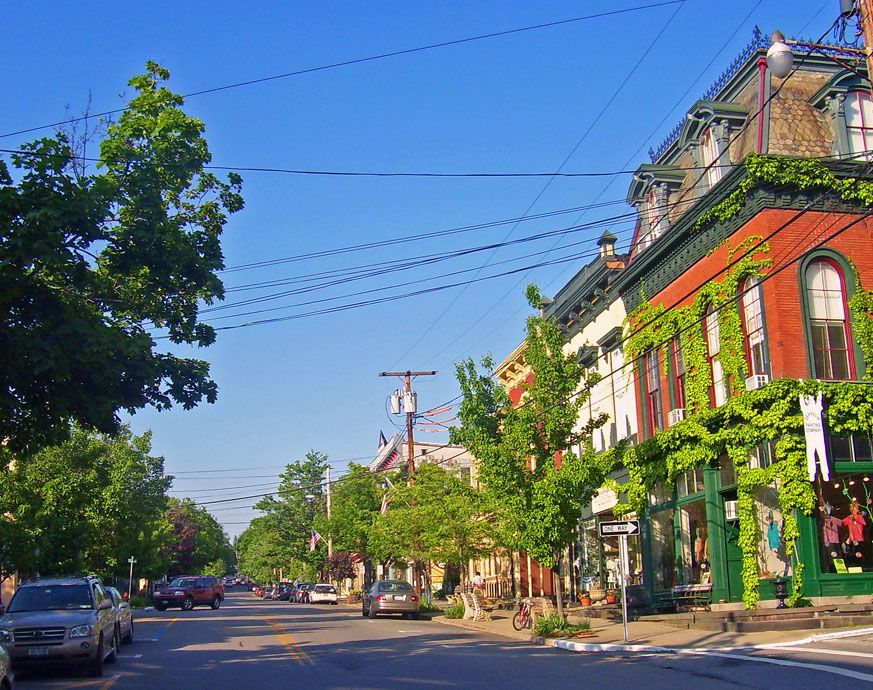
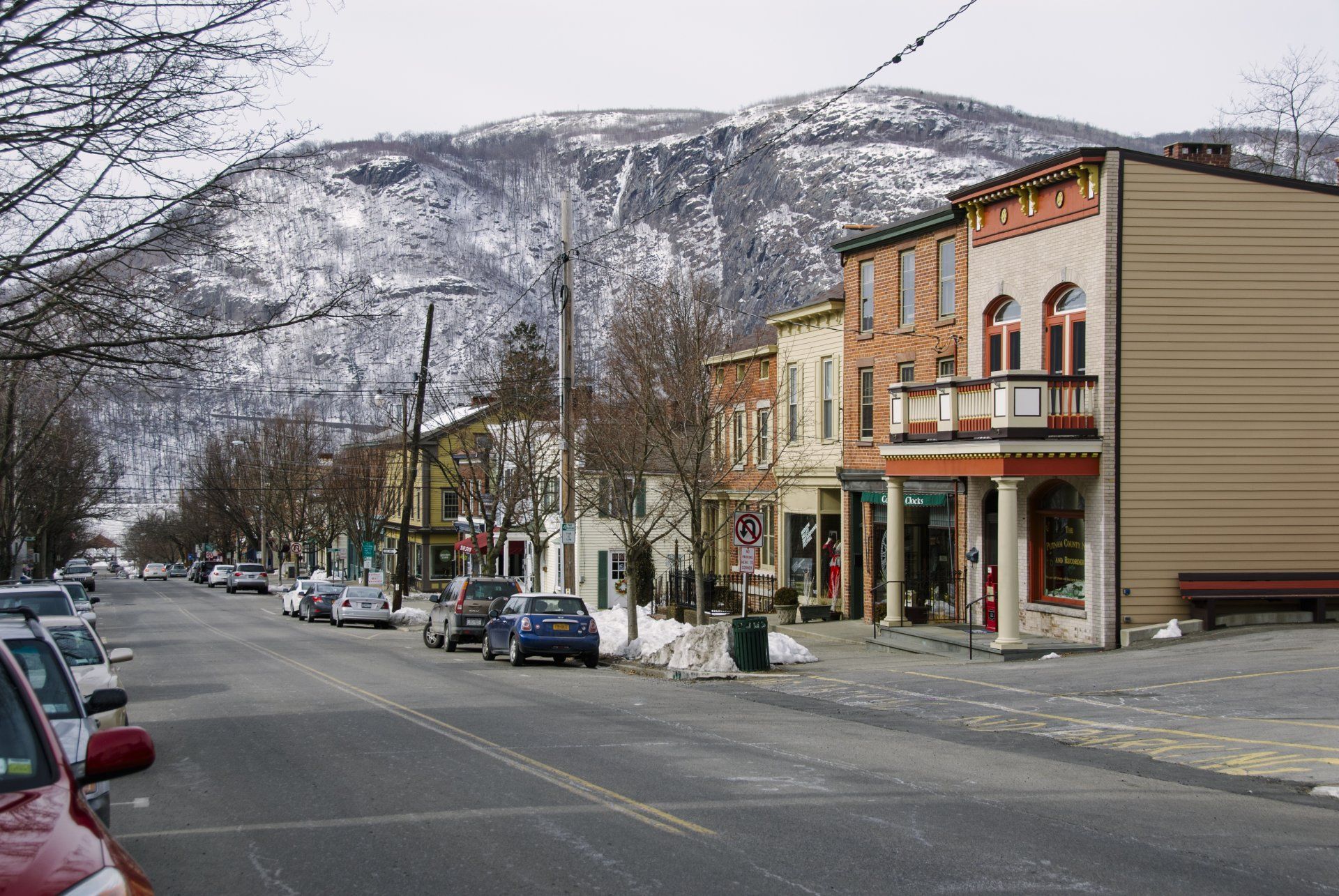
Situated on the west bank of the Hudson River in Putnam County, Cold Spring is a village that has been shaped by its geography as much as by its history. Founded as a manufacturing hub in the early 19th century — the West Point Foundry, established here in 1817, once produced some of the most advanced iron artillery in the country — Cold Spring carries a depth of character that newer Hudson Valley communities simply cannot replicate. Where neighboring Beacon draws buyers seeking a more urban arts scene, and Garrison appeals to those wanting seclusion, Cold Spring strikes a rare balance: a walkable, architecturally intact 19th-century streetscape with direct access to the natural world.

Hudson Line Metro-North service connects the village to Grand Central Terminal in roughly 90 minutes, making it a serious option for commuters who want to trade city density for a front porch with mountain views. Breakneck Ridge and Hudson Highlands State Park Preserve sit practically at the doorstep. The Haldane Central School District serves local families with a tight-knit, community-oriented educational environment. For those browsing homes for sale in Cold Spring NY, the appeal is straightforward: this is a place where history, landscape, and livability converge — and where that combination shows no sign of losing its pull.


Community Profile

Tucked into Putnam County along the Hudson River, this small but remarkably accomplished village of 1,863 residents punches well above its weight in nearly every measure that matters to prospective homeowners. The median household income here reaches $117,292 — well above the national median of roughly $75,000 — and an impressive 55.6% of households earn six figures or more, reflecting a community of established professionals who have deliberately chosen village life without sacrificing career success. That educational foundation runs deep: 69.3% of residents hold a bachelor's degree or higher, more than double the national rate, and nearly 30% have earned a graduate degree.

The age profile tells a nuanced story. At a median age of 43 years, Cold Spring skews slightly older than the national average, with a meaningful 22.9% of residents over 65 — yet a robust 20.1% of the population falls in the 30–39 bracket, signaling that younger families are actively planting roots here. With 59% of residents married and an average family size of 2.86, the community has a warm, settled character. The poverty rate of just 4.5% and an uninsured rate of only 2% speak to genuine economic security across the village. Those exploring homes for sale in Cold Spring, NY will find a median home value of $596,277 — a premium over the national benchmark that reflects both the area's natural beauty and its enduring desirability among Hudson Valley buyers. The average commute of 50.9 minutes is the expected trade-off for Metro New York access, and for most residents, the reward of returning to this storied riverfront village makes every minute worthwhile.

Things to Do

Outdoor Recreation

Cold Spring sits at one of the most dramatic bends of the Hudson River, and the outdoors here is nothing short of spectacular. Hudson Highlands State Park Preserve wraps around the village and offers miles of challenging and rewarding trails, including the beloved Cornish Estate ruins trail and the climb up Bull Hill (Mount Taurus), which rewards hikers with sweeping panoramic views of the Hudson Valley. The Appalachian Trail passes nearby, drawing long-distance trekkers as well as day hikers looking for a quick escape from the city. The Cold Spring waterfront itself — anchored by a charming gazebo and a small riverside park — is perfect for an afternoon stroll, with unobstructed views across to Storm King Mountain. Kayakers and anglers also take advantage of the river access here throughout the warmer months.

Arts & Culture

Cold Spring punches well above its weight culturally. The Putnam History Museum, housed in a historic building steps from the waterfront, chronicles the rich industrial and social heritage of the Hudson Highlands, including the village's storied role as an iron-foundry town during the Civil War era. The village's Main Street doubles as a gallery corridor, with independent art studios and antique shops occupying 19th-century storefronts. Antique hunting is practically a local sport here — the density of quality dealers along Main Street draws collectors from across the region.

Dining & Shopping

The restaurant scene in Cold Spring is intimate and carefully curated. The compact downtown offers farm-to-table dining, cozy cafés, and casual spots where locals and weekenders mix easily after a day on the trails. Boutique retail — home goods, books, vintage clothing, artisan goods — lines both Main Street and the side streets leading toward the river, making for a genuinely pleasant afternoon of browsing. Those considering homes for sale in Cold Spring NY are often drawn in precisely by this walkable, village-scale character that feels rare so close to New York City.

Family Activities & Seasonal Events

Cold Spring hosts a vibrant calendar of seasonal events, including outdoor concerts, holiday festivals, and the popular Hudson Valley Garlic Festival held nearby each autumn. The waterfront and surrounding parks make this an easy destination for families year-round, with picnicking, birdwatching, and river exploration all within easy reach of the village center.

Latest Properties in Cold Spring

Loading...

Loading latest properties...

See All Properties in Cold Spring

History

From Iron Foundry to Hudson Valley Gem

Cold Spring's story begins in earnest with the founding of the West Point Foundry in 1817, an industrial enterprise that would define the village for more than a century. Established along the Hudson River at the foot of the Hudson Highlands, the foundry became one of the most strategically important manufacturing sites in the United States, producing the Parrott rifle — a rifled artillery cannon that played a decisive role in the Civil War — under the direction of Robert Parker Parrott, who managed the facility from 1836 until its decline after the war. At its peak, the foundry employed hundreds of workers, and the dense rows of modest workers' cottages and Federal-style homes built to house them form the architectural backbone of Cold Spring's historic streetscape today.

The village was formally incorporated in 1846, by which time it had developed a compact, walkable grid of streets descending toward the river — a layout that remains essentially unchanged. When the foundry closed in 1911, Cold Spring transitioned gradually from an industrial town to a quieter residential community, its fortunes tied increasingly to the scenic grandeur of the Hudson Valley and the arrival of the railroad, which had connected the village to New York City since the 1840s.

That same railroad connection is a central reason why homes for sale in Cold Spring, NY attract so much interest today. The Victorian-era commercial buildings along Main Street, the Federal and Greek Revival houses on the side streets, and the preserved industrial ruins of the West Point Foundry — now a public park — give the village a living-history quality that newer suburbs simply cannot replicate. Buyers searching houses for sale in Cold Spring, NY are, in many ways, purchasing a piece of that 19th-century fabric, one that has been carefully maintained rather than redeveloped away.

Weather

Four Distinct Seasons in the Hudson Valley

Cold Spring, New York experiences a humid continental climate, shaped by its position in the Hudson Valley and its proximity to the Hudson Highlands. The surrounding mountains channel and amplify weather systems, giving this small village a character that feels more dramatic than its modest latitude might suggest. Residents and anyone browsing homes for sale in Cold Spring NY should come prepared for genuine seasonal variety.

Summers are warm and moderately humid, with daytime highs typically climbing into the mid-to-upper 80s°F and overnight lows settling in the low-to-mid 60s. Winters are cold and snowy, with average highs in the low-to-mid 30s°F and lows frequently dipping into the teens. The Hudson Highlands terrain can intensify localized snowfall and create notable temperature inversions along the river corridor.

Annual precipitation is fairly evenly distributed throughout the year, averaging around 45 to 50 inches, with snow accumulation adding meaningfully to winter totals. Spring and fall are particularly beautiful — cool, crisp, and colorful — but both seasons can bring heavy rain and rapid temperature swings.

For prospective buyers, the climate has real practical implications. Heating costs are a genuine budget consideration, and older homes require diligent weatherproofing. Snow removal, roof maintenance, and drainage management matter here. On the upside, the four-season landscape is a core part of Cold Spring's appeal, supporting vibrant outdoor living from the first warm days of May through the brilliant foliage of October.

Cold Spring Market Analytics

The Cold Spring market is showing signs of stability and growth, with the average home value increasing by 2.3% over the past year to $690,612, according to data analyzed by Opulist. This steady appreciation suggests that the market is balancing, with neither buyers nor sellers having a significant advantage, making it a good time to consider buying or selling a home in Cold Spring. As a result, now may be an ideal time to explore your options in this market, and Opulist is here to guide you through the process.


1-Year Home Value Change: +2.3%

Cold Spring Home Value Index over time.

Can I Afford Cold Spring?
$
%
$0
Est. Monthly Payment
$0/yr
Salary Required

*Principal & interest only. Salary based on 28% debt-to-income ratio.

Get Pre-Approved for Cold Spring