
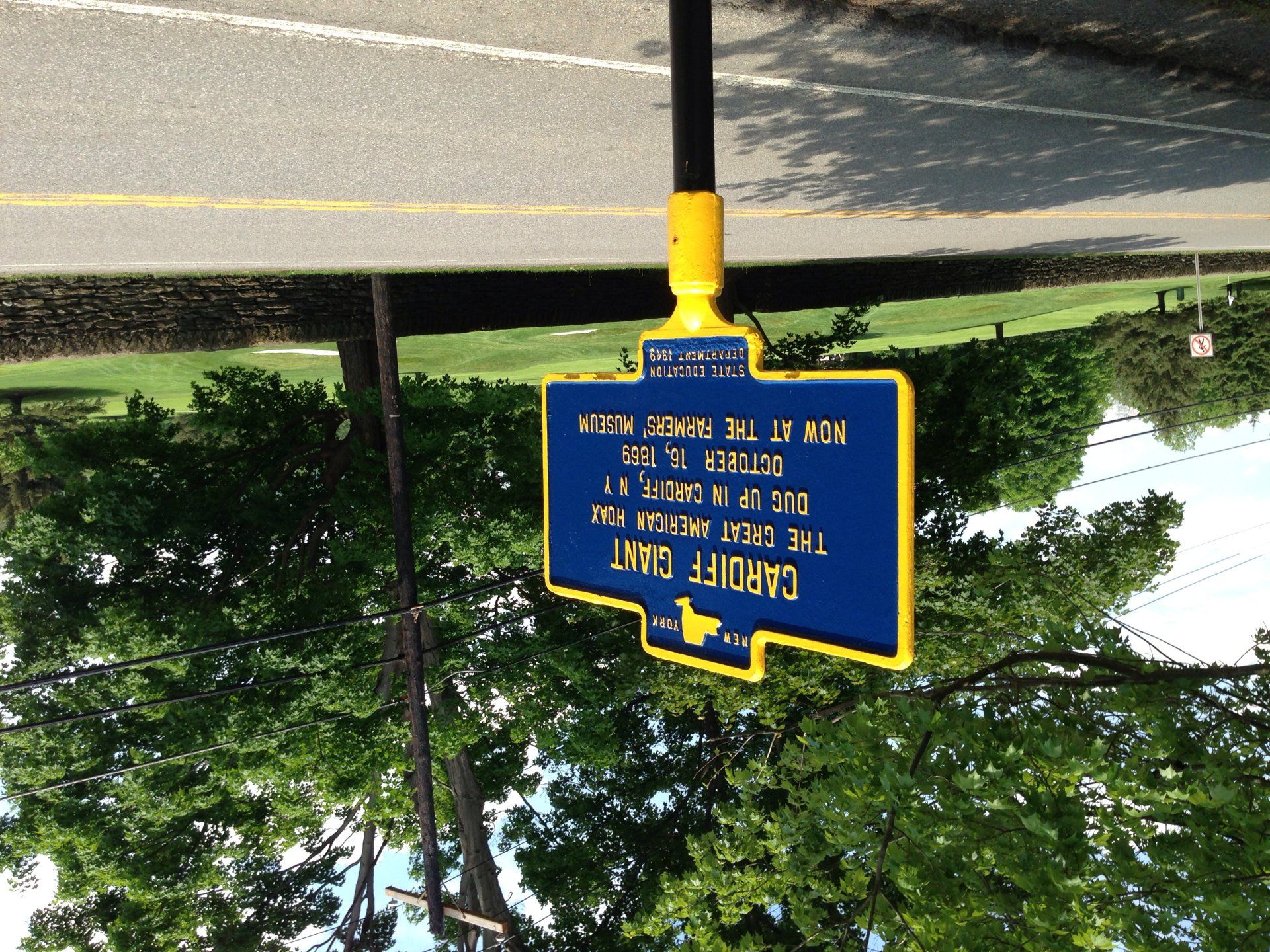
Founded in 1786 by William Cooper on the southern shore of Otsego Lake, Cooperstown is the county seat of Otsego County and one of the most historically layered small villages in New York State. Within just 1.85 square miles, it holds an extraordinary concentration of American cultural heritage — from the National Baseball Hall of Fame and Museum to the Fenimore Art Museum and the outdoor living history of the Farmers' Museum. What sets Cooperstown apart from neighboring Oneonta or Richfield Springs isn't just its museums; it's the rare coherence of its historic streetscape, its position at the headwaters of the Susquehanna River, and the way Otsego Lake shapes daily life in every season. Students here are served by the Cooperstown Central School District, and the village's Main Street retains an authenticity that larger communities have long since lost. For those exploring homes for sale in Cooperstown, NY, the appeal is clear: this is a place where architectural history, natural beauty, and genuine cultural identity converge — and where that combination shows no sign of fading.
Welcome to Cooperstown
Community Profile
Nestled along the southern shore of Glimmerglass Lake in Otsego County, this storied village of 2,220 residents punches well above its size in education, income, and quality of life. Cooperstown's median household income of $76,000 essentially matches the national average — impressive for a small upstate New York community — and a remarkable 40.3% of households earn six figures or more. That prosperity is underpinned by one of the most educated populations you'll find anywhere: 61.1% of residents hold a bachelor's degree or higher, nearly double the national rate of 33%, and 34.8% have earned a graduate degree. The presence of Bassett Healthcare Network and the institutions surrounding the Baseball Hall of Fame help explain both the high educational attainment and the strong STEM representation of 48.7% among degree holders.
For those exploring homes for sale in Cooperstown, NY, the numbers tell an encouraging story. The median home value of $396,134 reflects the village's genuine desirability, while renters enjoy a notably low rent burden of just 21% of income — a sign of financial breathing room rarely seen in sought-after communities. The average commute of only 11.6 minutes is a lifestyle advantage that residents quietly treasure. With a median age of 43.5 years and nearly a quarter of the population over 65, Cooperstown has a settled, established character, yet the 20.7% share of twenty-somethings adds a youthful energy that keeps this small village dynamic. Whether you're drawn by the cultural richness or the compact, walkable scale, Cooperstown homes for sale offer a rare blend of intellectual community and small-town serenity.
Things to Do
Arts & Culture
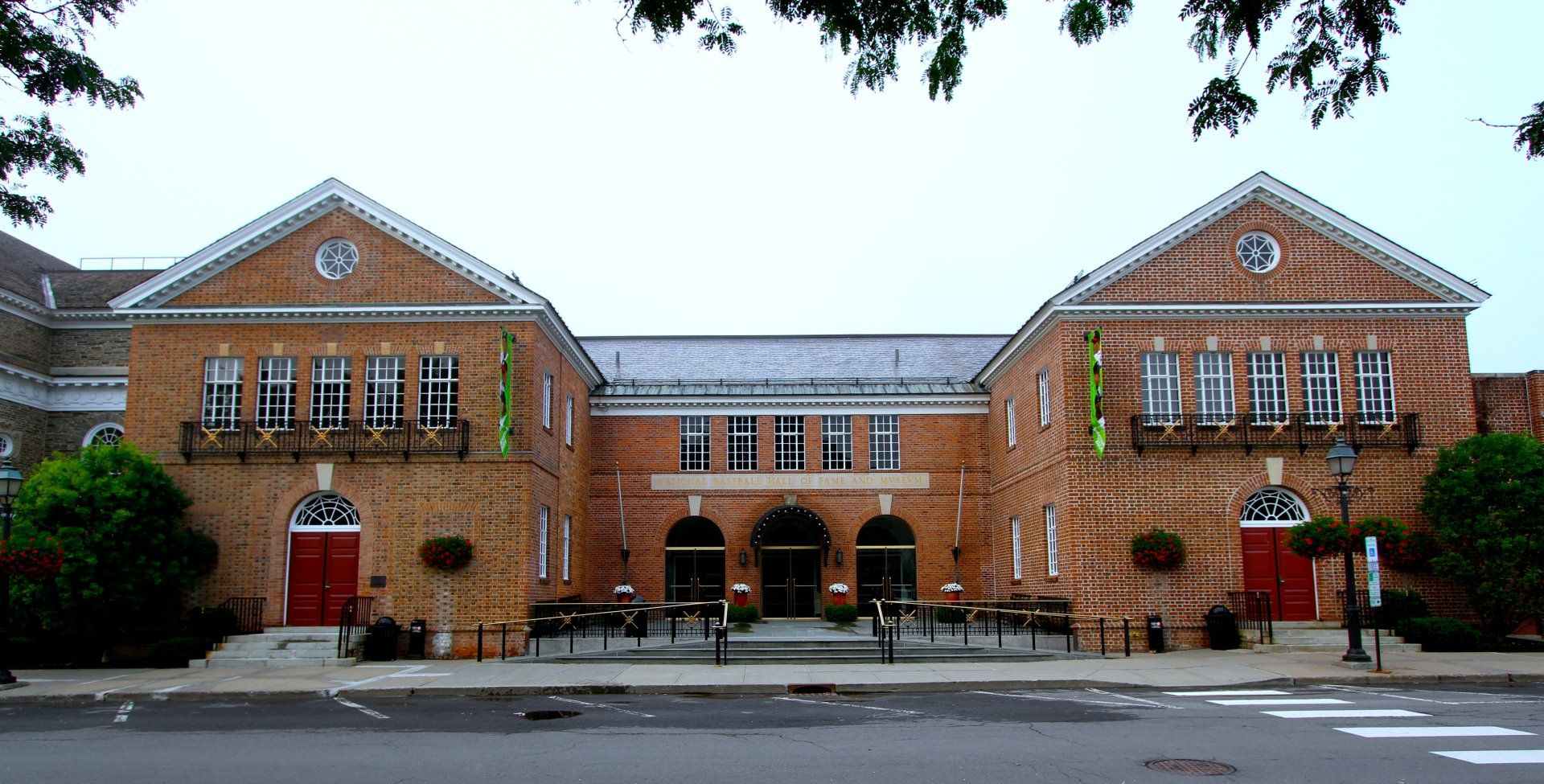
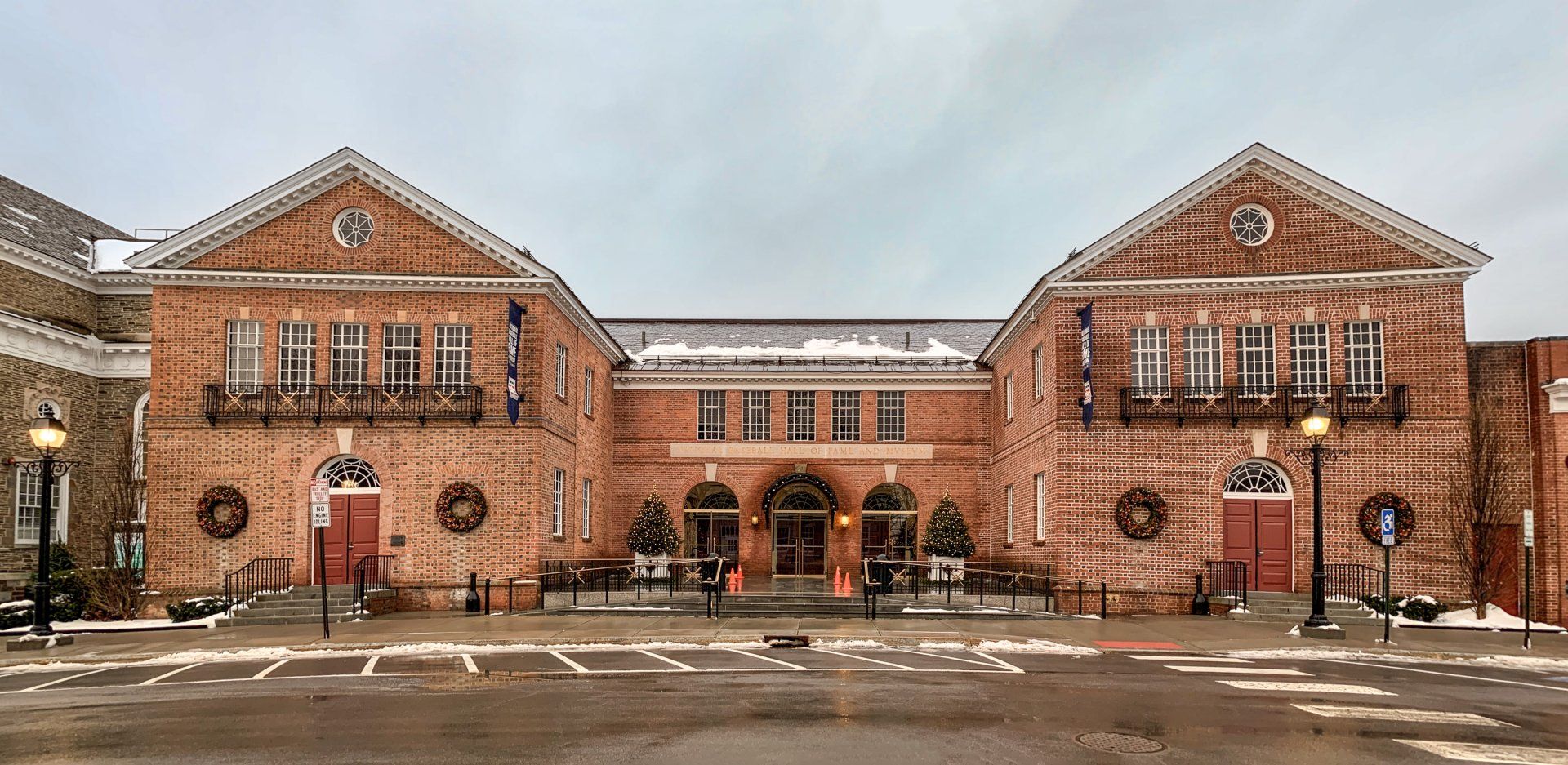
Cooperstown punches well above its weight for a village of fewer than 2,000 residents. The National Baseball Hall of Fame and Museum on Main Street is the undisputed centerpiece — a world-class institution that has drawn pilgrims from across the globe since it opened in 1939. Just up the road, the Fenimore Art Museum houses one of the country's finest collections of American folk art, while the neighboring Farmers' Museum offers an immersive outdoor living-history experience that brings 19th-century rural New York vividly to life. Each summer, the Glimmerglass Festival transforms the area into an operatic destination, staging productions that attract serious music lovers from well beyond the region.
Outdoor Recreation
Otsego Lake — the "Glimmerglass" of James Fenimore Cooper's imagination — sets the tone for outdoor life here. Boating, fishing, and swimming are warm-weather staples, and Glimmerglass State Park on the lake's eastern shore offers hiking trails, a swimming beach, and picnic areas with gorgeous views of the water. The surrounding hills and forests of Otsego County provide ample terrain for hiking and cycling, and the headwaters of the Susquehanna River flow right from the lake's outlet, adding a sense of natural drama to even a casual lakeside stroll.
Dining & Shopping
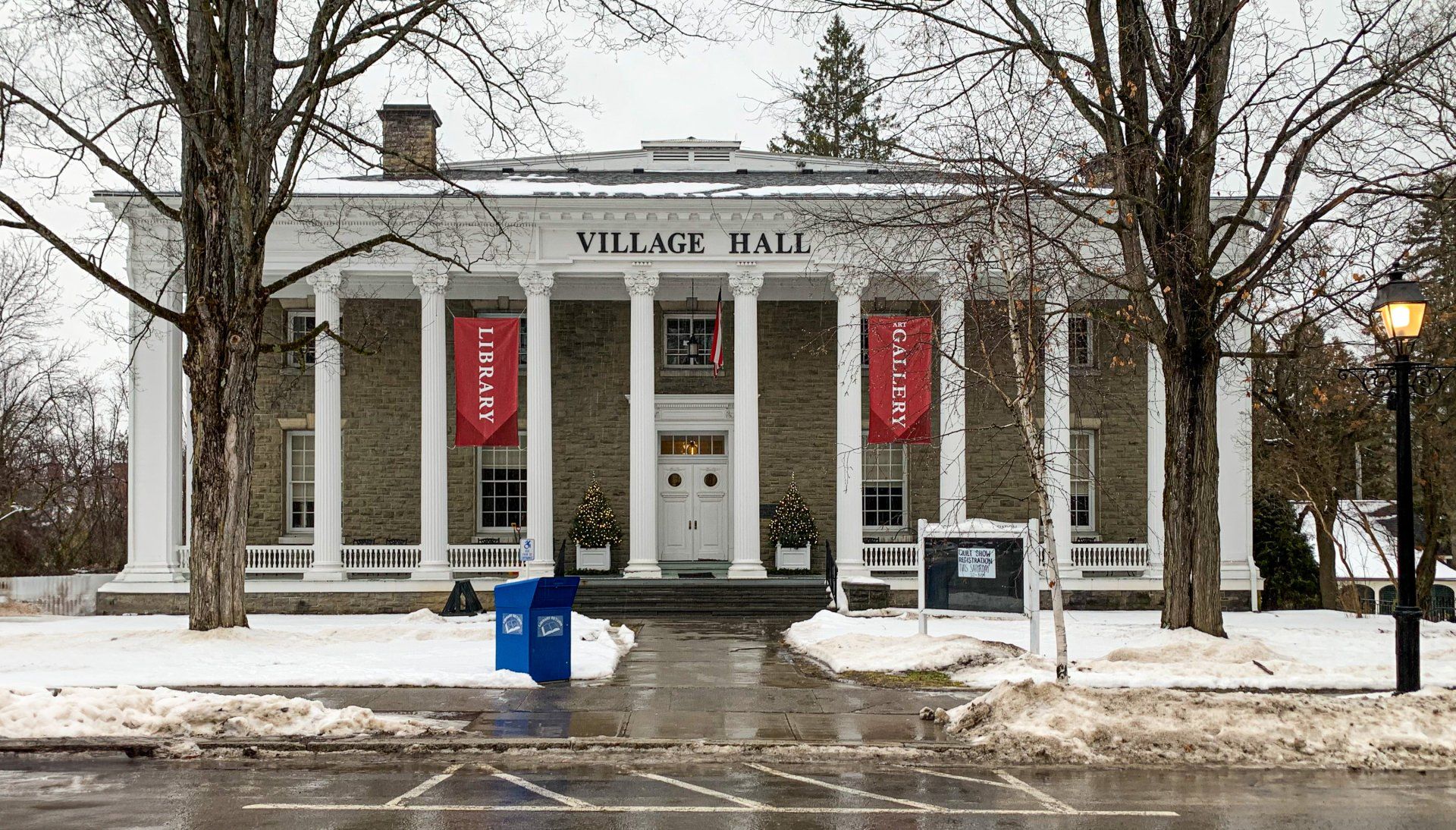
Historic Main Street is the social and commercial heart of the village, lined with shops, galleries, and eateries that reflect Cooperstown's character as both a working community and a beloved tourist destination. The Cooperstown Farmers' Market draws locals and visitors alike with seasonal produce and regional goods. For a more refined stay or meal, the landmark Otesaga Resort Hotel — a grand 1909 property listed on the National Register of Historic Places — offers dining and hospitality in an elegantly preserved setting overlooking the lake.
Family Activities & Annual Events
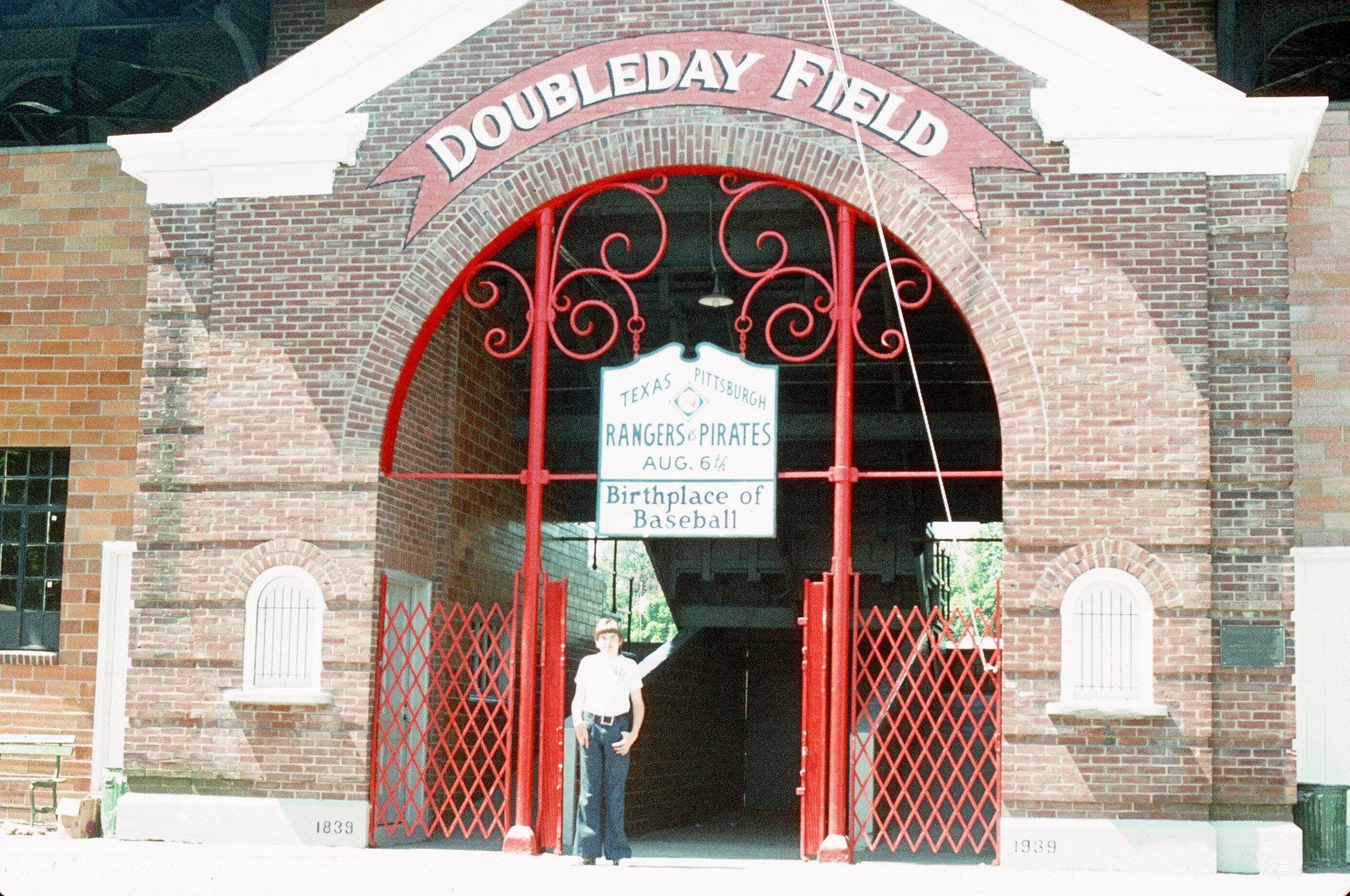
Cooperstown is exceptionally family-friendly. Doubleday Field, the storied ballpark in the heart of the village, hosts games and events that connect visitors to baseball's mythology in a tangible way. The annual Hall of Fame Induction Weekend each summer transforms the village into a celebration of the sport, drawing enormous crowds and a festive atmosphere. For families browsing homes for sale in Cooperstown NY, the combination of cultural richness, outdoor access, and small-town warmth makes this one of upstate New York's most distinctive places to put down roots.
Latest Properties in Cooperstown
Loading latest properties...
History
From Frontier Patent to Landmark Village
Cooperstown's story begins in 1786, when Pennsylvania merchant and land speculator William Cooper acquired roughly 40,000 acres of the Otsego Patent — land opened to European settlement following the 1768 Treaty of Fort Stanwix — and began laying out a planned village on the southern shore of Otsego Lake. Moving quickly, Cooper built a residence and store on Main Street by 1788, established mills and potash works, and sold parcels to hundreds of families migrating from New England. The settlement was formally incorporated on April 3, 1807, and renamed the Village of Cooperstown in 1812 to honor its founder.
That same frontier landscape shaped one of American literature's most celebrated voices. William's son, James Fenimore Cooper (1789–1851), grew up in the village and immortalized Otsego Lake as "Glimmerglass" in his Leatherstocking Tales, giving the region an enduring cultural identity that still resonates today — most visibly in the Fenimore Art Museum, which occupies land once belonging to the Cooper family.
The 20th century brought the village's most transformative institution: the National Baseball Hall of Fame and Museum, founded in 1939 by Stephen Carlton Clark. Tourism gradually replaced 19th-century industries like printing and agriculture as the economic backbone, reshaping Main Street from a practical village square into a destination corridor. The Cooperstown Historic District, listed on the National Register of Historic Places in 1980, locked in the architectural character of the pre-1900s core — the same Greek Revival and Victorian streetscapes that make homes for sale in Cooperstown, NY so appealing to buyers seeking authenticity over new construction.
Today, that layered history — indigenous gathering sites, a founder's planned grid, literary legend, and baseball mythology — gives Cooperstown real estate a sense of place that simply cannot be replicated.
Weather
Four Seasons in the Foothills: Cooperstown's Climate
Cooperstown experiences a humid continental climate, shaped by its position in the rolling hills of central New York at an elevation of roughly 1,200 feet above sea level. That elevation, combined with the moderating presence of Otsego Lake and the surrounding Susquehanna River watershed, gives the village distinct, well-defined seasons — each with its own character and beauty.
Summers are pleasantly warm rather than oppressive, with daytime highs typically ranging from the mid-70s to low 80s°F and overnight lows settling into the 50s. Winters are cold and snowy, with average highs in the upper 20s to mid-30s°F and lows that frequently dip into the teens. Spring and autumn are transitional but memorable — fall in particular brings vivid foliage that draws visitors from across the region.
Precipitation is fairly evenly distributed throughout the year, averaging around 40 inches annually, with additional snowfall accumulation common from December through March. The elevated terrain can enhance lake-effect and orographic moisture, meaning residents should expect a genuine winter season rather than a mild one.
For anyone exploring homes for sale in Cooperstown, NY, these climate realities carry practical weight. Heating systems are essential and well-maintained homes will feature quality insulation and efficient furnaces. Summer outdoor living — on porches, lakefronts, and garden spaces — is a genuine seasonal pleasure, but buyers should also budget for roof maintenance, snow removal, and the kind of seasonal upkeep that comes with owning property in a four-season climate.
Cooperstown Market Analytics
Cooperstown Home Value Index over time.
Can I Afford Cooperstown?
Weather