Copiague, New York

Location:
Copiague, NY

Welcome to Copiague

Copiague is a hamlet in the Town of Babylon, Suffolk County, sitting directly along the Great South Bay on Long Island's South Shore — a waterfront position that has shaped its identity since the Secatogue people first called this place a "sheltered harbor," the meaning behind the community's Native American name. About 35 miles east of Manhattan, Copiague occupies a distinctive stretch of bayfront geography that its neighbors simply don't share: three separate peninsulas — Amity Harbor, Copiague Harbor, and the architecturally unique American Venice — extend south of Montauk Highway, giving the hamlet a coastal character that sets it apart from inland communities like North Amityville to the north.

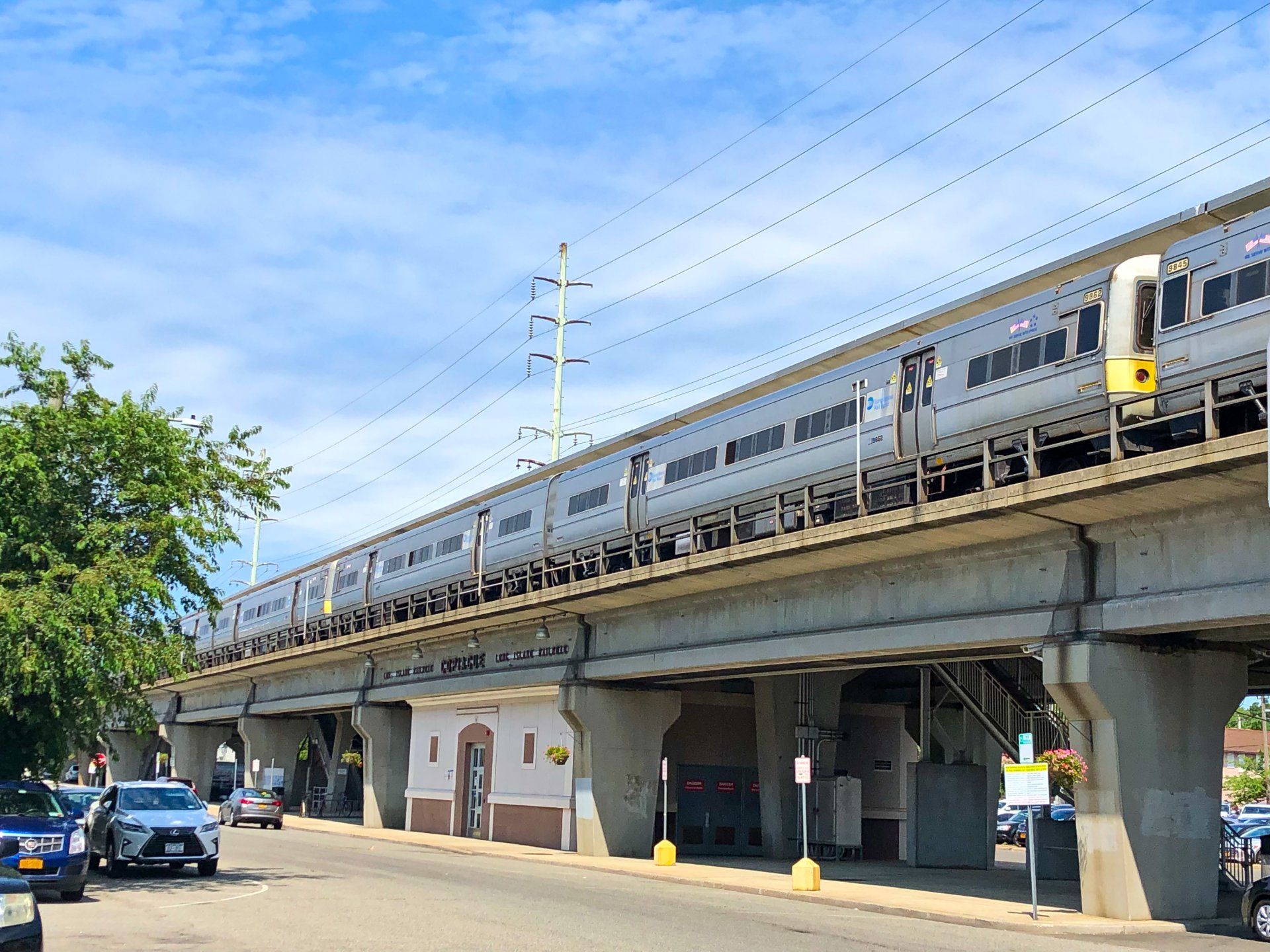
Families here are served by the Copiague Union Free School District, home to Walter G. O'Connell Copiague High School, and commuters benefit from direct access to the Long Island Rail Road, which has connected this community to the broader region since the 1870s. With a median household income of $121,098 and a median home price of $463,300, Copiague offers genuine South Shore value. Whether you're exploring apartments in Copiague or weighing a long-term purchase, this is a community where waterfront living, transit access, and a deeply rooted sense of place make a compelling case for putting down roots.

Community Profile

Nestled along the South Shore of Long Island in Suffolk County, this community of 23,424 residents punches well above its weight when it comes to household prosperity. The median household income here stands at a striking $127,369 — nearly 70% above the national median — and an impressive 64.1% of households earn six figures or more, reflecting a community where dual-income families (a robust 63.1% of the population) have built genuine financial stability. That economic strength translates directly into one of the most notable homeownership rates you'll find anywhere: 79.7%, far outpacing the national average of 65.5% and signaling deep, long-term investment in the neighborhood.

The community skews slightly younger than the national median, with a median age of just 37.3 years, and the age distribution tells a family-forward story — children under 10 make up 12.4% of residents, and the average family size is a warm 3.61 people. Diversity is one of this hamlet's most defining traits: the population is nearly evenly split between White and Hispanic/Latino residents at 46.3% and 45.5% respectively, creating a genuinely bicultural character that enriches daily life. Commuters benefit from a manageable 31-minute average commute into the broader New York metro, and with a poverty rate of just 5.7%, the community's economic footing remains impressively solid. Those exploring apartments in Copiague or considering a first home purchase will find a tight-knit, prosperous, and beautifully diverse South Shore community worth serious attention.

Things to Do

Outdoor Recreation & Waterfront

Copiague's greatest natural asset is its position along Great South Bay, and residents make the most of it year-round. Tanner Park is the community's crown jewel — a waterfront park offering a marina, picnic areas, athletic fields, and direct bay access that draws families from across the Town of Babylon. The park's marina serves as a hub for boating, fishing, and warm-weather recreation, and the surrounding grounds come alive on summer weekends with cookouts and community gatherings. South of Montauk Highway, the hamlet's three distinct peninsulas — Amity Harbor, Copiague Harbor, and the charming American Venice neighborhood — offer scenic waterfront walks along canals that were hand-excavated in the 1920s to evoke the architecture and spirit of Venice, Italy. Kayaking and paddleboarding along these quiet waterways is a favorite warm-weather pastime.

History & Culture

History runs deep in Copiague, and curious residents and visitors have plenty to explore. Bethel A.M.E. Church, founded in 1815, holds the distinction of being the oldest African Methodist Episcopal church on Long Island — a landmark of profound cultural and spiritual significance dedicated in 1986 as Long Island's oldest Black church. The Great Neck Road School, built in 1911, stands as the oldest elementary school in the Town of Babylon and reflects the hamlet's long educational heritage. History enthusiasts will also appreciate the markers commemorating the Babylon Railroad Company's electric trolley route, which once connected communities across the South Shore beginning in 1909. The Copiague Memorial Public Library actively preserves this layered history through an ongoing oral history project documenting the immigrant experiences that shaped the community.

Dining & Shopping

Commercial life in Copiague centers largely along Sunrise Highway and Montauk Highway, where a mix of local eateries, service businesses, and everyday retail reflects the community's multicultural character. The strong Italian-American heritage that helped build this hamlet is still felt in the local dining scene, alongside Hispanic culinary influences that have grown significantly in recent decades. Whether you're a longtime resident or someone exploring apartments in Copiague for the first time, the area's accessible commercial corridors make daily errands and dining out genuinely convenient.

Family Activities & Community Events

With a median age of just 38.4 and nearly a quarter of the population under 18, Copiague is very much a family-oriented community. Youth sports leagues, school events through the Copiague Union Free School District, and seasonal programming at Tanner Park keep families engaged throughout the year. The hamlet's proximity to broader South Shore attractions — including Robert Moses State Park and Jones Beach State Park, both reachable within a short drive — means that world-class ocean beaches are never far away. Manhattan is approximately 35 miles to the west, making day trips to the city entirely practical for those who want a dose of urban culture without sacrificing the ease of South Shore suburban living.

Latest Properties in Copiague

Loading...

Loading latest properties...

See All Properties in Copiague

History

From Sheltered Harbor to Suburban Stronghold

The name Copiague comes from a Native American term — likely rooted in the language of the Secatogue people, an Algonquian-speaking tribe who fished and sheltered along Great South Bay for thousands of years before European contact — meaning "sheltered harbor" or "sheltered place." That name stuck even as the community cycled through earlier designations like Powell's, East Amityville, and Great Neck. It was formally adopted in 1901 when the Long Island Rail Road opened a depot here, cementing the hamlet's identity. The railroad itself had arrived decades earlier: the South Side Railroad laid tracks through the area in 1867, with the LIRR absorbing operations by 1876, making Copiague accessible to the broader region long before the automobile era.

The early 20th century brought a wave of Italian immigrants and an ambitious real estate vision. In 1925, developers Isaac Meister and Victor Pisani broke ground on approximately 365 acres along the bay, excavating canals and building stucco homes with arched doorways and Venetian-style bridges — a neighborhood that became known as American Venice and still defines the southeastern peninsula today. The Copiague Volunteer Fire Department was founded in 1928 to serve this growing community, and it remains the hamlet's sole fire and rescue provider nearly a century later.

The most transformative chapter came after World War II. Copiague's population exploded from just 1,125 residents in 1940 to over 14,000 by 1960, as returning veterans and their families filled in block after block of single-family homes across the Town of Babylon. Those postwar streets — modest, well-rooted, and close to the water — form the backbone of the housing stock that drives today's market, where the median home price sits at $463,300. For those exploring apartments for rent in Copiague, the median rent of $2,003 reflects both the area's suburban desirability and its enduring connection to a community built, quite literally, on solid historical ground.

Weather

Four Seasons on the South Shore

Copiague experiences a humid subtropical climate — the same classification that defines much of Long Island's south shore — tempered significantly by its position along Great South Bay. The bay acts as a natural moderator, softening temperature extremes in both summer and winter and giving Copiague slightly milder conditions than inland communities at the same latitude.

Summers are warm and humid, with daytime highs typically ranging from the mid-80s°F and overnight lows settling in the upper 60s. The proximity to open water keeps the most oppressive heat at bay, though humidity remains a constant companion from June through August. Winters are cold but rarely brutal by Northeast standards, with average highs in the mid-30s to low 40s°F and lows dipping into the 20s. Coastal proximity means snow accumulations tend to be lighter here than in northern Suffolk County, though nor'easters can bring significant storms and occasional coastal flooding to the bayfront peninsulas.

Annual precipitation is distributed fairly evenly throughout the year, averaging around 45 inches, with no pronounced dry season. Spring and fall are genuinely pleasant — mild temperatures and lower humidity make these the most comfortable months for outdoor living along the waterfront.

For residents and those exploring apartments in Copiague, the climate carries real practical implications. Heating costs are a meaningful winter expense, air conditioning is essential in summer, and waterfront properties require diligent seasonal maintenance against salt air, wind, and storm surge. On the upside, the long shoulder seasons make outdoor living — particularly along the bay — a genuine year-round draw.

Copiague Market Analytics

The Copiague housing market is experiencing a slight decline in home values, with a 0.5% decrease over the past year, according to data analyzed by Opulist. This suggests the market is balancing, with the average home value in Copiague, NY being $567,831, and a median list price of $629,666, indicating a potential opportunity for buyers to negotiate. With new listings and for-sale inventory available, now may be a good time for buyers to explore the Copiague market, and as an Opulist expert, I can help guide you through the process.


1-Year Home Value Change: -0.5%

Copiague Home Value Index over time.

Can I Afford Copiague?
$
%
$0
Est. Monthly Payment
$0/yr
Salary Required

*Principal & interest only. Salary based on 28% debt-to-income ratio.

Get Pre-Approved for Copiague