
Cos Cob, Connecticut

Location:
Cos Cob, CT

Welcome to Cos Cob

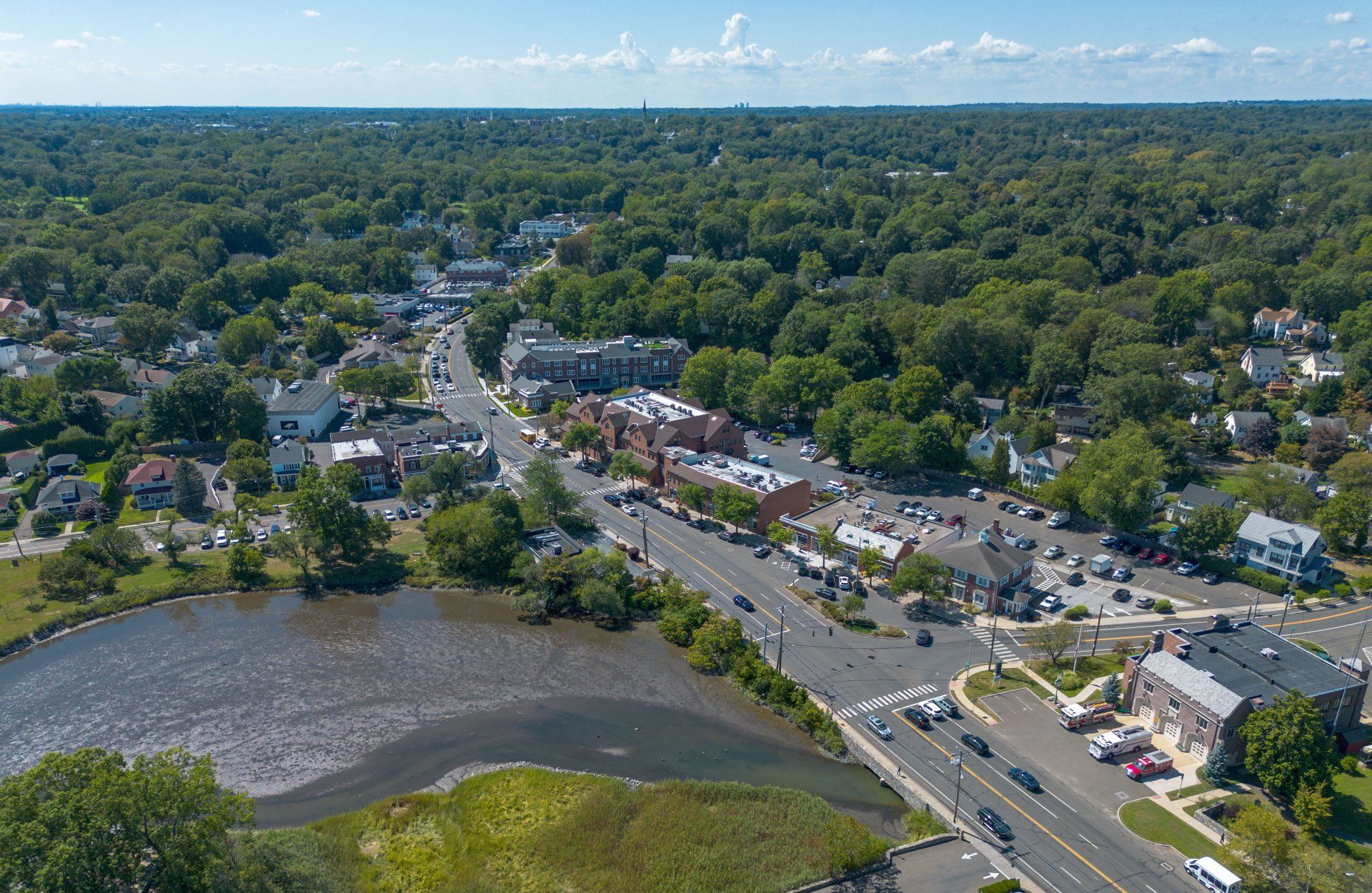
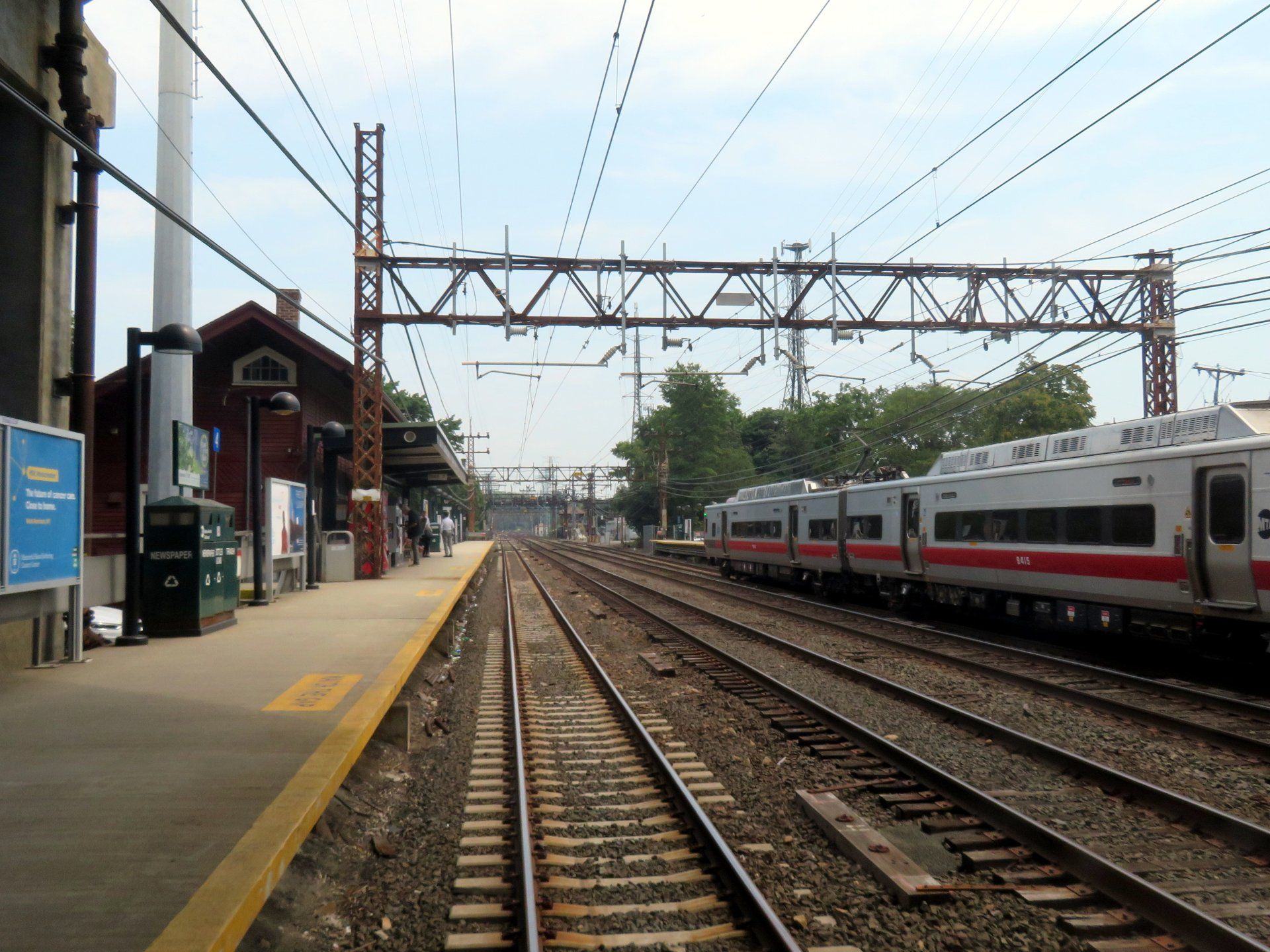
Situated along Cos Cob Harbor on the western bank of the Mianus River, Cos Cob is a census-designated place within the town of Greenwich in Fairfield County, Connecticut — a community whose roots stretch back to a 1695 land acquisition by Ebenezer Mead and whose name likely echoes a Native American word meaning "great ledge of rocks." That layered history gives Cos Cob a character that sets it apart from neighboring Riverside and Old Greenwich: this is a place where a nationally significant art colony once flourished at the Bush-Holley House — Greenwich's only National Historic Landmark — and where commuters today board Metro-North's New Haven Line at Cos Cob Station for a roughly 50-minute ride into Midtown Manhattan.

With a median home price around $1.8 million and a median household income exceeding $176,000, the market here reflects genuine demand rather than speculation. Families are drawn to the Greenwich Public Schools district, the harbor-front parks, and the walkable village center that feels genuinely local rather than manufactured. For buyers exploring cos cob homes for sale, the combination of coastal access, historic depth, and direct rail connectivity to New York City makes this one of southwestern Connecticut's most compelling long-term addresses.


Community Profile

Tucked into the southwestern corner of Connecticut along the Greenwich shoreline, this tight-knit community of 7,546 residents paints a compelling picture for prospective buyers. The median household income of $190,481 — more than double the national median — reflects a neighborhood of genuine financial strength, reinforced by the fact that 74.5% of households earn six figures or more. That prosperity is broadly shared: 63.8% of families are dual-income, suggesting two engaged, career-driven adults building wealth together under one roof.

Education is a defining characteristic here. A remarkable 70.3% of residents hold at least a bachelor's degree — more than twice the national rate — and 36.7% have earned a graduate degree, signaling a community of intellectually curious, professionally accomplished neighbors. Nearly 40% hold STEM credentials, a reflection of the high-powered finance, technology, and professional services careers that draw talent to the greater Stamford-Greenwich corridor.

The age profile tells a family story. With 15.2% of residents under 10 and another 15.8% in the 10–19 range, children are a visible, energetic presence throughout the neighborhood. A 59.1% marriage rate and average family size of 3.17 reinforce that dynamic. Homeownership stands at 66.7%, slightly above the national average, and those browsing cos cob homes for sale will find a median home value of $1,244,807 — a premium that reflects both the quality of the housing stock and the enduring desirability of this Greenwich neighborhood. With an average commute of just 28.9 minutes and easy Metro-North access to Manhattan, the balance of lifestyle and accessibility here is genuinely hard to beat.

Things to Do

Outdoor Recreation

Cos Cob's natural setting along the Mianus River and Long Island Sound makes it a genuine destination for outdoor enthusiasts. Cos Cob Park is a beloved community gathering spot that includes a 9/11 Memorial with a moving harbor overlook — a quiet place for reflection with views that remind you exactly why people fall in love with this stretch of the Connecticut coast. The 391-acre Mianus River Park to the north offers forested trails, wetlands, and riverine habitats ideal for hiking, birdwatching, and connecting with the area's remarkable natural landscape. Cos Cob's marinas and harbor access also make it a natural hub for boating and kayaking on Long Island Sound, particularly in the warmer months from late spring through early fall.

Arts & Culture

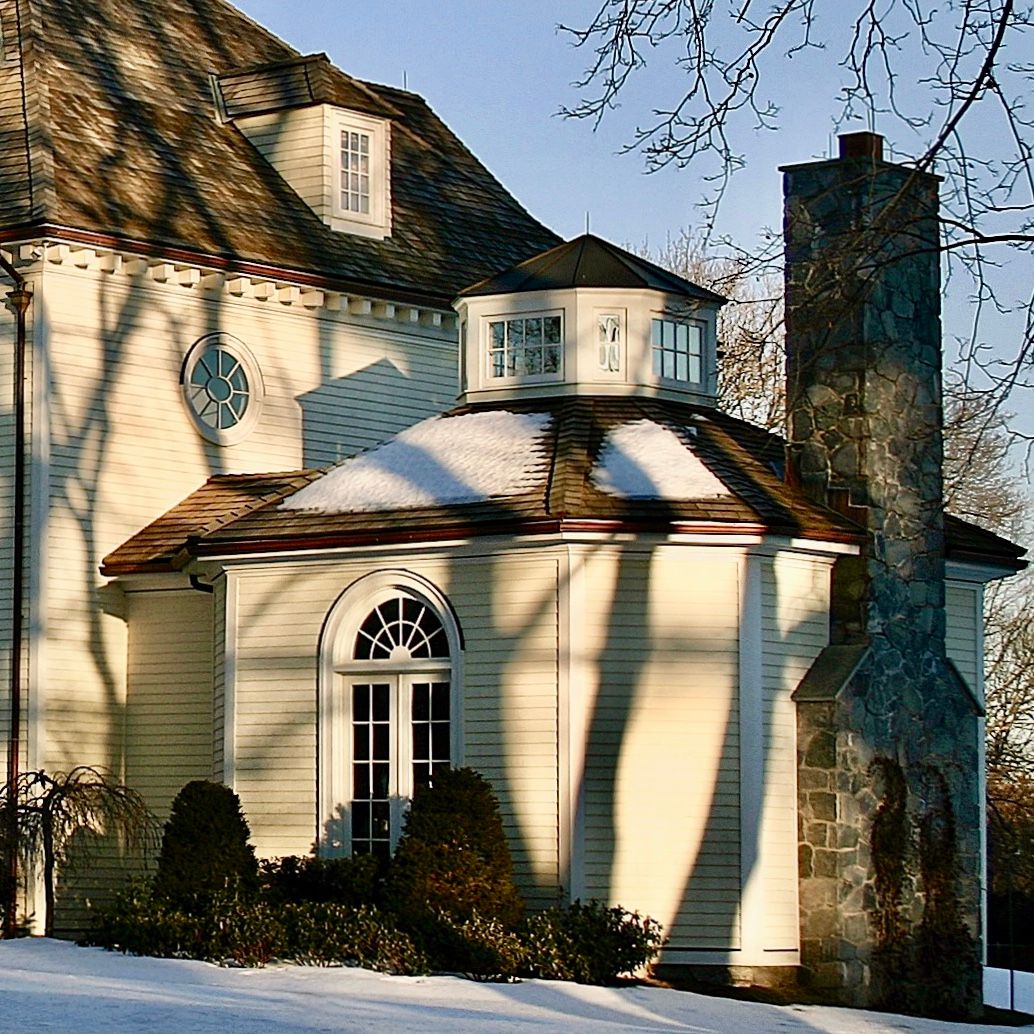
Few neighborhoods of Cos Cob's modest size can claim such an outsized artistic legacy. The Bush-Holley House — Greenwich's only National Historic Landmark — served as the heart of the Cos Cob Art Colony from the 1890s onward, where luminaries like Childe Hassam and John Henry Twachtman gathered to paint en plein air along the harbor. Today it operates as a museum where visitors can explore the roots of American Impressionism in the very rooms where it was practiced. The Cos Cob Library functions as far more than a lending institution: its Richardsonian Romanesque-inspired building hosts an art gallery, concert series, and community lectures, making it a genuine cultural anchor for the neighborhood. The Greenwich Art Society, an offshoot of the original art colony, continues to support working artists throughout the town.

Family Activities

Families drawn to cos cob homes for sale will find plenty to keep all ages engaged. The Ernest Thompson Seton House and its surrounding town park celebrate the life of the naturalist and co-founder of the Boy Scouts of America, who once lived on the estate — a fascinating piece of local history for curious kids and adults alike. The Strickland Road Historic District offers a leisurely walk through centuries of New England architectural heritage.

Dining & Shopping

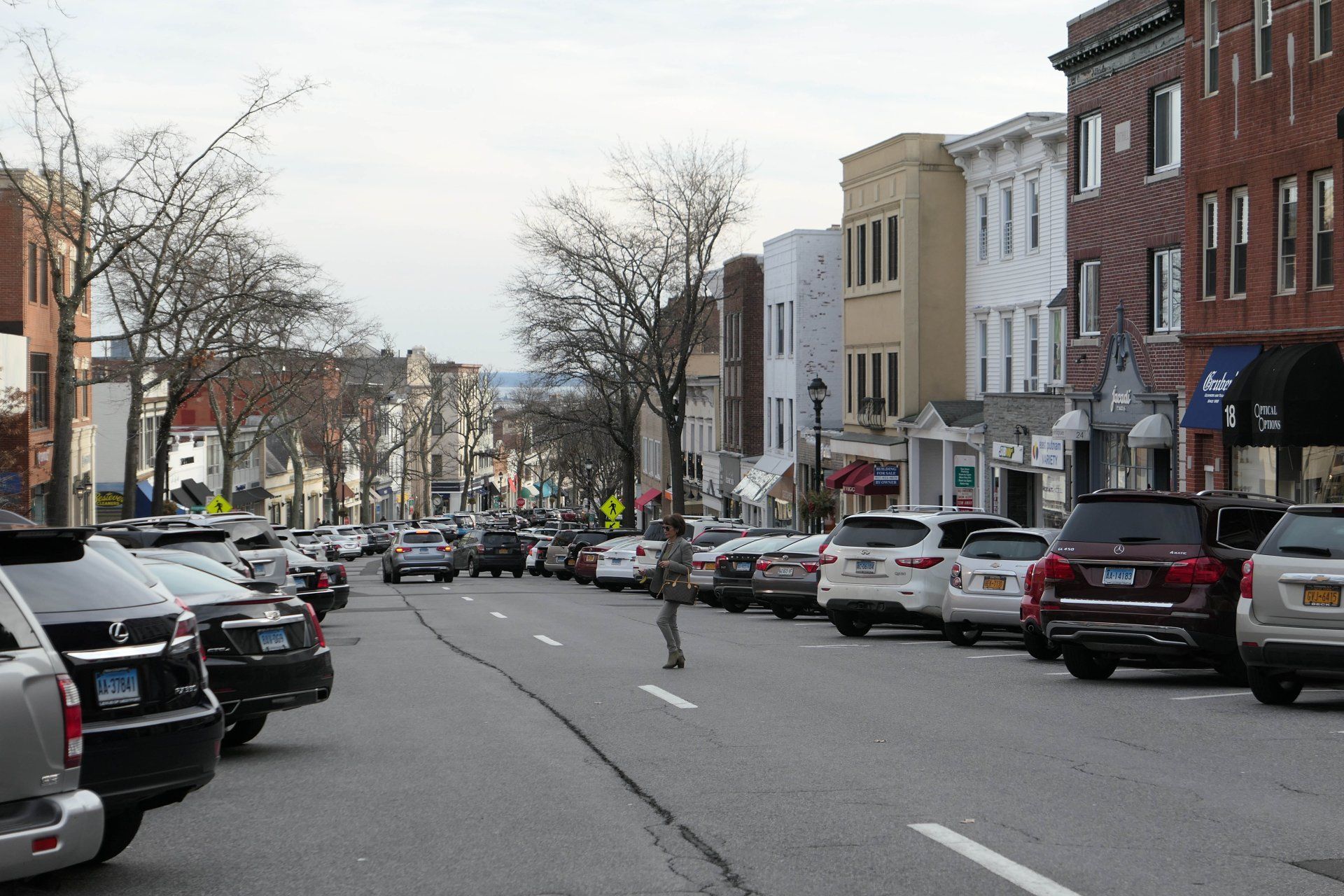
Cos Cob's compact commercial corridor along East Putnam Avenue offers a relaxed, village-scale mix of local eateries, specialty shops, and everyday conveniences — the kind of neighborhood fabric that gives the community its distinct character. For broader dining and retail options, Greenwich's downtown is just minutes away, and Manhattan itself is roughly 30 miles to the southwest via Metro-North or I-95, making a day trip effortless.

Latest Properties in Cos Cob

Loading...

Loading latest properties...

See All Properties in Cos Cob

History

From Indigenous Shores to Impressionist Colony — and Today's Market

Long before it became one of Connecticut's most coveted addresses, Cos Cob was home to the Siwanoy people, who occupied this stretch of Long Island Sound's northern shore for generations. English colonists established Greenwich in 1640, and by 1695 Ebenezer Mead had acquired the meadowlands stretching from Horseneck Brook to the Mianus River. A 1703 deed from Native leaders formally transferred the land, and by 1713 the Mead family had expanded their holdings substantially — early records refer to the area as "Indian Field, Cos Cob." The name itself likely traces to the Coe family, who settled here in 1641; a protective wall, or "cob," built along the shoreline by Robert Coe gave rise to "Coe's Cob," which eventually softened into Cos Cob.

Through the 18th and early 19th centuries, the community functioned as a small commercial port, shipping potatoes and apples to New York City via Cos Cob Harbor. That era ended decisively on Christmas Day, 1848, when the final rails were laid across the Cos Cob Bridge, completing the New Haven–New York rail line. The railroad that displaced the shipping trade ultimately became Cos Cob's most enduring economic asset, drawing summer visitors and, later, daily commuters to Manhattan.

Those visitors included some of America's most celebrated painters. From the 1890s through roughly 1920, the Cos Cob Art Colony gathered at the Bush-Holley House — today Greenwich's only National Historic Landmark — where John Henry Twachtman, Childe Hassam, and Julian Alden Weir worked in the en plein air Impressionist tradition. That cultural legacy lends the neighborhood a historic prestige that continues to resonate with buyers exploring cos cob homes for sale today.

The 1907 Westinghouse power plant, the 1983 collapse of the Mianus River Bridge on I-95, and the eventual demolition of the power station in 2001 each marked turning points in the community's modern identity. What emerged is a compact, 2.15-square-mile enclave where historic architecture, waterfront access, and a Metro-North station combine to sustain a median home price of $1,800,000 — a figure that reflects both the neighborhood's storied past and its enduring appeal to professionals with ties to New York City.

Weather

Cos Cob sits squarely within a humid subtropical climate zone (Köppen Cfa), a classification that surprises some newcomers who expect New England to feel purely continental. Its position along the northern shore of Long Island Sound moderates temperature extremes in both directions, giving the neighborhood noticeably milder winters and slightly cooler summers than inland Connecticut communities at the same latitude.

Summer brings warm, humid conditions, with July highs averaging around 82°F and overnight lows typically settling in the upper 60s. The Sound's influence keeps heat waves from lingering as long as they might farther inland, though humidity can make midsummer feel heavy. Winter is cold but not severe by New England standards — January lows dip to roughly 24°F, while daytime highs often hover in the mid-30s to low 40s. Snowfall occurs every season but rarely accumulates to the depths seen in northern Connecticut.

Annual precipitation runs close to 50 inches, distributed fairly evenly across the year with modest peaks in spring and autumn. The coastal exposure that makes Cos Cob so appealing also brings nor'easters in winter and the occasional tropical storm during Atlantic hurricane season — weather events that demand attention from property owners near the harbor and waterfront.

For those exploring cos cob homes for sale, these climate realities translate into practical considerations: generous outdoor living seasons from May through October, meaningful heating costs during winter months, and the importance of storm-ready construction and drainage for properties close to Cos Cob Harbor and the Mianus River estuary. Routine seasonal maintenance — from weatherproofing to post-storm inspections — is simply part of life in this beautiful coastal enclave.

Cos Cob Market Analytics

The Cos Cob real estate market is showing signs of balance and stability, with the average home value increasing by 11.7% over the past year to $2,195,451, according to data analyzed by Opulist. This suggests that the market is experiencing steady growth, with nearly half of homes selling above list price and a median sale-to-list ratio of 1, indicating that sellers are getting close to their asking prices. Overall, the market trends indicate a healthy and competitive environment for both buyers and sellers in Cos Cob.


1-Year Home Value Change: +11.7%

Cos Cob Home Value Index over time.

Can I Afford Cos Cob?
$
%
$0
Est. Monthly Payment
$0/yr
Salary Required

*Principal & interest only. Salary based on 28% debt-to-income ratio.

Get Pre-Approved for Cos Cob