
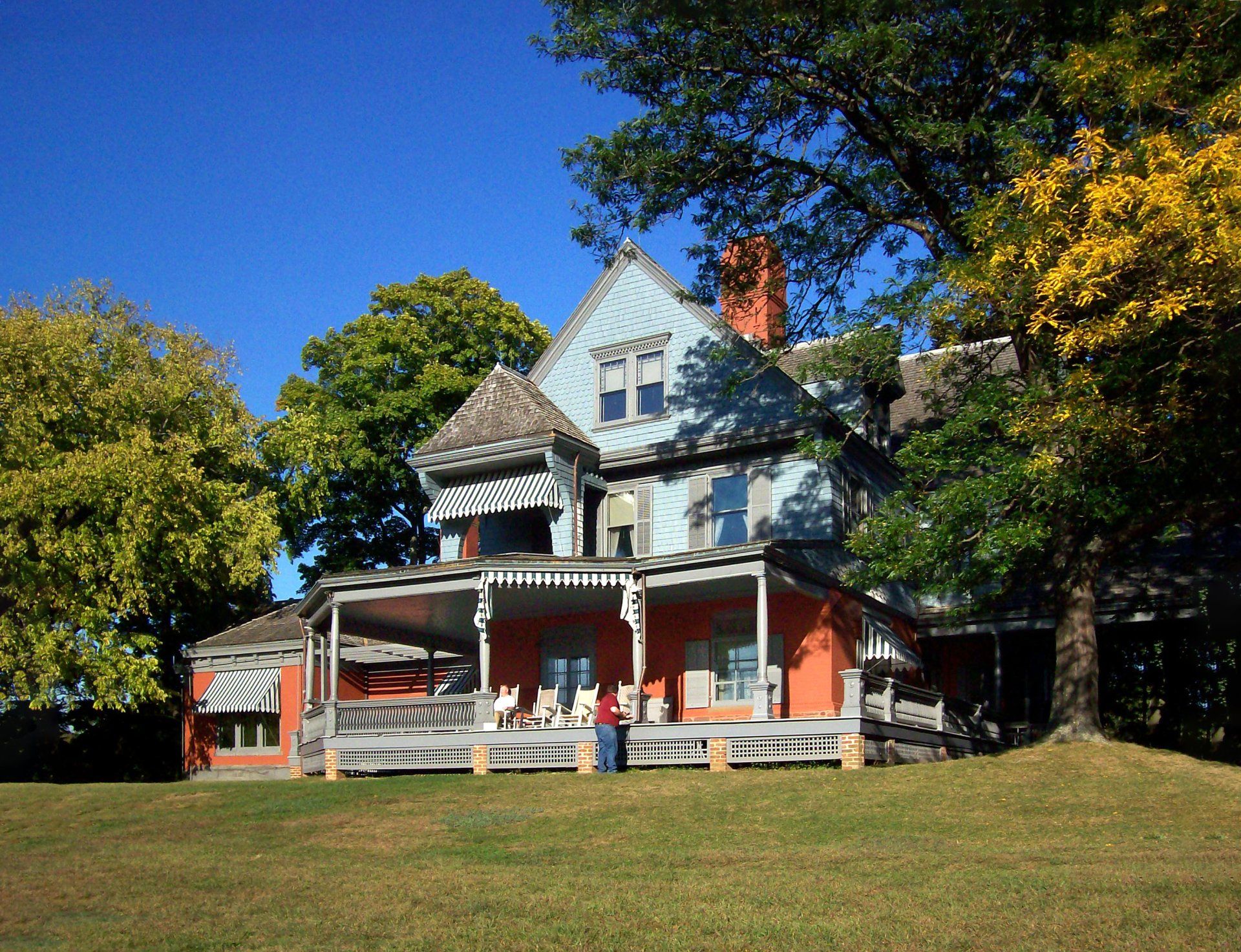

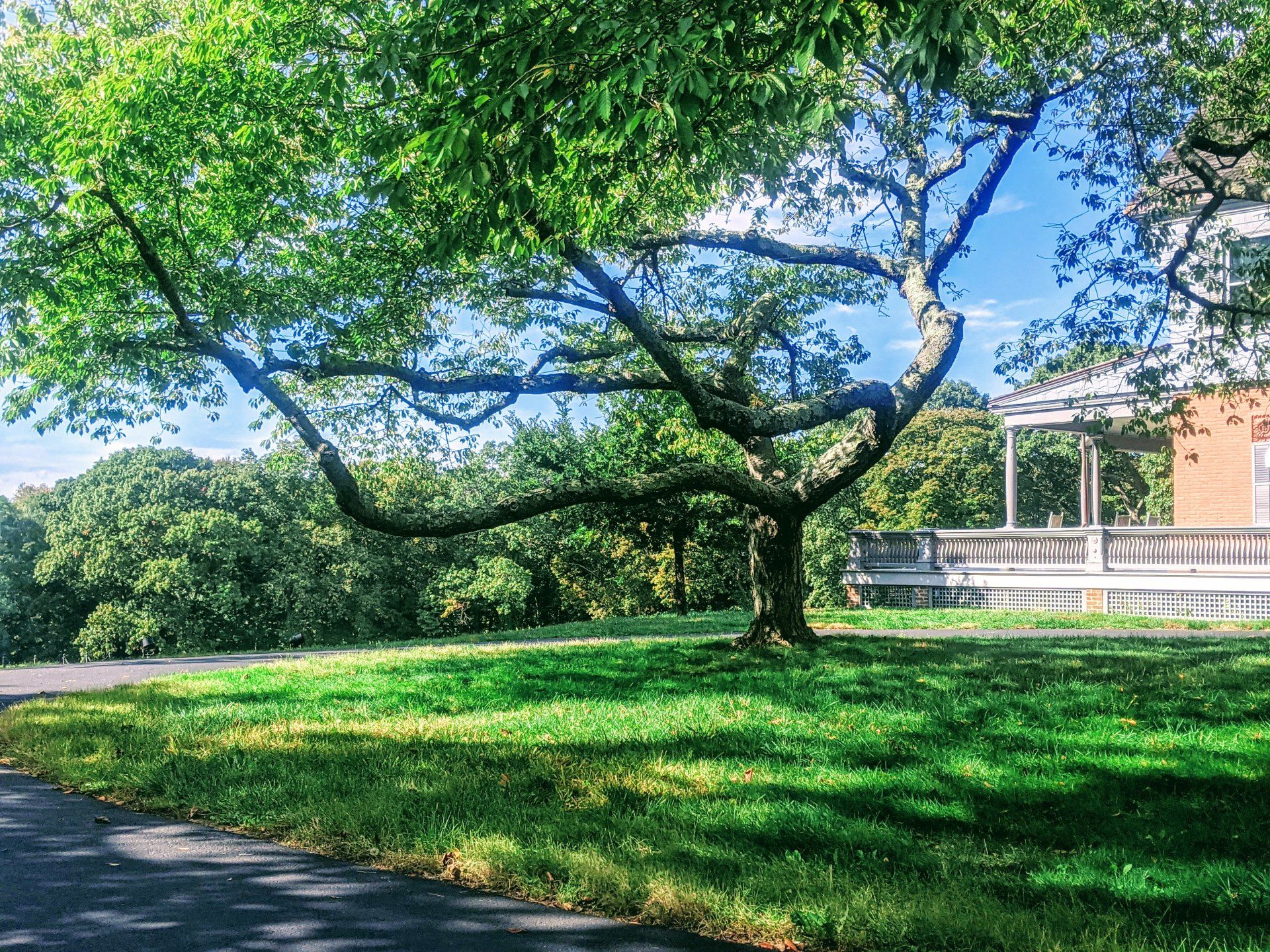
Cove Neck is an incorporated village on a peninsula projecting into Oyster Bay, situated within the Town of Oyster Bay in Nassau County on Long Island's North Shore — and with just 293 residents spread across 1.6 square miles, it holds the distinction of being the least densely populated community in Nassau County. What sets it apart from neighboring villages like Centre Island or Oyster Bay proper is a combination of strict low-density zoning, a median home price of $1.6 million, and the physical presence of Sagamore Hill National Historic Site, the 83-acre estate where President Theodore Roosevelt lived from 1885 until his death in 1919. That landmark is not merely a tourist attraction — it shapes the entire character of the village, reinforcing a long-standing commitment to historic preservation and open land that has kept Cove Neck essentially unchanged for decades. Children in the village attend schools in the Oyster Bay-East Norwich Central School District. For buyers drawn to cove neck real estate precisely because of its rarity — genuine seclusion, estate-scale properties, and a storied landscape just 30 miles from Manhattan — this village represents a long-term investment in a way of life that simply cannot be replicated.
Welcome to Cove Neck
Community Profile
Tucked along the northern shore of Nassau County on a quiet peninsula jutting into Cold Spring Harbor, this enclave of just 231 residents is one of Long Island's most exclusive and serene communities. With a population density of only 76 people per square mile and a total of 98 housing units, Cove Neck offers a level of privacy and seclusion that is genuinely rare within commuting distance of New York City. Those exploring Cove Neck real estate will quickly discover that this is a community defined by extraordinary affluence and achievement — the median household income stands at a remarkable $238,333, more than three times the national median, and 70.4% of households earn six figures or more.
The community skews toward established, accomplished residents, with a median age of 56.5 years and 38.5% of the population over 65 — reflecting a neighborhood where many have arrived at the pinnacle of their careers or are enjoying a well-resourced retirement. Educational attainment is exceptional: 73% hold a bachelor's degree or higher, 45.4% have earned a graduate degree, and nearly half hold STEM credentials — all far exceeding national norms. The homeownership rate of 75.5% signals deep community investment, and with a median home value of $1,931,588, those browsing Cove Neck NY homes for sale are entering a true luxury market. A low unemployment rate of 3.3% and an uninsured rate of just 2.6% round out the portrait of a community that is as financially stable as it is quietly distinguished.
Things to Do
History & Culture
Cove Neck's crown jewel is Sagamore Hill National Historic Site, the 83-acre estate where President Theodore Roosevelt lived from 1885 until his death in 1919. Managed by the National Park Service, the site draws visitors from across the country who come to tour the Victorian-era home, walk the sweeping grounds, and explore the Old Orchard Museum, which houses exhibits on Roosevelt's presidency and conservation legacy. The estate served as the "Summer White House" during TR's presidency from 1901 to 1909, lending Cove Neck a historical gravitas that few villages of any size can claim. Guided tours of the main house offer an intimate look at one of America's most consequential presidencies, and the surrounding meadows and woodland trails make for a genuinely moving afternoon outdoors.
Outdoor Recreation
The village occupies a peninsula jutting into Oyster Bay Harbor, and that geography shapes nearly every outdoor experience here. The shoreline offers quiet spots for kayaking, birdwatching, and fishing, with the calm waters of the harbor ideal for small watercraft. The rolling terrain and low-density landscape mean that walking or cycling the village's lightly traveled roads feels more like a nature ramble than a suburban stroll. Cold Spring Harbor State Park and the broader network of North Shore preserves are a short drive away for hikers seeking more formal trail systems.
Dining & Shopping
Cove Neck itself is a purely residential enclave — no restaurants or shops operate within the village — but the neighboring village of Oyster Bay, just minutes away, offers a lively main street with a range of dining options, boutique shops, and waterfront charm. Oyster Bay's dining scene reflects the North Shore's seafood heritage, and the town center provides a pleasant complement to a day spent exploring Sagamore Hill. Those browsing cove neck real estate quickly discover that proximity to Oyster Bay's amenities is one of the village's quiet practical advantages.
Family Activities & Day Trips
Families visiting or living in Cove Neck benefit from easy access to several North Shore attractions. Planting Fields Arboretum State Historic Park in nearby Oyster Bay offers 409 acres of ornamental gardens, greenhouse displays, and historic Coe Hall mansion tours — a wonderful outing for all ages. Cold Spring Harbor's waterfront and science-oriented institutions are also within a comfortable drive. For those exploring cove neck homes for sale, the combination of world-class history on the doorstep and North Shore leisure within minutes makes this tiny village quietly extraordinary.
Latest Properties in Cove Neck
Loading latest properties...
History
From Matinecock Lands to Gilded Age Estates
Long before Cove Neck became one of Long Island's most exclusive addresses, the Matinecock people — an Algonquian-speaking group whose name translates roughly to "at the hilly ground" — inhabited this peninsula jutting into Oyster Bay. In 1653, English colonists Samuel Mayo, William Leverich, and Peter Wright acquired lands in the Oyster Bay vicinity from the Matinecock sachem Mohannes, initiating a series of transactions that extinguished native title by 1685 and set the stage for colonial farming across the North Shore.
The arrival of the Long Island Rail Road's Oyster Bay Branch in the late 1880s proved transformative. Suddenly within practical commuting distance of Manhattan, Cove Neck's rolling, harbor-edged terrain attracted Gilded Age industrialists eager to build self-contained retreats. The most consequential of these estates was Sagamore Hill, constructed between 1885 and 1886 by Theodore Roosevelt on 80 acres overlooking Oyster Bay. Roosevelt lived there until his death in 1919, and the property served as the informal "Summer White House" during his presidency from 1901 to 1909. Today it operates as Sagamore Hill National Historic Site under the National Park Service, drawing visitors from around the world and anchoring the village's identity as a place where history is physically preserved.
Cove Neck incorporated as a village in 1927, a deliberate move by estate owners to protect the community's rural character against the suburban wave then sweeping Nassau County. The zoning ordinances that followed — mandating minimum lot sizes of two to five acres — proved remarkably durable. Population has hovered near 300 residents for decades, and the 2020 Census counted just 293 people across 1.3 square miles of land. That century-long commitment to low density is precisely what drives today's cove neck real estate market, where a median home price of $1.6 million reflects not just square footage, but the irreplaceable scarcity of a place that has actively resisted change since the Gilded Age.
Weather
Four Seasons on the North Shore
Cove Neck experiences a humid continental climate, shaped by its position on the North Shore of Long Island and its immediate proximity to Oyster Bay and Long Island Sound. The surrounding water exerts a moderating influence year-round, softening temperature extremes compared to inland areas at the same latitude and extending the mild shoulder seasons into genuinely pleasant stretches of weather.
Summers are warm and humid, with daytime highs typically ranging from the mid-80s°F and overnight lows settling in the upper 60s. Sea breezes off the Sound provide natural relief during heat spells, making outdoor living on the water a genuine seasonal pleasure. Winters are cold but rarely severe by northeastern standards — average highs hover in the mid-30s to low 40s°F, with lows dipping into the 20s. Snowfall occurs each winter, though the coastal setting tends to moderate accumulation compared to areas farther inland.
Annual precipitation is fairly evenly distributed throughout the year, averaging around 45 to 50 inches, with occasional nor'easters delivering significant rain or snow between November and March. Humidity can be pronounced in July and August.
For those exploring Cove Neck real estate, the climate carries practical implications: the large estate properties here benefit from thoughtful landscaping that accounts for winter wind exposure, and homes require reliable heating systems for the cold months. Summer humidity and salt air also mean exterior materials and roofing warrant regular maintenance. That said, the long, temperate springs and autumns make outdoor living genuinely rewarding for much of the year.
Cove Neck Market Analytics
Can I Afford Cove Neck?
Weather