
Culver City, California

Location:
Culver City, CA

Welcome to Culver City

Incorporated on September 20, 1917, and named after its founder, real estate developer Harry H. Culver, Culver City occupies just 5.11 square miles in western Los Angeles County — yet its influence on American culture stretches far beyond its compact borders. While neighboring communities like Mar Vista and Playa Vista blur into the broader fabric of Los Angeles, Culver City stands apart as a fully independent charter city with its own police, fire, and public works departments, giving residents a small-city accountability that larger LA neighborhoods simply cannot offer.

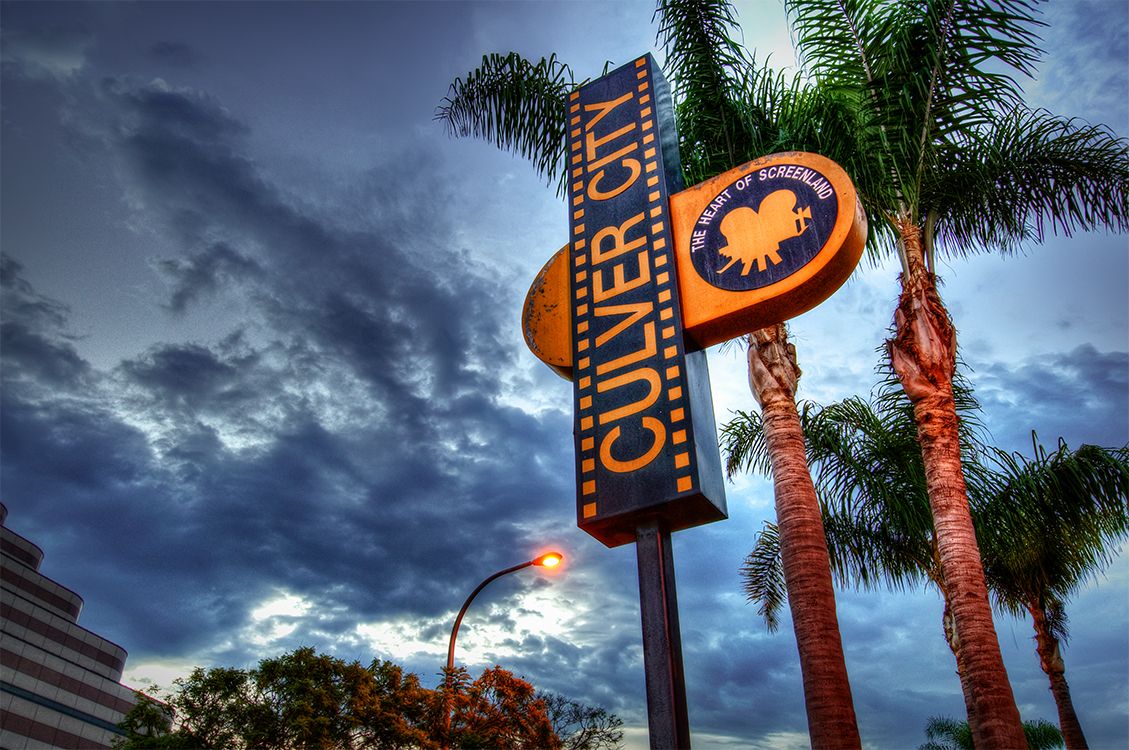
The city's official nickname, "Heart of Screenland," is no marketing slogan — it's inscribed on the city seal. Sony Pictures Studios continues operating on the historic lot where MGM once produced The Wizard of Oz, and the creative economy that grew up around that legacy has since expanded into tech, design, and media. The Metro E Line (Expo Line) connects residents directly to Downtown Los Angeles and Santa Monica, making car-free commuting genuinely practical. With a median household income of $122,312 and a median home price just above $1.1 million, the market here reflects real demand — and with continued investment in transit, walkable retail, and the Ballona Creek corridor, that demand shows no signs of softening.


Community Profile

Nestled within Los Angeles County yet proudly independent, this creative-industry hub punches well above its weight for a city of just under 40,000 residents. The median household income of $117,389 — well above the national median of roughly $75,000 — reflects a highly credentialed workforce: 62.4% of adults hold at least a bachelor's degree, nearly double the national rate, and 28.5% have earned a graduate or professional degree. It's no surprise that 47.1% of degree holders studied STEM fields, mirroring the city's deep ties to tech, entertainment technology, and media production.

The community skews toward established professionals, with a median age of 40.8 years and a strong cohort of 30- and 40-somethings driving the local economy. 61.1% of families are dual-income households, and more than half — 57.3% — earn six figures or more. That earning power shapes the housing market: the median home value of $1,143,509 signals genuine long-term investment potential, while those exploring culver city apartments will find a median rent of $2,737 reflecting the area's desirability. The homeownership rate of 54.6% suggests a healthy mix of owners and renters, and an average commute of just 26.7 minutes is a genuine luxury for the greater Los Angeles metro. Rounding out the picture, a low uninsured rate of 3.3% and a poverty rate of just 7.5% speak to a community that takes care of its own.

Things to Do

Arts & Culture

Culver City wears its creative heritage proudly. Sony Pictures Studios — occupying the legendary lot where MGM once produced The Wizard of Oz — offers studio tours that pull back the curtain on over a century of Hollywood magic. The Culver City Art District, concentrated along the eastern edge of the city, has evolved into one of the most compelling gallery corridors on the Westside, with rotating exhibitions and First Friday openings that draw art lovers from across Los Angeles. The Kirk Douglas Theatre, operated by Center Theatre Group, anchors the downtown cultural scene with bold, intimate productions year-round.

Dining & Nightlife

Culver City has earned a genuine reputation for its restaurant scene — the city has even been affectionately described as best known for its "parks, studio lots, and breakfast burritos." Downtown Culver City and the surrounding blocks offer an eclectic mix of neighborhood bistros, craft cocktail bars, and globally inspired kitchens. Washington Boulevard and Culver Boulevard are particularly rich with dining options, ranging from casual daytime spots to lively evening destinations that give the compact downtown a big-city energy.

Outdoor Recreation

Despite its urban density, Culver City delivers meaningful green space. Culver City Park is the city's largest recreational hub, featuring athletic fields, tennis courts, and open lawn areas ideal for weekend gatherings. The Ballona Creek Bike Path is a favorite among cyclists and joggers, tracing the creek's path westward all the way toward Marina del Rey and the Pacific coast — a rare car-free corridor through the heart of the Westside. The path connects seamlessly to the broader Los Angeles bike network, making it a practical and scenic route for active residents.

Shopping & Family Activities

Westfield Culver City anchors the city's retail landscape, offering mainstream shopping alongside dining and entertainment. The revitalized downtown core adds independent boutiques and specialty shops to the mix. Families are well served by the city's parks and community programming, and the Metro E Line (Expo Line) makes it easy to reach Santa Monica, downtown Los Angeles, and beyond without a car — a genuine advantage for residents exploring culver city los angeles apartments who want walkable, connected living. Whether you're a longtime local or newly settled in one of the apartments in Culver City, CA, there's always something happening in this compact, culturally rich city.

Latest Properties in Culver City

Loading...

Loading latest properties...

See All Properties in Culver City

History

From Barley Fields to Backlots: Culver City's History

Culver City's story begins with a single ambitious vision. In 1913, Nebraska-born real estate developer Harry H. Culver announced plans for a new planned community on a 90-acre barley field west of Los Angeles, promoting it with the bold slogan "All roads lead to Culver City." The city was officially incorporated on September 20, 1917, and what followed transformed those modest agricultural beginnings into one of the most storied urban enclaves in California.

The film industry arrived almost immediately. In 1918, silent film producer Thomas H. Ince built the area's first major studio for the Triangle Motion Picture Company, drawn by affordable land and the natural light of the Westside. Hal Roach followed in 1919, and by 1924, Metro-Goldwyn-Mayer had taken over the Triangle lot — producing landmark films including The Wizard of Oz and cementing Culver City's official nickname, "Heart of Screenland." Hughes Aircraft further diversified the economy when it opened its Culver City plant in 1941, manufacturing critical components during World War II.

The postwar decades brought suburban consolidation, and the early 1990s saw a pivotal downtown revitalization that reshaped the city's trajectory. Sony Pictures moved onto the historic MGM lot around 1991, and an influx of galleries and restaurants gave rise to the Culver City Art District. That creative momentum never stopped — today, tech and media companies cluster alongside the studios, drawing a well-compensated professional class. It's precisely this layered legacy — studio history, walkable streets, Metro access, and a tight 5.11-square-mile footprint — that makes culver city apartments and single-family homes among the most sought-after in the region, with median home prices now exceeding $1.1 million.

Weather

A Climate Built for Outdoor Living

Culver City enjoys a Mediterranean climate (Köppen classification Csb), shaped by its position just a few miles inland from Santa Monica Bay. The Pacific Ocean acts as a natural thermostat, keeping temperatures remarkably mild and consistent throughout the year — one of the most appealing aspects of life here for longtime residents and newcomers alike.

Summers are warm rather than hot, with daytime highs typically ranging from the mid-70s to low 80s °F, while nights cool comfortably into the upper 50s and low 60s. The marine layer — that familiar coastal fog — often rolls in during June and July, keeping mornings gray and cool before burning off by afternoon. Winters are gentle, with daytime highs generally in the mid-60s °F and overnight lows rarely dipping below the mid-40s. Snow is essentially unheard of.

Rainfall is modest and highly seasonal, concentrated between November and March, with annual totals averaging around 12 to 15 inches. Prolonged dry summers mean drought awareness and fire-resistant landscaping are practical considerations for homeowners. Santa Ana wind events in fall can bring brief spells of dry, hot air from the interior, occasionally pushing temperatures into the 90s.

For real estate purposes, this climate is a genuine asset. Heating and cooling costs remain relatively low, outdoor spaces — patios, gardens, rooftop decks — are usable year-round, and weather-related structural maintenance is minimal compared to most of the country. Whether you're exploring culver city apartments or single-family homes, the climate consistently ranks among residents' top reasons for staying.

Culver City Market Analytics

The Culver City housing market is showing signs of stability, with the average home value at $1,277,224, down 1.6% over the past year, indicating a slight correction in the market. This suggests the market is balancing, with buyers and sellers having more equal negotiating power, which is good news for potential buyers, according to data analyzed by Opulist. The median days to pending is 26 days, indicating that homes are still selling relatively quickly, which is a positive sign for the market's overall health.


1-Year Home Value Change: -1.6%

Culver City Home Value Index over time.

Can I Afford Culver City?
$
%
$0
Est. Monthly Payment
$0/yr
Salary Required

*Principal & interest only. Salary based on 28% debt-to-income ratio.

Get Pre-Approved for Culver City