
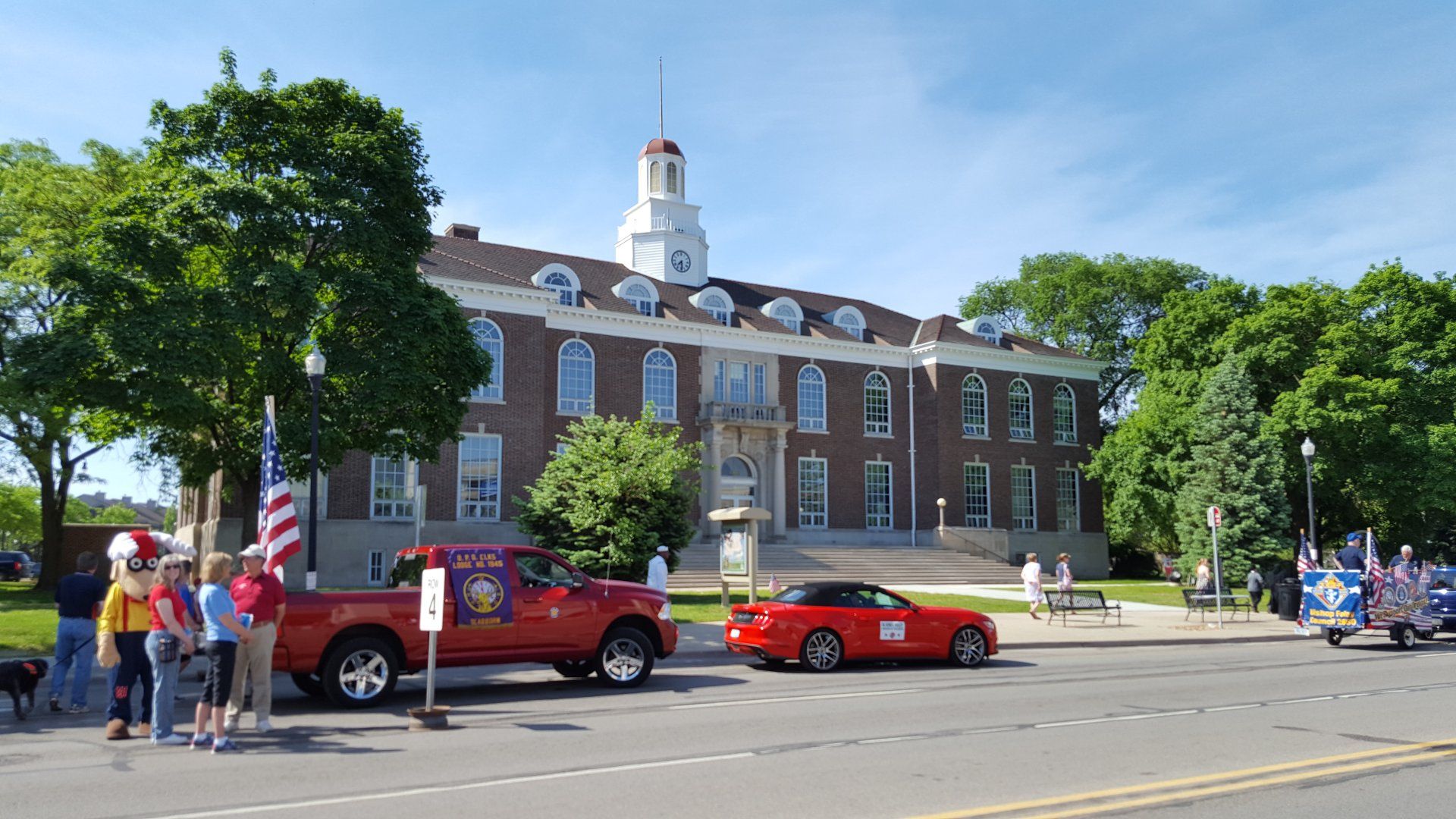
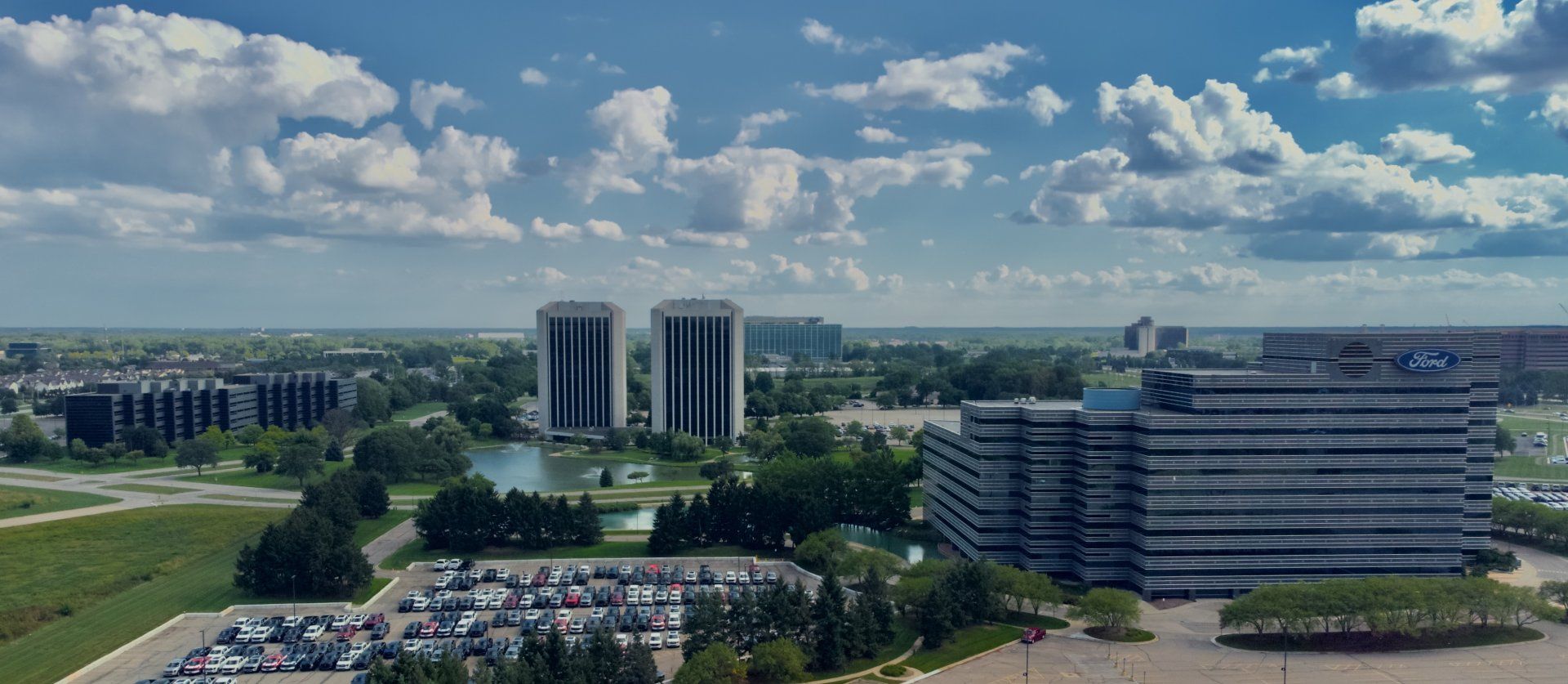
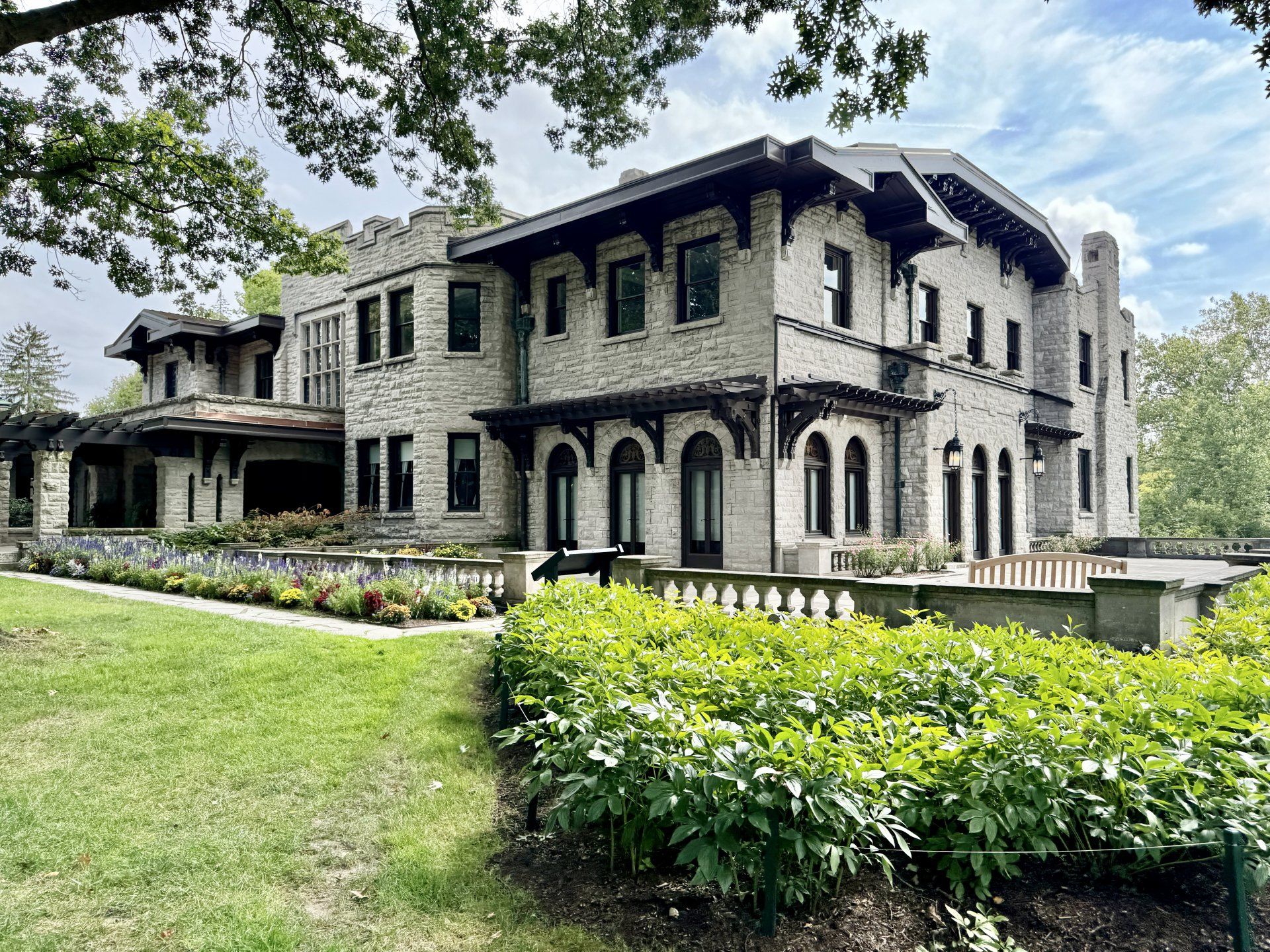
Dearborn, Michigan sits just eight miles west of downtown Detroit in Wayne County, making it one of the most strategically positioned cities in the entire Metro Detroit region. What sets Dearborn apart from its neighbors isn't simply proximity to the city — it's identity. This is the birthplace and global headquarters of Ford Motor Company, and the Henry Ford Museum of American Innovation draws visitors from around the world to a city that residents call home. The Dearborn Public Schools district serves a remarkably diverse student population, reflecting a city that has long been a destination for Arab-American families, creating one of the most culturally distinctive communities in the Midwest. Unlike the quieter bedroom suburbs that surround it, Dearborn carries genuine civic weight — its own downtown, its own institutions, and its own sense of place. For buyers exploring homes for sale in Dearborn, MI, that combination of cultural richness, historical significance, and urban accessibility is increasingly rare at this price point. As Detroit's broader resurgence continues to ripple outward, Dearborn stands to benefit in ways that make buying here now a decision that looks smarter with every passing year.
Welcome to Dearborn
Community Profile
With a median age of just 33.3 years — well below the national figure of 38.5 — Dearborn skews unmistakably young and family-oriented. Nearly a third of residents are under 20, and the average family size of 3.81 people reflects a community where households are active, growing, and deeply rooted. That sense of permanence shows up in the homeownership rate of 68.4%, which edges above the national average of 65.5% and signals that people who come to Dearborn tend to stay and invest.
The financial case for buying here is compelling. The median home value of $217,904 is dramatically more accessible than the national median of around $330,000, making Dearborn homes for sale an attractive proposition for first-time buyers and growing families alike. A median household income of $65,324 pairs well with those prices, and the fact that 32.1% of households earn six figures or more suggests a broad range of economic opportunity across the city. Commutes are refreshingly short at an average of just 21.7 minutes, a meaningful quality-of-life advantage for the many residents who work throughout the Detroit-Warren-Dearborn metro.
Dearborn's workforce is notably well-credentialed: 34.7% of residents hold a bachelor's degree or higher — surpassing the national college attainment rate — and a striking 50.6% of degree holders studied STEM fields, a reflection of the city's deep historical ties to engineering and manufacturing innovation. For buyers researching houses for sale in Dearborn, this is a community that combines affordability, youthful energy, and intellectual capital in a package that's genuinely hard to find.
Things to Do
Arts & Culture
Dearborn is home to one of the most remarkable cultural destinations in the entire Midwest. The Henry Ford — a sprawling complex that includes the Henry Ford Museum of American Innovation and the living history village of Greenfield Village — draws millions of visitors each year and stands as one of the largest indoor-outdoor museum complexes in the world. Whether you're marveling at the Rosa Parks bus, climbing aboard a steam locomotive, or watching a glassblower at work in a 19th-century workshop, an entire day disappears here effortlessly. Adjacent to it, the Ford Rouge Complex offers factory tours where visitors can watch F-150 trucks roll off the assembly line — a genuinely thrilling experience that connects Dearborn's past to its present.
Dining & Food Culture
Dearborn's dining scene is one of its most celebrated features, shaped by the city's large and vibrant Arab American community. Michigan Avenue and the surrounding streets are lined with exceptional Middle Eastern restaurants, bakeries, and markets offering some of the most authentic Lebanese, Yemeni, and Iraqi cuisine you'll find anywhere in North America. From freshly baked pita and shawarma to elaborate mezze spreads, the flavors here are the real thing. Beyond Middle Eastern fare, the city offers a broad range of casual and family dining options reflecting its diverse, working-class character.
Outdoor Recreation
Ford Field Park provides a pleasant green space for residents, while the broader Dearborn parks system offers baseball diamonds, walking paths, and picnic areas suited to families and active residents alike. The Rouge River corridor weaves through the region, offering scenic natural respite within an otherwise urban landscape. Seasonal farmers markets and community events bring neighborhoods together throughout the warmer months.
Family Activities & Shopping
Families exploring dearborn homes for sale will appreciate the city's walkable neighborhoods and abundance of family-friendly programming. The Fairlane Town Center, one of the area's major enclosed malls, provides convenient retail, dining, and entertainment options just minutes from most residential areas. Community festivals celebrating Arab American heritage, including cultural food and music events, give Dearborn a festive, welcoming energy that sets it apart from neighboring suburbs throughout the year.
Latest Properties in Dearborn
Loading latest properties...
History
From Fort to Ford: The History Behind Dearborn's Housing Market
Dearborn, Michigan takes its name from General Henry Dearborn, the U.S. Secretary of War under President Thomas Jefferson — a fitting namesake for a city that would later become one of the most strategically important industrial centers in American history. European-American settlement in the area accelerated after the Treaty of Detroit in 1807, with pioneer families staking claims along the Rouge River, drawn by fertile soil and proximity to the young city of Detroit.
The story that truly defines Dearborn's landscape, however, begins with Henry Ford. Ford chose this city as the home of his massive River Rouge Complex, which opened in the early 1920s and became the largest integrated factory in the world. The plant didn't just manufacture automobiles — it manufactured a city. Thousands of workers flooded into Dearborn, and the demand for housing followed. Ford also established his Fairlane estate here, cementing the city's identity as both an industrial powerhouse and a place where people genuinely wanted to live.
The postwar decades brought another wave of transformation. Returning veterans, flush with GI Bill benefits and steady automotive paychecks, filled Dearborn's neighborhoods with modest, well-built brick bungalows and ranch homes. Those same tree-lined streets are what buyers encounter today when browsing homes for sale in Dearborn, MI — solid mid-century construction in established neighborhoods with mature landscaping and a strong sense of community identity.
Dearborn also developed one of the largest Arab-American communities in the United States, a demographic shift that has enriched the city's culture, dining, and civic life over the past several decades. Today, that diversity is woven into the fabric of neighborhoods throughout the city, making dearborn homes for sale appealing to a wide range of buyers seeking an authentic, culturally vibrant community within easy reach of Detroit.
Weather
Dearborn, MI Climate & Weather Patterns
Dearborn, Michigan experiences a humid continental climate, the defining weather pattern across much of the Great Lakes region. This means residents enjoy four genuinely distinct seasons — none of them subtle. Summers are warm and sometimes humid, with daytime highs typically ranging from the mid-80s°F and overnight lows settling in the upper 50s to mid-60s°F. Winters are cold and snowy, with average highs in the upper 20s to mid-30s°F and lows that can dip well below 20°F during the coldest stretches of January and February.
Dearborn's proximity to Lake Erie and Lake St. Clair introduces a modest lake-effect influence, contributing to lake-enhanced snowfall in winter and moderating temperatures slightly compared to inland areas farther from the water. Annual precipitation is fairly evenly distributed throughout the year, with roughly 33 to 35 inches of rain and an additional 30-plus inches of snow on average. Spring and fall are transitional and often beautiful, though spring can bring heavy rain and occasional severe thunderstorms.
For anyone exploring homes for sale in Dearborn, MI, these seasonal realities carry practical weight. Heating costs are a meaningful budget consideration given the long, cold winters, and homes benefit from quality insulation, updated furnaces, and well-maintained roofing to handle snow loads. Summer humidity makes central air conditioning essentially standard. On the upside, Dearborn's warm summers and colorful autumns make outdoor living genuinely rewarding for much of the year.
Dearborn Market Analytics
Can I Afford Dearborn?
Weather