

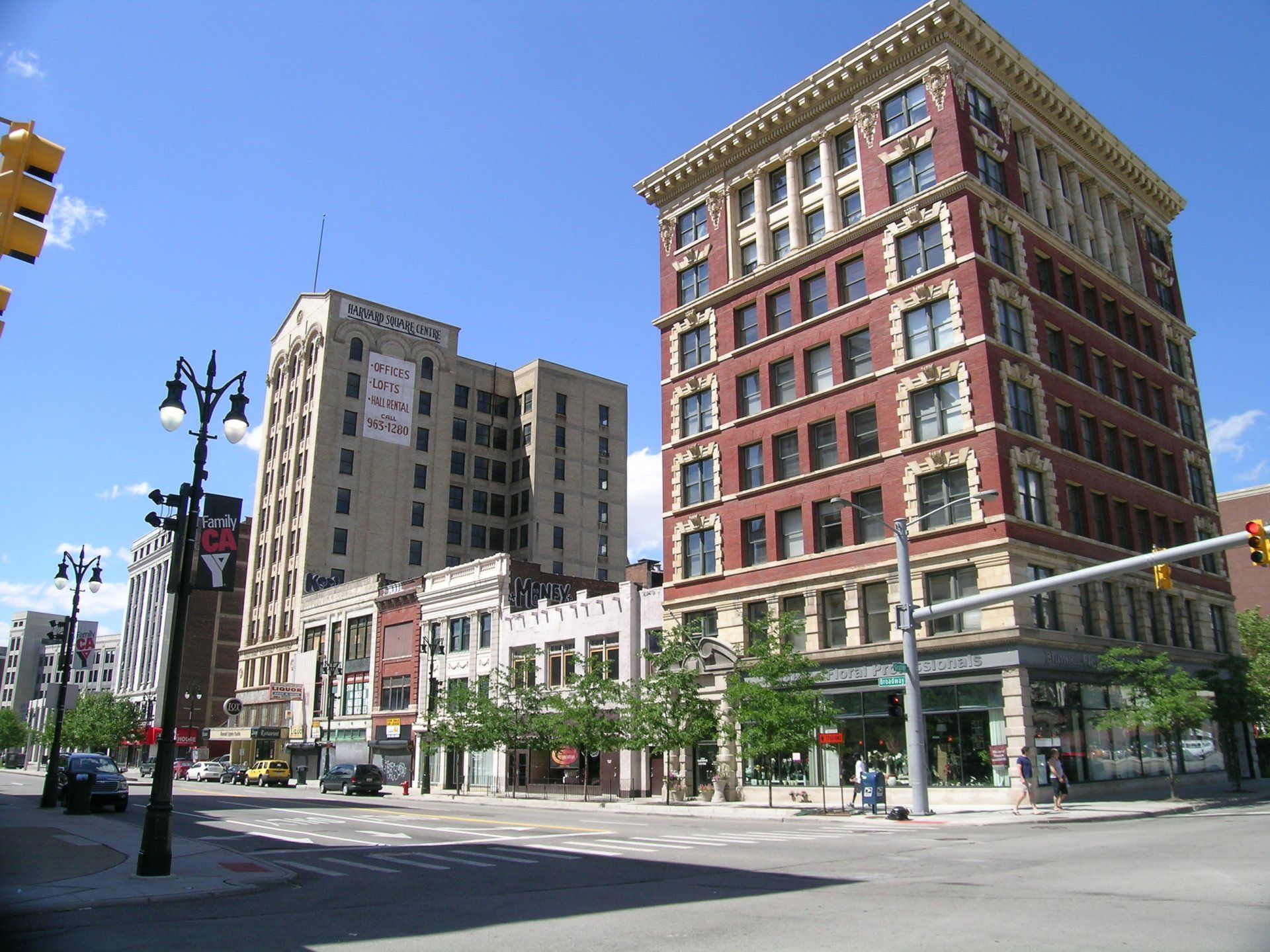
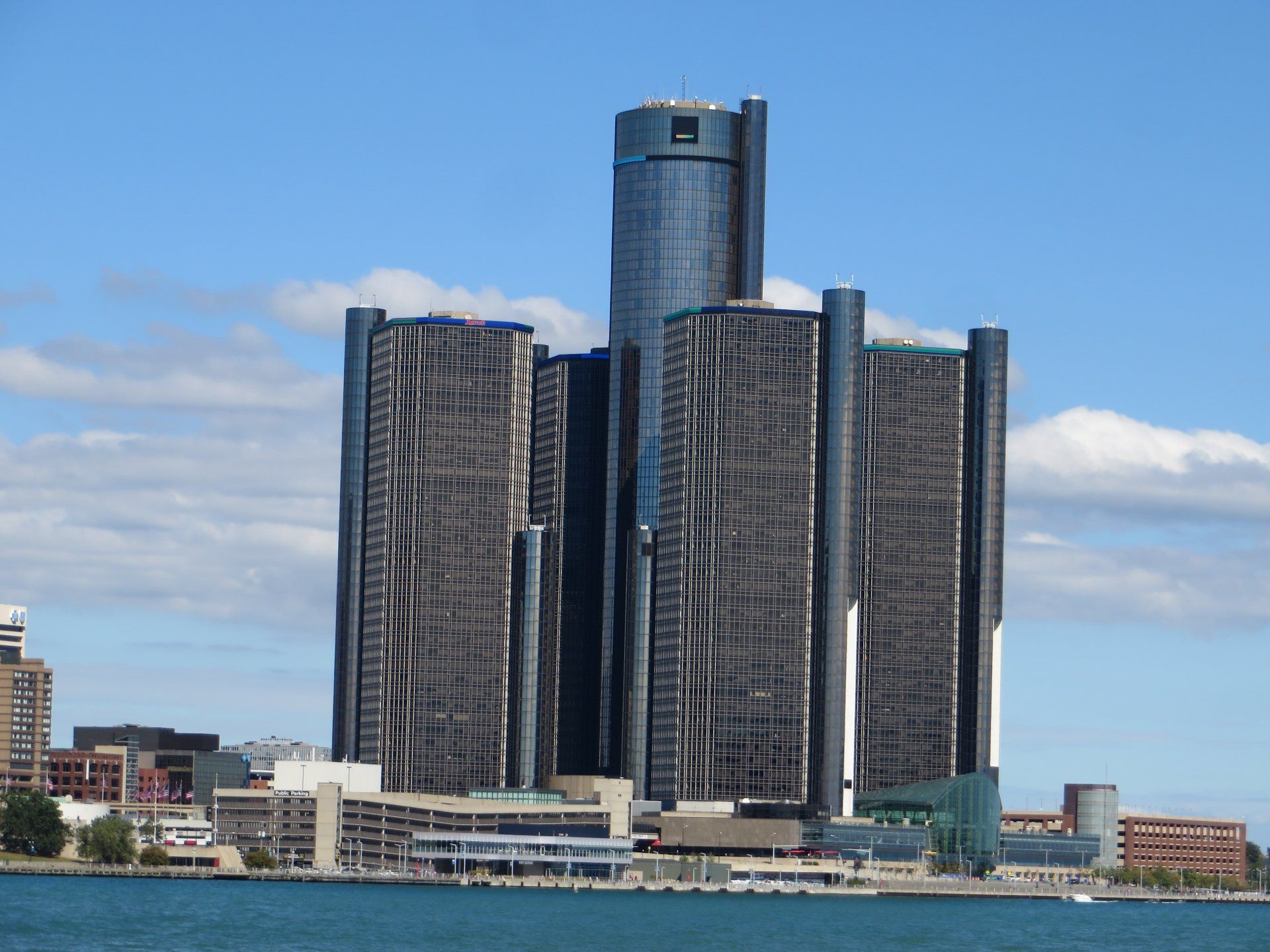
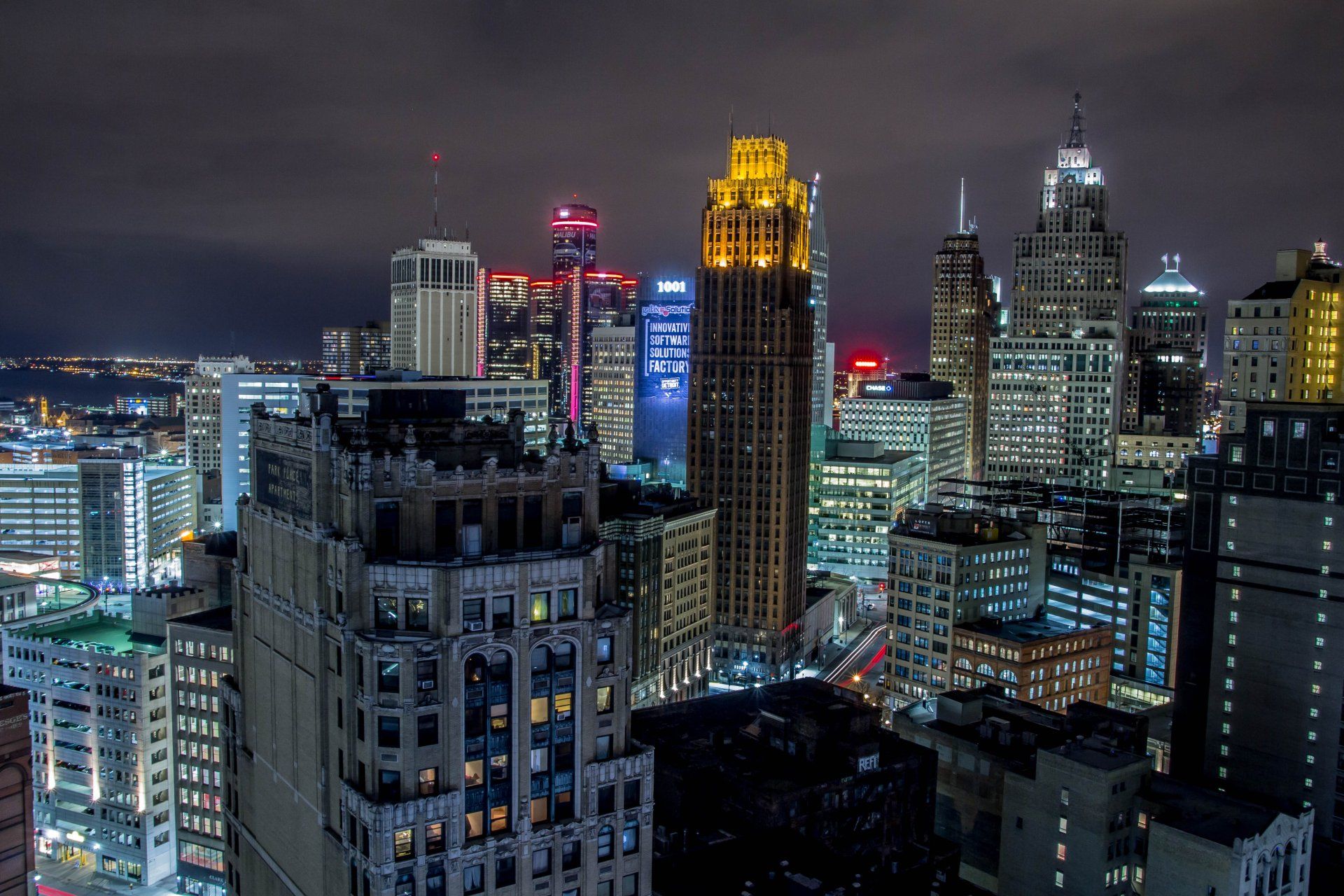
Founded on July 24, 1701, by French explorer Antoine de la Mothe Cadillac as Fort Pontchartrain du Détroit, Detroit stands today as Michigan's largest city and the county seat of Wayne County — a place where more than three centuries of history have left an unmistakable mark on the streets, architecture, and culture. Sitting on the Detroit River directly across from Windsor, Ontario, it is the largest U.S. city on the Canadian border, a geographic distinction that shapes everything from its trade economy to its skyline views. Unlike its suburban neighbors — Dearborn, Warren, or Livonia — Detroit carries the full weight and reward of a true major American city: world-class institutions like the Detroit Institute of Arts, a UNESCO-designated City of Design status, and transit options including the Detroit People Mover and QLine connecting key corridors downtown. With a median home price of just $120,000, houses for sale in Detroit, Michigan represent some of the most compelling value in any major U.S. metro. For buyers and investors willing to look closely, Detroit's second consecutive year of population growth — its strongest showing since the 1950s — signals that the city's long-anticipated comeback is no longer a promise. It's a trend.
Welcome to Detroit
Community Profile
One of America's most storied cities, Detroit carries a median age of just 35.2 years — meaningfully younger than the national median of 38.5 — reflecting a population with deep roots and genuine momentum. The age distribution tells a particularly compelling story for buyers with families: children and teens together make up more than 27% of residents, and the 30-to-39 cohort is the single largest adult age group at 14.2%, signaling a city where young households are planting stakes and building futures.
For buyers focused on affordability, Detroit's housing market stands apart. The median home value of $87,682 is a fraction of the national median near $330,000, meaning that buyers exploring homes for sale in Detroit, MI can access genuine homeownership at price points that have all but disappeared in most American cities. The homeownership rate sits at 50.3%, and with a diverse inventory across 257,998 total housing units, there is real opportunity for first-time buyers and investors alike to find a foothold. The community is also notably diverse — 75.3% Black with a growing Hispanic/Latino population at 8.3% and a multiracial share of 6.0% — giving Detroit one of the most culturally rich identities of any major American city. Average commute times of 24.8 minutes keep daily life manageable, and 15.9% of households earn six figures, reflecting a range of economic opportunity within this resilient, ever-evolving community.
Things to Do
Arts & Culture
Detroit punches well above its weight as a cultural destination, drawing roughly 16 million visitors a year. The Detroit Institute of Arts on Woodward Avenue houses one of the most significant art collections in the country, including Diego Rivera's celebrated Detroit Industry Murals. Just a short drive away, Hitsville U.S.A. — the original home of Berry Gordy's Motown Records — operates today as the Motown Museum, offering an intimate look at the studio where Stevie Wonder, Marvin Gaye, and the Supremes recorded their first hits. The Charles H. Wright Museum of African American History, the world's largest institution of its kind, anchors the city's cultural corridor near Midtown. Detroit's designation as a UNESCO City of Design — the first and only in the United States — reflects a creative identity that runs deep through its architecture, galleries, and music heritage.
Outdoor Recreation
Belle Isle Park, a 982-acre island in the Detroit River accessible via the MacArthur Bridge, is the city's crown jewel of green space. It features a nature center, an aquarium, a conservatory, beaches, and sweeping views of the downtown skyline and the Canadian shore. The Detroit Riverwalk stretches along the waterfront for miles, offering a scenic path for walking, cycling, and rollerblading with stunning views of Windsor, Ontario across the strait. Campus Martius Park in the heart of downtown transforms seasonally — an ice rink in winter, a sandy urban beach in summer.
Sports & Live Entertainment
Detroit is a true four-sport city. Comerica Park, home of the Tigers, is one of baseball's most beloved ballparks, while Ford Field hosts the Lions just steps away — making downtown Detroit one of the few places in America where two major professional stadiums sit side by side. The Red Wings play at Little Caesars Arena, which also hosts major concerts and Pistons games. The energy around game days makes Detroit an especially exciting place to explore.
Dining & Neighborhoods
Detroit's food scene reflects its multicultural character. The Eastern Market district — one of the largest historic public markets in the country — buzzes with vendors, restaurants, and street art every weekend. Mexicantown in Southwest Detroit offers authentic cuisine and a vibrant street atmosphere, while Midtown and Corktown have emerged as hubs for independent restaurants and craft breweries. Annual events like Movement Electronic Music Festival at Hart Plaza and the Detroit Jazz Festival, one of the largest free jazz festivals in the world, give the city an electric seasonal rhythm that residents and visitors alike look forward to all year.
History
From Fort to Motor City: Detroit's History and Its Real Estate Legacy
Detroit's story begins on July 24, 1701, when French explorer Antoine de la Mothe Cadillac founded Fort Pontchartrain du Détroit on the narrow strait connecting Lake St. Clair and Lake Erie — the waterway that gave the city its name, from the French word for "strait." That strategic riverside position shaped Detroit's commercial identity for centuries, and neighborhoods along the Detroit River still carry the prestige of that original geography.
By the early 20th century, Henry Ford's mass production revolution transformed Detroit into the automotive capital of the world. The city's population surged to become the fourth largest in the nation by 1920, peaking at nearly 1.85 million residents in 1950. That mid-century boom produced the dense residential fabric — brick bungalows, craftsman homes, and wide boulevard neighborhoods — that defines much of Detroit's housing stock today. Many of the houses for sale in Detroit, Michigan that buyers encounter are direct products of this era.
The decades that followed brought deindustrialization, suburbanization, and severe population loss. In 2013, Detroit filed the largest municipal bankruptcy in U.S. history before successfully exiting in 2014. That painful period left large swaths of the city with vacant land and deeply depressed property values — the same conditions that now make Detroit one of the most affordable major cities in the country, with a median home price of just $120,000.
Today, targeted downtown revitalization, a growing technology and healthcare sector, and two consecutive years of population growth signal a city in genuine — if measured — recovery. For buyers exploring homes for sale in Detroit, MI, that history translates into remarkable value, architectural character, and real upside potential.
Weather
Detroit's Four-Season Climate
Detroit experiences a humid continental climate, characterized by four distinct seasons with meaningful temperature swings throughout the year. Summers are warm and occasionally humid, with average highs typically reaching the mid- to upper 80s°F, while overnight lows generally settle in the mid-60s°F. Winters are cold and snowy, with average highs in the low-to-mid 30s°F and lows that frequently dip into the teens and 20s°F. Spring and fall offer pleasant transitional periods, though both can be unpredictable, swinging between warm stretches and sharp cold snaps.
Detroit's position along the Detroit River and proximity to the Great Lakes — particularly Lake Erie and Lake St. Clair — moderates temperatures somewhat and contributes to lake-effect snow events in late fall and winter. Annual snowfall averages around 30 to 40 inches, and the city sees roughly 33 inches of precipitation spread across the year, with spring and summer being the wettest seasons.
For anyone exploring homes for sale in Detroit, MI, weather plays a meaningful role in ownership costs and lifestyle. Heating bills can be substantial during the long winters, and homes require regular seasonal maintenance — roof inspections, gutter clearing, and weatherproofing are essential. On the upside, warm summers make Detroit's parks, riverfront, and outdoor venues genuinely enjoyable, and the city's relatively modest home prices help offset the higher utility demands of a northern climate.
Detroit Market Analytics
Detroit's market is showing classic signs of a buyer-friendly balance, with homes selling for about 97% of asking price and the typical property taking 35 days to go pending, which gives buyers real negotiating room without signaling distress. While values have cooled roughly 6% year-over-year, that dip follows an extraordinary post-2020 run-up and rents are still climbing steadily, a sign that long-term demand for Detroit housing remains intact. For buyers, this is an opportunity to negotiate; for sellers, pricing realistically from day one is the smart play, and Opulist is here to help you read those signals and make your move with confidence.
Detroit Home Value Index over time.
Can I Afford Detroit?
Weather