
Situated along New York State Route 22 in eastern Dutchess County, Dover Plains is a small Harlem Valley hamlet with a documented history stretching back to at least 1802 — and a rail connection to New York City that has been running since December 31, 1848. That connection, the Metro-North Railroad's Harlem Line station, remains one of the most compelling reasons to consider putting down roots here. While nearby communities in the Hudson Valley compete for buyers with higher price points and more commercial development, Dover Plains offers something increasingly rare: a genuinely small-scale, historically layered community where the Ten Mile River still winds through the valley and landmarks like the Second Baptist Church — listed on the National Register of Historic Places — anchor the streetscape with real character. Families with children are served by the Dover Union Free School District. Those exploring apartments in Dover Plains NY will find a community where affordability and direct rail access to Grand Central Terminal coexist. As remote work continues to reshape where people choose to live, a hamlet with a working commuter rail station, deep historical roots, and open Dutchess County countryside surrounding it is exactly the kind of place that rewards a closer look.
Welcome to Dover Plains
Community Profile
Tucked into the rolling hills of Dutchess County, this small hamlet of 912 residents carries a distinctly unhurried, community-oriented character that increasingly appeals to buyers seeking an alternative to the Hudson Valley's pricier enclaves. The median age of 42.4 years — slightly above the national figure — reflects a population anchored by established households, with a notably large share of residents in the 60–69 age bracket (27.8%) alongside a meaningful contingent of young families: children under ten account for 12.2% of the population, and the 30–39 cohort makes up another 16.9%. It's a community where generations genuinely coexist.
The median household income of $55,000 runs below the national median, yet the village compensates with an exceptionally low cost of living — median rent sits at just $799 per month, and renters spend only 20.9% of their income on housing, well below the threshold that signals financial strain. Nearly 1 in 5 households earns six figures, and an impressive 41.7% of degree-holders studied STEM fields, hinting at a quietly skilled workforce. The unemployment rate of just 2.0% underscores economic stability, and an average commute of 31.2 minutes keeps residents connected to larger employment centers in Poughkeepsie and beyond without sacrificing small-town life. For those exploring homes for sale in Dover Plains, NY, the near-universal health insurance coverage — with an uninsured rate of only 0.9% — rounds out a picture of a community that quietly takes care of its own.
Things to Do
Outdoor Recreation
Dover Plains sits in the valley of the Ten Mile River, and the waterway is a natural centerpiece for outdoor activity in the area. Fishing, wildlife watching, and quiet walks along its banks are popular pursuits for residents and visitors alike. The surrounding Harlem Valley landscape — rolling hills, open farmland, and dense woodland — invites hiking, cycling, and horseback riding. The broader Dutchess County region is laced with trails and nature preserves, putting serious outdoor adventure well within reach of anyone living here.
History & Culture
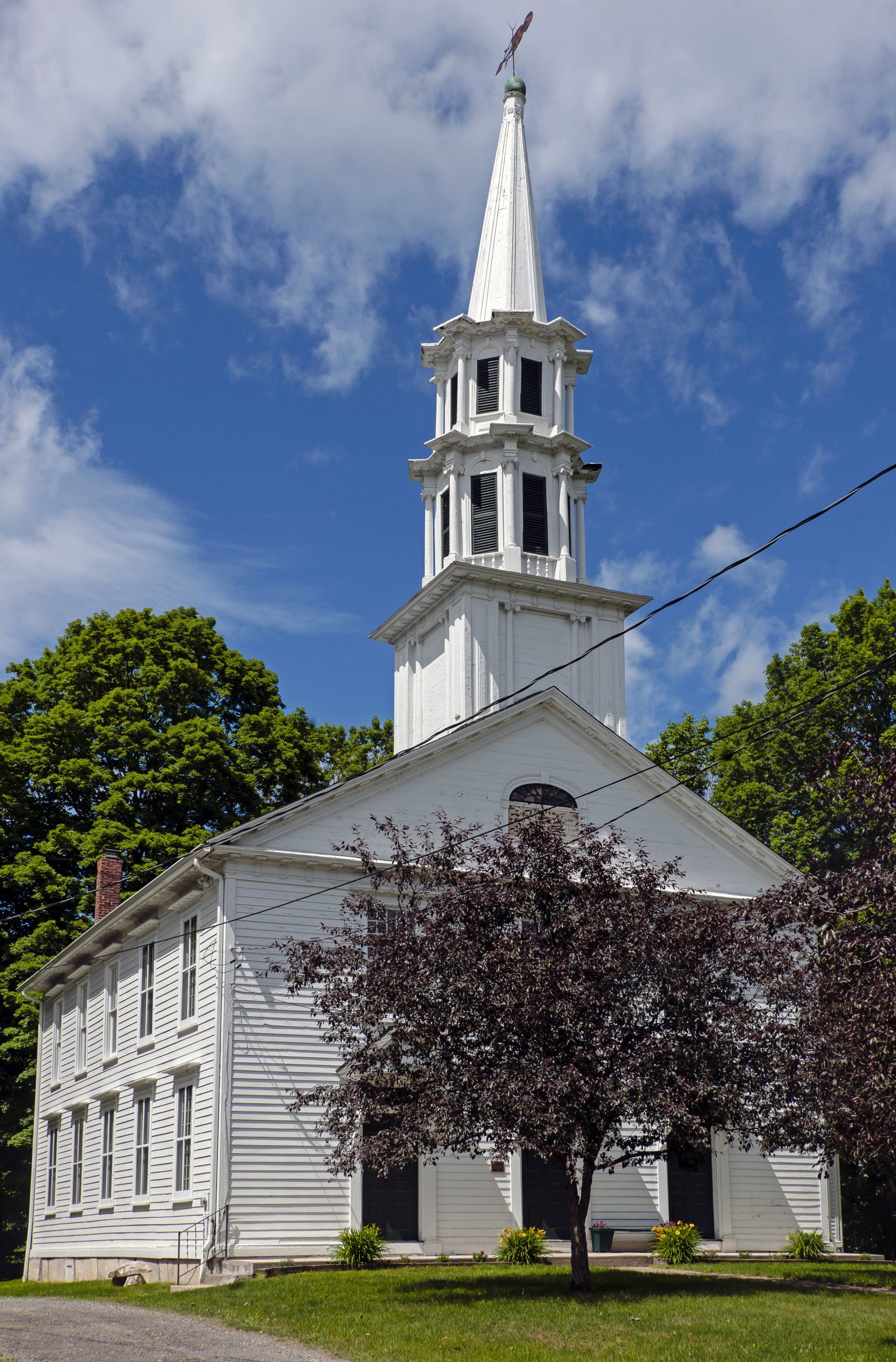
Dover Plains punches well above its weight when it comes to historical character. The Tabor-Wing House, built in 1810 and now maintained by the town, houses a local history room that traces the hamlet's roots back to the late 18th century. The Second Baptist Church of Dover Plains, organized in 1794 and listed on the National Register of Historic Places since 2010, is one of the most visually striking landmarks in the hamlet. Together, these sites offer a genuine window into early Dutchess County life. The Dover Plains Library — which traces its origins to around 1899 — continues to serve as a community anchor.
Dining & Local Shopping
The hamlet has a modest but authentic main street character along NY Route 22, with local shops and eateries that reflect the rural, tight-knit community. While Dover Plains is a small hamlet, the broader town of Dover and nearby communities along Route 22 offer additional dining and retail options. For a wider range of restaurants and shopping, the city of Poughkeepsie is roughly 25 miles to the southwest.
Day Trips & Regional Attractions
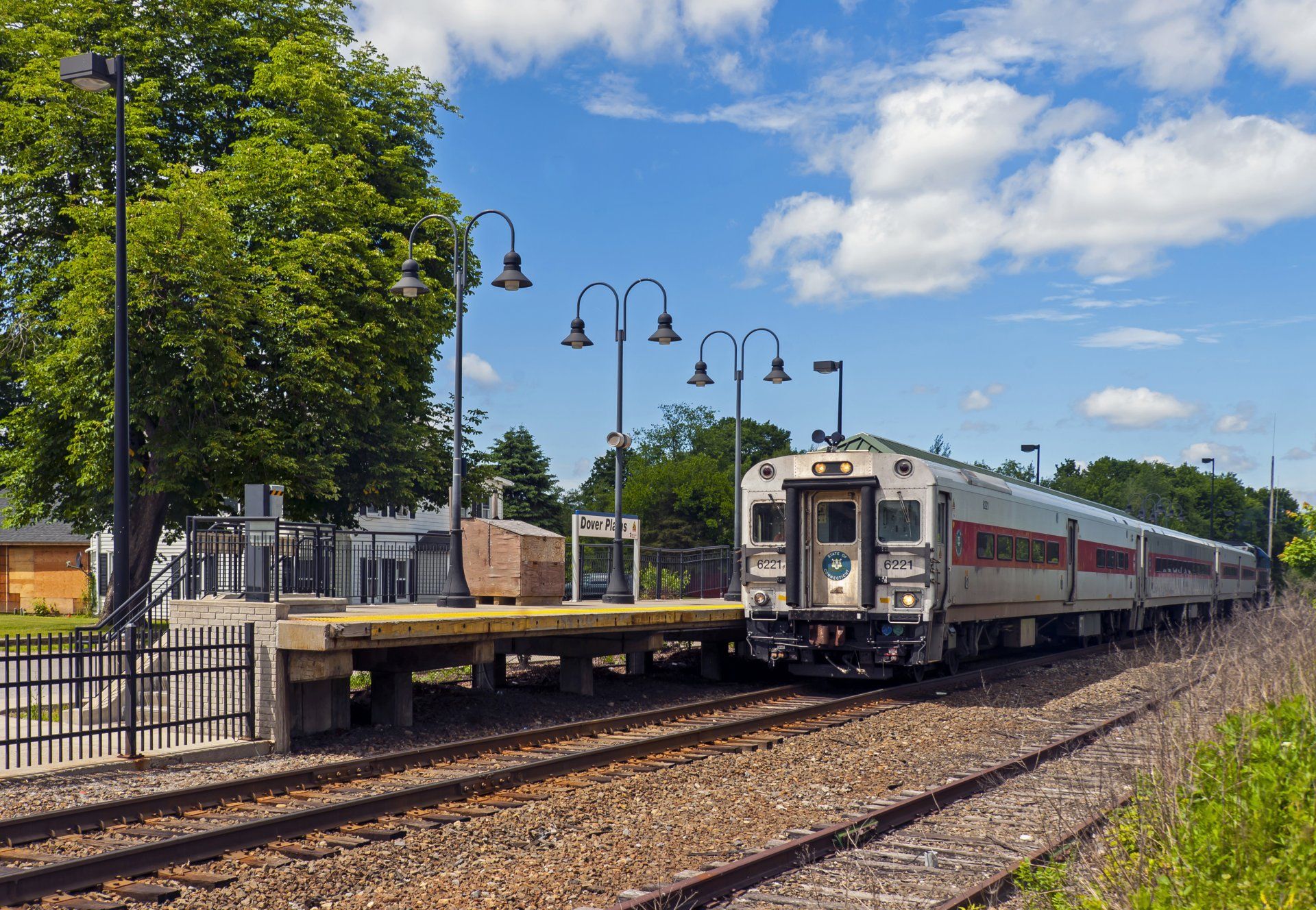
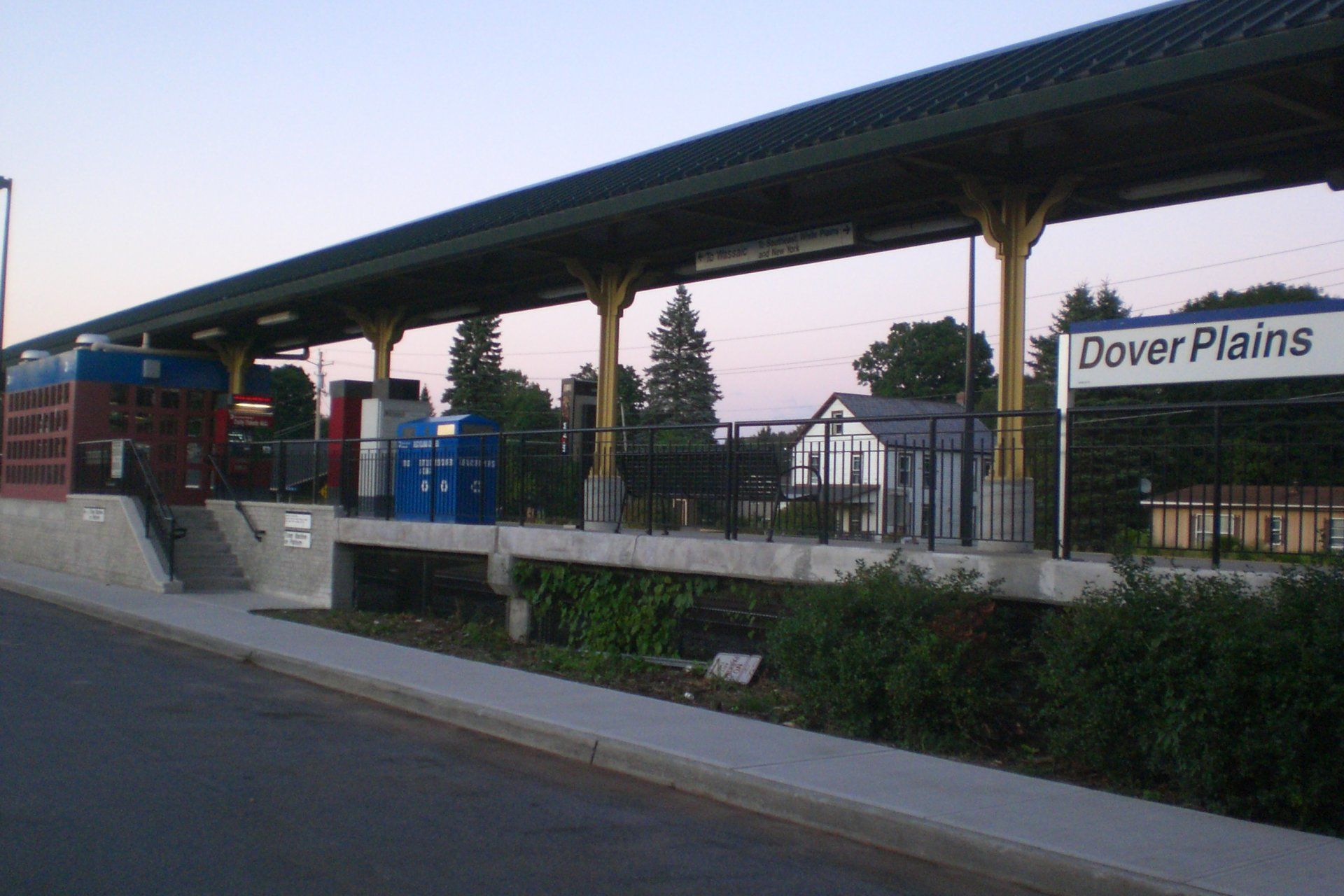
One of Dover Plains' most underrated assets is its Metro-North Harlem Line station, which puts Manhattan's Grand Central Terminal about 90 minutes away by train — making cultural excursions to the city genuinely effortless. Closer to home, the Harlem Valley corridor connects residents to antique shops, farm stands, wineries, and the scenic trails of Harriman State Park and the greater Hudson Valley. For those exploring apartments in Dover Plains NY, this combination of rural calm and regional connectivity is a compelling draw. Seasonal farmers markets and community events throughout the year reinforce the strong local spirit that defines life here.
Latest Properties in Dover Plains
Loading latest properties...
History
From Trading Post to Train Stop: The History of Dover Plains
Dover Plains took shape slowly. As late as 1802, the hamlet had fewer than a dozen buildings, anchored by a general store operated by merchants known as Belding & Co. When the town of Dover was formally carved from the town of Pawling, James Ketcham — who had co-purchased that original store in 1806 — became its first town clerk. He would go on to serve in the War of 1812, spend five years as Town Supervisor, and hold a seat in the State Legislature in 1814, making the Ketcham name synonymous with Dover Plains for generations. His grandson, John H. Ketcham, commanded the 150th New York Infantry — a regiment that fought at Gettysburg and marched with Sherman to the Sea — before serving multiple terms in Congress.
The event that truly transformed the hamlet was the arrival of the New York and Harlem Railroad on December 31, 1848, connecting Dover Plains to New York City roughly 77 miles to the south. Two hotels went up that same year, and commerce followed the tracks. Dairy operations, a marble works, cold storage for fruit, and the processing facilities of the McDermott Milk Company gave the hamlet an economic identity rooted in agriculture and light industry. The Dover Plains Bank was organized in 1857, and by 1899 the community had established its own library.
That 19th-century infrastructure — the compact street grid near the station, the modest commercial core along Route 22, the historic landmarks like the Tabor-Wing House (built 1810) and the Second Baptist Church (organized 1794) — defines the physical character of Dover Plains today. The Metro-North Harlem Line station remains the hamlet's most consequential asset, drawing buyers and renters who want Dutchess County's rural quiet with a direct rail link to Grand Central Terminal. Those exploring apartments in Dover Plains, NY are, in a real sense, buying into a community whose bones were laid down when the first train pulled in nearly 175 years ago.
Weather
Four Distinct Seasons in the Harlem Valley
Dover Plains experiences a humid continental climate, characteristic of inland areas of the northeastern United States at this latitude. Situated in the Ten Mile River valley of eastern Dutchess County, roughly 77 miles north of New York City, the hamlet sits at an elevation of about 400 feet and is flanked by the rolling terrain of the Harlem Valley — geography that shapes its weather in meaningful ways.
Summers are warm and moderately humid, with daytime highs typically ranging from the upper 70s to the mid-80s°F and overnight lows settling into the 50s and low 60s. Winters are genuinely cold, with average highs in the 30s°F and lows that frequently dip into the teens and single digits during the coldest stretches. Snowfall is a regular feature of the season, and the valley's topography can channel cold air and enhance accumulation compared to lower-elevation communities to the south.
Precipitation is fairly evenly distributed throughout the year, averaging around 45 to 50 inches annually, with no pronounced dry season. Spring and fall are particularly appealing — crisp, colorful, and ideal for enjoying the surrounding countryside.
For anyone exploring apartments in Dover Plains NY or considering a home purchase here, the climate has real practical implications. Heating costs are a meaningful budget consideration given the length and intensity of winter, and properties benefit from proper insulation, storm windows, and reliable heating systems. Summer outdoor living is genuinely enjoyable, but homeowners should plan for seasonal maintenance including roof care after heavy snow and spring drainage management in the river valley setting.
Dover Plains Market Analytics
Can I Afford Dover Plains?
Weather