
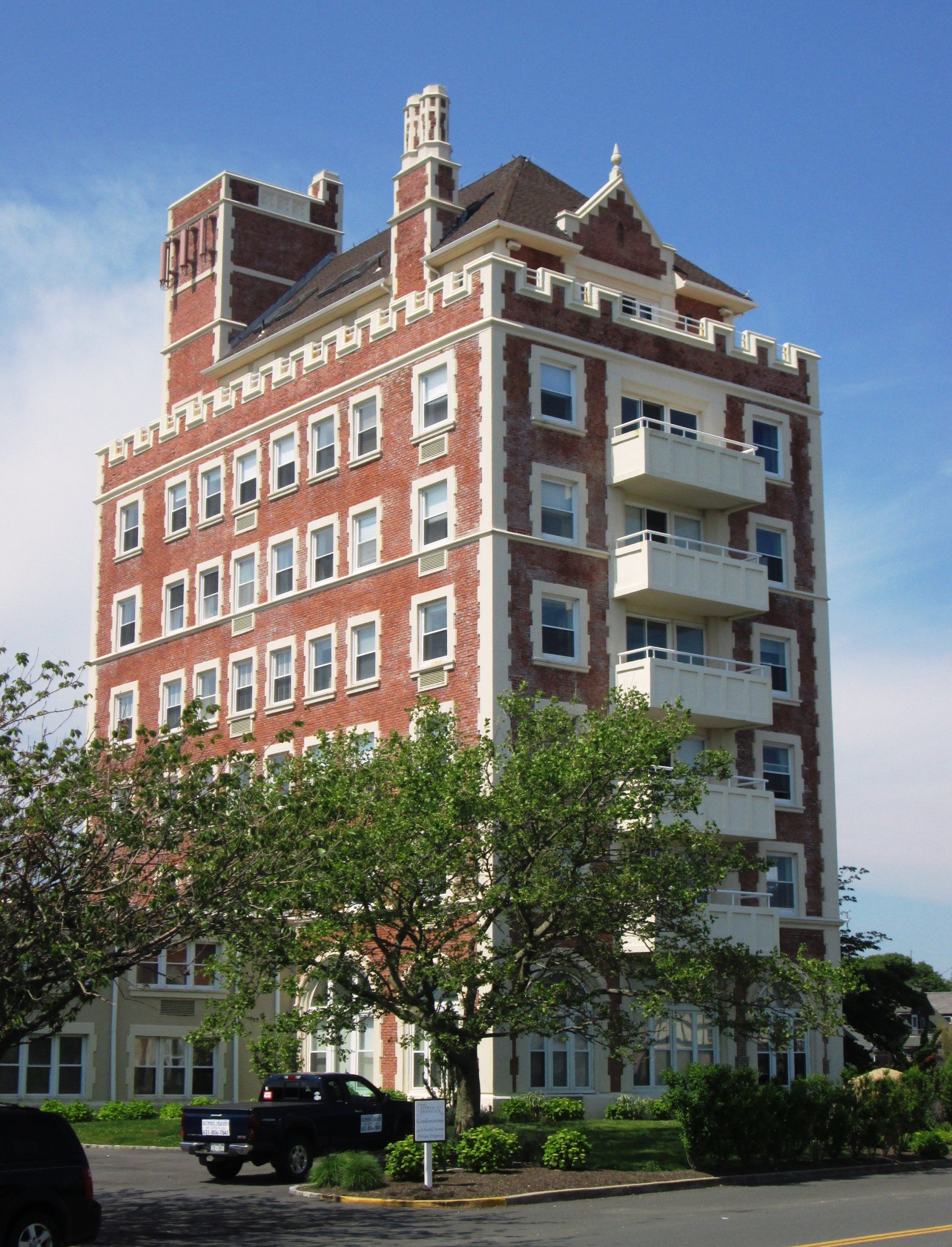
East Hampton North, New York

Location:
East Hampton North, NY

Welcome to East Hampton North

East Hampton North sits at the far eastern tip of Long Island, occupying a peninsula in southeastern Suffolk County where the Atlantic Ocean, Block Island Sound, and Gardiners Bay converge along more than 70 miles of shoreline. This is, in fact, the easternmost town in all of New York State — a geographic distinction that sets it apart from every other community on Long Island. While neighboring Southampton draws comparisons for its affluence and beaches, East Hampton North carries something deeper: a settlement history stretching back to 1640, when Puritan families from Massachusetts established what became the first English settlement in New York State.

The area encompasses a remarkable range of landscapes and communities, from the quiet farmland around Wainscott to the dramatic bluffs near Montauk Point, all within a single town spanning nearly 25 miles. Families here are served by the East Hampton Union Free School District, and outdoor life revolves around eight state parks, including Hither Hills State Park, which anchors the western approach to Montauk. For buyers and investors, East Hampton North represents a rare convergence of natural beauty, documented historical significance, and enduring prestige — a place where property values reflect not just location, but legacy.


Community Profile

Tucked into Suffolk County on the East End of Long Island, this community of 6,006 residents offers a compelling portrait of stability, prosperity, and diversity that sets it apart from much of the surrounding region. The median age of 39.5 years reflects a balanced population that spans active families with children — who make up a robust 25.9% of residents under age 20 — alongside established professionals and retirees, creating the kind of multigenerational neighborhood energy that sustains local community life year-round.

Economically, East Hampton North punches well above national benchmarks. The median household income of $109,035 is nearly 45% higher than the national median, and a remarkable 56.6% of households earn six figures or more. That financial strength is reinforced by a 63% dual-income household rate and an impressively low unemployment rate of just 2.5%. Homeownership stands at 74.6%, exceeding the national average, and reflects deep community investment — though the median home value of $1,147,179 speaks to the extraordinary desirability of real estate on the East End. Residents are also well-educated, with 38.7% holding a bachelor's degree or higher and 19.1% earning graduate degrees. An average commute of just 22.5 minutes rounds out a lifestyle profile that balances professional ambition with genuine quality of life — a rare combination this close to the Hamptons.

Things to Do

Outdoor Recreation

East Hampton North sits within one of the most scenically spectacular corners of New York State, and outdoor enthusiasts are spoiled for choice. The town's 70 miles of shoreline along the Atlantic Ocean, Block Island Sound, and Gardiners Bay offer world-class swimming, surfing, kayaking, and fishing. The area is home to eight state parks, many positioned right at the water's edge. Hither Hills State Park in Montauk is a perennial favorite, offering ocean beach access, hiking trails through dramatic dunes, and camping beneath the stars. Theodore Roosevelt County Park — formerly Montauk County Park — features trails that wind past Montaukett artifacts and historic sweat lodges, connecting visitors to the land's deep Indigenous history.

Arts & Culture

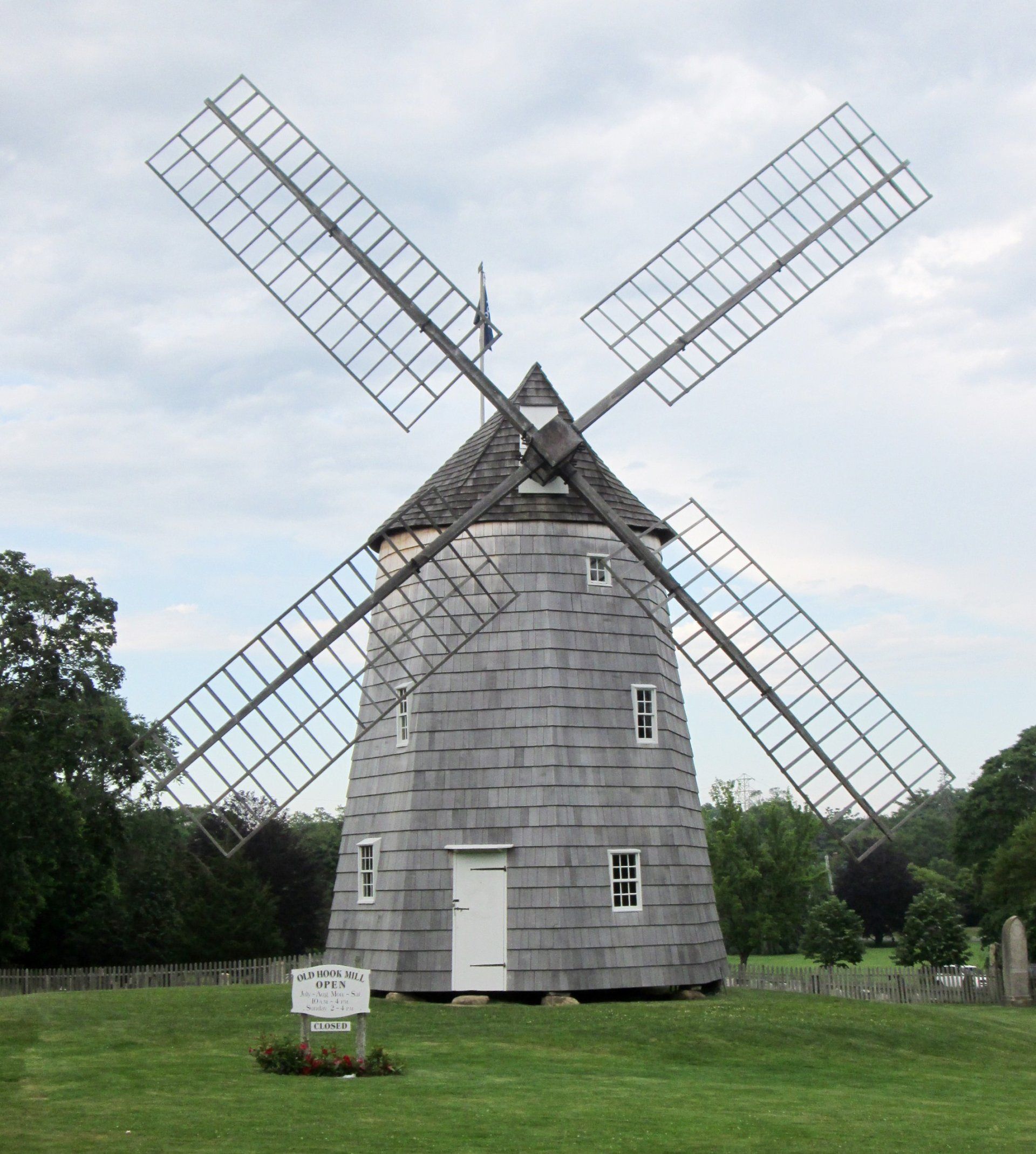
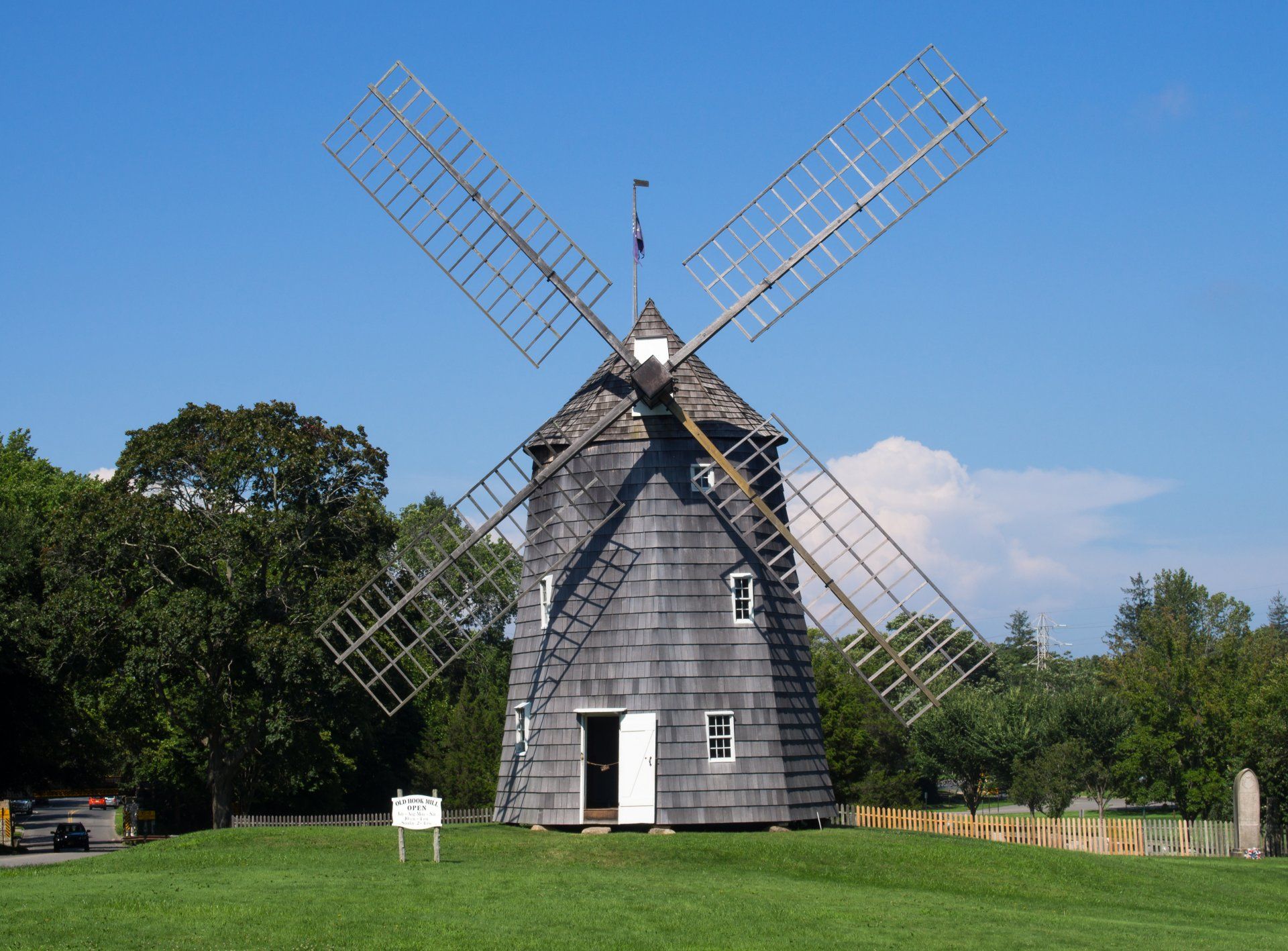
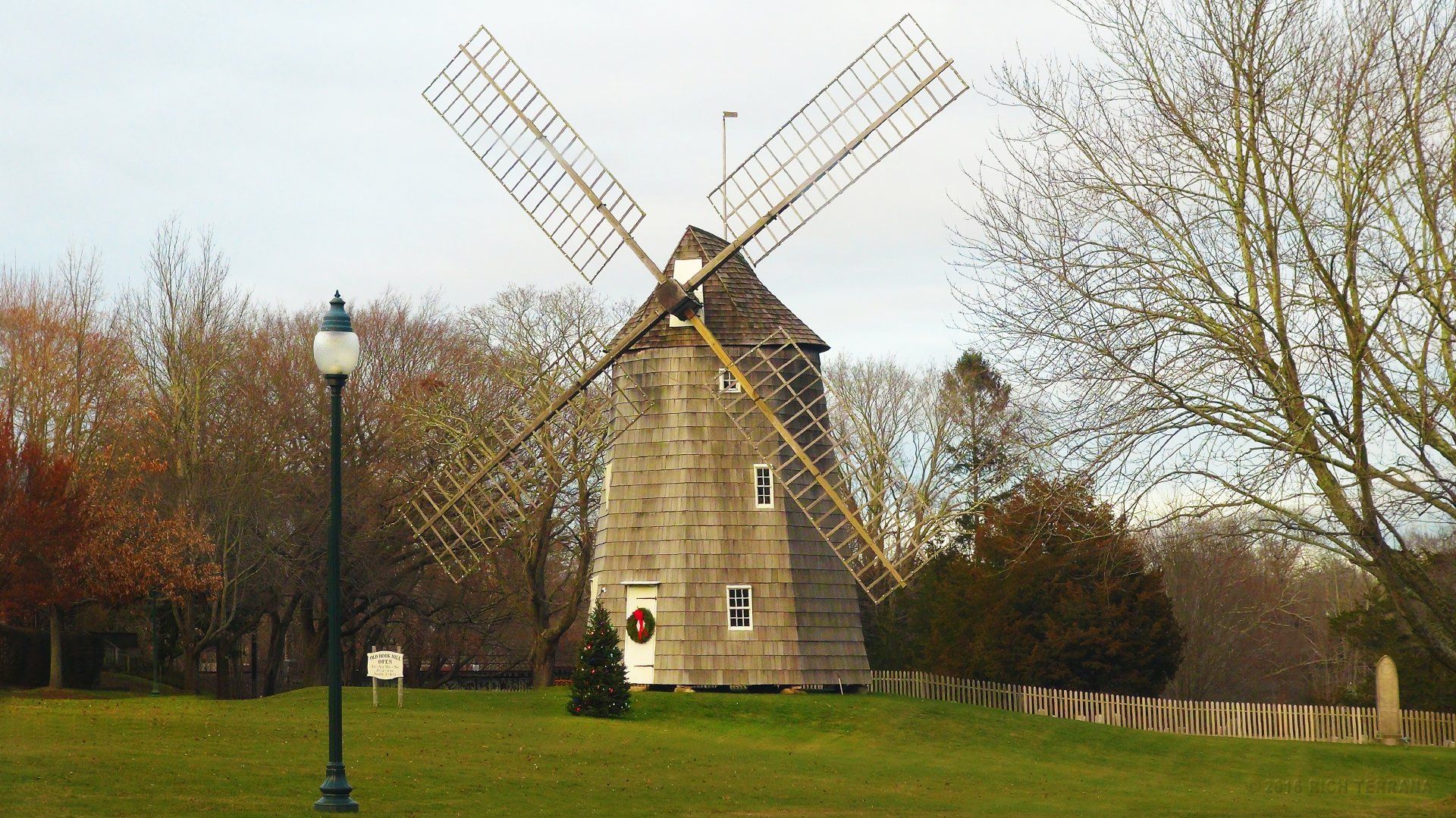
The arts have long been woven into the fabric of East Hampton's identity. The Mulford Farm on James Lane operates as a living history museum, preserving one of the finest 17th-century English colonial complexes in New York — a remarkable window into the town's origins as the first English settlement in the state. The village of East Hampton itself is dotted with galleries showcasing both emerging and established artists, a tradition that stretches back to the Abstract Expressionists who made the East End their home in the mid-20th century. The historic Hook Mill, a landmark windmill in East Hampton Village, is a beloved symbol of the region's colonial heritage.

Dining & Shopping

The hamlets of Amagansett and Montauk offer a relaxed, coastal dining scene where fresh-caught seafood is the star of the menu. East Hampton Village's main thoroughfare is lined with boutiques, art galleries, and specialty food shops that reflect the area's sophisticated yet unhurried character. Farmers markets during the warmer months showcase the region's exceptional local produce.

Family Activities & Day Trips

Families will find plenty to explore, from lighthouse visits at Montauk Point State Park — home to New York's oldest lighthouse — to whale-watching excursions departing from Montauk Harbor. The area's calm bay beaches are ideal for young swimmers, while the surrounding nature preserves offer easy, rewarding hikes for all ages.

Latest Properties in East Hampton North

Loading...

Loading latest properties...

See All Properties in East Hampton North

History

From Puritan Settlement to Prestige Market

East Hampton North's story begins more than three and a half centuries ago, when the broader East Hampton area became the first English settlement in what is now New York State. On June 12, 1640, nine Puritan families from Lynn, Massachusetts arrived at the eastern end of Long Island, with settlers including John Mulford, Thomas Talmage, and Ralph Dayton establishing the foundations of a community that would endure for centuries. A year earlier, in 1639, Lion Gardiner had already purchased what became Gardiner's Island from the Montaukett people — a transaction that set the template for the land dealings that would gradually reshape the entire East End.

The Montaukett, led by Chief Wyandanch and later his widow, ceded their territory through a series of agreements across the mid-17th century, with the final sale of land stretching to Montauk Point completed in 1660. The displacement of the Montaukett — accelerated by smallpox epidemics and legal maneuvering — cleared the way for an agrarian English colonial society that valued land ownership deeply, a cultural instinct that has never really left this corner of Long Island.

For most of the 18th and 19th centuries, East Hampton remained a quiet, agricultural community. The 20th century brought a dramatic transformation, as artists, writers, and eventually wealthy New Yorkers discovered the area's extraordinary natural setting — 70 miles of shoreline, Atlantic beaches, and open farmland — and began building summer retreats. That wave of affluent seasonal interest laid the groundwork for today's real estate market, where properties across East Hampton's 74 square miles of land command some of the highest prices in the northeastern United States, and the area's colonial heritage and preserved landscapes remain central to its enduring appeal.

Weather

East Hampton North sits at the far eastern tip of Long Island, where its peninsular geography — bordered by the Atlantic Ocean to the south, Block Island Sound to the east, and Gardiners Bay to the north — creates a humid subtropical climate with notable maritime moderation. The surrounding water acts as a natural thermostat, keeping summers cooler and winters milder than inland areas at the same latitude.

Summer temperatures typically reach highs in the low-to-mid 80s°F, with overnight lows settling comfortably in the mid-60s. The ocean breeze is a defining feature of warm-weather life here, softening the heat and humidity that can grip the broader New York region. Winters are relatively mild by northeastern standards, with daytime highs generally in the upper 30s to mid-40s°F and lows dipping into the upper 20s. Significant cold snaps occur but rarely linger.

Annual precipitation is fairly evenly distributed throughout the year, averaging around 45 inches. Nor'easters are the most consequential weather events, capable of bringing heavy snow, coastal flooding, and wind damage — a key consideration for homeowners along the shoreline. Fog is common in spring and early summer as warm air moves over cooler coastal waters.

For real estate purposes, the maritime climate is largely an asset — it extends the outdoor living season well into autumn and keeps heating demands moderate. However, coastal exposure demands attention to storm preparedness, flood insurance, and regular maintenance of roofing, siding, and decking against salt air and seasonal storm stress.

East Hampton North Market Analytics

The East Hampton North market is experiencing a slight correction, with home values down 2.5% over the past year, but this suggests the market is balancing and presents opportunities for buyers and sellers to negotiate, according to data analyzed by Opulist. The current median list price of $2,654,166 and 32 homes for sale indicate a competitive market, and with the right guidance from Opulist, buyers and sellers can navigate this market with confidence. Overall, the East Hampton North market remains strong and desirable, with Opulist's expert analysis helping clients make informed decisions.


1-Year Home Value Change: -2.5%

East Hampton North Home Value Index over time.

Can I Afford East Hampton North?
$
%
$0
Est. Monthly Payment
$0/yr
Salary Required

*Principal & interest only. Salary based on 28% debt-to-income ratio.

Get Pre-Approved for East Hampton North