
East Rockaway, New York

Location:
East Rockaway, NY

Welcome to East Rockaway

Incorporated in 1900 within the Town of Hempstead, East Rockaway is a compact South Shore village of just over one square mile that has been drawing residents to Nassau County since long before the Long Island Rail Road arrived in 1880. That rail connection — still served today by two LIRR stations on the Long Beach Branch — is one of the features that sets East Rockaway apart from many of its neighbors: commuters can reach Manhattan in roughly 35 minutes without the highway congestion that burdens nearby communities.

The village carries genuine historical weight. The Haviland-Davison Grist Mill, built around 1689 and listed on the National Register of Historic Places in 1998, still stands in Memorial Park as a tangible link to the area's maritime and milling origins. That sense of continuity runs alongside modern-day stability: a median household income of $112,415, a poverty rate of just over 2%, and a homeownership rate approaching 73% paint the picture of a grounded, economically healthy community.

Families considering east rockaway houses for sale will find a village served by the East Rockaway School District, home to East Rockaway High School and its famously spirited Rock Rivalry tradition. With low unemployment, strong transit access, and a genuine South Shore character that the Five Towns area commands at far higher price points, East Rockaway offers a compelling case for buyers who want long-term value without compromise.


Community Profile

Tucked into Nassau County on Long Island's South Shore, this tight-knit village of 10,077 residents punches well above its weight by nearly every measure of prosperity and stability. The median household income here reaches $124,929 — nearly double the national median — and a remarkable 62.4% of households clear six figures, reflecting a community of driven, accomplished professionals. That earning power is backed by serious credentials: 51.1% of residents hold a bachelor's degree or higher, well above the national rate of roughly 33%, and 25.4% have earned a graduate degree. A strong 37.4% hold STEM degrees, suggesting a workforce deeply embedded in the high-skill economy of the greater New York metro.

Stability is perhaps the village's most defining trait. The homeownership rate of 79.4% far exceeds the national average of 65.5%, and with a median home value of $621,328, those who own here have built meaningful equity. The poverty rate is a remarkably low 2.6%, and the unemployment rate sits at just 3.2%, signaling a community where financial security is the norm rather than the exception. Buyers exploring east rockaway homes for sale will also find a multigenerational mix — a median age of 41.5 years, a strong cohort of school-age children (ages 10–19 make up 15.9% of the population), and 64.1% of families bringing in dual incomes — all pointing to a community built for the long haul.

Things to Do

Outdoor Recreation

East Rockaway packs a surprising amount of green space and waterfront access into its compact 1.03 square miles. Memorial Park is the crown jewel of the village's recreational offerings — a beloved gathering spot that is also home to the Haviland-Davison Grist Mill, a tidewater mill built around 1689 and listed on the National Register of Historic Places since 1998. Walking the grounds here is a genuine step back into Long Island's colonial past. The John Street Complex keeps the village active year-round, offering a baseball diamond, two basketball courts, and a concession stand where flag football, baseball, and basketball leagues keep residents of all ages busy. The Mill River, which winds through the village before emptying into Hewlett Bay, provides a scenic backdrop for walking and nature watching, particularly along the restored wetlands and salt marshes that line its banks.

Community Events & Culture

East Rockaway has a strong identity built around community traditions. The annual Village Winter Festival and Fall Fest draw families together each season, while the beloved Rock Rivalry — an inter-class competition rooted in East Rockaway High School — generates spirited enthusiasm that spills well beyond the school walls. The Haviland-Davison Grist Mill museum offers a fascinating look at the village's origins as a milling and maritime trading hub, making it an ideal outing for history lovers and curious families alike.

Dining & Shopping

Main Street serves as the village's commercial heart, lined with local shops, eateries, and neighborhood businesses that reflect the area's tight-knit Italian, Irish, and Jewish community character. The dining scene leans toward casual, family-friendly fare — the kind of unpretentious neighborhood restaurants that keep regulars coming back. Those exploring east rockaway houses for sale will appreciate how walkable this corridor is from most residential streets.

Day Trips & Regional Access

East Rockaway's location roughly 15 miles southeast of Manhattan — with two Long Island Rail Road stations on the Long Beach Branch — makes it effortless to reach New York City for world-class museums, theater, and dining. Jones Beach State Park is just a short drive south, offering miles of Atlantic Ocean shoreline perfect for summer swimming, fishing, and concerts at its famous amphitheater.

Latest Properties in East Rockaway

Loading...

Loading latest properties...

See All Properties in East Rockaway

History

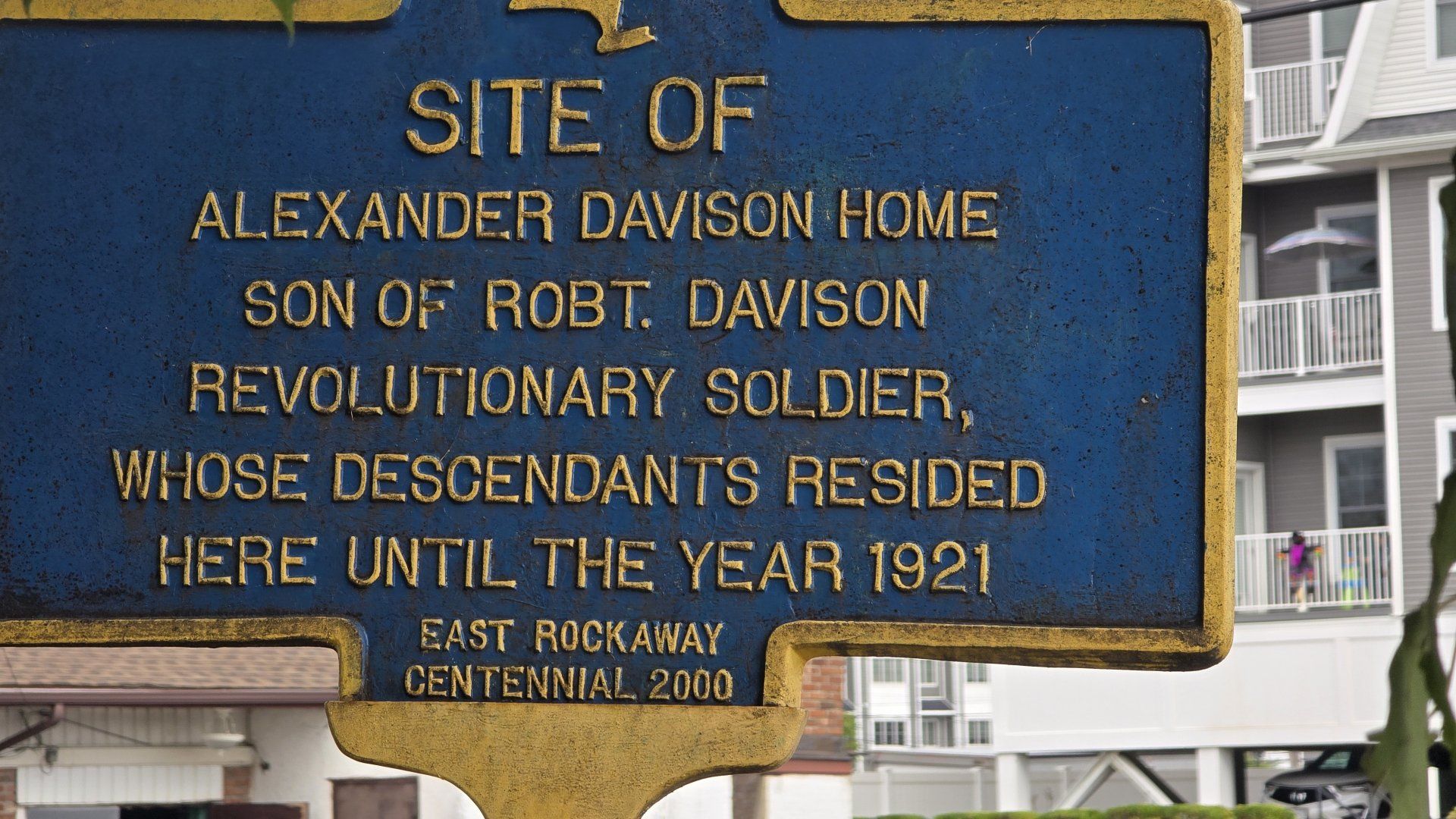
East Rockaway's story begins in 1665, when the area appeared in Hempstead Town ledgers under the name "Near Rockaway" — a nod to its position along Long Island's South Shore relative to the Rockaway Peninsula. The land was prized early on for its deep inland channels, which made it a natural hub for maritime trade in oysters, farm produce, and lumber bound for New York City markets. The pivotal infrastructure moment came in December 1688, when the Town of Hempstead granted Joseph Haviland rights to build a grist mill on the Mill River. Haviland completed the tidewater mill around 1689 at the foot of what is now Ocean Avenue, and it remained the economic engine of the community for generations. Today, the Haviland-Davison Grist Mill — listed on the National Register of Historic Places in 1998 — still stands in Memorial Park as a tangible link to that founding era.

The village's name changed officially to East Rockaway in 1869, and incorporation followed in 1900, with Floyd Johnson serving as the first village president over a population of just 969 residents. The arrival of the Long Island Rail Road station in 1880 proved transformative, gradually shifting the community's identity from a maritime and milling outpost to a commuter suburb within reach of Manhattan. That transition accelerated through the mid-20th century, when the population surged from roughly 2,000 in 1920 to more than 10,700 by 1960, filling the village's compact 1.03 square miles with the modest, well-kept single-family streets that define its character today.

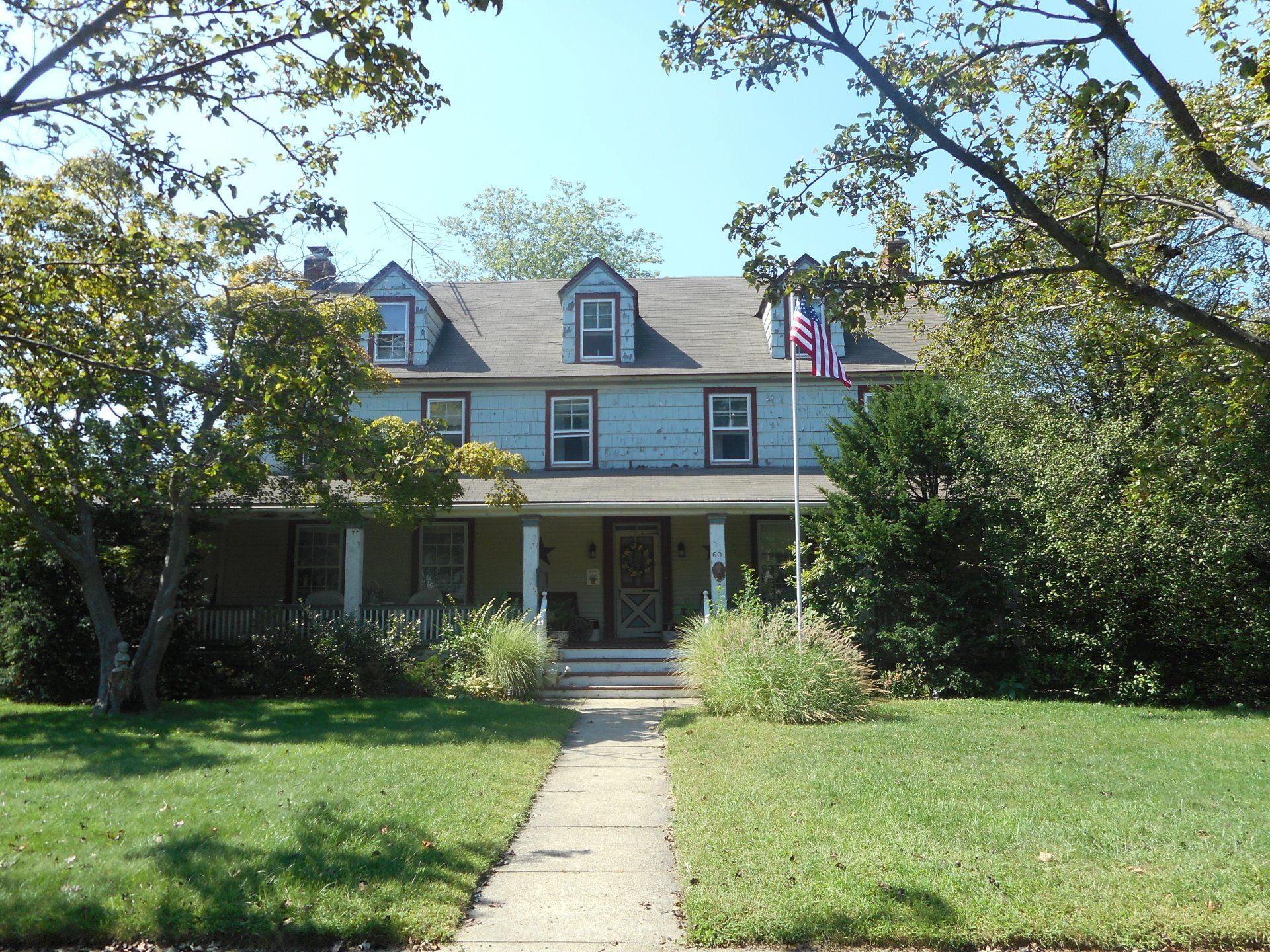
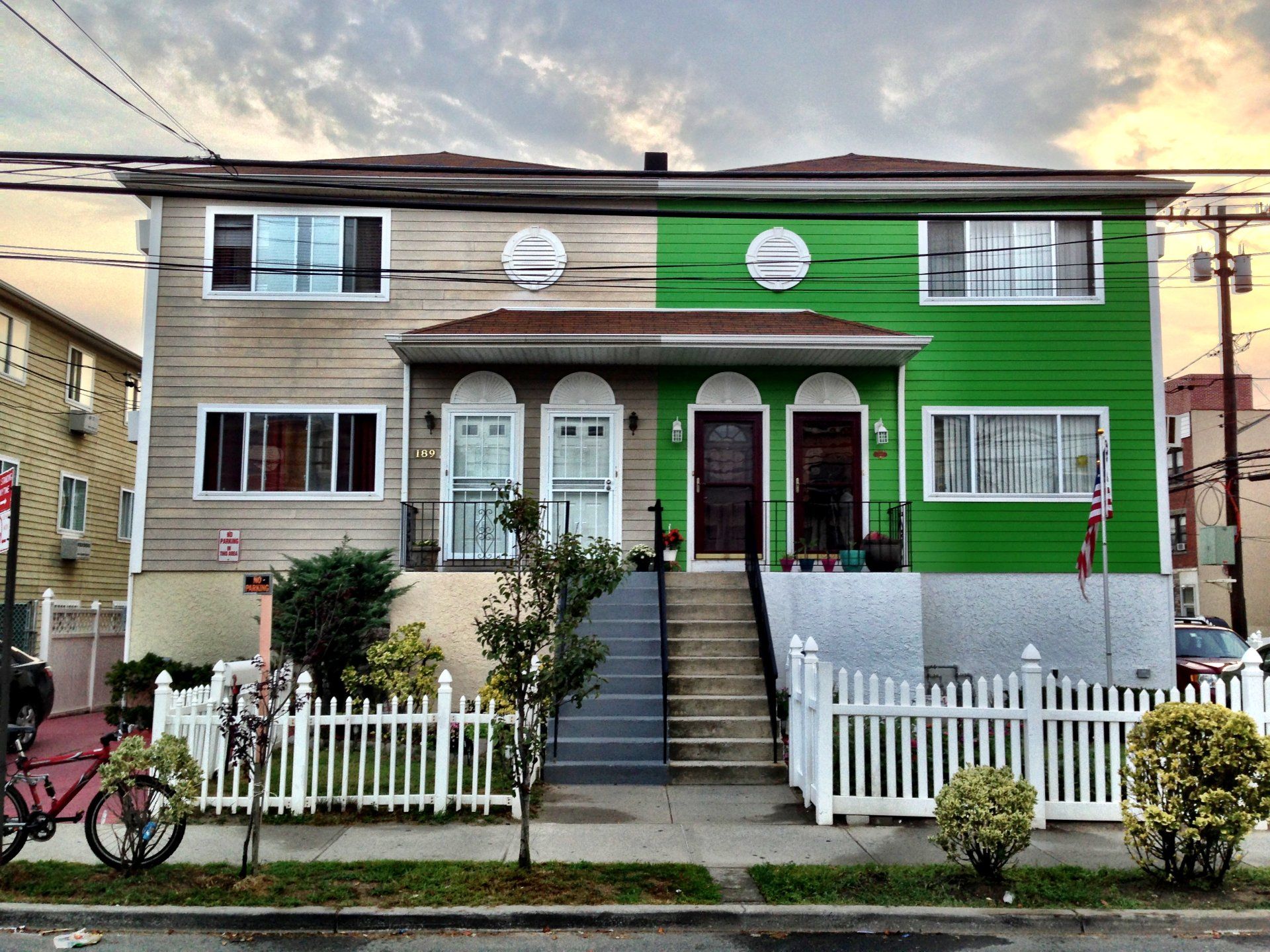
Those postwar blocks — now mature, tree-lined, and tightly held — form the backbone of the current housing market. With a homeownership rate of 72.8% and a median household income of $112,415, East Rockaway reflects the stability that its long arc of development has produced. Buyers exploring east rockaway homes for sale are essentially purchasing into a neighborhood whose bones were set more than a century ago and whose community identity has only deepened since.

Weather

East Rockaway sits firmly within a humid subtropical climate zone (Köppen Cfa), a classification that surprises some newcomers expecting a purely northeastern chill. Its position on the South Shore of Long Island, just a mile or two from tidal waterways and within easy reach of the Atlantic, gives the village a distinctly coastal temperament that moderates the extremes found further inland.

Summers are warm and humid, with July highs averaging around 82°F and overnight lows hovering near 70°F. The proximity to the ocean keeps temperatures from soaring as dramatically as they might in inland Nassau County, but humidity levels can make midsummer feel genuinely muggy. Winters are cold but rarely brutal by upstate standards — January highs typically reach the low 40s°F, while overnight lows dip to the upper 20s. Nor'easters are a real seasonal fixture, capable of delivering significant snowfall and coastal flooding, particularly given the village's low-lying elevation of under 10 feet above sea level.

Annual precipitation runs approximately 45 inches, spread fairly evenly across the year, with spring and summer thunderstorms adding to the total. The Mill River and surrounding tidal channels amplify flood risk during major storms — a factor that buyers browsing east rockaway homes for sale should weigh carefully when evaluating properties near the waterfront.

For residents, the climate shapes daily life in tangible ways: outdoor living is genuinely enjoyable from late spring through early fall, heating costs are a meaningful winter budget consideration, and seasonal maintenance — roof inspections, drainage upkeep, and storm preparation — is simply part of responsible homeownership here.

East Rockaway Market Analytics

The East Rockaway real estate market is showing signs of stability and growth, with the average home value increasing by 1.7% over the past year to $721,291, according to data analyzed by Opulist. This suggests the market is balancing out, with a steady stream of new listings and a relatively low for-sale inventory, indicating a potential opportunity for buyers and sellers to negotiate fair prices. Overall, the market trends indicate a positive outlook for the East Rockaway housing market, making it an attractive time for potential home buyers and sellers to explore their options with the guidance of a knowledgeable real estate expert from Opulist.


1-Year Home Value Change: +1.7%

East Rockaway Home Value Index over time.

Can I Afford East Rockaway?
$
%
$0
Est. Monthly Payment
$0/yr
Salary Required

*Principal & interest only. Salary based on 28% debt-to-income ratio.

Get Pre-Approved for East Rockaway