
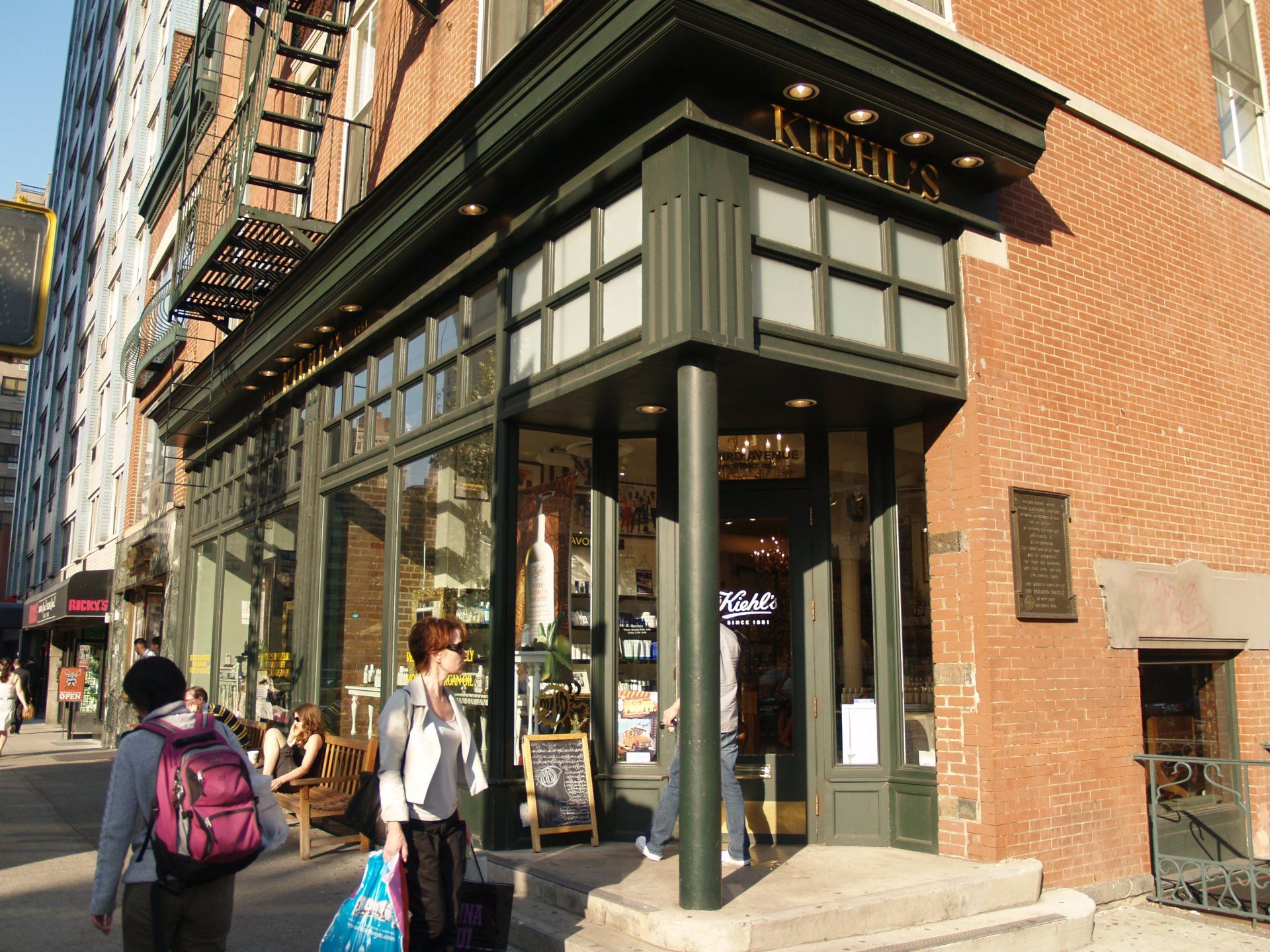
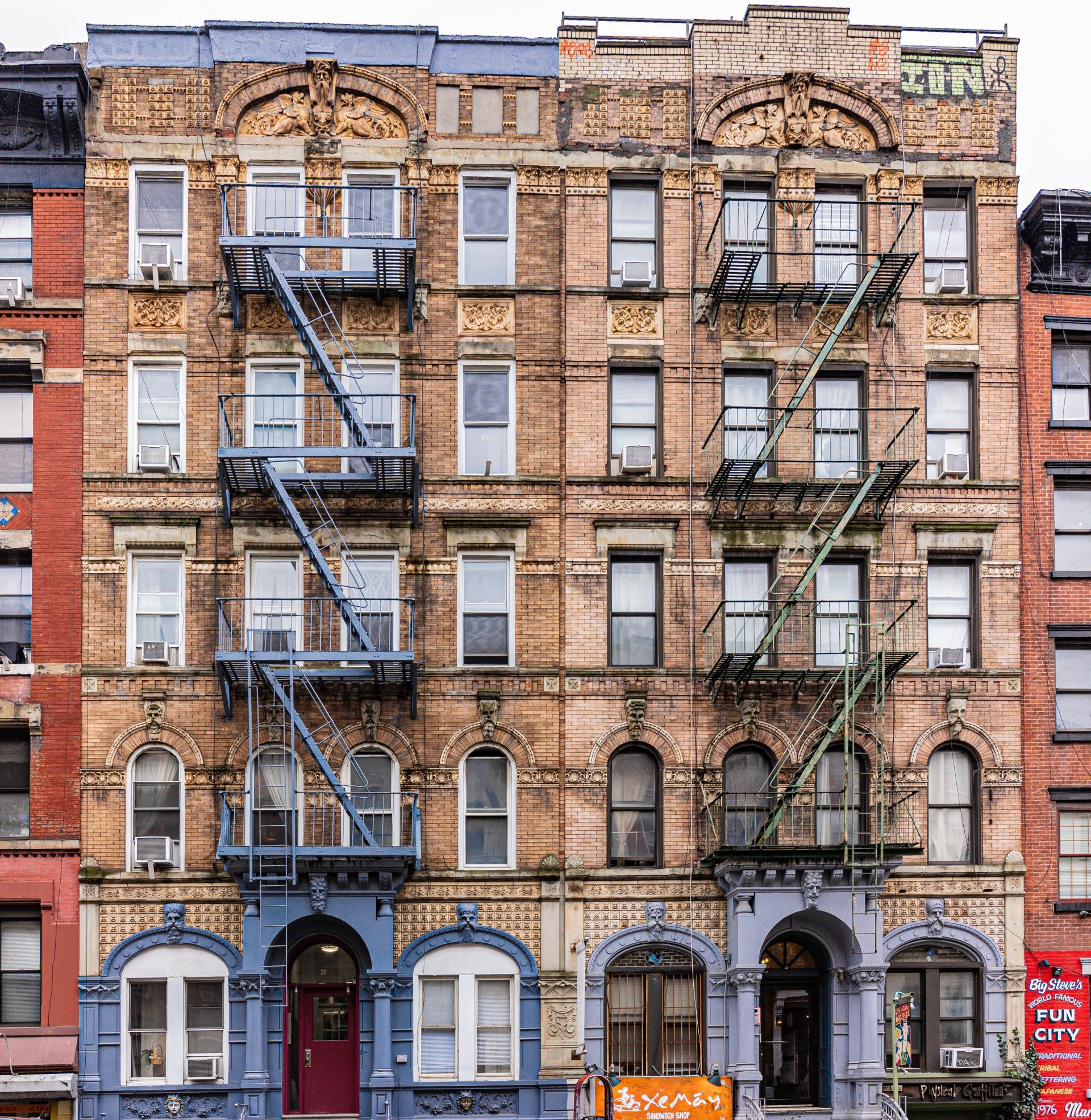
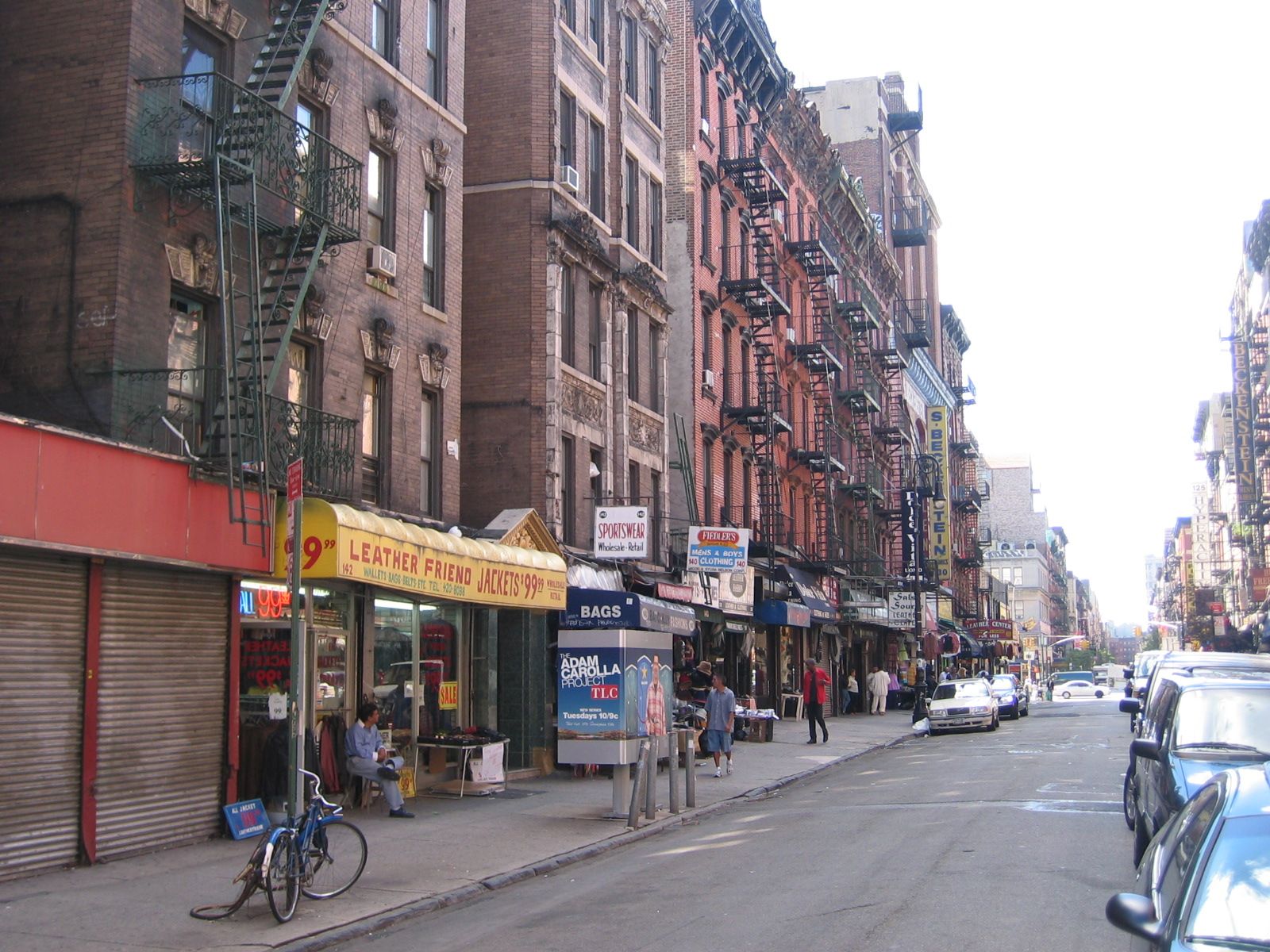
Bounded by the Bowery to the west, 14th Street to the north, and Houston Street to the south, the East Village is one of Manhattan's most historically layered and culturally distinct neighborhoods. Unlike its neighbor the West Village — with its quieter, cobblestoned streets and Federal-style townhouses — the East Village carries a rawer, more eclectic energy shaped by centuries of immigrant waves, countercultural movements, and relentless artistic reinvention. The land itself has deep roots: once farmed by Peter Stuyvesant in the 17th century, it later became the address of some of New York's wealthiest families before transforming into a dense immigrant quarter and, eventually, the epicenter of punk, poetry, and protest. Tompkins Square Park, designated in 1833, remains the neighborhood's civic anchor — a gathering place as contested and beloved today as it has ever been. The L, N, Q, R, 4, 5, and 6 trains all serve the area, making east village apartments nyc among the most transit-accessible in the borough. For buyers and investors alike, this is a neighborhood whose identity runs deep and whose long-term appeal shows no signs of fading.
Welcome to East Village
Things to Do
Dining & Nightlife
The East Village has long been one of Manhattan's most exciting neighborhoods for food and drink, and that reputation has only deepened over the decades. St. Mark's Place remains a lively corridor lined with Japanese izakayas, Indian restaurants, and late-night bars that draw both locals and visitors well into the early hours. The stretch of Second Avenue through the neighborhood is equally rich, with everything from classic Ukrainian comfort food at the Veselka diner — open 24 hours and a neighborhood institution — to inventive cocktail bars tucked into century-old tenement storefronts. Curry Row on East 6th Street, one of the city's most storied dining blocks, offers a concentrated run of South Asian restaurants that have fed New Yorkers for generations.
Parks & Outdoor Recreation
Tompkins Square Park, the neighborhood's beating green heart, sits between 7th and 10th Streets and Avenues A and B. It's a true community gathering place — dog runs, basketball courts, a children's playground, and open lawns host everything from informal drum circles to the beloved Howl! Festival each September, which celebrates the neighborhood's countercultural legacy. The park's history is as layered as the neighborhood itself, having served as a site of labor protests in the 19th century and a flashpoint during the 1988 riots that defined an era of East Village activism.
Arts & Culture
The East Village has been a cradle of American bohemian culture since the 1960s, and its arts scene remains vital. St. Mark's Church in-the-Bowery, one of the oldest sites of continuous worship in New York City, doubles as a celebrated arts venue hosting poetry readings, dance performances, and experimental theater. The neighborhood's gallery scene, concentrated along the avenues of Alphabet City, showcases emerging artists in intimate spaces that reflect the area's independent spirit. Music venues and off-off-Broadway theaters dot the blocks, continuing a tradition that once nurtured punk, spoken word, and the New York School of poetry.
Shopping & Local Character
Independent bookshops, vintage clothing stores, and record shops give the East Village a shopping character entirely its own — resistant to the homogenization that has overtaken other Manhattan neighborhoods. St. Mark's Place and the surrounding blocks reward slow, exploratory walks. For those considering east village apartments nyc, proximity to this kind of walkable, eclectic retail is a genuine daily pleasure that no app can replicate.
Latest Properties in East Village
Loading latest properties...
History
From Lenape Land to Lower Manhattan's Most Dynamic Market
Long before east village apartments nyc became one of the most searched real estate phrases in Manhattan, this neighborhood was Lenape territory — a seasonal hunting and fishing ground that Dutch colonists began dividing into farms, or bouwerij, after Peter Minuit purchased Manhattan for the Dutch West India Company in 1626. Peter Stuyvesant, director-general of New Netherland, acquired the land that would anchor the neighborhood in 1656, and his family held onto it for over seven generations. The street grid that defines the East Village today traces directly back to the Commissioners' Plan of 1811, which formalized the northward expansion of the city and opened the area to development.
By the 1830s, the neighborhood had transformed into one of Manhattan's wealthiest residential enclaves. Federal-style rowhouses rose along 8th Street — the block renamed St. Mark's Place — and Tompkins Square Park was designated in 1833 as the neighborhood's civic anchor, a role it still plays today. That prosperity was short-lived. By mid-century, waves of immigrants, including a substantial German-speaking community centered around what was called Little Germany, reshaped the area into a dense working-class district associated with the Lower East Side.
The neighborhood didn't acquire its distinct identity as the "East Village" until the 1960s, when artists, musicians, and counterculture figures — drawn by cheap rents and proximity to Greenwich Village — began settling here in earnest. Decades of disinvestment followed by the creative energy of the punk and avant-garde scenes gave the neighborhood its gritty, independent character. Gentrification accelerated through the 2000s, and today that layered history — Federal rowhouses, immigrant tenements, bohemian storefronts — is precisely what makes east village new york apartments so sought after. The bones of the 19th century and the spirit of the 20th coexist in a market that remains one of Lower Manhattan's most compelling.
Weather
Four Seasons in a Dense Urban Setting
East Village experiences a humid subtropical climate (Köppen Cfa), shaped by its position in Lower Manhattan and the moderating influence of the surrounding Atlantic coastline and New York Harbor. Summers are warm and humid, with daytime highs typically reaching the upper 80s°F and overnight lows settling in the mid-60s°F. The combination of heat and humidity can feel especially intense in the neighborhood's dense streetscape, where brick buildings and asphalt absorb and radiate warmth well into the evening.
Winters are cold but rarely severe by inland standards. Daytime highs generally hover in the mid-30s to low 40s°F, while overnight lows can dip into the mid-20s°F. The Atlantic's proximity keeps temperatures from plunging as dramatically as in more continental climates, though nor'easters occasionally deliver meaningful snowfall and gusty winds that funnel sharply through the neighborhood's avenue corridors.
Precipitation is fairly evenly distributed throughout the year, averaging around 46–50 inches annually, with no pronounced dry season. Spring and fall are the most temperate and pleasant periods, making them popular times for the outdoor café culture and street life that define the neighborhood's character.
For those considering east village apartments nyc, these climate patterns carry real practical weight. Older walk-up buildings — common throughout the neighborhood — can mean higher heating costs in January and uncomfortable top-floor heat in July. Buyers and renters alike should factor in the quality of insulation, window glazing, and HVAC systems, as seasonal maintenance demands are genuine here year-round.
East Village Market Analytics
Can I Afford East Village?
Weather