
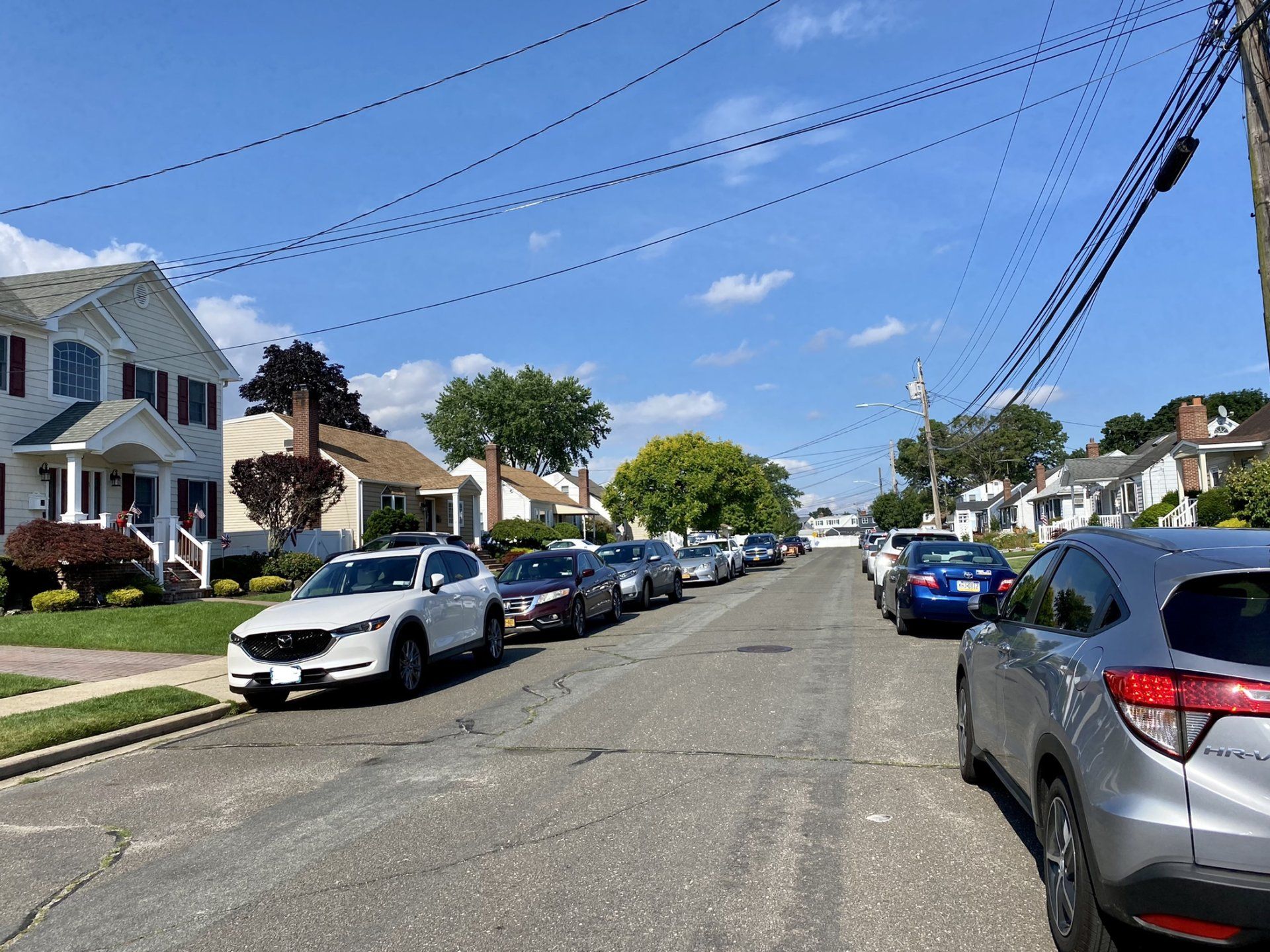
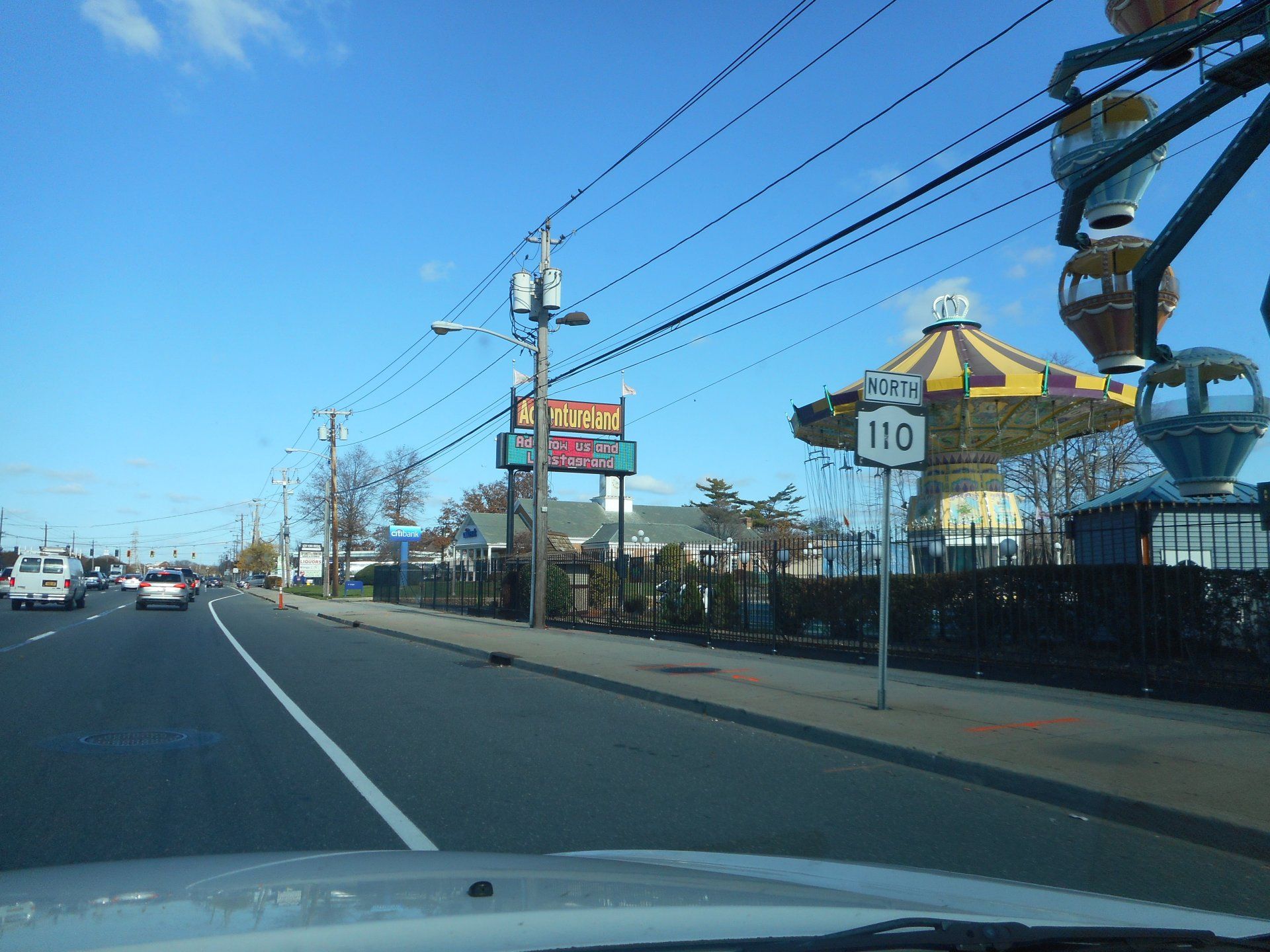
Settled in 1691 and incorporated as a village in 1904, Farmingdale, New York occupies just over one square mile within the Town of Oyster Bay in Nassau County — yet it packs in a remarkable amount of history, character, and everyday convenience. Unlike the sprawling suburban tracts that define much of central Long Island, Farmingdale has a genuine downtown anchored by Main Street's distinctive arts and crafts architecture and a Village Green that hosts summer concerts, outdoor movies, and holiday parades throughout the year. The Long Island Rail Road's Farmingdale station connects residents directly to Penn Station in Manhattan, making the commute manageable without sacrificing the quieter pace of village life. Farmingdale State College adds an intellectual and economic energy that sets the village apart from purely residential neighbors like Bethpage or Melville. With a median household income exceeding $134,000 and a median home price around $530,100, farmingdale homes for sale attract buyers who recognize lasting value. For anyone weighing where on Long Island to put down roots, Farmingdale's combination of transit access, strong schools, and ongoing downtown investment makes a compelling case for the years ahead.
Welcome to Farmingdale
Community Profile
Tucked into Nassau County on Long Island, this compact village of 8,474 residents punches well above its weight economically. The median household income here reaches $122,980 — nearly double the national median — and a remarkable 61.5% of households clear six figures annually. That prosperity is reflected in the housing market, where the median home value sits at $559,931, a figure that speaks to the enduring desirability of Farmingdale real estate. Buyers browsing farmingdale homes for sale will find a community where homeownership is the norm: 70% of residents own their homes, comfortably ahead of the national rate of 65.5%.
The workforce driving that income is notably credentialed. More than half of adults — 52.7% — hold a bachelor's degree or higher, well above the national average of 33%, and 21.9% have earned a graduate degree. A striking 42.9% of degree holders studied STEM fields, reflecting the area's deep ties to Long Island's aerospace, defense, and technology sectors. With an unemployment rate of just 3.7% and an average commute of 30.7 minutes into the broader New York metro, residents enjoy professional opportunity without sacrificing quality of life. The median age of 43.5 years and a low poverty rate of 5.2% round out the picture of a stable, established community — exactly the kind of place where putting down roots makes long-term sense.
Things to Do
Outdoor Recreation
Farmingdale's most celebrated outdoor destination sits just beyond the village limits: Bethpage State Park, home to the legendary Black Course, which has hosted multiple U.S. Open and PGA Championship tournaments. Whether you're an avid golfer teeing off on one of the park's five courses or simply enjoying the sprawling green space, Bethpage is a world-class amenity practically in the backyard of anyone exploring farmingdale homes for sale. The park also offers hiking and biking trails, picnic areas, and open fields that draw families and outdoor enthusiasts year-round.
Downtown & Community Events
The heart of the village is Main Street, a charming corridor lined with arts and crafts architecture that reflects Farmingdale's historic character. At its center, the Village Green serves as a true community gathering place throughout the year — expect holiday parades in winter, outdoor movie nights in summer, and live concerts that draw residents of all ages. A $1.4 million infrastructure upgrade completed in 2023 gave Main Street a fresh look with expanded sidewalks, underground utilities, and improved lighting, making it an even more pleasant destination for an evening stroll or weekend outing.
Dining & Shopping
Main Street and the surrounding downtown area offer a diverse mix of dining options, reflecting the village's multicultural character. From casual neighborhood spots to ethnic eateries, there's genuine variety packed into this compact one-square-mile village. Local shops, boutiques, and service businesses give the downtown a walkable, small-town feel that larger Long Island communities often lack.
Arts & Culture
Farmingdale's cultural scene is growing. A $4.5 million state grant has been awarded specifically for downtown revitalization and the development of a new cultural arts center, signaling an exciting chapter ahead for the arts in the village. Farmingdale State College also contributes to the cultural fabric, regularly hosting lectures, performances, and community programming that are open to village residents.
Aviation History
Aviation enthusiasts will appreciate Republic Airport, a general aviation facility with deep historical roots — this is where Republic Aviation once produced thousands of P-47 Thunderbolts during World War II. The airport remains active today and is a fascinating landmark for anyone drawn to Long Island's remarkable aviation heritage. For those researching farmingdale houses for sale, this rich history adds a compelling layer of identity to an already distinctive community.
Latest Properties in Farmingdale
Loading latest properties...
History
From Hardscrabble to Hometown: Farmingdale's Layered Past
Farmingdale's story begins long before its streets were platted. The Marsapeague band of the Lenape people inhabited these fertile central Long Island plains before English Quaker Thomas Powell arrived in 1687 and, in 1695, formalized the Bethpage Purchase — acquiring roughly 15 square miles from Marsapeague sachems for goods and wampum valued at 140 pounds sterling. Powell's family farmed the land for generations, and the agrarian character they established would define the village for nearly two centuries.
The area was known informally as Hardscrabble until around 1835, when settler Ambrose George renamed it Farmingdale — a nod to the expansive truck farms producing vegetables and strawberries for nearby markets. The arrival of the Long Island Rail Road on October 15, 1841, changed everything, connecting local growers directly to New York City and spurring commercial agriculture. By 1888, Jarvis Andrew Lattin had opened a pickle and sauerkraut factory at 111 Powell Place, one of several processing operations that anchored the village economy through the early 20th century.
The next great transformation came from the sky. In 1927, Sherman Fairchild established what would become Republic Airport, and by 1939 Republic Aviation Corporation had made Farmingdale its home base. During World War II, the plant produced over 9,000 P-47 Thunderbolts and employed up to 13,000 workers — fundamentally reshaping the village's identity from farming hamlet to industrial hub. The postwar suburban boom that followed, driven by returning veterans and the GI Bill, filled in the residential blocks that give today's neighborhood its character.
Formally incorporated in 1904, Farmingdale today spans just over one square mile — but that compact footprint carries centuries of layered history. For buyers exploring farmingdale homes for sale, that history translates into a tight-knit village with a genuine downtown, a strong community identity, and a median home price of $530,100 that reflects sustained demand for everything this storied address offers.
Weather
Four Seasons on Central Long Island
Farmingdale, New York experiences a humid subtropical climate — the classification that applies to much of Long Island's south shore corridor — characterized by warm, humid summers, cool winters, and year-round precipitation distributed fairly evenly across the seasons. Its position in central Nassau County, roughly midway between Long Island Sound and the Atlantic Ocean, means the surrounding water bodies exert a moderating influence, softening temperature extremes compared to inland areas of the Northeast.
Summer highs typically range from the mid-80s to low 90s°F, with overnight lows settling in the upper 60s. Humidity is a defining feature of July and August, and afternoon thunderstorms are common. Winters are cool rather than harsh — daytime highs generally hover in the mid-30s to low 40s°F, with overnight lows dipping into the 20s. Snowfall occurs each season but rarely accumulates to the extremes seen farther inland, as the ocean's thermal mass delays and moderates cold snaps.
Annual rainfall averages around 45 inches, spread across all four seasons, with no pronounced dry period. Nor'easters can bring significant snow or rain between November and March, and late-summer tropical systems occasionally affect the area.
For those browsing farmingdale homes for sale, these climate patterns carry real practical weight. Homes here benefit from outdoor living spaces — decks, patios, and landscaped yards — that are genuinely usable from April through October. Buyers should also budget for both heating and cooling systems, seasonal roof and gutter maintenance, and the occasional storm-prep costs that come with Long Island living.
Farmingdale Market Analytics
Can I Afford Farmingdale?
Weather