
Fire Island, New York

Location:
Fire Island, NY

Welcome to Fire Island

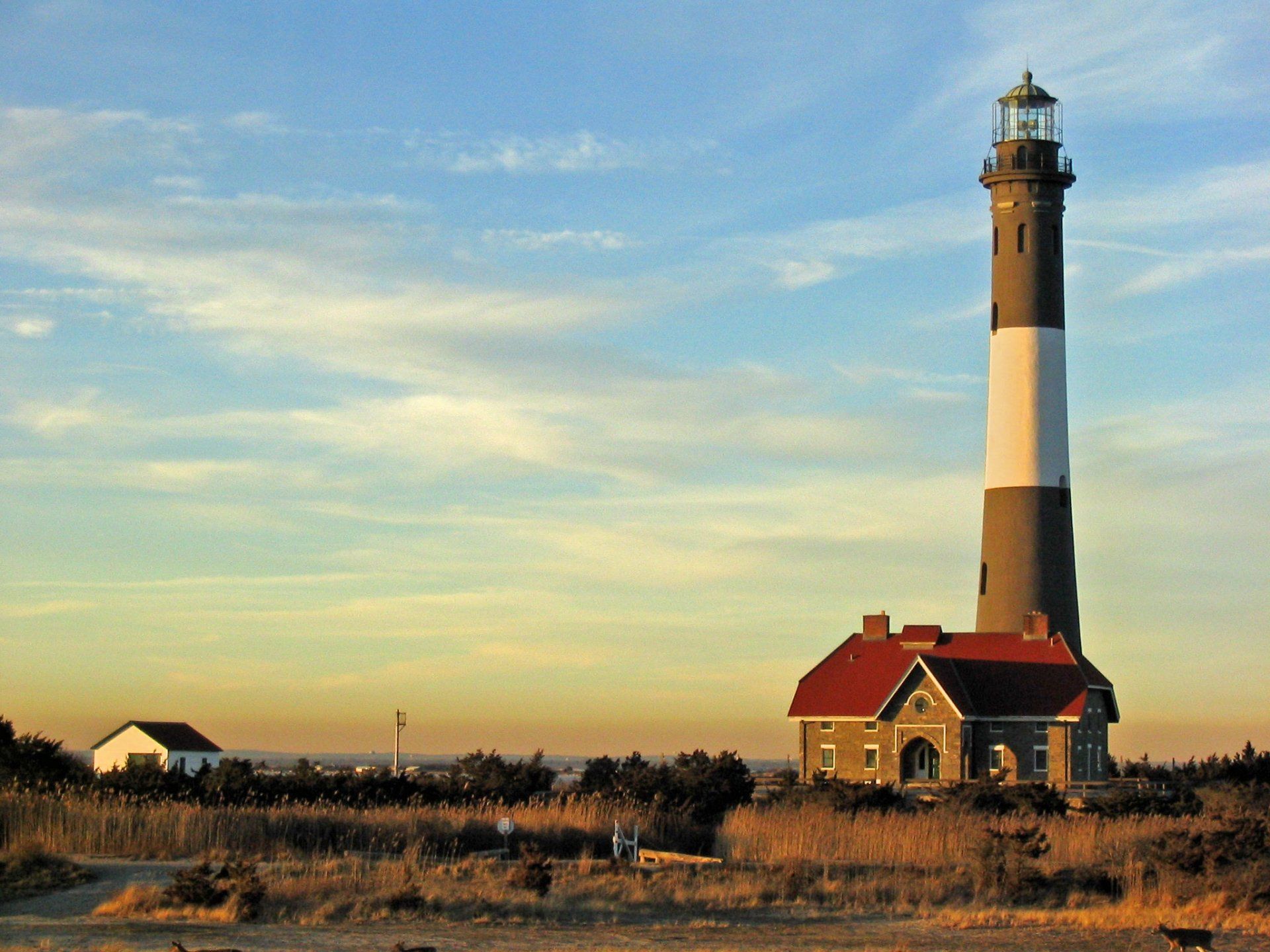
A narrow barrier island running roughly 32 miles along the south shore of Suffolk County, Fire Island sits separated from the Long Island mainland by the Great South Bay — and that separation is precisely what defines it. Unlike any other community in New York State, Fire Island is almost entirely car-free, accessible primarily by ferry, and the majority of its land is protected by Fire Island National Seashore, established by Congress in 1964. The iconic Fire Island Lighthouse, standing since 1858, remains one of the most recognizable landmarks on the entire Atlantic coast. With a permanent population of just 777 residents, the island feels nothing like the suburban sprawl of neighboring Long Island towns — no traffic, no strip malls, just ocean beaches, maritime forest, and a pace of life that is genuinely unlike anywhere else in the New York metropolitan area.

For those exploring homes for sale in Fire Island NY, the appeal goes far beyond a summer retreat. The island's enforced tranquility, ecological protections, and fiercely loyal community of year-round and seasonal residents make it a rare long-term investment in a lifestyle that grows harder to find. As coastal living becomes increasingly sought after, Fire Island's combination of federal preservation and irreplaceable character positions it as one of the region's most compelling places to own property.


Community Profile

Tucked along a narrow barrier island off the southern shore of Long Island, this remarkably intimate community of just 352 residents offers a lifestyle that is genuinely unlike anything else in the New York metro area. With a population density of only 18 people per square mile, Fire Island delivers a sense of seclusion and breathing room that is virtually impossible to find this close to one of the world's great cities. The median age of 49.7 years reflects a community of established, experienced residents — people who have made a deliberate choice to plant roots somewhere extraordinary.

That commitment shows up clearly in the numbers. The homeownership rate here stands at an impressive 80.3%, well above the national average of roughly 65.5%, and those who own have invested in something genuinely valuable: the median home value reaches $812,229, a figure that speaks to both the island's scarcity of housing — just 117 total units — and its enduring desirability. Those exploring homes for sale in Fire Island, NY will find a market shaped by real demand and limited supply. Households are financially resilient, with a median income of $84,688 surpassing the national benchmark, and a striking 43.6% of households earning six figures or more. Dual-income families make up 65% of the community, and the unemployment rate sits at a remarkable 0%. With a diverse, multigenerational population — including a notable 20.2% of residents over 65 alongside families averaging 3.4 members — and a rich Hispanic and Black presence adding cultural depth, Fire Island is a place where community means something.

Things to Do

Outdoor Recreation

Fire Island's greatest draw is its extraordinary natural landscape, and Fire Island National Seashore — established in 1964 to protect the island's beaches, dunes, salt marshes, and maritime forests — is the centerpiece of it all. Miles of pristine Atlantic-facing beaches invite swimming, sunbathing, and surf fishing, while the island's car-free policy keeps the shoreline refreshingly uncrowded. Hikers and nature lovers make a point of exploring the Sunken Forest, a rare and globally imperiled maritime holly forest tucked behind the dunes near Sailors Haven, where a boardwalk trail winds beneath a canopy of stunted American holly, sassafras, and shadblow. Birdwatchers flock here during migration season to spot piping plovers, ospreys, and shorebirds, while harbor seals occasionally haul out along the bayside flats in winter.

Landmarks & History

The Fire Island Lighthouse, constructed in 1858 to replace an earlier 1825 structure, stands as one of the island's most iconic landmarks. Visitors can tour the lighthouse and its museum, climbing to the top for sweeping views of the Great South Bay and the Atlantic. The surrounding Fire Island Lighthouse Preservation Society maintains the site and offers educational programming throughout the warmer months.

Arts, Culture & Community

The communities of Cherry Grove and Fire Island Pines have been celebrated LGBTQ+ cultural destinations since the mid-20th century, offering a lively summer scene of parties, performances, and beachside socializing with a spirit of openness that has defined the island for generations. Cherry Grove in particular has a rich theatrical tradition, with community productions and drag performances that draw visitors from across the region.

Dining & Local Character

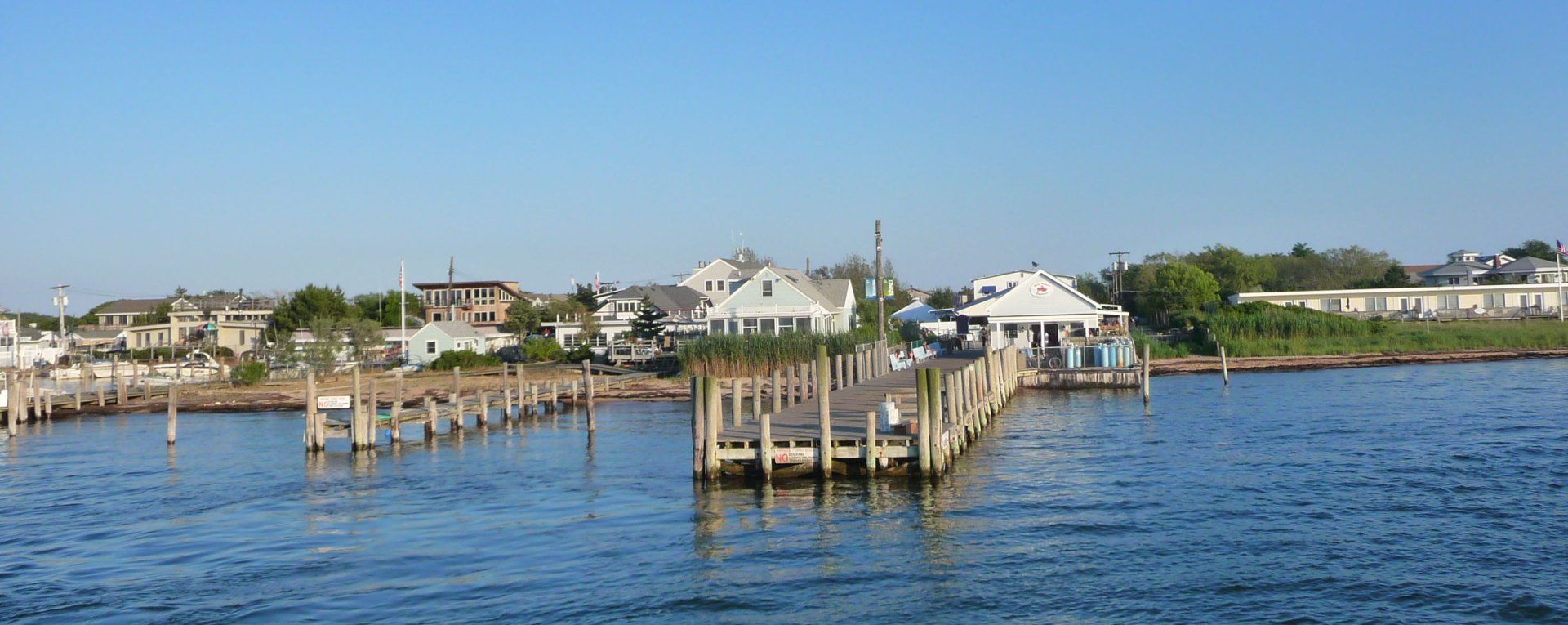
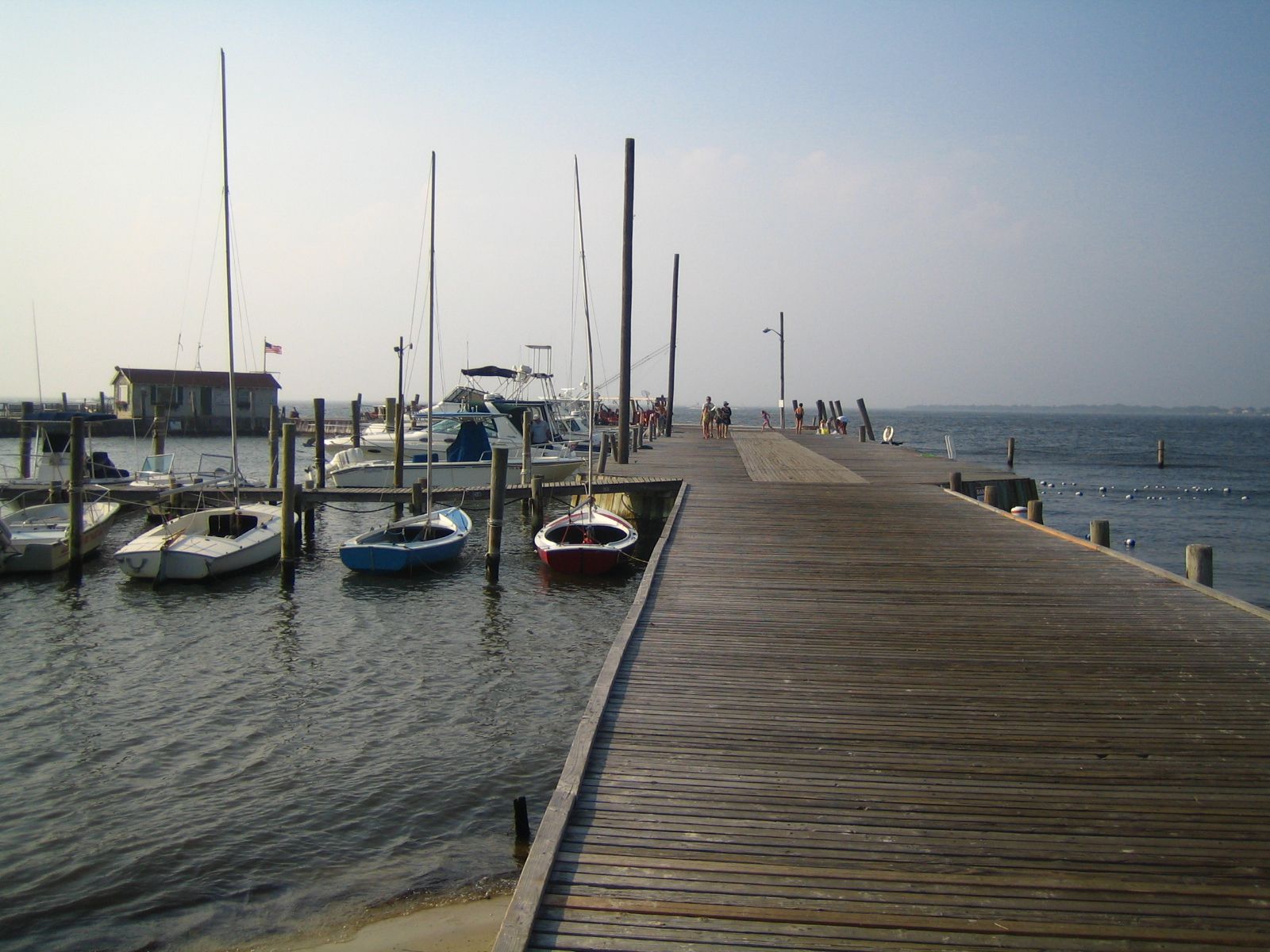
Each of Fire Island's 17 communities has its own distinct personality and a small collection of restaurants, bars, and shops — all reachable only on foot, by bicycle, or by the iconic little red wagons residents use to haul groceries from the ferry dock. Whether you're grabbing a casual waterfront meal in Ocean Beach or enjoying cocktails in the Pines, the dining scene leans into the island's relaxed, summery ethos. For those exploring fire island houses for sale or considering a fire island rental, experiencing the community atmosphere firsthand is the best way to understand why so many people return year after year.

Latest Properties in Fire Island

Loading...

Loading latest properties...

See All Properties in Fire Island

History

From Barrier Island to Beloved Escape: A Brief History

Fire Island's recorded history begins with the Secatogue people, who knew this slender barrier island as Sictem Hackey — "Land of the Secatogues" — long before European contact. The island's English name first appeared on a deed in 1789, though its origins remain debated: historian Richard Bayles traced it to a corruption of the Dutch word vijf ("five"), while Robert Caro, in The Power Broker, linked it to four now-vanished inlets near Fire Island Inlet.

Early European presence was sparse and often rough. In 1795, the first large house was constructed in Cherry Grove by Jeremiah Smith. The first Fire Island Lighthouse rose in 1825 and was replaced by the current 168-foot tower in 1858. By 1855, entrepreneur David S. S. Sammis had purchased 120 acres near the lighthouse and opened the Surf Hotel at what is now Kismet — a property that would eventually become Long Island's first state park in 1908.

The mid-20th century brought a defining transformation. Cherry Grove and Fire Island Pines emerged as welcoming refuges for gay and lesbian visitors at a time when such freedom was rare, cementing a cultural identity that remains central to the island's character today. When state planners proposed running a highway through the island, grassroots opposition helped spur Congress to establish Fire Island National Seashore on September 11, 1964, permanently protecting the majority of the island's land from commercial overdevelopment.

That preservation decision shapes the real estate market to this day. With no private automobiles permitted in most communities, no large-scale construction allowed, and a permanent population of just 777, the supply of homes for sale in Fire Island NY remains tightly constrained — keeping demand high and property values resilient across the island's 17 distinct communities.

Weather

Fire Island sits squarely within a humid subtropical climate zone (Köppen Cfa), though its position as a narrow barrier island in the Atlantic gives it a noticeably moderated character compared to the Long Island mainland just across the Great South Bay. The surrounding ocean acts as a thermal buffer, keeping summers from becoming oppressively hot and winters from turning brutally cold.

Summer highs typically hover between 80°F and 83°F, with overnight lows in the mid-60s and persistent humidity that makes the sea breeze feel like a genuine amenity. Winter highs average near 40°F, with lows occasionally dipping into the upper 20s — cold enough to feel, but rarely as harsh as inland New York. Annual precipitation runs close to 39 inches, distributed fairly evenly across the year, though nor'easters in late fall and winter can deliver powerful wind-driven rain, sleet, and storm surge. Snowfall is possible but rarely heavy at the shoreline. Tropical systems, including the devastating impact of Hurricane Sandy in 2012, serve as a periodic reminder of the island's exposure to Atlantic weather.

For those exploring homes for sale in Fire Island NY, the climate shapes nearly every aspect of ownership. The long, warm season from late spring through early fall makes outdoor living — on decks, dunes, and bay-facing porches — the centerpiece of island life. Conversely, the salt air and storm exposure demand diligent seasonal maintenance: weatherproofing, corrosion-resistant materials, and careful attention to drainage and foundation integrity are practical necessities rather than optional upgrades.

Fire Island Market Analytics

The Fire Island real estate market is showing signs of growth, with the average home value increasing by 11.3% over the past year to $1,315,602, indicating a strong demand for properties in the area. As a knowledgeable expert at Opulist, I can tell you that this suggests the market is still favorable for sellers, but buyers may also find opportunities as the market continues to evolve. With limited inventory available, including 17 homes for sale, buyers should be prepared to act quickly when finding their ideal property.


1-Year Home Value Change: +11.3%

Fire Island Home Value Index over time.

Can I Afford Fire Island?
$
%
$0
Est. Monthly Payment
$0/yr
Salary Required

*Principal & interest only. Salary based on 28% debt-to-income ratio.

Get Pre-Approved for Fire Island