
Flower Hill, New York

Location:
Flower Hill, NY

Welcome to Flower Hill

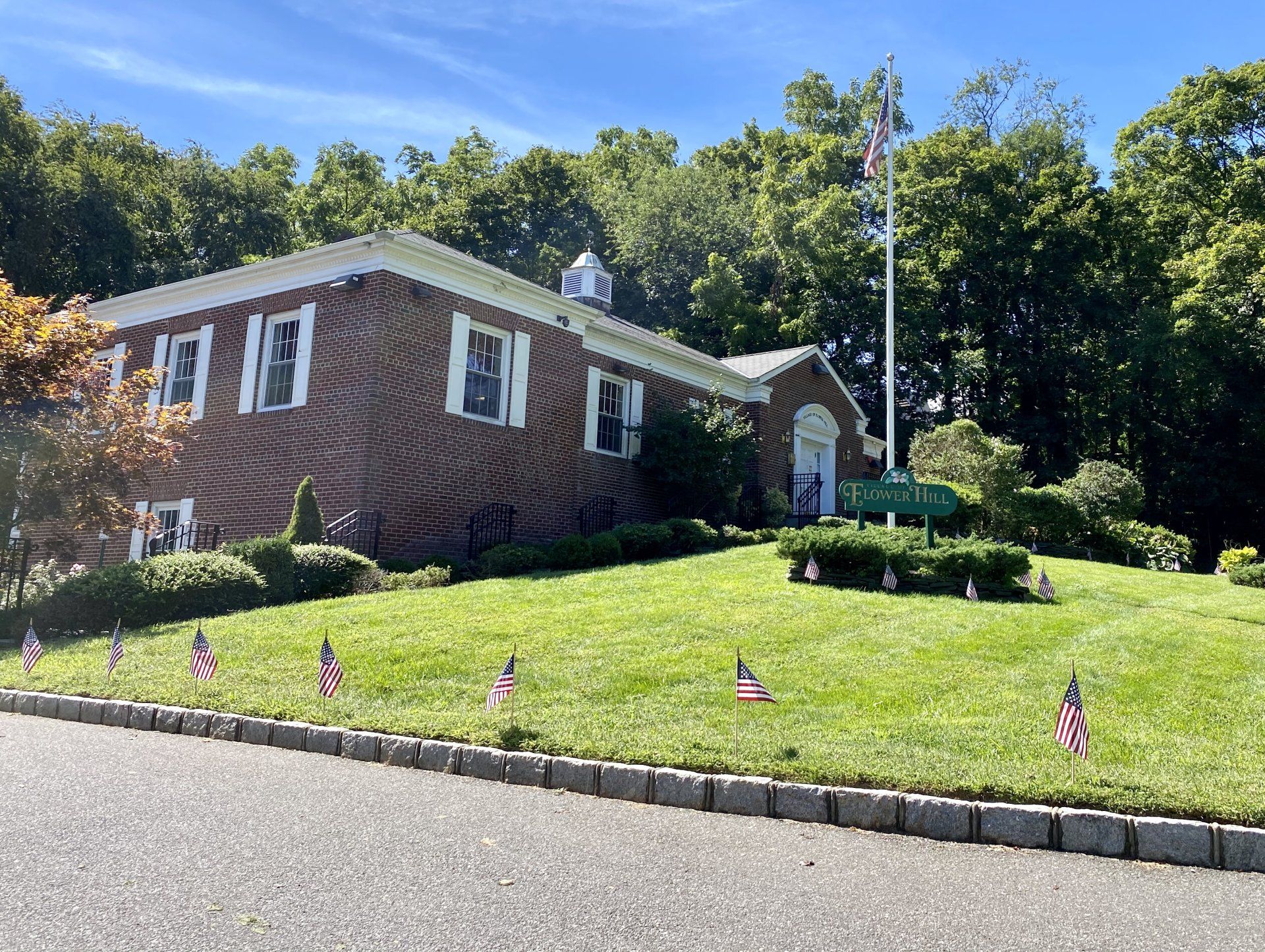
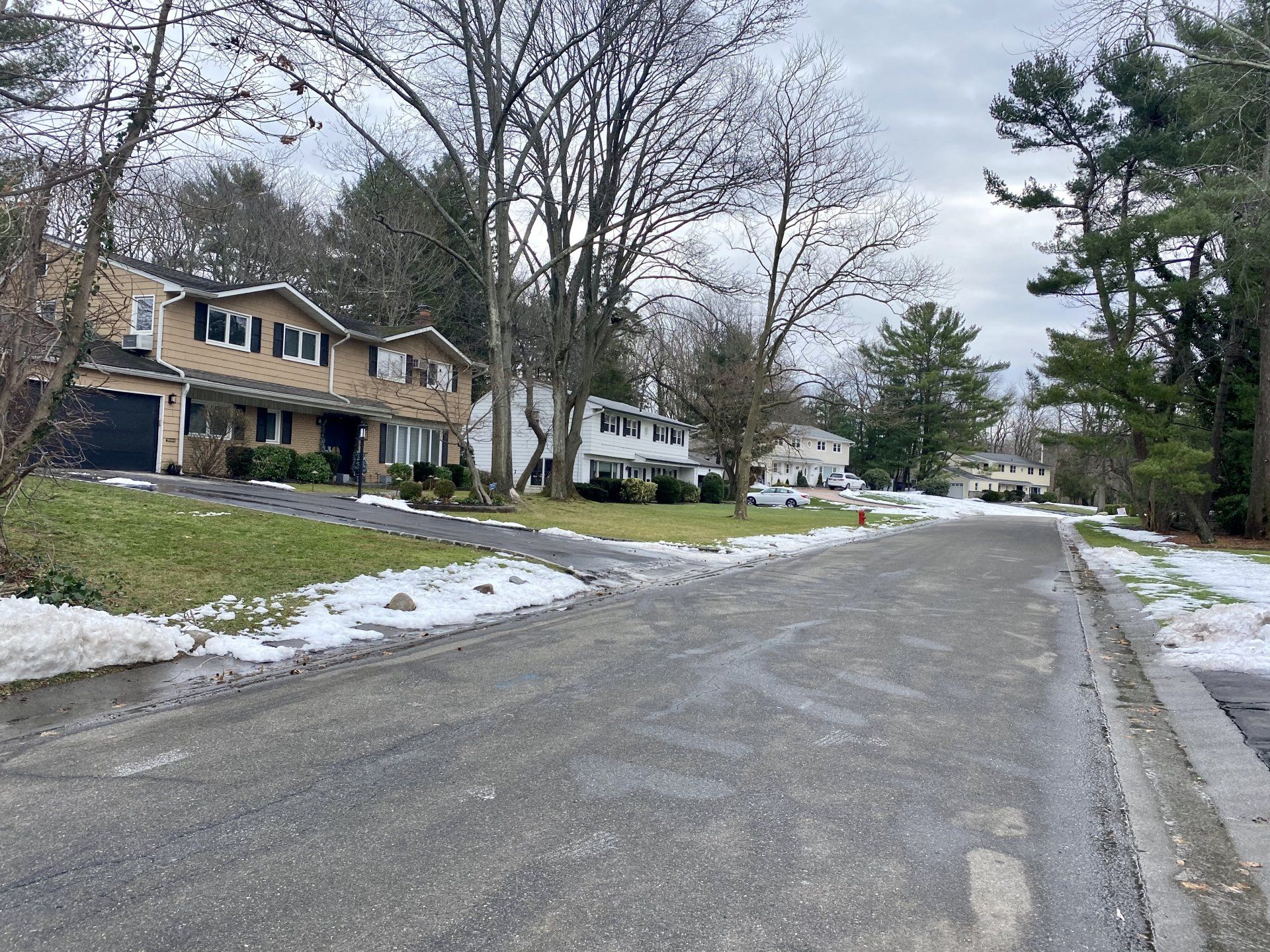
Incorporated on April 27, 1931 — through a unanimous vote driven largely by residents' determination to preserve their own zoning autonomy — Flower Hill, New York is a small, deliberately residential village on the North Shore of Long Island in Nassau County. Spanning just 1.6 square miles within the Town of North Hempstead, the village sits on glacially sculpted terrain that rises to 219 feet at its highest point, giving it a topographic character that sets it apart from the flatter communities surrounding it. Where neighboring Port Washington and Manhasset offer commercial corridors and denser development, Flower Hill has remained intentionally low-density, defined by large estates, winding roads, and a median home price of $1,850,000 that reflects the caliber of property here.

The Sands-Willets House, a colonial-era homestead dating to around 1735, anchors the village's deep historical identity, while students benefit from access to top-performing districts including the Port Washington Union Free School District. The Port Washington Branch of the Long Island Rail Road provides a direct commute connection to Manhattan. For buyers exploring flower hill ny homes for sale, this is a village where history, exclusivity, and commuter convenience converge — and where that combination shows no sign of diminishing.


Community Profile

Tucked into the North Shore of Nassau County on Long Island, this small and exceptionally affluent village is home to just 4,803 residents — yet the depth of prosperity and educational achievement here is remarkable by any measure. The median household income reaches $250,001, more than three times the national median, and an extraordinary 86.1% of households earn six figures or more. That financial strength is reflected directly in real estate: the median home value stands at $1,964,423, a figure that speaks to the prestige and enduring demand that define this corner of Long Island. Those browsing flower hill ny homes for sale will quickly recognize they are entering one of the most coveted residential markets in the entire New York metro area.

The community skews toward established, accomplished families. At a median age of 44.1 years — slightly older than the national median of 38.5 — residents here tend to be mid-career professionals and seasoned homeowners, with 66.3% of the population married and an average family size of 3.32. A robust 94% homeownership rate, well above the national norm of 65.5%, underscores the deep roots people put down here. Education is a defining characteristic: 84.2% of residents hold at least a bachelor's degree — more than double the national rate — and nearly half, 49.3%, have earned a graduate or professional degree. With a poverty rate of just 2.9% and a near-universal health insurance coverage rate, Flower Hill offers the kind of stability and community quality that makes houses for sale in Flower Hill, NY such a compelling long-term investment.

Things to Do

Outdoor Recreation & Parks

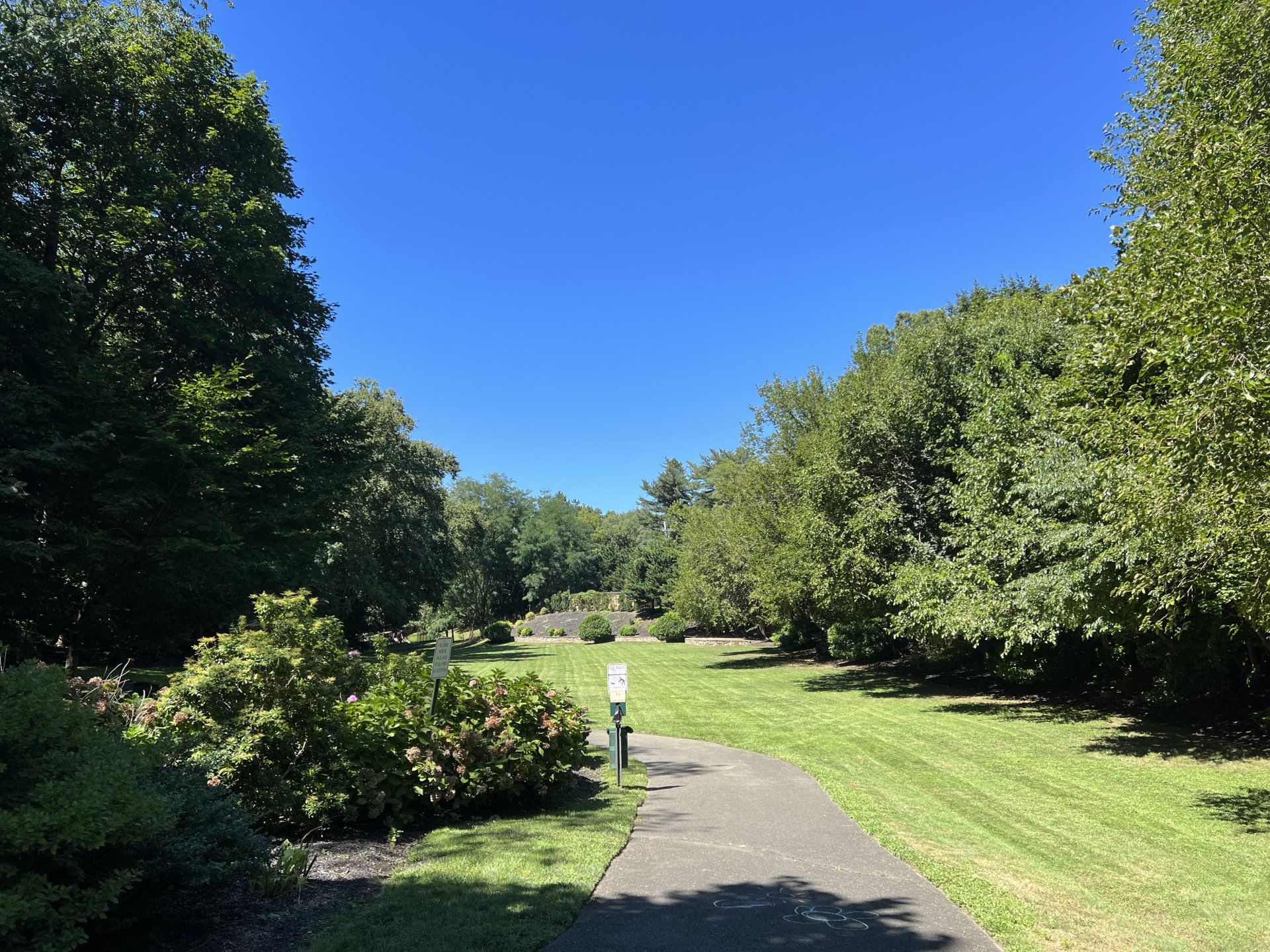
Despite its compact 1.6 square miles, Flower Hill offers residents meaningful green space and outdoor enjoyment. Flower Hill Village Park serves as the community's central gathering place, providing a tranquil setting for walking, relaxation, and informal recreation amid the village's characteristically rolling, glacially sculpted terrain. The hilly landscape itself — with elevations ranging from sea level at Hempstead Harbor up to 219 feet — creates a naturally scenic backdrop that distinguishes Flower Hill from the flatter stretches of Long Island. Hempstead Harbor and nearby Manhasset Bay are easily accessible, offering opportunities for boating, fishing, and waterfront walks along the North Shore.

History & Culture

History enthusiasts will find Flower Hill genuinely rewarding. The Sands-Willets House, a colonial-era homestead dating to around 1735, stands as one of the North Shore's most evocative landmarks — a tangible connection to the Quaker farming families who shaped this peninsula for generations. Equally compelling is the Flower Hill Historic Trail, established in 2021, which links more than 100 sites tracing the village's story from Matinecock Indigenous settlement through Dutch and English colonial occupation and beyond. It's a remarkable resource for anyone curious about Long Island's layered past, and a genuine point of local pride.

Dining & Shopping

Flower Hill is intentionally and proudly residential — commercial development has been kept minimal by design, preserving the village's quiet, estate-like character. For dining, boutique shopping, and everyday errands, residents head to neighboring Port Washington and Manhasset, both just minutes away. Manhasset's Miracle Mile along Northern Boulevard is one of Long Island's premier luxury retail corridors, while Port Washington's lively Main Street offers waterfront restaurants, cafés, and specialty shops with a relaxed village atmosphere.

Day Trips & Regional Attractions

Flower Hill's location on the North Shore puts residents within easy reach of a remarkable range of experiences. New York City is accessible via the Long Island Rail Road's Port Washington Branch, making Manhattan's world-class museums, theaters, and restaurants a practical option for an evening out. North and South Shore beaches are reachable within 30 to 45 minutes. Those exploring flower hill ny homes for sale will quickly appreciate that the village's lifestyle extends well beyond its borders — the surrounding region is simply one of the most amenity-rich corners of the entire New York metropolitan area.

Latest Properties in Flower Hill

Loading...

Loading latest properties...

See All Properties in Flower Hill

History

A Village Built to Stay Its Own

Long before the first deeds were drawn, the hilly terrain of what is now Flower Hill was home to the Matinecock people, Algonquian speakers whose very name for this landscape — "hilly country" — described the glacially sculpted ridgelines that still define the village today. English settlement followed in the late 17th century, with Richard Cornwell securing the first documented land grant on the Cow Neck Peninsula in 1675 and John Sands I purchasing farming parcels in 1691. The Sands-Willets House, built around 1735, stands as the most tangible remnant of that colonial-era prosperity — a Quaker farmstead that has outlasted centuries of change and remains a community landmark today.

The arrival of the Long Island Rail Road's Port Washington Branch on June 23, 1898, transformed the peninsula's economic logic almost overnight. Farmland that had fed New York City markets via Manhasset Bay now attracted affluent Manhattan commuters seeking large-lot retreats — a shift that set the template for the low-density, estate-character neighborhoods that make flower hill ny homes for sale so sought-after today.

The village's formal identity was forged in 1931, when residents — galvanized by real estate broker Carlos W. Munson — voted unanimously on April 27 to incorporate rather than be absorbed into a proposed Port Washington city. That act of self-determination was fundamentally about preserving zoning autonomy and a semi-rural character. Nearly a century later, it still shows: Flower Hill remains one of Nassau County's most carefully governed, least commercially developed communities, where flower hill houses for sale routinely reflect a median price near $1.85 million — a direct inheritance of the protective instincts that brought the village into existence.

Weather

Four Seasons on the North Shore

Flower Hill experiences a humid subtropical climate — the classification that defines much of Long Island's North Shore — characterized by warm, humid summers, cool winters, and precipitation distributed fairly evenly throughout the year. Its position on the Cow Neck Peninsula, flanked by Manhasset Bay and Hempstead Harbor, means the surrounding saltwater exerts a genuine moderating influence, softening temperature extremes in both directions compared to inland areas of New York State.

Summer highs typically reach the mid-to-upper 80s °F, with overnight lows settling in the mid-60s. Humidity can make July and August feel noticeably warmer, though sea breezes off Long Island Sound provide periodic relief. Winters are cool rather than harsh — daytime highs generally hover in the mid-30s to low 40s °F, with overnight lows in the mid-20s. Significant snowfall is possible but rarely extreme, and the marine influence tends to keep temperatures from plunging as deeply as they do farther inland.

Annual rainfall averages around 45 to 50 inches, with no pronounced dry season. Nor'easters are the most notable weather hazard, occasionally bringing heavy snow, coastal flooding, and strong winds in late autumn and winter. For those exploring flower hill ny homes for sale, these patterns carry real practical weight: the large estates and mature tree canopies that define the village require consistent seasonal maintenance, from storm-proofing in autumn to landscape care in spring. Heating and cooling costs are moderate by Northeast standards, though the generous square footage of most homes here means energy budgets deserve careful attention.

Flower Hill Market Analytics

The Flower Hill market is experiencing a period of growth, with the average home value increasing by 4.4% over the past year to $816,414, indicating a strong demand for housing in the area. The market is also showing signs of balance, with nearly equal percentages of sales occurring above and below list price, suggesting that buyers and sellers are finding common ground. As a trusted partner at Opulist, we can help you navigate this market and make informed decisions about your home buying or selling needs.


1-Year Home Value Change: +4.4%

Flower Hill Home Value Index over time.

Can I Afford Flower Hill?
$
%
$0
Est. Monthly Payment
$0/yr
Salary Required

*Principal & interest only. Salary based on 28% debt-to-income ratio.

Get Pre-Approved for Flower Hill