
Flushing, New York

Location:
Flushing, NY

Welcome to Flushing

One of the oldest continuously settled communities in New York City, Flushing traces its origins to 1645, when it was established as a Dutch colonial town in what is now the northeastern corner of Queens. That deep history coexists today with one of the most dynamic and densely international urban neighborhoods in the entire country — a combination that sets Flushing apart from neighboring Jamaica, Bayside, and Corona in ways that go far beyond geography.

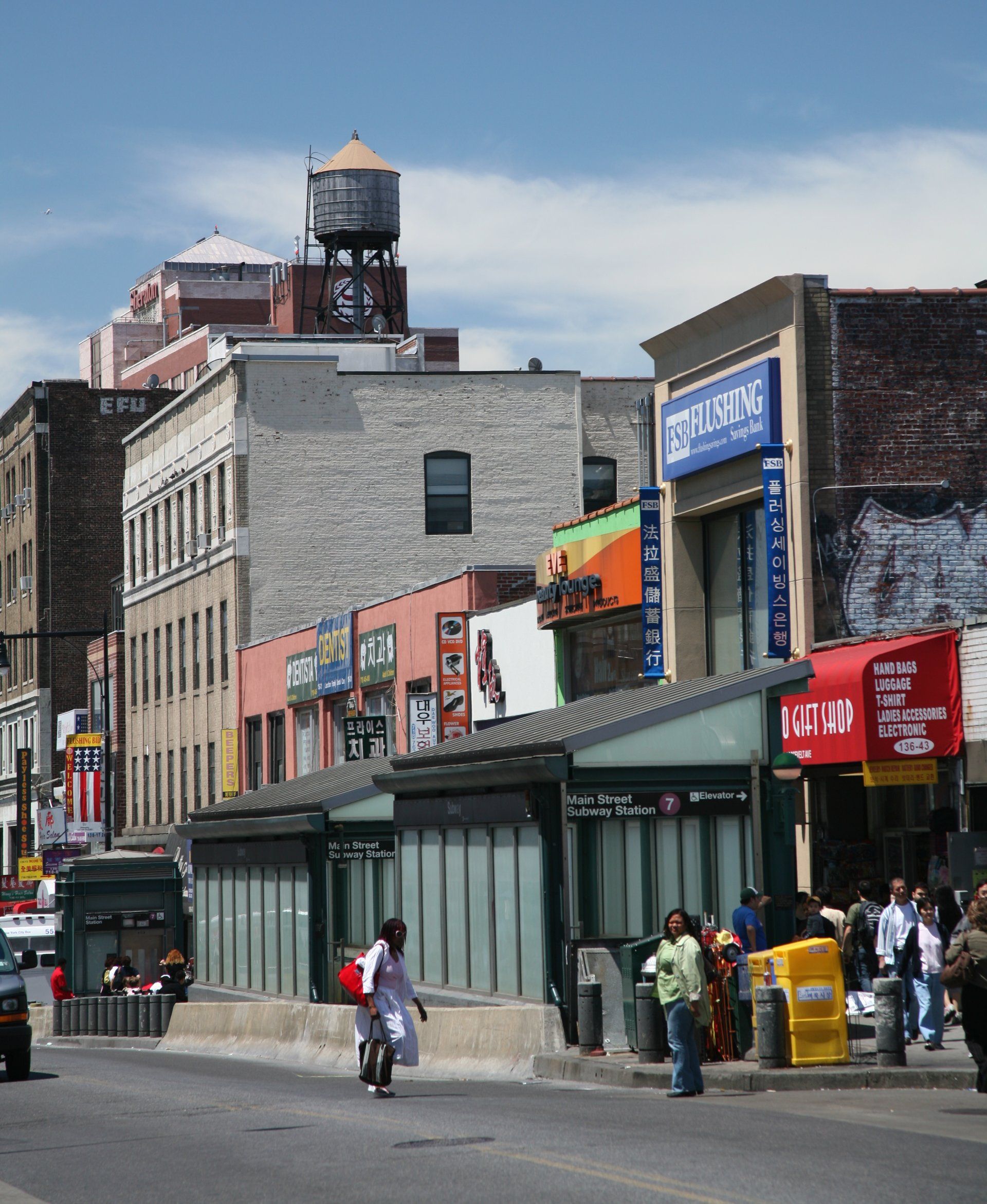
At the center of it all is Main Street, a commercial corridor that rivals Manhattan in foot traffic, anchored by the sprawling Flushing Chinatown and lined with restaurants, markets, and businesses representing dozens of cultures. Flushing Meadows–Corona Park, one of New York City's largest green spaces, sits just to the south, offering everything from the USTA Billie Jean King National Tennis Center — home of the US Open — to Citi Field and the Queens Museum. Families are drawn to the area's access to strong public schools within New York City's District 25, while commuters rely on the 7 train and the Long Island Rail Road's Port Washington Branch, both terminating at Flushing–Main Street station for direct access to Midtown Manhattan.

For those exploring flushing homes for sale, the neighborhood offers a rare mix of pre-war single-family homes, modern condominiums, and multi-family properties — a range that attracts first-time buyers and seasoned investors alike. Flushing's trajectory is unmistakably upward, and getting in now means becoming part of a community that has been reinventing itself for nearly four centuries.


Things to Do

Dining & Food Culture

Flushing has earned a well-deserved reputation as one of the most exciting food destinations in all of New York City. The neighborhood's culinary scene stretches far beyond Cantonese cuisine — though that remains a cornerstone — to encompass Sichuan, Korean, Taiwanese, Fujianese, and Japanese cooking, all within a few blocks of each other. Flushing's Main Street and Roosevelt Avenue corridor are lined with restaurants, bakeries, and street food vendors serving everything from hand-pulled noodles to scallion pancakes to Korean barbecue. The New World Mall Food Court on Main Street is a legendary destination in its own right, drawing visitors from across the five boroughs for its sprawling selection of regional Chinese dishes at remarkably affordable prices.

Outdoor Recreation

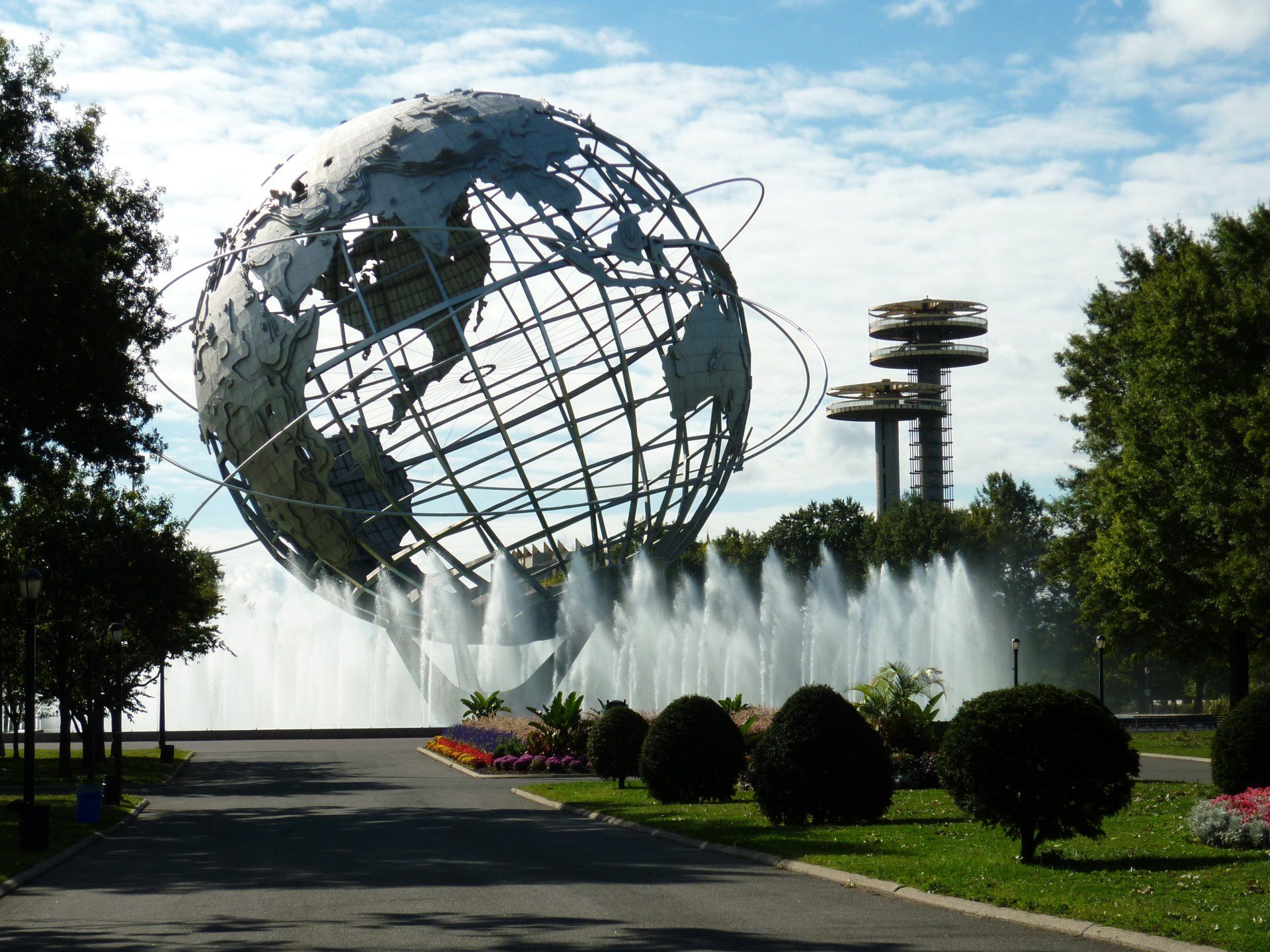
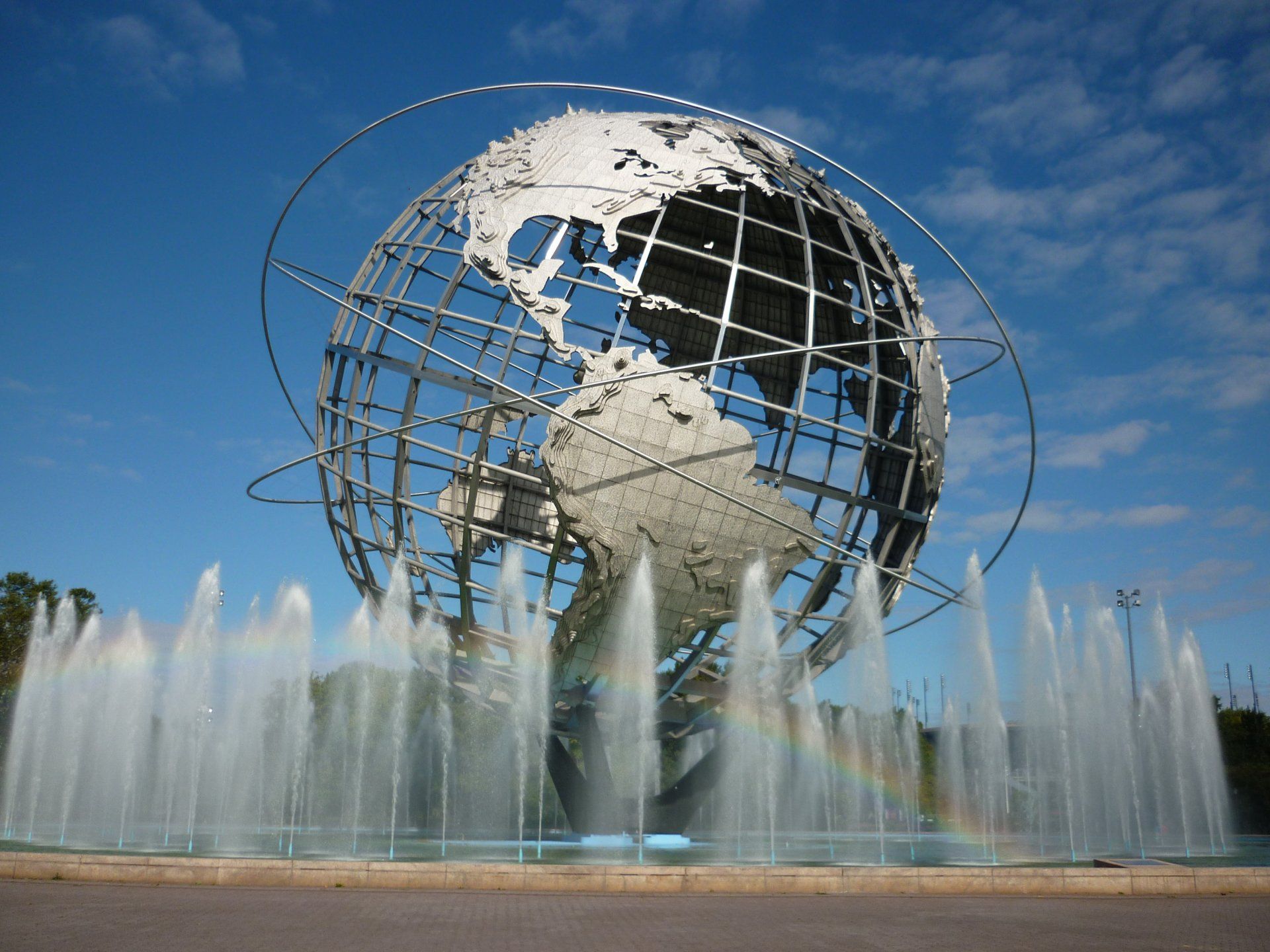
Flushing Meadows–Corona Park is the neighborhood's crown jewel for outdoor activity, and at over 1,200 acres it is one of the largest urban parks in the United States. Visitors can enjoy walking and cycling paths, boating on Meadow Lake, and open lawns perfect for picnicking. The park's iconic Unisphere — the world's largest globe, built for the 1964 World's Fair — remains a beloved landmark and popular gathering spot. Kissena Park, closer to the heart of Flushing, offers a peaceful lake, cycling velodrome, and wooded trails that provide a quieter escape from the neighborhood's energetic streets.

Arts, Culture & Sports

Flushing Meadows–Corona Park is also home to some of New York's most significant cultural and sports venues. The Queens Museum houses a remarkable permanent collection and the famous Panorama of the City of New York, a scale model of all five boroughs. Citi Field, home of the New York Mets, sits just at the park's edge and draws baseball fans throughout the spring and summer seasons. Every August and early September, the park transforms into the epicenter of professional tennis when the USTA Billie Jean King National Tennis Center hosts the US Open, one of the four Grand Slam tournaments.

Family Activities & Shopping

Families exploring flushing homes for sale will appreciate the neighborhood's walkable, vibrant streetscape. The Queens Botanical Garden, located just off Main Street, offers beautifully maintained themed gardens and seasonal programming for children and adults alike. Shopping along Main Street and in the surrounding blocks offers an immersive experience, with markets selling fresh produce, herbal remedies, imported goods, and specialty ingredients that reflect the neighborhood's extraordinary cultural diversity.

Latest Properties in Flushing

Loading...

Loading latest properties...

See All Properties in Flushing

History

From Dutch Colony to Global Neighborhood

Flushing's history stretches back to 1645, when English settlers established a town within the Dutch colony of New Netherlerland, naming it after the Dutch port city of Vlissingen. From its earliest years, Flushing distinguished itself as a place of principle: in 1657, a group of residents drafted the Flushing Remonstrance, a bold petition demanding religious freedom from the colonial governor Peter Stuyvesant. Widely regarded as a forerunner to the First Amendment, this document speaks to a spirit of openness that still defines the neighborhood today.

After the British took control of New York and Flushing was absorbed into Queens County in 1683, the area developed as a prosperous agricultural and horticultural center. Nurseries and market gardens shaped the landscape through the 18th and 19th centuries, giving Flushing a greener, more spacious character than much of urban New York. The arrival of the Long Island Rail Road in 1854 transformed the town into a commuter destination, spurring residential development that laid the physical foundation for the blocks of Victorian and early 20th-century homes still visible throughout the area.

The postwar decades brought dense apartment construction along with an influx of new residents, and by the 1970s and 1980s Flushing began its remarkable transformation into one of the most vibrant immigrant communities in the United States. Waves of Korean and Chinese immigrants reshaped the commercial and cultural landscape, turning downtown Flushing into a world-class destination for food, commerce, and community life. That diversity is now the defining feature of the local real estate market — buyers searching for flushing ny houses for sale are drawn not just to the housing stock, but to the extraordinary density of culture, cuisine, and community that centuries of layered history have produced.

Weather

Four Seasons in Queens: What to Expect from Flushing's Climate

Flushing, New York experiences a humid subtropical climate (Köppen Cfa), sitting right at the boundary with humid continental — a classification shaped by its position in the New York City metro area and its proximity to the waters of Flushing Bay and Long Island Sound. The urban heat island effect of the surrounding city moderates temperatures compared to more inland locations, giving Flushing slightly milder winters and warmer, more humid summers than much of the broader Northeast.

Summer highs typically climb into the mid-to-upper 80s°F, with overnight lows settling in the upper 60s to low 70s. Humidity can make July and August feel noticeably warmer than the thermometer suggests. Winters are cold but rarely brutal by northeastern standards — daytime highs hover in the mid-30s to low 40s°F, with overnight lows dipping into the 20s. Snowfall occurs each winter, though accumulations are often tempered by the moderating influence of surrounding water bodies.

Annual precipitation is spread fairly evenly throughout the year, averaging around 46 to 50 inches, with occasional nor'easters delivering significant rain or snow between November and March. Summers can bring intense thunderstorms and periodic heat waves.

For anyone exploring flushing homes for sale, these climate patterns carry real practical weight. Central air conditioning is essentially a necessity given summer humidity, and heating costs during winter months factor meaningfully into annual budgets. Homeowners should also plan for seasonal maintenance — gutter clearing after fall foliage, weatherproofing before winter, and exterior upkeep after wet spring seasons.

Flushing Market Analytics

The Flushing real estate market is showing signs of balance and stability, with a 2.3% increase in average home value over the past year, reaching $781,096, according to data analyzed by Opulist. This suggests that the market is experiencing a moderate growth, which is a positive sign for both buyers and sellers. Additionally, the fact that 83.6% of sales are happening below the list price indicates that buyers have some negotiating power, while the 8.9% of sales above list price suggests that there is still competition in the market.


1-Year Home Value Change: +2.3%

Flushing Home Value Index over time.

Can I Afford Flushing?
$
%
$0
Est. Monthly Payment
$0/yr
Salary Required

*Principal & interest only. Salary based on 28% debt-to-income ratio.

Get Pre-Approved for Flushing