
Forest Hills, New York

Location:
Forest Hills, NY

Welcome to Forest Hills

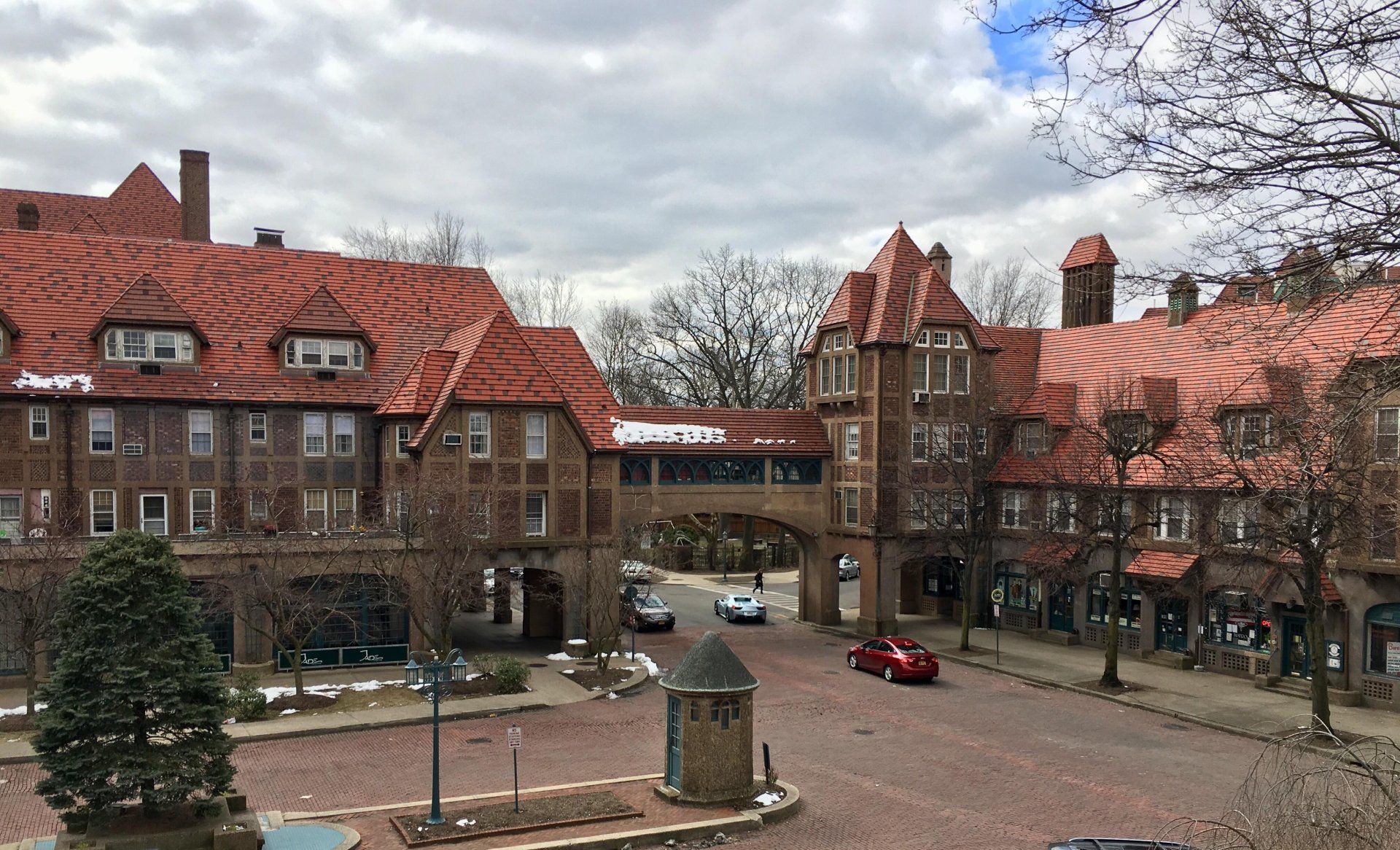
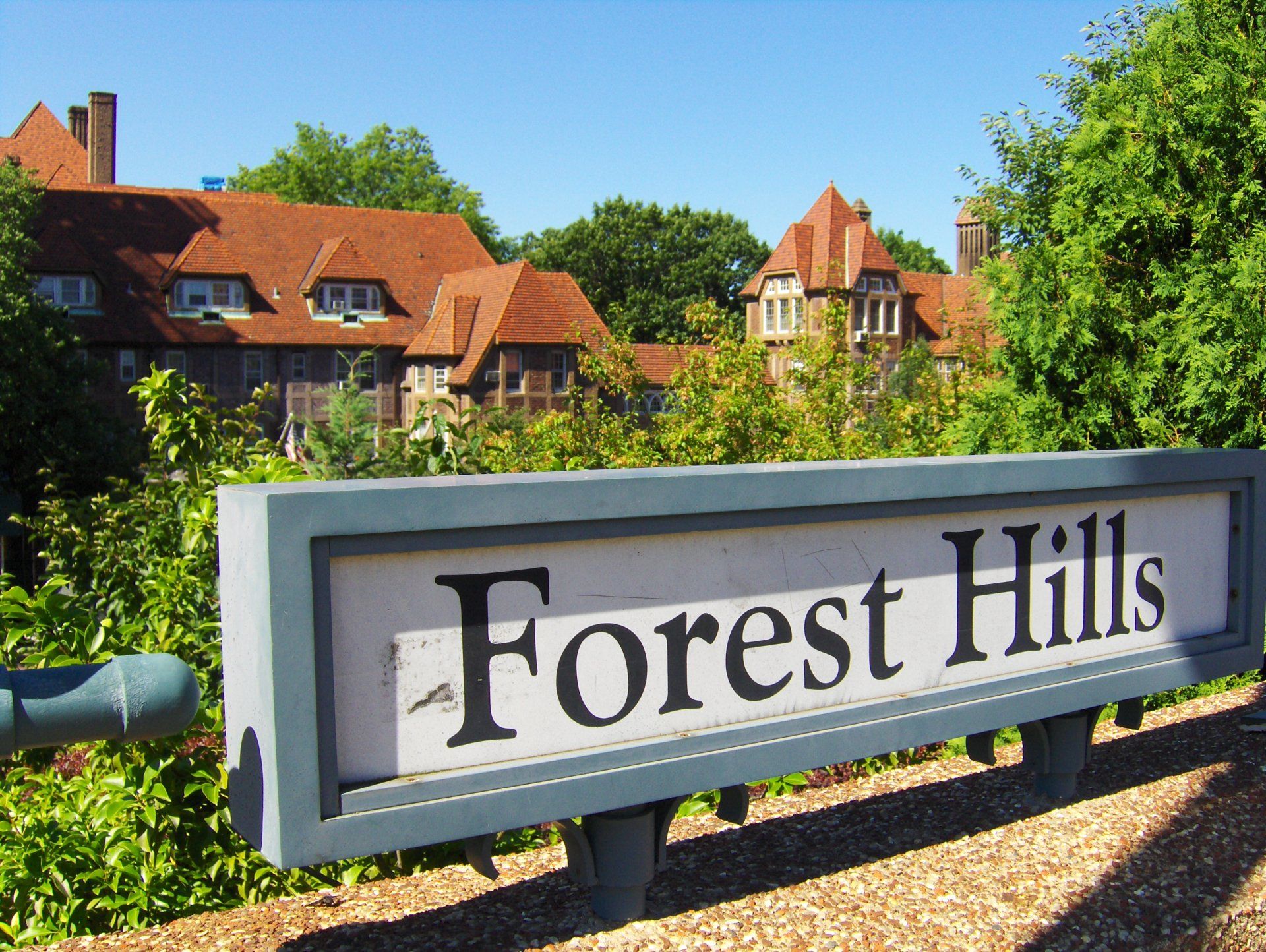
Situated in the central portion of Queens, Forest Hills traces its modern identity to 1906, when the Cord Meyer Development Company purchased 600 acres of farmland and gave the neighborhood its name — drawn from the adjacent Forest Park that still borders it to the south. That deliberate act of placemaking set Forest Hills apart from its neighbors in ways that remain visible today: the landmark Forest Hills Gardens enclave, with its Tudor Revival architecture, brick courtyards, and clock tower at the Long Island Rail Road station, looks and feels unlike anything else in Queens or, for that matter, New York City.

What continues to distinguish Forest Hills from nearby Rego Park, Kew Gardens, and Corona is its rare combination of architectural cohesion, green space, and transit access. The 71st Avenue–Forest Hills subway station on the Queens Boulevard Line puts Midtown Manhattan within a 20-minute ride, while the LIRR station at Station Square offers an additional direct connection to Penn Station. The neighborhood's long association with the West Side Tennis Club and Forest Hills Stadium — host of the U.S. Open from 1915 through 1977 — gives it a cultural legacy few residential neighborhoods anywhere can claim.

For buyers exploring homes for sale in Forest Hills NY, the appeal is straightforward: a neighborhood with genuine architectural character, exceptional transit, and a track record of long-term desirability that only deepens with time.


Things to Do

Outdoor Recreation

Forest Hills sits alongside some of Queens' most impressive green spaces, making it a natural haven for outdoor enthusiasts. Forest Park, which directly borders the neighborhood to the south, offers over 500 acres of oak forest, walking and cycling trails, a carousel, and even a disc golf course — a surprisingly robust escape from city life just steps from residential streets. To the east, the vast Flushing Meadows–Corona Park is within easy reach, offering boating, sports fields, and the iconic Unisphere. Locals jog along tree-lined neighborhood streets and through the winding lanes of Forest Hills Gardens, the landmarked planned community whose Tudor Revival architecture and quiet, shaded paths make even a casual stroll feel like a step back in time.

Sports & Cultural Venues

Few neighborhoods in all of New York City carry the sporting legacy of Forest Hills. Forest Hills Stadium, the storied outdoor amphitheater built in 1923 on the grounds of the West Side Tennis Club, hosted the U.S. Open tennis championships from 1915 through 1977. Today the stadium lives on as a beloved concert venue, drawing major musical acts to its intimate, acoustically rich bowl each summer — a genuinely unique experience in the city. Tennis remains woven into the neighborhood's identity, and the West Side Tennis Club still maintains its historic grass courts for members.

Dining & Shopping

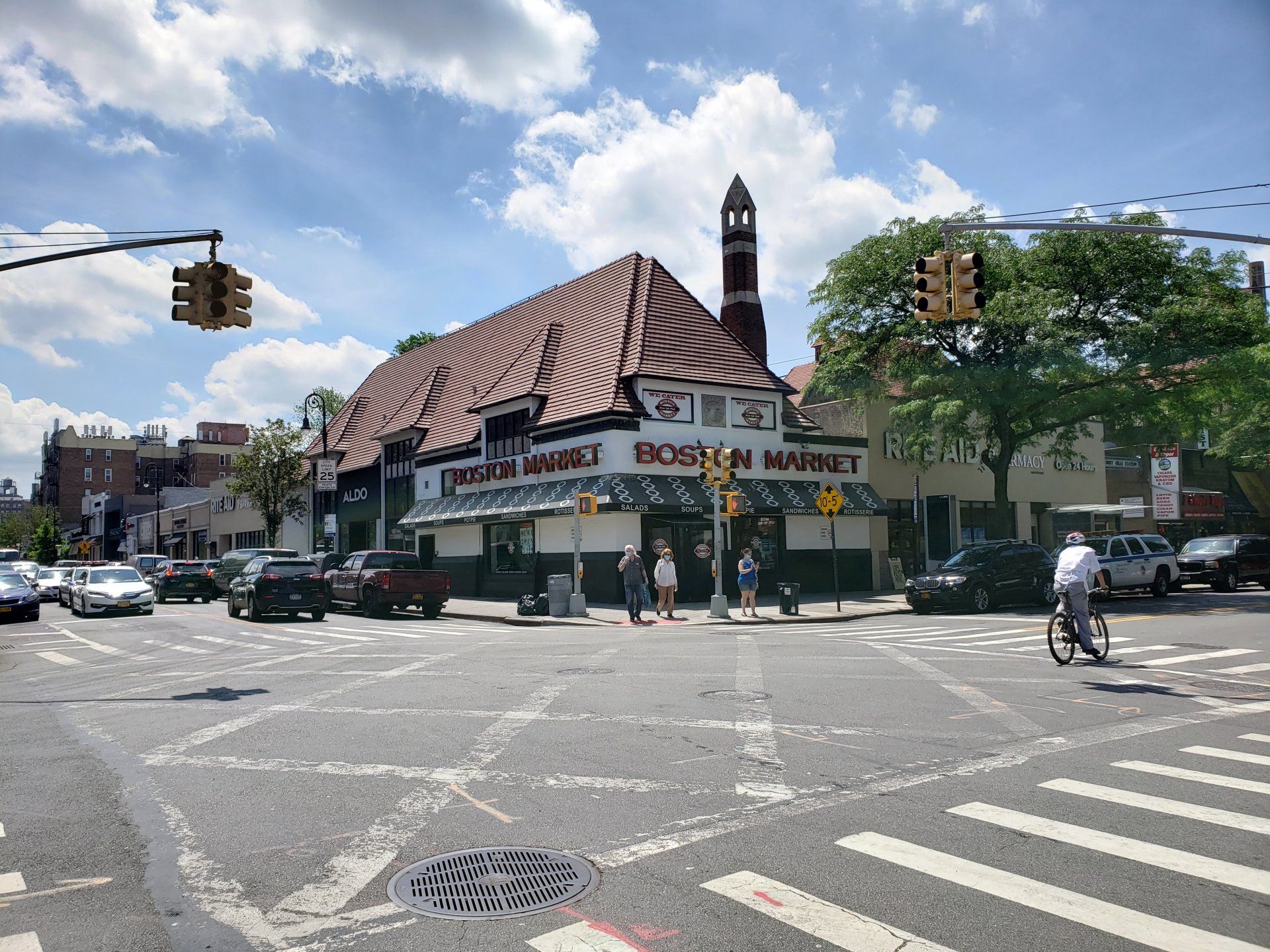
Austin Street is the beating heart of Forest Hills' commercial life, lined with an eclectic mix of restaurants, cafés, bakeries, and boutiques that give the strip a distinctly village-like energy. The dining scene reflects the neighborhood's remarkable diversity, with options spanning Eastern European, Middle Eastern, Asian, and classic American cuisines. Whether you're grabbing a coffee before a morning walk in Forest Park or settling in for a leisurely dinner, Austin Street delivers. The nearby Station Square area, anchored by the handsome LIRR station, adds to the neighborhood's walkable, self-contained charm.

Family Activities & Community Life

Forest Hills is exceptionally family-friendly, with playgrounds, youth sports leagues, and community events woven throughout the calendar year. The neighborhood's excellent transit connections — including the Long Island Rail Road and multiple subway lines — make day trips to Manhattan, Citi Field, or the Queens Museum effortless. For those exploring forest hills queens homes for sale, the combination of architectural beauty, green space, cultural richness, and everyday convenience makes this one of Queens' most rewarding places to put down roots.

Latest Properties in Forest Hills

Loading...

Loading latest properties...

See All Properties in Forest Hills

History

From Whitepot to World-Class: A Brief History of Forest Hills, Queens

Before it became one of Queens' most sought-after addresses, Forest Hills was farmland known simply as "Whitepot." The transformation began in 1906, when Brooklyn attorney Cord Meyer and his development company purchased roughly 600 acres of six adjoining farms and renamed the land "Forest Hills" after the adjacent Forest Park. Architects including Robert Tappan and William Patterson designed the first single-family homes, and the neighborhood's street grid was largely in place by 1910.

The same year Cord Meyer arrived, the Long Island Rail Road opened a Forest Hills station, its brick courtyard and clock tower setting an architectural tone that still defines the area. In 1908, philanthropist Margaret Sage of the Russell Sage Foundation purchased 142 acres from Meyer to create Forest Hills Gardens — a planned community of Tudor Revival homes built between 1910 and 1917 using an innovative prefabricated concrete panel system. Architect Grosvenor Atterbury designed the enclave, and its stucco walls and red Ludowici clay tile roofs remain among the most photographed streetscapes in all of New York City.

The West Side Tennis Club relocated from Manhattan to Forest Hills Gardens in 1914, and the Forest Hills Tennis Stadium — seating approximately 13,000 — opened in 1923. The U.S. Open was held here from 1915 through 1977, cementing the neighborhood's national reputation. Meanwhile, the widening of Queens Boulevard in the 1920s and the opening of two subway stations on the Queens Boulevard line in 1936 triggered a population surge — from roughly 9,500 residents in 1927 to 32,500 by 1940.

That layered history — planned garden community, transit infrastructure, and cultural prestige — is precisely what drives demand today. Buyers browsing forest hills queens homes for sale are often drawn not just to the housing stock itself, but to a neighborhood whose bones were deliberately designed to endure.

Weather

Four Distinct Seasons Define Life in Forest Hills

Forest Hills, Queens sits squarely within a humid subtropical climate zone — technically on its northern fringe — which means residents experience four genuinely distinct seasons without the extremes of more inland locations. The Atlantic Ocean and surrounding New York Harbor moderate temperatures year-round, softening the harshest edges of both summer heat and winter cold.

Summers are warm and humid, with daytime highs typically ranging from the mid-80s°F and overnight lows settling in the upper 60s. July and August bring the most oppressive humidity, making central air conditioning less a luxury than a practical necessity. Winters are cold but rarely brutal by northeastern standards, with highs generally in the mid-30s to low 40s°F and lows dipping into the 20s during the coldest stretches of January and February. Snowfall is real but inconsistent — some winters bring several significant storms, others pass with little accumulation.

Precipitation is spread fairly evenly across all four seasons, averaging roughly 46 to 50 inches annually, with no pronounced dry season. Spring and fall are genuinely pleasant, making them the most coveted times to explore forest hills queens homes for sale — the tree-lined streets and Tudor Revival architecture look their finest when framed by seasonal foliage.

For homeowners, the climate shapes real estate priorities in tangible ways. Heating costs are a meaningful consideration through a five-month cold season, while summer humidity accelerates wear on roofing and exterior woodwork. The mild shoulder seasons, however, make outdoor living — on porches, in gardens, and along the neighborhood's walkable streets — a genuine and extended pleasure.

Forest Hills Market Analytics

The Forest Hills housing market is currently experiencing a period of stability, with the average home value increasing by 0.8% over the past year to $515,078, according to data analyzed by Opulist. This moderate growth suggests that the market is balancing, with nearly 22% of homes selling above their list price and around 65% selling below, indicating a relatively competitive environment for buyers and sellers. Overall, the market trends indicate a healthy and stable real estate market in Forest Hills, making it a good time for potential buyers and sellers to explore their options with the guidance of a trusted real estate partner like Opulist.


1-Year Home Value Change: +0.8%

Forest Hills Home Value Index over time.

Can I Afford Forest Hills?
$
%
$0
Est. Monthly Payment
$0/yr
Salary Required

*Principal & interest only. Salary based on 28% debt-to-income ratio.

Get Pre-Approved for Forest Hills