
Fort Lauderdale, incorporated on March 27, 1911, and named after a series of military forts built during the Second Seminole War, sits on Florida's southeastern Atlantic coast in Broward County — roughly 30 miles north of Miami and a world apart in character. Where Miami pulses with metropolitan intensity, Fort Lauderdale offers something more livable: 165 miles of inland waterways that have earned it the nickname "Venice of America," a walkable Las Olas Boulevard lined with galleries and restaurants, and direct access to Port Everglades, the world's third-busiest cruise port. The city spans 36.3 square miles and is home to nearly 183,000 residents with a median age of 42 — a community that skews toward established professionals rather than transient renters. Fort Lauderdale–Hollywood International Airport connects residents to domestic and international destinations with ease. Those browsing houses for sale in Fort Lauderdale, Florida will find a market anchored by a median home price of $450,000, reflecting genuine demand from buyers who recognize that this city's combination of waterfront lifestyle, economic diversity, and year-round sunshine — averaging 3,000 hours annually — makes it one of South Florida's most compelling long-term investments.
Welcome to Fort Lauderdale
Community Profile
Anchored along Broward County's sun-drenched Atlantic coast, this city of 185,604 residents draws a remarkably well-rounded population that skews slightly older than the national median — at 42.8 years — reflecting the enduring appeal of South Florida living for established professionals and active retirees alike. Nearly one in five residents (19.6%) is 65 or older, yet a strong cohort of 30-somethings keeps the energy decidedly vibrant. The economic profile is genuinely impressive: a median household income of $83,130 outpaces the national average by a meaningful margin, and a striking 43.1% of households earn six figures or more, signaling the kind of financial depth that sustains a healthy, competitive real estate market.
Education is another standout characteristic. 40.8% of residents hold a bachelor's degree or higher — well above the national rate of roughly 33% — and 16.2% have earned a graduate degree. A remarkable 39.6% hold STEM credentials, reflecting the city's deep ties to aviation, marine technology, and the broader Miami metro's innovation economy. For those exploring houses for sale in Fort Lauderdale, Florida, the median home value of $485,491 represents a city where real estate carries genuine long-term value. The average commute of just 26.1 minutes is another quiet advantage, keeping daily life manageable in a metro known for traffic. Add in a richly diverse community — with residents identifying across White, Black, Hispanic, and multiracial backgrounds — and the picture that emerges is of a city that is cosmopolitan, credentialed, and genuinely livable.
Things to Do
Outdoor Recreation & Waterways
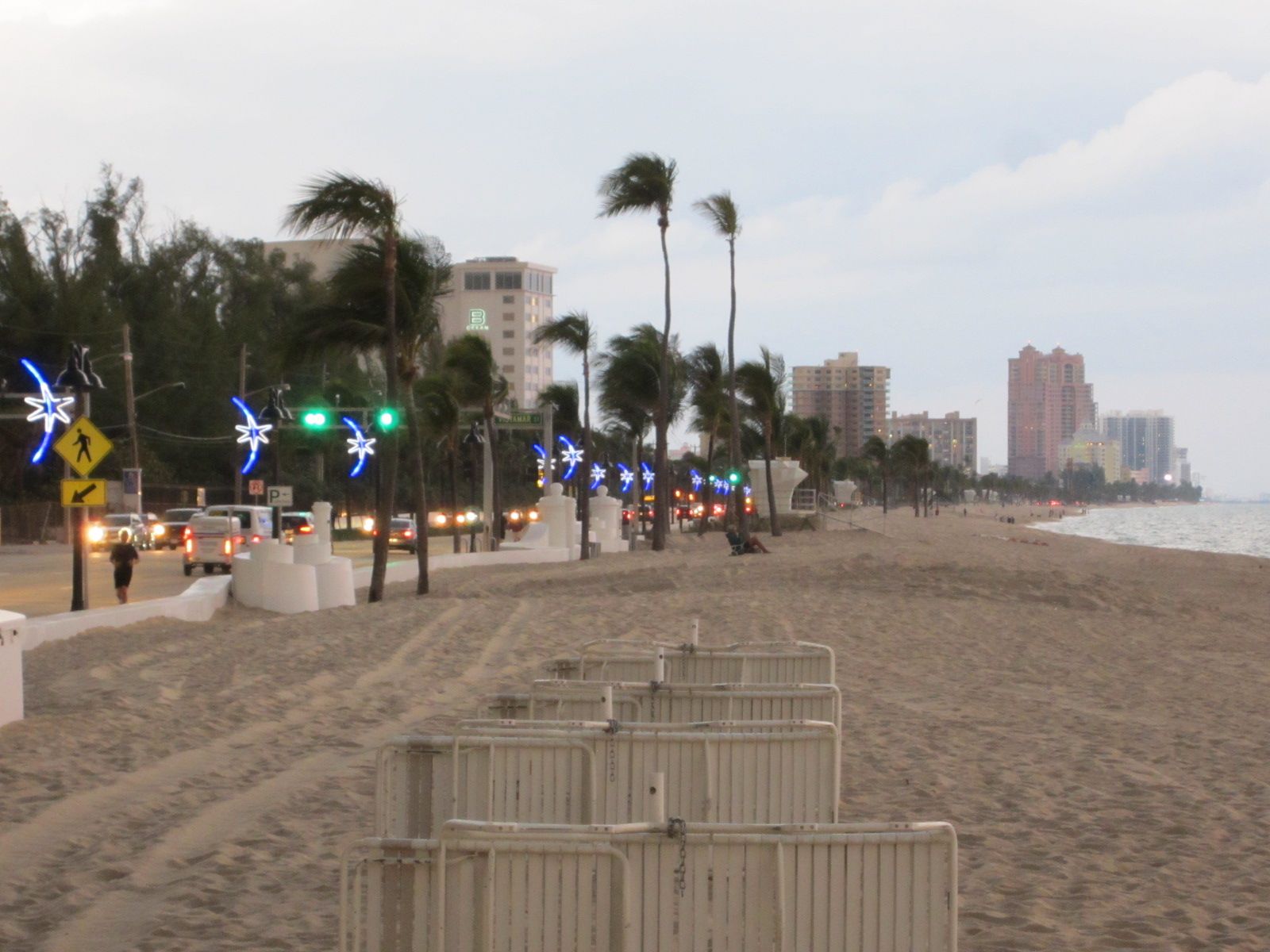
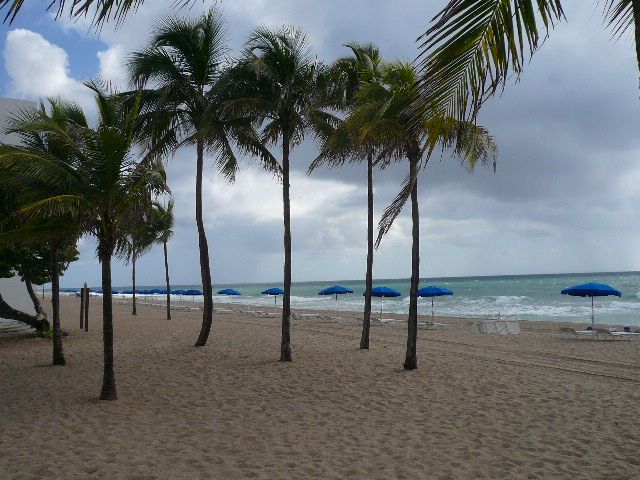
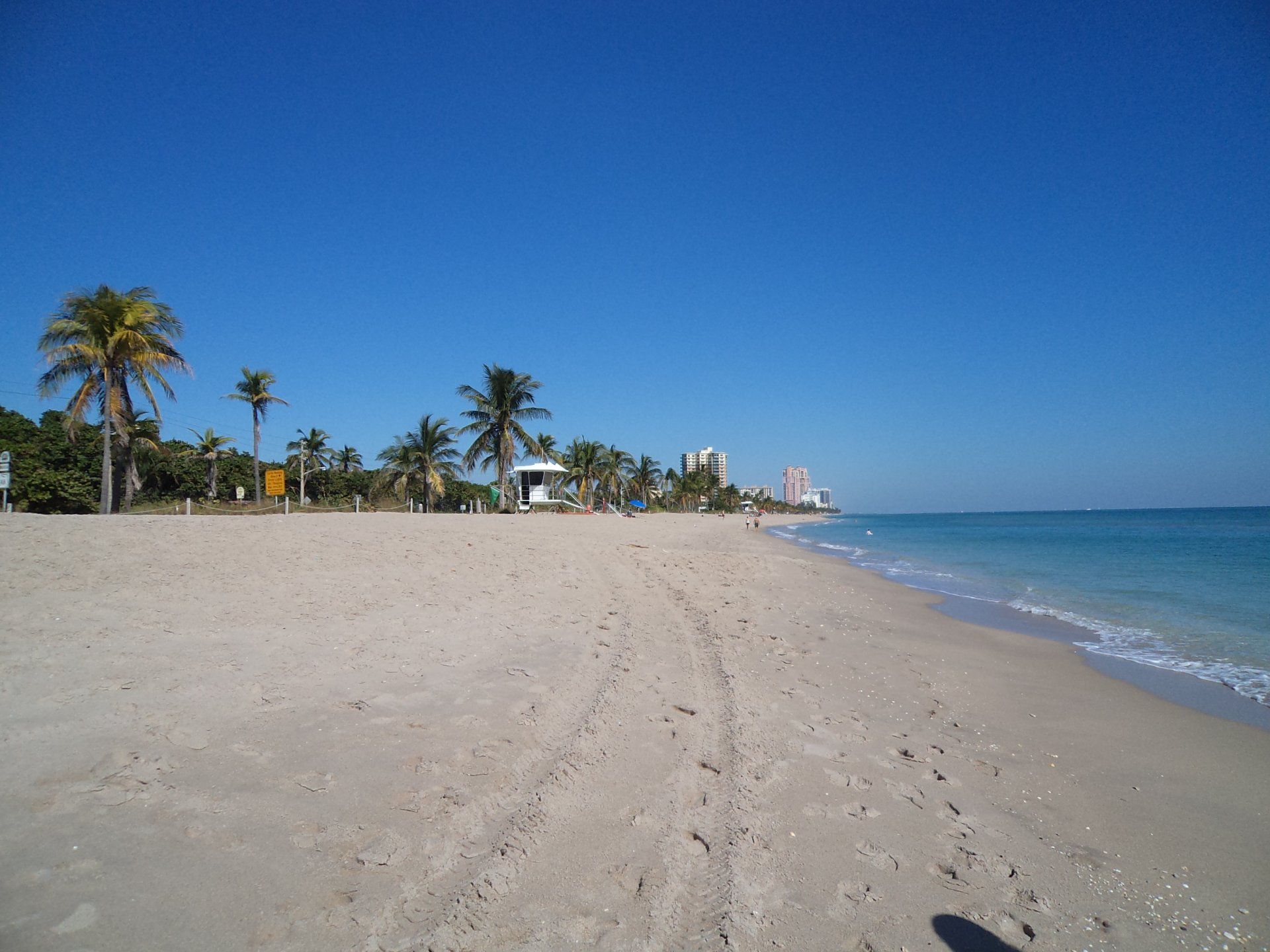
Fort Lauderdale earns its nickname — the "Venice of America" — with more than 165 miles of inland waterways threading through the city. Water taxis glide along the Intracoastal Waterway, connecting neighborhoods and attractions in a way that feels uniquely South Floridian. Fort Lauderdale Beach along FL A1A stretches for miles of white sand and warm Atlantic surf, ideal for swimming, paddleboarding, and people-watching year-round. The city's average temperature of 75.5°F and roughly 3,000 hours of sunshine annually make outdoor activity a daily reality rather than a weekend luxury. Boating enthusiasts will find no shortage of options — with over 50,000 registered yachts and 100 marinas, Fort Lauderdale is widely recognized as the yachting capital of the world.
Arts & Culture
The city's cultural footprint is surprisingly rich. The Museum of Discovery and Science is a perennial family favorite, while the Museum of Art Fort Lauderdale showcases an impressive permanent collection alongside rotating exhibitions. History lovers will appreciate Bonnet House Museum & Gardens, a 35-acre historic estate and nature preserve tucked between the Intracoastal Waterway and the Atlantic. Its Island Theater hosts intimate performances in a setting unlike anything else in South Florida. The city also supports a lively performing arts scene centered around the Broward Center for the Performing Arts, which draws Broadway touring productions and world-class musical acts.
Dining & Shopping
For those exploring houses for sale in Fort Lauderdale Florida, the lifestyle along Las Olas Boulevard is often a deciding factor. This iconic stretch blends upscale boutiques, art galleries, and an eclectic dining scene — from waterfront seafood to international cuisine — all within walking distance of the beach. The boulevard regularly hosts outdoor festivals, art walks, and seasonal events that keep the neighborhood buzzing well into the evening.
Family Activities & Events
Port Everglades, one of the world's busiest cruise ports, welcomes nearly four million passengers annually and offers a fascinating glimpse into global maritime commerce. Families also enjoy the Fort Lauderdale Aquatic Complex and nearby nature escapes like Hugh Taylor Birch State Park, a green oasis just steps from the beach. The annual Fort Lauderdale International Boat Show, held each fall, is one of the largest in-water boat shows on the planet — a true spectacle for residents and visitors alike.
Latest Properties in Fort Lauderdale
Loading latest properties...
History
Long before the first house was platted or sold, the land that would become Fort Lauderdale was home to the Tequesta people, who occupied sites along the New River and Broward County's coastal waterways as early as 300 BCE. Spanish contact in the 16th century brought disease that devastated Tequesta communities, and by 1763 — when Spain ceded Florida to Britain under the Treaty of Paris — only a handful remained.
The city takes its name from Major William Lauderdale, who commanded U.S. Army forces that constructed three temporary forts along the New River in 1838 during the Second Seminole War. The largest stood near the site of present-day Bahia Mar Marina. All three were abandoned by 1842, and the area — then known as the New River Settlement — remained sparsely inhabited for decades. It wasn't until 1893 that Frank Stranahan began operating a ferry across the New River, the same year the Florida East Coast Railroad pushed through, finally unlocking the region for settlement.
Incorporation on March 27, 1911 set off a speculative land boom that reached fever pitch in the 1920s, platting subdivisions across what had recently been drained Everglades wetland. The Great Miami Hurricane of 1926 punctured that bubble, but World War II brought a Naval Air Station and a Coast Guard base at Port Everglades, seeding the maritime and aviation industries that define the city today. The postwar population explosion — the 1960 census counted 83,648 residents, roughly 230 percent of the 1950 figure — produced the residential neighborhoods that now generate steady demand among those browsing houses for sale in Fort Lauderdale, Florida.
That layered past is visible in the present market. The 165 miles of inland waterways carved out of former swampland gave rise to the boating culture that makes waterfront properties among the most coveted houses for sale in Fort Lauderdale, while postwar subdivisions inland have matured into established, tree-lined neighborhoods attracting buyers priced out of the beachfront corridor.
Weather
Fort Lauderdale enjoys a tropical monsoon climate, placing it among the most reliably warm cities in the continental United States. Situated along the Atlantic coast of South Florida, roughly 30 miles north of Miami, the city experiences essentially two seasons: a warm, humid summer and a mild, drier winter — with very little of what most Americans would recognize as autumn or spring.
Summer and Winter Temperatures
Summer highs typically hover in the low-to-mid 90s °F, with overnight lows rarely dipping below the mid-70s. Humidity is the defining feature of the season, making heat indices feel considerably higher. Winters are genuinely pleasant, with daytime highs commonly in the mid-70s to low 80s °F and nighttime lows occasionally dropping into the upper 50s — though freezing temperatures are virtually unheard of.
Rainfall and Coastal Influence
Fort Lauderdale receives roughly 60 to 65 inches of rain annually, with the wet season running from May through October. Afternoon thunderstorms are a near-daily occurrence during summer months. The Atlantic Ocean moderates temperature extremes, keeping the city cooler in summer and warmer in winter than inland areas. Hurricane season, running June through November, is a meaningful consideration for homeowners.
Real Estate Implications
The climate is a primary draw for those exploring houses for sale in Fort Lauderdale, Florida. Year-round outdoor living — on patios, docks, and pool decks — is genuinely achievable, which elevates the value of outdoor amenities. Buyers should budget for robust air conditioning costs during the long summer and factor in hurricane-rated windows, flood insurance, and roof maintenance as standard ownership considerations.
Fort Lauderdale Market Analytics
Can I Afford Fort Lauderdale?
Weather