
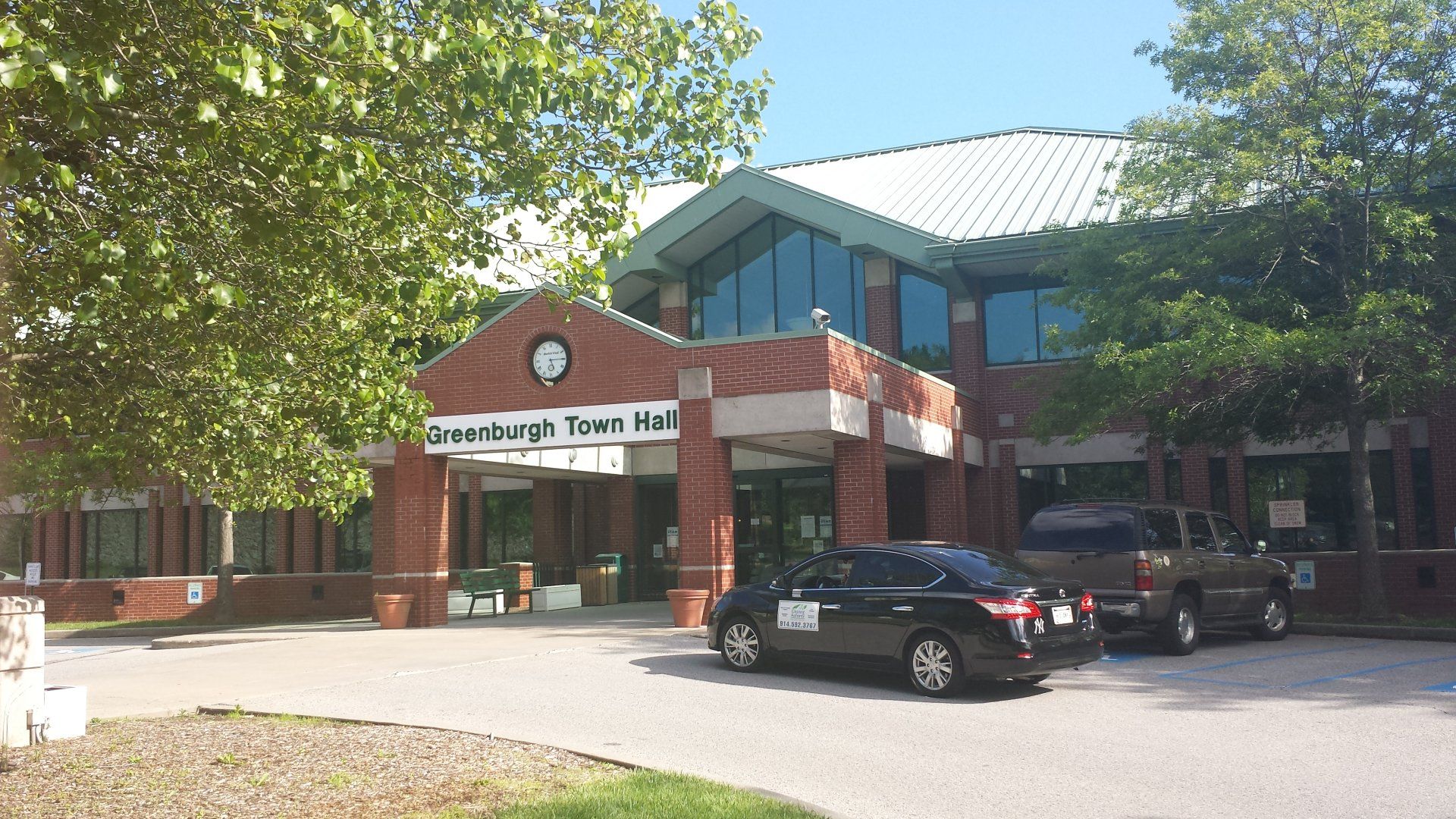
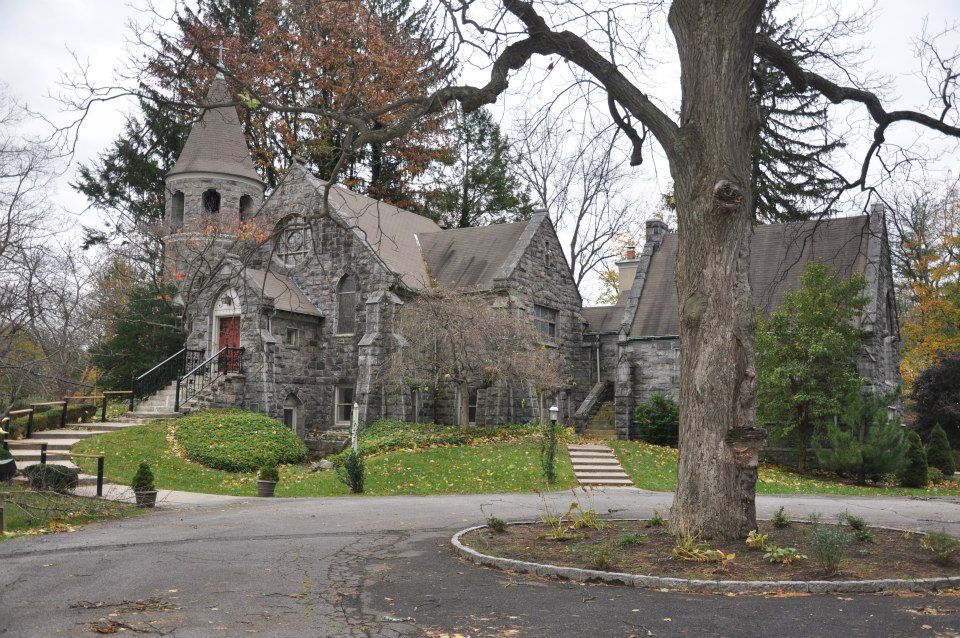
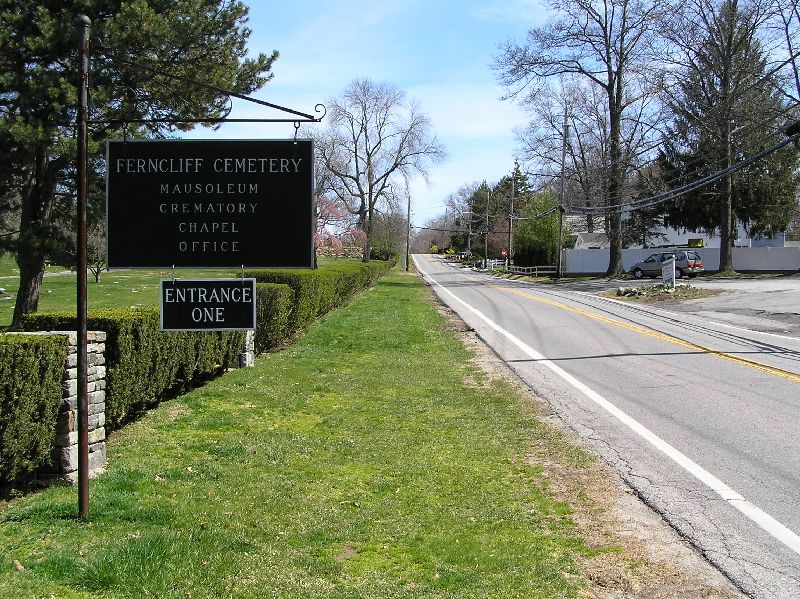
Greenburgh, New York

Location:
Greenburgh, NY

Welcome to Greenburgh

Incorporated on March 7, 1788, the Town of Greenburgh in western Westchester County sits at one of the most strategically positioned addresses in the New York metropolitan area — its western edge runs along the Hudson River, while its southern border meets Yonkers and, just beyond, the Bronx. Spanning 30.3 square miles with a population of nearly 95,400, Greenburgh is neither a single village nor a simple suburb, but a layered municipality that encompasses six incorporated villages — including Dobbs Ferry, Irvington, and Tarrytown — alongside unincorporated hamlets like Hartsdale and Fairview, each with its own distinct character.

What sets Greenburgh apart from neighboring White Plains or Yonkers is this unusual structure: residents enjoy small-town atmosphere while drawing on the infrastructure of a larger town government. Metro-North's Hudson Line serves the western villages with direct service to Grand Central Terminal, while the Harlem Line station at Hartsdale connects the eastern side — making car-free commuting genuinely practical. The town's median household income of $149,372 reflects the professional class it attracts, and its school districts consistently rank among Westchester's most sought-after.

For those exploring greenburgh ny rentals or evaluating a long-term purchase, Greenburgh offers something increasingly rare: proximity to Manhattan without sacrificing green space, architectural character, or community depth — and its continued investment in parks, transit, and civic life makes it a compelling bet for the decades ahead.


Community Profile

Nestled in Westchester County with easy access to New York City, Greenburgh attracts the kind of household that has made deliberate, ambitious choices — and the numbers reflect it. The community's median household income of $152,256 is more than double the national median, and a remarkable 66.6% of households earn six figures or more, signaling the deep concentration of professional talent that calls this town home. That prosperity is matched by exceptional educational attainment: 65.8% of residents hold a bachelor's degree or higher — nearly twice the national rate — and 36.3% have earned a graduate or professional degree, a figure that speaks to a community of doctors, attorneys, engineers, and executives.

Families are well-represented here, with 55.3% of residents married, an average family size of 3.11 people, and nearly a quarter of the population under age 20. Those browsing homes for sale in Greenburgh, NY will find a community where 74% of residents own their homes — well above the national homeownership rate — anchoring a stable, invested neighborhood culture. The median home value of $697,178 reflects both the quality of Westchester's housing stock and the sustained demand from high-earning buyers. Despite the proximity to Manhattan, the average commute of 34.4 minutes is quite manageable, and a poverty rate of just 5.8% and an uninsured rate of only 3.2% round out the picture of a community that is not only affluent, but genuinely secure and well-supported.

Things to Do

Outdoor Recreation

Greenburgh's 30-plus square miles encompass an impressive variety of green space, making outdoor life one of the town's defining pleasures. Taxter Road Park and the East Irvington Nature Preserve offer wooded trails ideal for hiking, birdwatching, and quiet escapes from suburban bustle. Along the western edge of town, the Hudson River shoreline provides scenic backdrops for walking and cycling, while the Sprain Brook Parkway and Bronx River Parkway corridors thread through the landscape with dedicated paths popular among joggers and cyclists year-round. Town-maintained parks throughout the unincorporated areas — from Hartsdale to Fairview — offer athletic fields, playgrounds, and open lawns suited to everything from pickup soccer to weekend picnics.

Arts, Culture & History

History runs deep here. The Odell House in Hartsdale, a stone farmhouse dating to around 1732, sits on the National Register of Historic Places and speaks to the town's colonial agricultural roots. In Tarrytown — one of Greenburgh's six incorporated villages — Philipsburg Manor and the legendary Sleepy Hollow Cemetery draw visitors from across the region, placing residents just minutes from world-class historic sites. The Hudson Valley's broader arts scene is easily accessible, with galleries, performance venues, and cultural institutions dotting the riverfront communities of Dobbs Ferry, Irvington, and Hastings-on-Hudson.

Dining & Shopping

Each of Greenburgh's villages has cultivated its own distinct dining personality. Dobbs Ferry and Irvington both feature walkable main streets lined with independent restaurants, cafés, and boutiques that reward leisurely afternoon exploration. Hartsdale's commercial corridor offers a diverse mix of cuisines reflecting the town's multicultural character, while Elmsford provides convenient access to larger retail options and casual dining. For those exploring greenburgh ny rentals, proximity to these neighborhood dining scenes is frequently cited as a genuine quality-of-life advantage.

Family Activities & Community Events

Greenburgh's Greenburgh Public Library system anchors community life with programming for all ages throughout the year. The town's parks department runs seasonal recreational leagues, summer camps, and community events that bring together residents from across its diverse hamlets and villages. With Manhattan reachable in under 40 minutes via Metro-North's Hudson or Harlem lines, families enjoy the rare combination of suburban calm and easy access to world-class museums, theater, and entertainment in the city — making Greenburgh a genuinely well-rounded place to put down roots.

Latest Properties in Greenburgh

Loading...

Loading latest properties...

See All Properties in Greenburgh

History

From Manor Grant to Commuter Town: Greenburgh's History

Greenburgh's story begins long before its formal founding. The Weckquaesgeek people, an Algonquian-speaking band of the Wappinger, inhabited these Hudson River lands for generations before Henry Hudson's 1609 expedition mapped the region for European interests. In 1693, Frederick Philipse secured a royal patent for Philipsburgh Manor — a 52,000-acre semi-feudal grant spanning southern Westchester that encompassed the future Greenburgh territory. Tenant farmers of Dutch and English descent worked the land for generations, and modest stone farmhouses like the Odell House, built around 1732 in what is now Hartsdale, still stand as quiet reminders of that era.

The Revolutionary War disrupted the region deeply, and in 1779 New York State confiscated Philipsburgh Manor due to the Philipse family's Loyalist allegiance, redistributing parcels to tenant farmers. On March 7, 1788, Greenburgh was formally incorporated as a town — a transition from proprietary estate to independent municipality that set the stage for everything that followed.

Agriculture defined the 19th century, but the railroad changed the calculus. The arrival of rail lines connecting Westchester to Manhattan began nudging hamlets like Hartsdale toward something more suburban. The real transformation came in the 20th century: the Bronx River Parkway in the 1920s and the Saw Mill River Parkway in the 1930s opened Greenburgh to commuters, and the post-World War II boom accelerated development dramatically — the population nearly doubled between 1950 and 1960, from roughly 47,500 to over 76,000.

Those mid-century subdivisions created the tree-lined residential neighborhoods that define Greenburgh today and continue to attract professionals seeking Metro-North access to Manhattan. With a median household income of $149,372 and a diverse, educated population of nearly 95,400, the town's real estate market reflects that long arc — from colonial farmland to one of Westchester County's most sought-after addresses.

Weather

Greenburgh, New York, experiences a humid continental climate, shaped by its position in the lower Hudson Valley of Westchester County. The region sits far enough inland from the Atlantic to avoid direct coastal moderation, yet close enough to New York City to benefit from the urban heat island effect, which can nudge temperatures slightly warmer than surrounding rural areas — particularly in winter.

Summers are warm and humid, with daytime highs typically ranging from the mid-80s°F and overnight lows settling in the mid-60s°F. Winters are cold and occasionally snowy, with average highs in the mid-30s°F and lows that can dip into the teens and 20s°F during the coldest stretches of January and February. Spring and autumn are genuinely pleasant, with mild temperatures and vivid seasonal transitions — fall foliage along the Hudson River corridor is a particular highlight.

Annual precipitation is fairly evenly distributed throughout the year, averaging roughly 45–50 inches, including periodic nor'easters in winter that can bring significant snowfall. The Hudson River valley can funnel cold air southward in winter and trap summer humidity, giving the area a somewhat more pronounced seasonal swing than coastal communities.

For residents and those exploring greenburgh ny rentals, these climate patterns carry real practical weight. Heating costs are a meaningful budget consideration through the long winter months, while central air conditioning is a near-necessity for summer comfort. Homeowners should also plan for seasonal maintenance — roof and gutter care before winter, and landscaping upkeep through the active growing season that runs from April through October.

Greenburgh Market Analytics

The Greenburgh real estate market is showing signs of balance, with the average home value increasing by 5.3% over the past year, according to data analyzed by Opulist. This growth, combined with a median sale-to-list ratio of 1.001, suggests that the market is experiencing a moderate and stable upward trend. Additionally, the fact that 50.3% of sales are occurring above list price indicates a relatively strong demand for homes in the area.


1-Year Home Value Change: +5.3%

Greenburgh Home Value Index over time.

Can I Afford Greenburgh?
$
%
$0
Est. Monthly Payment
$0/yr
Salary Required

*Principal & interest only. Salary based on 28% debt-to-income ratio.

Get Pre-Approved for Greenburgh