
Hampton Bays, New York

Location:
Hampton Bays, NY

Welcome to Hampton Bays

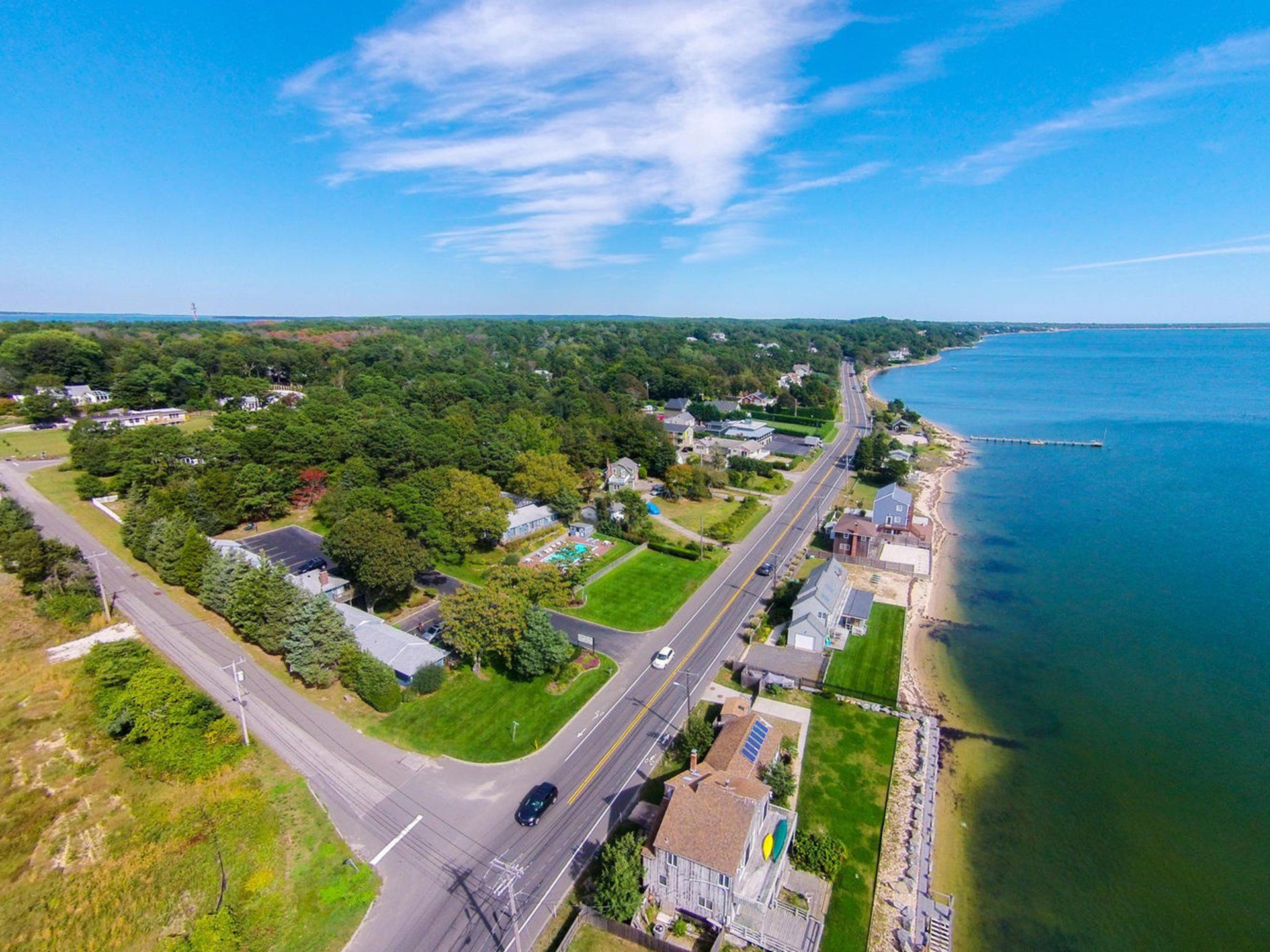
Situated between Shinnecock Bay to the south and Peconic Bay to the north on Long Island's South Fork, Hampton Bays occupies a genuinely rare geographic position — water on nearly every side, with the Atlantic Ocean just beyond Shinnecock Inlet to the southeast. Originally settled in 1740 under the name "Good Ground," the hamlet officially became Hampton Bays in 1922 when eleven smaller communities unified under a name that would connect them to the Hamptons' growing prestige. That decision proved prescient.

What sets Hampton Bays apart from its neighbors — Southampton Village, East Hampton, and Bridgehampton — is its balance of coastal character and relative accessibility. Median home prices here hover around $688,900, a meaningful distinction in a region where comparable waterfront proximity can cost several times more. The Hampton Bays LIRR Station on the Montauk Branch connects residents directly to Penn Station in Manhattan, making year-round living genuinely practical. The local Hampton Bays Public Schools district serves the community from elementary through high school, with Hampton Bays High School anchoring a tight-knit educational system whose athletic teams are called the Baymen — a nod to the commercial fishing heritage that still defines the inlet at Shinnecock.

For buyers exploring hampton bays homes for sale, this is a community where working waterfront, strong household incomes, and long-term appreciation potential converge in a way that's increasingly rare on the East End.


Community Profile

Tucked along the South Fork of Long Island in Suffolk County, this waterfront hamlet of 15,706 residents draws a notably prosperous and well-educated population. The median household income here reaches $134,216 — nearly double the national median — and a remarkable 62.8% of households earn six figures or more, reflecting the financial profile of buyers who have deliberately chosen this coastal lifestyle. That affluence is backed by real credentials: 47.2% of residents hold at least a bachelor's degree, and 24.1% have earned a graduate degree, well above national benchmarks. A strong 39.9% hold STEM-related degrees, suggesting a community of professionals who bring intellectual capital alongside their beach chairs.

Homeownership is a defining characteristic here — at 82%, it far exceeds the national rate of roughly 65.5%, signaling deep community investment and long-term stability. Those browsing Hampton Bays homes for sale will find a median home value of $731,569, a figure that reflects both the area's desirability and its proximity to the broader Hamptons market. The median age of 44.2 years, combined with a strong married-couple rate of 55.8% and an average family size of 3.09, paints a picture of established families putting down roots. With a low unemployment rate of just 3.5% and 64.6% of families earning dual incomes, the community's financial footing is as solid as the sandy bluffs that define its shoreline.

Things to Do

Outdoor Recreation & Water Sports

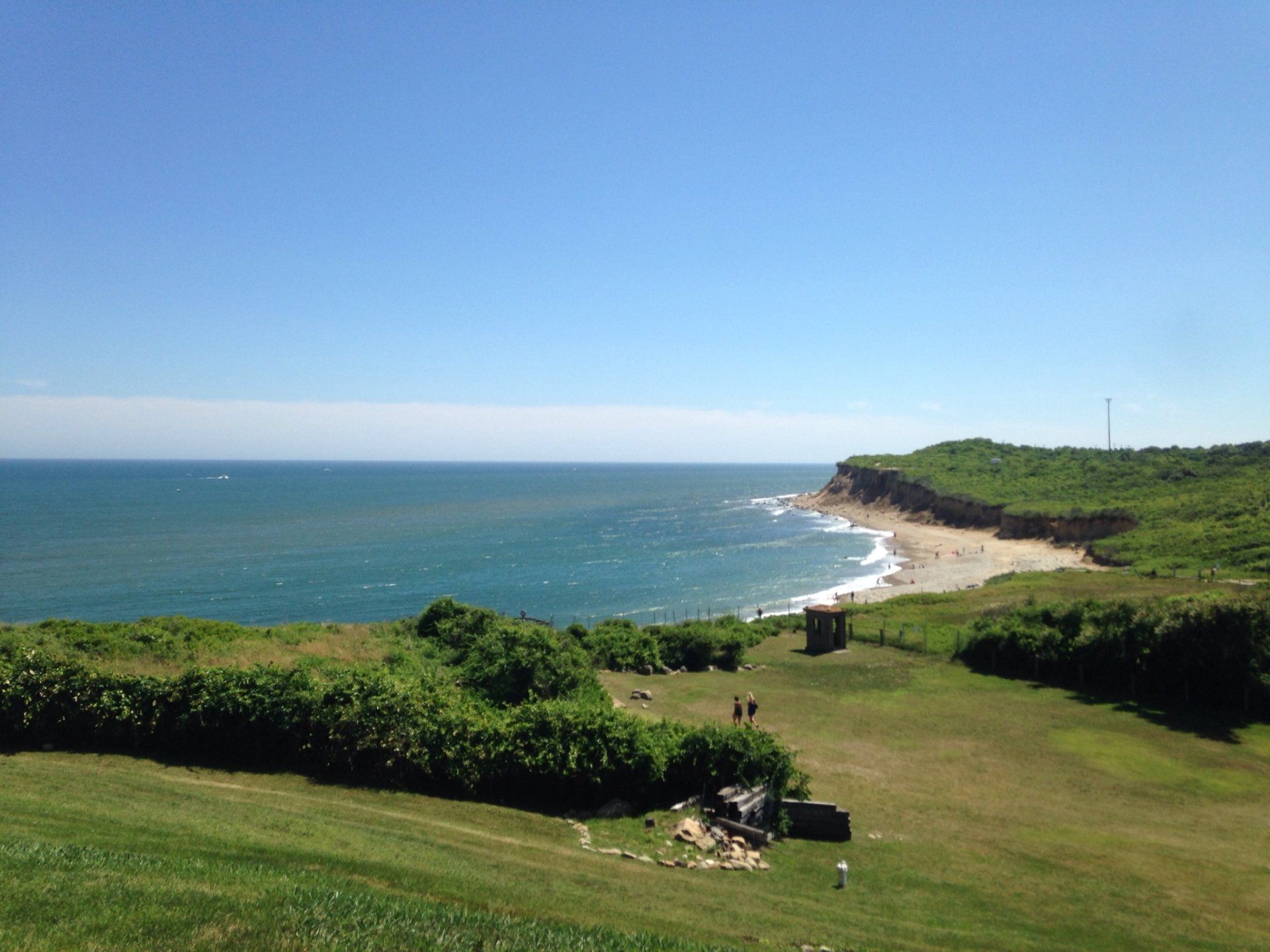
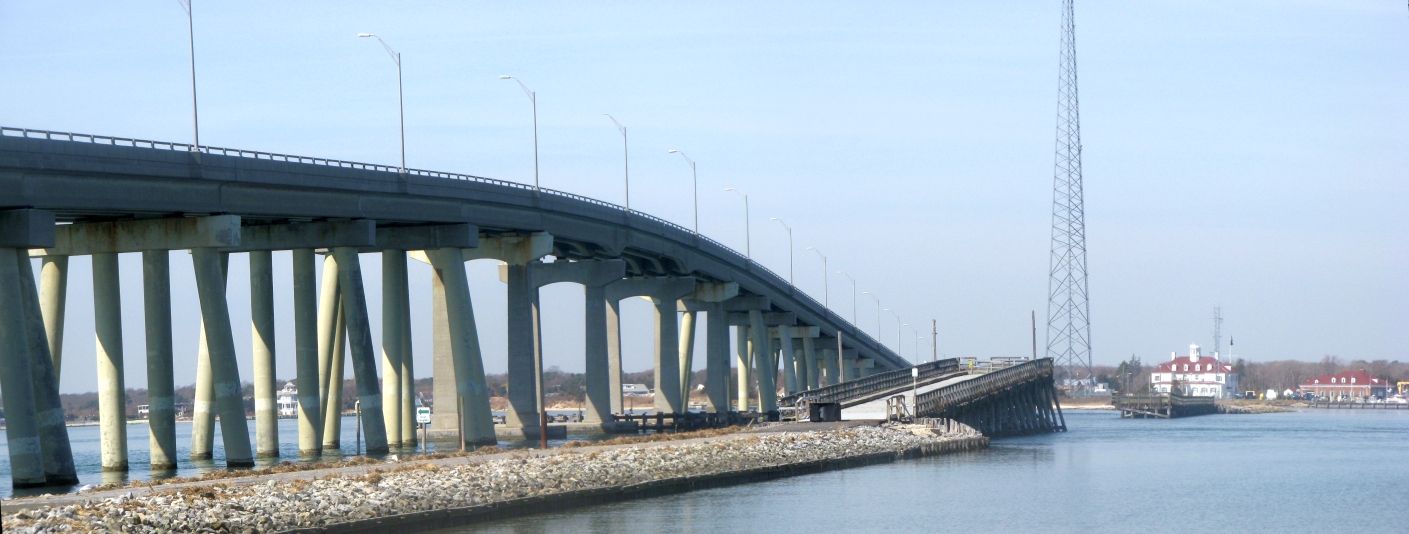
Hampton Bays is a paradise for anyone who loves the water. Surrounded by Peconic Bay to the north and Shinnecock and Tiana Bays to the south, the hamlet offers exceptional opportunities for boating, kayaking, paddleboarding, and swimming. Shinnecock Inlet — formed dramatically by the 1938 hurricane — draws surfers, anglers, and beachcombers year-round, and the barrier beaches stretching along the Atlantic shoreline provide wide, uncrowded sands that feel a world away from the more trafficked Hamptons beaches nearby. Ponquogue Beach, accessible via the Ponquogue Bridge, is a local favorite for swimming and surf fishing. The Shinnecock Canal is a hub for recreational boating and connects Peconic Bay to Shinnecock Bay, making it a natural gathering point for the hamlet's deeply rooted maritime community.

Fishing & Maritime Life

Commercial and recreational fishing are woven into Hampton Bays' identity. The fishing station at Shinnecock Inlet supports what is the second-busiest commercial fishing port in New York State, after Montauk. Charter fishing boats operate seasonally out of local marinas, targeting fluke, striped bass, bluefish, and more. The hamlet's high school athletic teams are even called the Baymen — a nod to the generations of fishermen who have worked these waters. Whether you're dropping a line off a dock or booking a full-day offshore trip, the fishing culture here is authentic and accessible.

Dining & Local Flavor

Montauk Highway (Route 27A) serves as Hampton Bays' Main Street and is lined with a mix of casual seafood spots, waterfront bars, and neighborhood restaurants that cater to both year-round residents and summer visitors. The dining scene leans into the hamlet's maritime character — fresh local catch is a staple — and the atmosphere is noticeably more relaxed and unpretentious than in neighboring Southampton or East Hampton. Summer evenings bring a lively energy to the strip, with outdoor seating and a convivial crowd that reflects the community's diverse, working-waterfront spirit.

Arts, Culture & Family Activities

The hamlet's rich history — from its Shinnecock Nation roots to its colonial past as "Good Ground" — provides a meaningful cultural backdrop for exploration. Families enjoy the proximity to Southampton Village, just a short drive east, which offers museums, galleries, and additional dining. Closer to home, the Hampton Bays Public Library hosts community events throughout the year, and local parks provide space for picnics, youth sports, and seasonal festivals. Those browsing hampton bays homes for sale will quickly discover that the hamlet's recreational lifestyle is one of its strongest selling points — a genuine Hamptons experience at a more grounded pace.

Latest Properties in Hampton Bays

Loading...

Loading latest properties...

See All Properties in Hampton Bays

History

The land that is now Hampton Bays has been shaped by centuries of reinvention. The Shinnecock Indian Nation inhabited this stretch of eastern Long Island for thousands of years before English Puritans established Southampton in 1640. By 1659, settler John Ogden had secured a land grant for lands west of what would become the Shinnecock Canal, and by 1738 the specific locale had been laid out as "Good Ground" — a name that acknowledged its fertile soils and productive waters. By 1740, whalers and farmers from Southampton had put down roots here, organizing life around smaller hamlets including Canoe Place, Red Creek, Squiretown, and Ponquogue.

The arrival of the Long Island Railroad in 1869 was the community's first major turning point, opening the area to tourists from New York City and spurring hotel development along what is now Montauk Highway. Then, on February 14, 1922, eleven of those scattered hamlets formally consolidated under the name Hampton Bays — a deliberate rebranding designed to capture the prestige and tourist traffic flowing to neighboring Hamptons communities. The U.S. Postal Service made it official, and the name stuck.

A defining geographic event came in 1938, when the Great New England Hurricane breached the barrier beach and created Shinnecock Inlet, permanently connecting Shinnecock Bay to the Atlantic Ocean. That inlet transformed Hampton Bays into the second-busiest commercial fishing port in New York State, a distinction it still holds today.

The postwar suburbanization of Long Island brought a wave of working families to Hampton Bays, establishing the modest, owner-occupied neighborhoods that give the hamlet much of its character today. Those roots — maritime, agricultural, and working-class — help explain why hampton bays homes for sale consistently attract buyers priced out of neighboring villages: the median home value of $688,900 reflects genuine coastal value without the premium of a Hamptons address.

Weather

Hampton Bays experiences a humid subtropical climate — the same classification that defines much of coastal Long Island's South Fork — shaped profoundly by its position between Shinnecock Bay to the south and Peconic Bay to the north. The surrounding water moderates temperature extremes in both directions, producing milder winters and cooler summers than inland areas at the same latitude.

Summers are warm and humid, with daytime highs typically in the low-to-mid 80s°F and overnight lows settling in the mid-60s. Sea breezes off the Atlantic keep the most oppressive heat at bay, making outdoor living genuinely pleasant through much of July and August. Winters are cool but rarely brutal by northeastern standards, with average highs in the upper 30s to low 40s°F and lows dipping into the mid-20s during the coldest stretches. Snowfall occurs but tends to be lighter than what falls farther inland, and prolonged deep freezes are uncommon.

Annual precipitation is distributed fairly evenly throughout the year, averaging around 45 inches, with no pronounced dry season. Late summer and fall bring the occasional threat of tropical storms and nor'easters — a reality that shapes real estate considerations significantly. Buyers browsing homes for sale in Hampton Bays, NY should factor in flood zone designations, wind-rated construction, and the cost of flood insurance for waterfront and near-water properties. On the upside, the temperate climate extends the outdoor living season well into autumn, and heating costs, while real, are softened by the maritime buffer that keeps the coldest air from settling in as deeply as it does elsewhere in the Northeast.

Hampton Bays Market Analytics

Market analytics data coming soon.
Can I Afford Hampton Bays?
$
%
$0
Est. Monthly Payment
$0/yr
Salary Required

*Principal & interest only. Salary based on 28% debt-to-income ratio.

Get Pre-Approved for Hampton Bays