
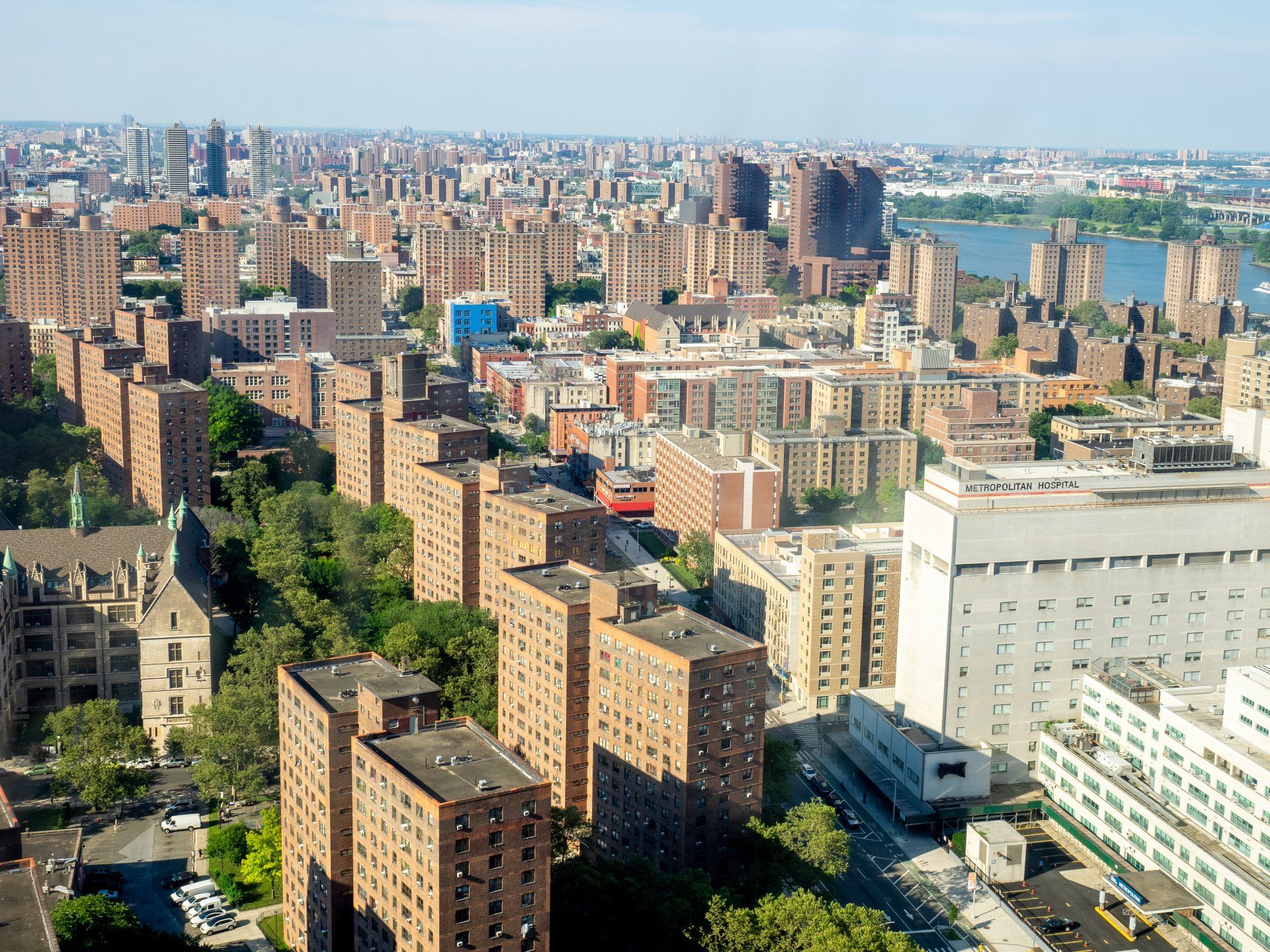
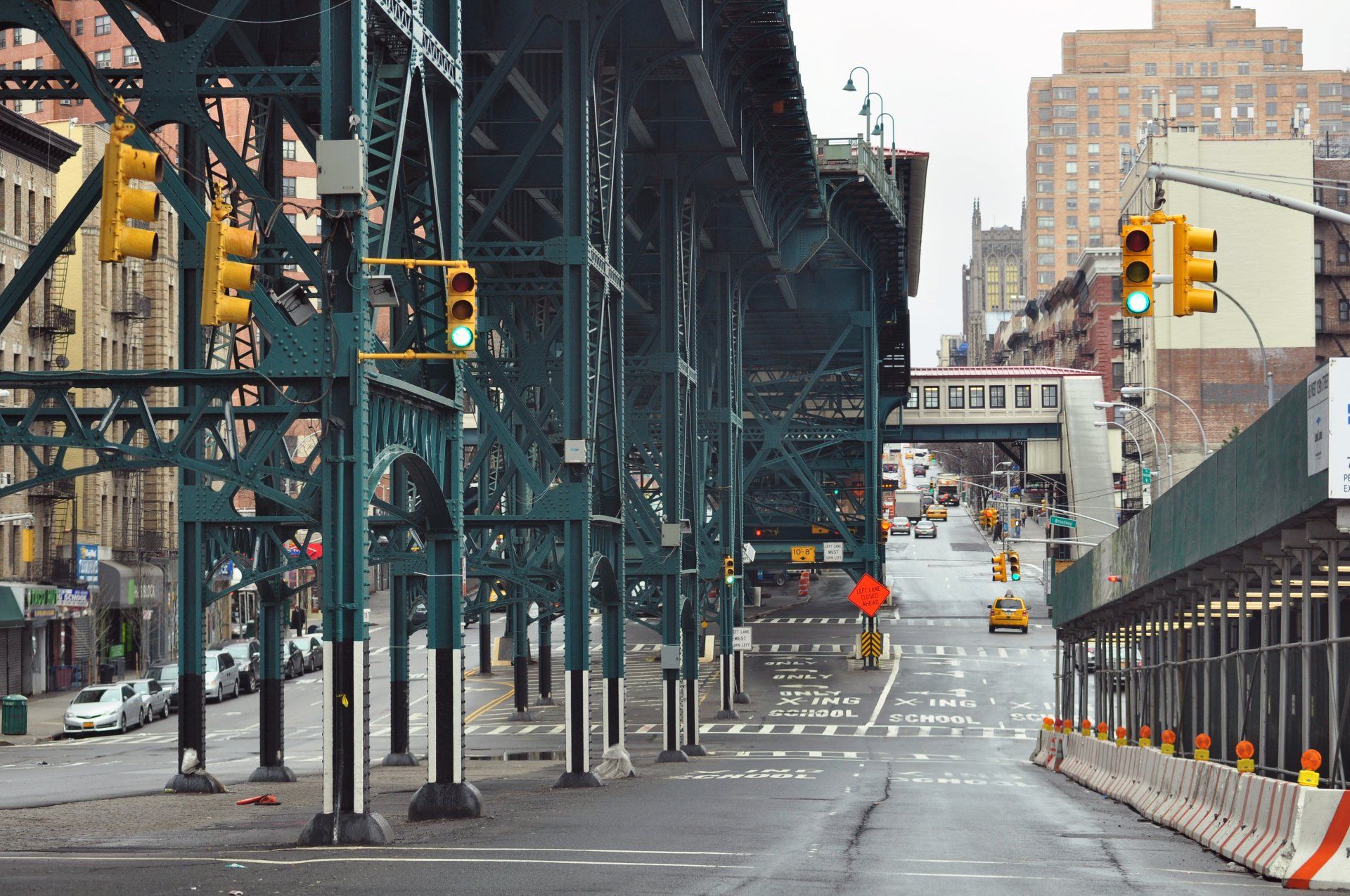
Founded in 1658 by Dutch settlers who named it after the city of Haarlem in the Netherlands, Harlem occupies the northern stretch of Manhattan between 110th Street and 155th Street — a 1.4-square-mile corridor that has shaped American culture more profoundly than almost any other urban neighborhood of comparable size. What sets Harlem apart from surrounding Manhattan neighborhoods isn't just geography but legacy: this is where the Harlem Renaissance redefined Black artistic and literary identity in the 1920s and 1930s, and where institutions like the Apollo Theater and Abyssinian Baptist Church continue to anchor a living cultural tradition. The neighborhood is served directly by multiple New York City Subway lines, placing Midtown Manhattan within a 20-minute commute. Today, buyers searching for brownstones for sale in Harlem find a streetscape of pre-war architecture alongside new residential development, with a median home price of $450,000 — still accessible by Manhattan standards. With a median age of just 34.2 and sustained investment reshaping blocks from Central to West Harlem, this is a neighborhood whose next chapter is being written right now, making it one of the most compelling places in New York City to put down roots.
Welcome to Harlem
Things to Do
Arts & Culture
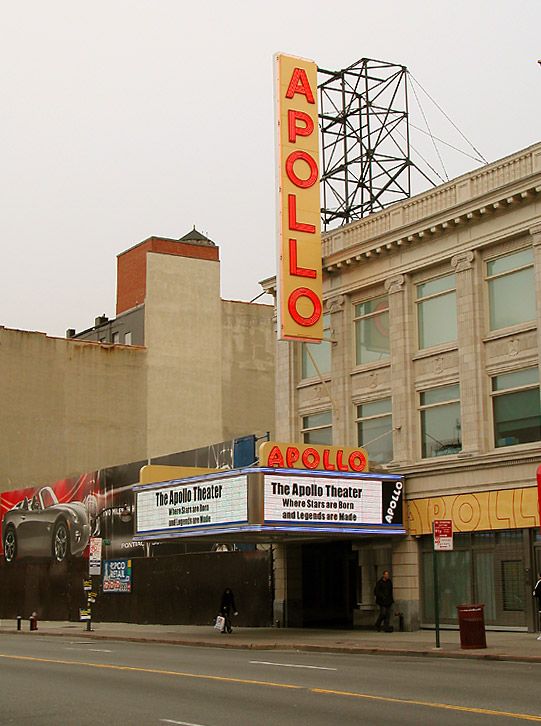
Harlem's cultural life is nothing short of extraordinary. The legendary Apollo Theater on 125th Street remains the neighborhood's crown jewel — a venue where Ella Fitzgerald, James Brown, and countless others launched careers that changed American music forever. Its famous Amateur Night continues to draw hopeful performers and enthusiastic crowds. Just a short walk away, the Studio Museum in Harlem champions contemporary Black artists and has been a cornerstone of the neighborhood's creative identity for decades. The Abyssinian Baptist Church in Central Harlem, one of the oldest and most historically significant African American congregations in the country, offers Sunday services that are themselves a powerful cultural experience.
Outdoor Recreation
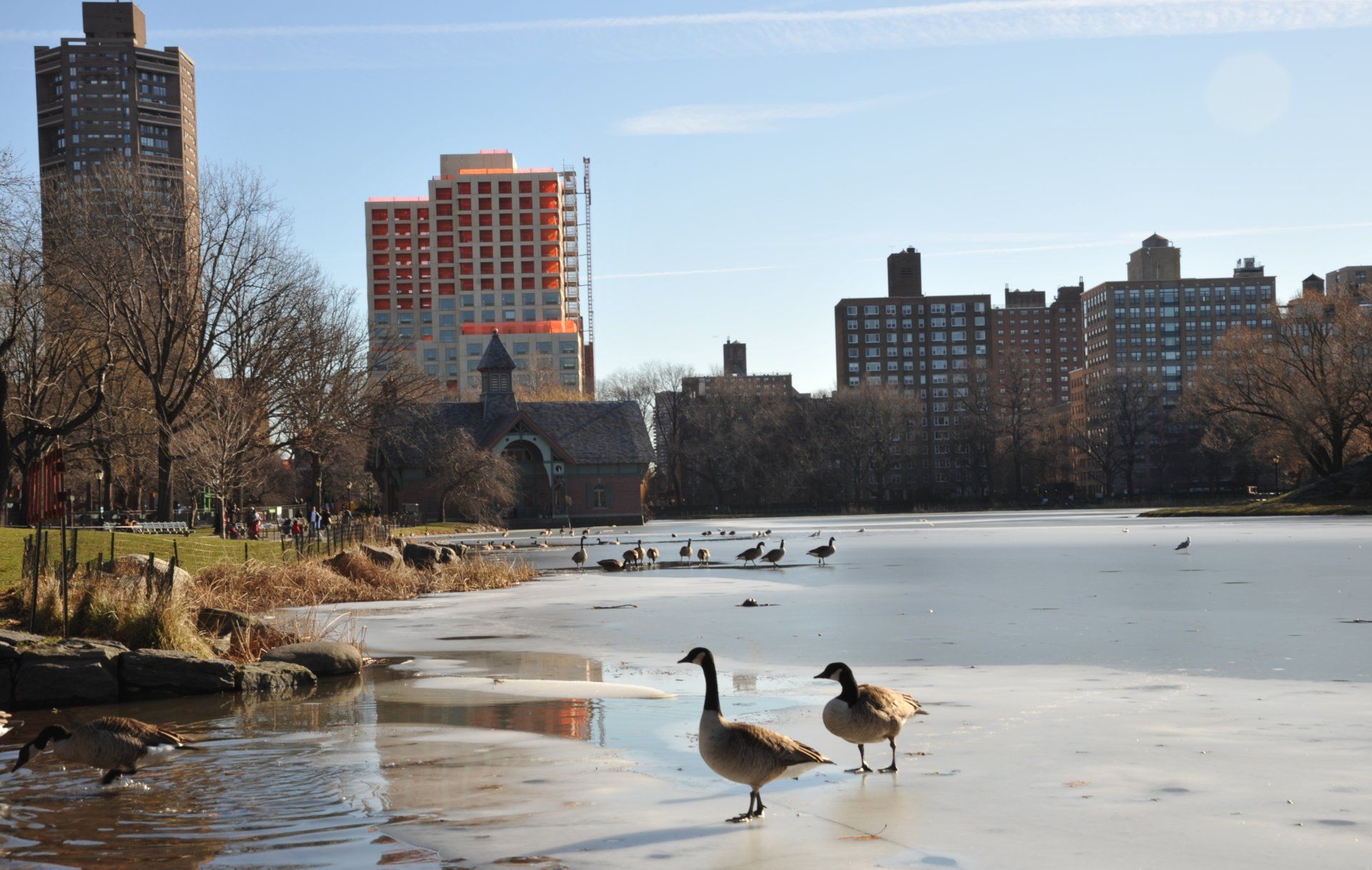
Harlem is remarkably well-served by green space. Marcus Garvey Park (also known as Mount Morris Park) anchors Central Harlem with open lawns, a historic fire watchtower, and a seasonal pool. Along the western edge, Riverbank State Park offers athletic facilities, a skating rink, and sweeping Hudson River views. Morningside Park provides a dramatic, rocky landscape ideal for a quiet afternoon stroll, while Jackie Robinson Park and St. Nicholas Park round out a remarkable chain of neighborhood green spaces. Rucker Park, near 155th Street, is legendary in basketball circles — a street court with an outsized reputation for producing and showcasing elite talent.
Dining & Local Flavor
125th Street is Harlem's main commercial corridor, lined with restaurants, cafés, and shops reflecting the neighborhood's rich African American heritage alongside newer international influences. Soul food institutions sit alongside West African eateries, Caribbean spots, and contemporary farm-to-table restaurants that have arrived with recent waves of investment. Sunday brunch in Harlem has become something of a citywide tradition, drawing visitors from across New York.
Shopping & Neighborhood Exploration
Strolling the side streets of Central and West Harlem reveals some of Manhattan's most beautiful residential architecture. The brownstones lining blocks like Strivers' Row (138th and 139th Streets) and the Mount Morris Park Historic District are genuinely stunning — it's no surprise that brownstones for sale in Harlem attract buyers who appreciate both architectural character and neighborhood history. Weekend markets, boutique shops along Frederick Douglass Boulevard, and the vibrant street life of 116th Street all reward unhurried exploration.
History
From Dutch Village to Cultural Capital: Harlem's History and Its Real Estate Legacy
Harlem's story begins in 1658, when Peter Stuyvesant formally organized a Dutch village in Upper Manhattan, naming it after the city of Haarlem in the Netherlands. For its first two centuries, the area remained largely agricultural and peripheral to the city's core. By the late 19th century, it had transformed into a middle-class enclave populated primarily by Jewish and Italian American families — a demographic reality still visible today in the neighborhood's surviving prewar architecture and its dense rows of brownstones.
The most consequential turning point came with the Great Migration of the early 20th century, when African American families arrived in large numbers, drawn by relatively affordable housing and the promise of urban opportunity. By the 1920s and 1930s, Central and West Harlem had become the epicenter of the Harlem Renaissance — an extraordinary flowering of Black literary, artistic, and musical life that shaped American culture globally. Institutions like the Apollo Theater and Abyssinian Baptist Church became pillars of that identity and remain so today.
The postwar decades brought painful decline — deindustrialization, white flight, rising poverty, and the devastation of the crack epidemic in the 1980s — all of which suppressed property values for a generation. That history is precisely why Harlem's 21st-century revival has been so dramatic. Crime fell sharply through the 1990s and 2000s, investment followed, and the neighborhood's stock of brownstones for sale in Harlem — long undervalued — attracted buyers who recognized the architectural wealth hiding beneath decades of disinvestment. Today, with a median home price of $450,000 and a population of nearly 200,000, Harlem stands as one of Manhattan's most historically layered and actively evolving real estate markets.
Weather
Harlem's Climate and What It Means for Homebuyers
Harlem experiences a humid subtropical climate — technically straddling the boundary with humid continental — shaped by its position in Upper Manhattan and its proximity to both the Hudson River and the Harlem River. These waterways moderate temperatures somewhat, but residents still contend with the full drama of four distinct seasons.
Summers are warm and often humid, with daytime highs typically climbing into the mid-to-upper 80s°F and overnight lows settling in the upper 60s. Heat island effects, common throughout dense urban neighborhoods, can push temperatures noticeably higher than surrounding suburban areas. Winters are cold but rarely severe by northeastern standards, with average highs in the mid-30s to low 40s°F and lows dipping into the 20s during the coldest stretches. Significant snowfall is possible from December through March, though the urban environment tends to accelerate melting.
Precipitation is fairly evenly distributed throughout the year, averaging around 46 to 50 inches annually, with no pronounced dry season. Spring and fall are genuinely pleasant — mild temperatures and lower humidity make these the most comfortable months to explore the neighborhood on foot.
For anyone considering brownstones for sale in Harlem, the climate carries real practical implications. Those beautiful pre-war masonry buildings require attention to weatherproofing, roof maintenance, and heating system upkeep. Central air conditioning is increasingly a priority given summer humidity, and heating costs during winter months are a meaningful budget consideration for buyers and renters alike.
Harlem Market Analytics
Harlem Home Value Index over time.
Can I Afford Harlem?
Weather