
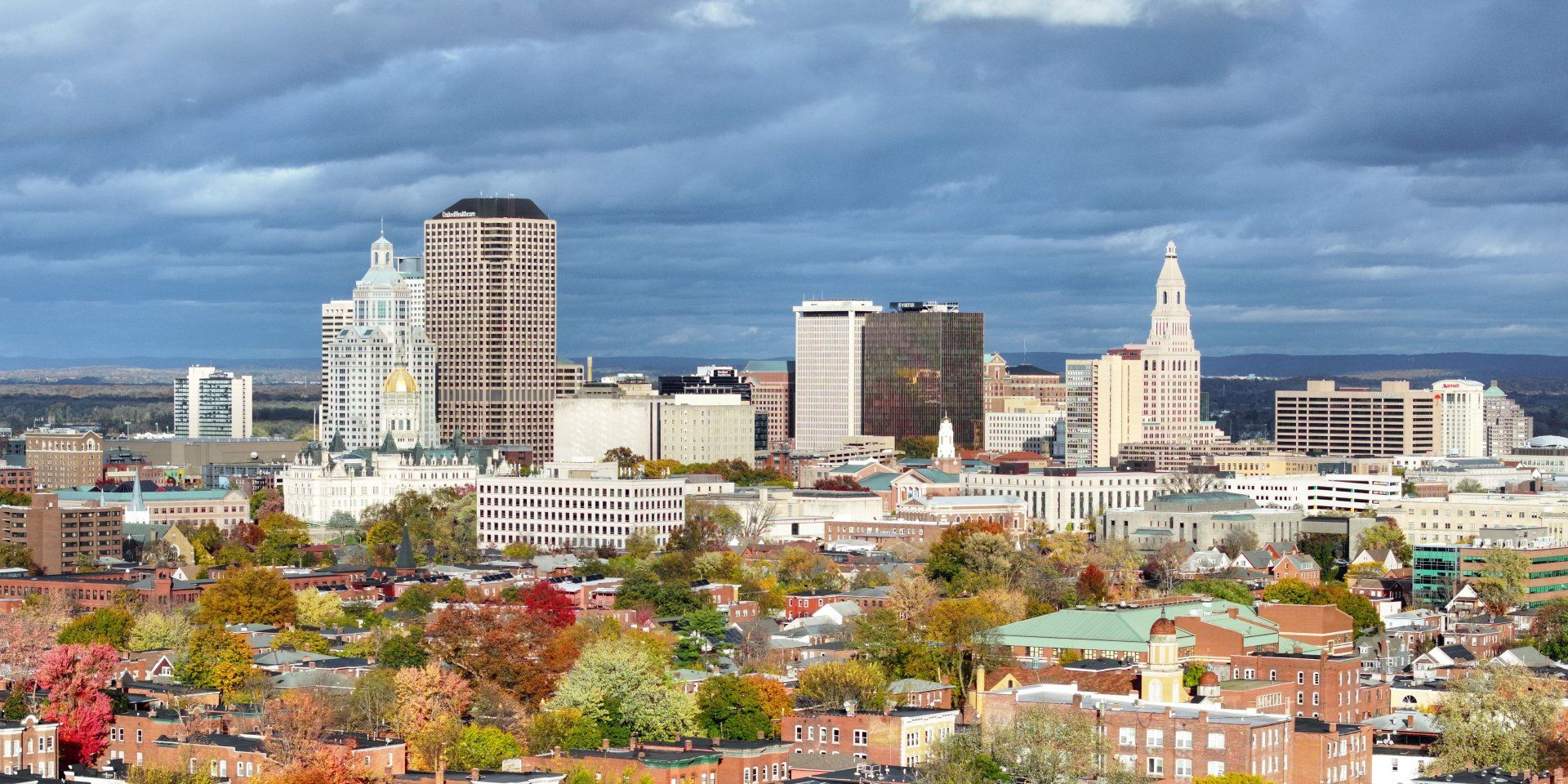
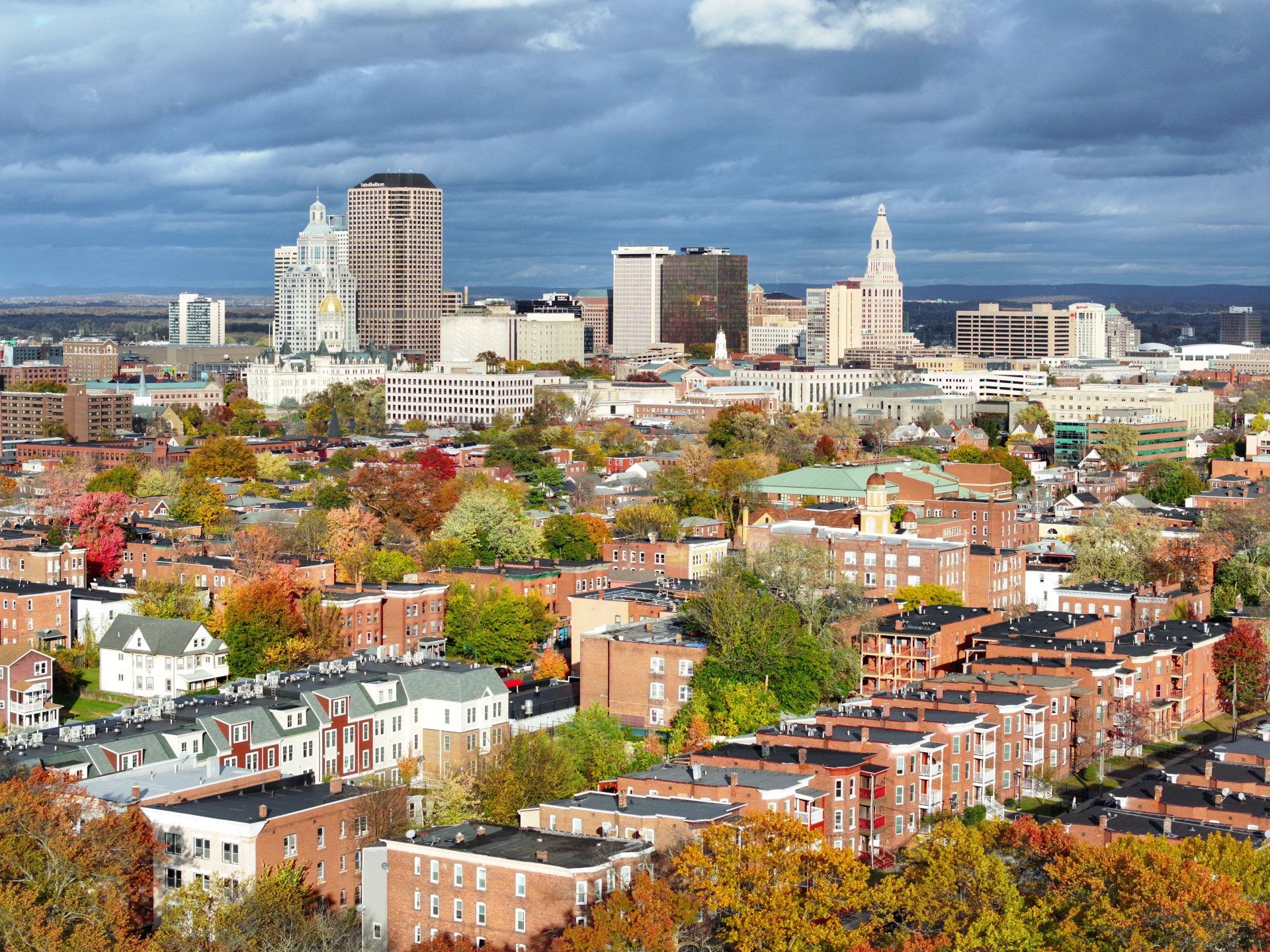
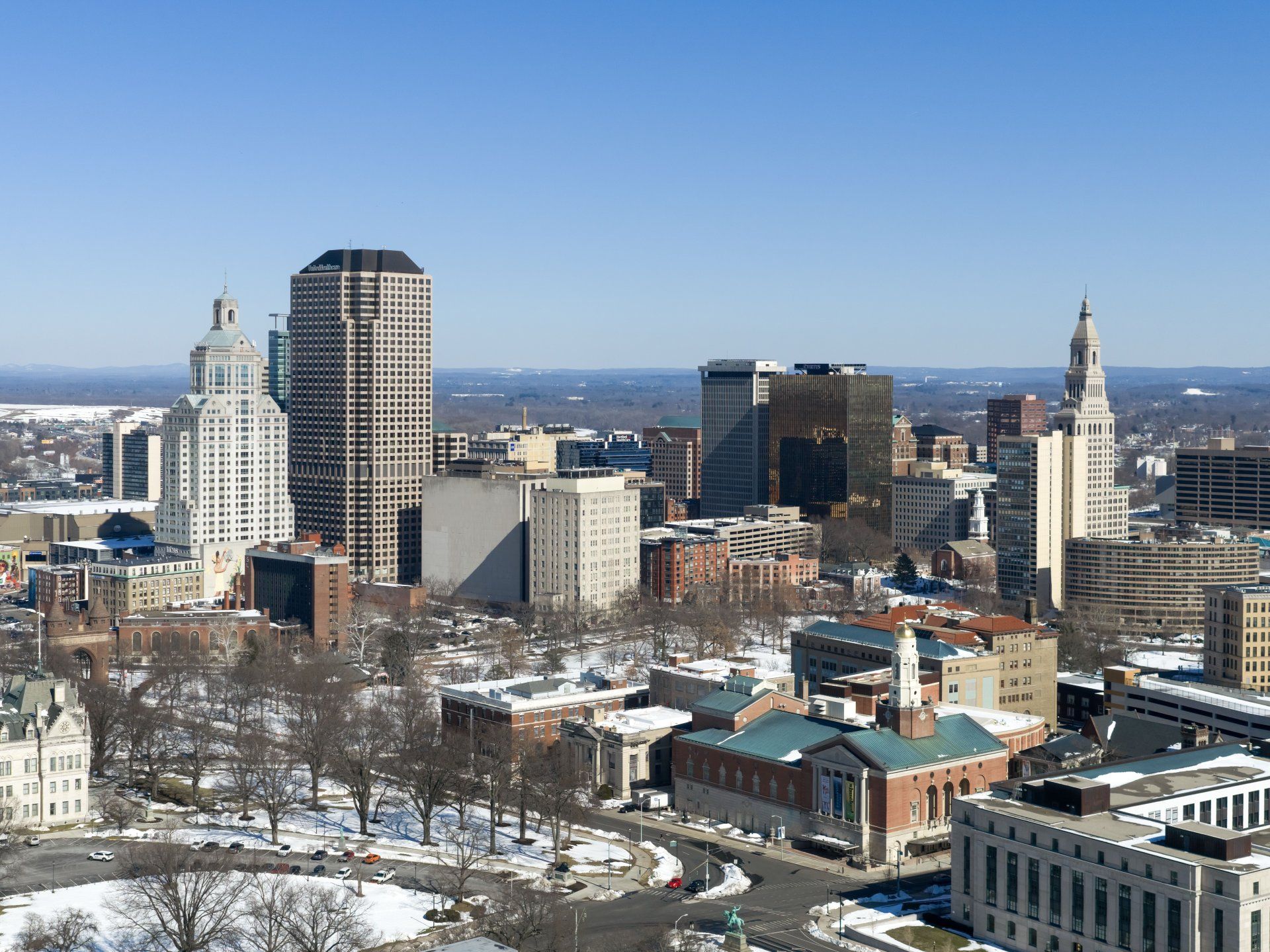
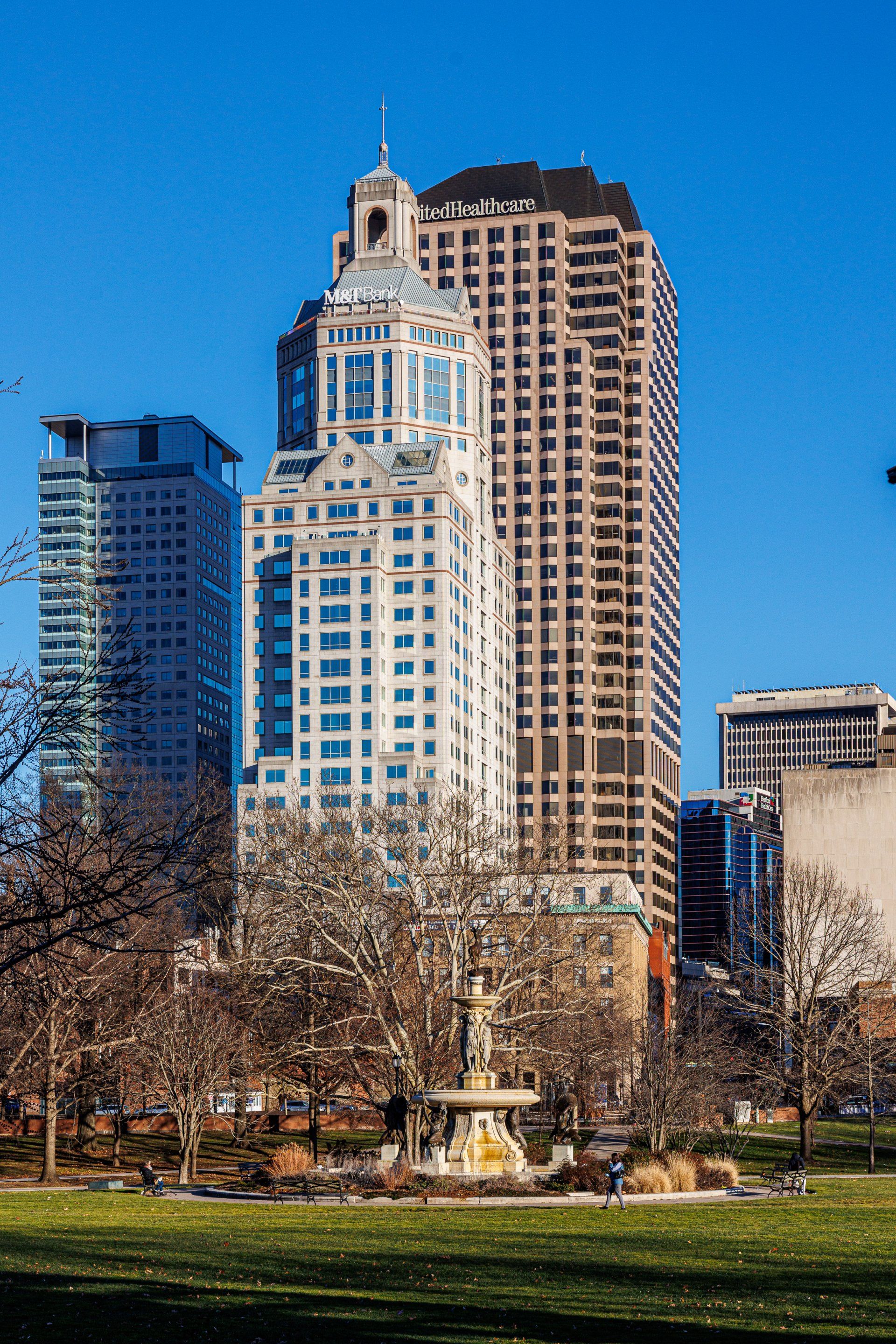
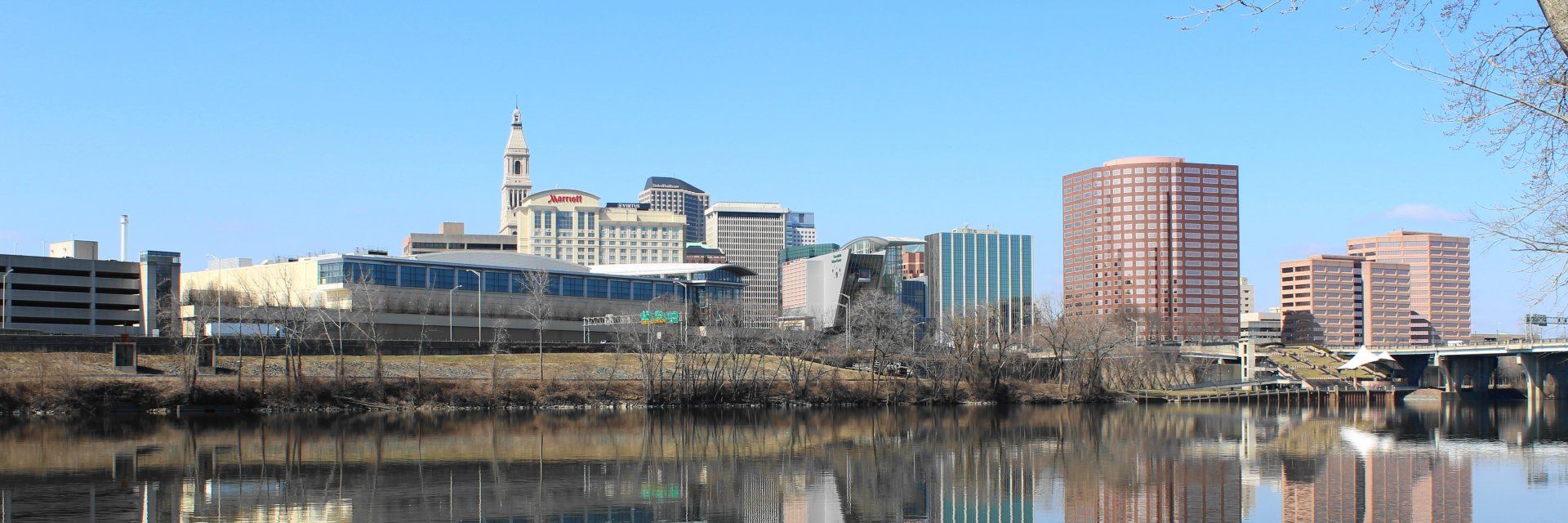
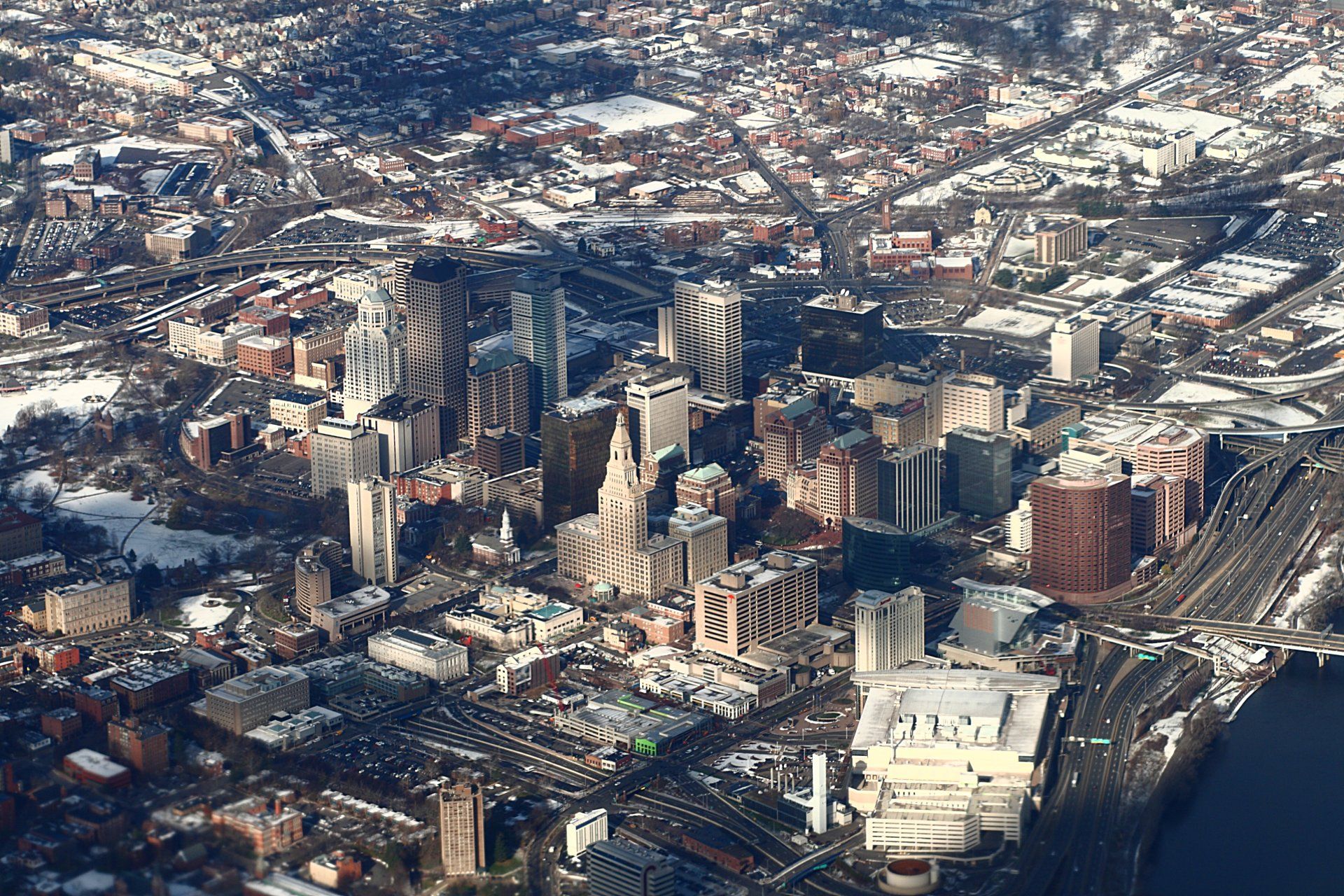
Founded on October 15, 1635, Hartford is the capital city of Connecticut and one of the oldest cities in the United States — a distinction that sets it apart from every other municipality in the state. While neighboring cities like New Britain and West Hartford offer suburban comfort, Hartford carries the singular weight of American history: it is home to Bushnell Park, the second oldest publicly funded park in the country, and the Mark Twain House, where the celebrated author penned some of his most enduring works. The city earned its nickname as the "Insurance Capital of the World" through generations of corporate headquarters that still anchor its downtown economy, and its position within the Greater Hartford metropolitan area — home to over one million residents — gives it a regional gravity no neighboring town can match. For those exploring homes for sale in Hartford, the city offers an extraordinary mix of 19th-century architecture, walkable neighborhoods, and direct access to Bradley International Airport. Hartford is actively rewriting its next chapter, making now a compelling moment to invest in its future.
Welcome to Hartford
Community Profile
One of the most striking things about Hartford is just how young and dynamic its population is. With a median age of just 33.1 years — well below the national median of 38.5 — this is a city shaped by young adults, growing families, and the energy that comes with them. Nearly 45% of residents are under 30, and an average family size of 3.15 people speaks to a community where households are full and neighborhoods feel alive. For buyers exploring homes for sale in Hartford, that youthful momentum translates into real long-term value.
Affordability is one of Hartford's most compelling advantages. At a median home value of $228,215 — significantly below the national median of roughly $330,000 — the city offers genuine purchasing power that is increasingly rare in the Northeast. With an average commute of just 23.1 minutes, residents also reclaim time that longer-commute metros quietly steal. The community is remarkably diverse, with Hispanic and Latino residents comprising 44.5% of the population and Black residents at 35.8%, making Hartford one of the most multicultural cities in New England — a richness reflected in its food, culture, and civic life. Among those with degrees, a striking 47.4% hold STEM credentials, pointing to a workforce with deep technical expertise. For buyers who want a city with character, affordability, and room to grow, the hartford houses for sale market deserves a serious look.
Things to Do
Arts & Culture
Hartford punches well above its weight as a cultural destination. The Wadsworth Atheneum Museum of Art — the oldest continuously operating public art museum in the United States — anchors downtown with an extraordinary collection spanning five centuries. Just as iconic is the Mark Twain House & Museum on Farmington Avenue, where Samuel Clemens wrote Adventures of Huckleberry Finn and The Adventures of Tom Sawyer. Next door, the Harriet Beecher Stowe Center offers a fascinating companion experience. For live performance, Bushnell Center for the Performing Arts hosts Broadway touring productions, symphonies, and major concerts throughout the year.
Outdoor Recreation
Bushnell Park — the second-oldest publicly funded park in the country — sits at the heart of the city, offering green space, a beloved 1914 carousel, and a stunning backdrop of the Connecticut State Capitol. The Connecticut River waterfront provides trails for walking and cycling, and Riverside Park hosts community events and river views. Keney Park, one of the largest municipal parks in New England, offers wooded trails, a golf course, and seasonal programming just minutes from downtown.
Dining & Neighborhoods
Hartford's dining scene reflects its diverse, dynamic population. The Park Street corridor in the Frog Hollow neighborhood is celebrated for its vibrant Latin American restaurants and bakeries, while Franklin Avenue — known locally as "Little Italy" — draws food lovers for its Italian delis, trattorias, and cafés. Downtown Hartford continues to grow as a destination for craft cocktail bars and farm-to-table restaurants.
Family Activities & Sports
Families exploring homes for sale in Hartford CT will appreciate the city's strong roster of kid-friendly attractions. The Connecticut Science Center on the riverfront features interactive exhibits across multiple floors and is a perennial favorite. Hockey fans fill the XL Center downtown for Hartford Wolf Pack AHL games, and the venue also hosts concerts and college basketball. The Connecticut Open tennis tournament and various cultural festivals — including the annual Riverfest fireworks celebration — keep the calendar lively throughout the warmer months.
Latest Properties in Hartford
Loading latest properties...
History
From Puritan Settlement to Insurance Capital: Hartford's Historical Arc
Hartford's story begins on October 15, 1635, when Puritan pastor Thomas Hooker, minister Samuel Stone, and Governor John Haynes led roughly 100 settlers from Newtown (present-day Cambridge, Massachusetts) into the Connecticut River Valley. The settlement was renamed Hartford in 1637, honoring Stone's hometown of Hertford, England — making it one of the oldest continuously inhabited cities in the United States. The Fundamental Orders of Connecticut, inspired by Hooker's 1638 sermon, gave the colony its governing framework and cemented Hartford's early role as a seat of civic authority.
Hartford was incorporated as a city on May 29, 1784, and by the decades following the Civil War had become the wealthiest city in the United States — a distinction driven largely by the insurance industry that still defines its skyline and economy today. That prosperity shaped the city's built environment in lasting ways. The grand Victorian neighborhoods that emerged during this gilded era — broad avenues, ornate architecture, and ambitious civic institutions like the Wadsworth Atheneum (the country's second-oldest public art museum) — remain visible in neighborhoods that continue to attract buyers exploring houses for sale in Hartford, CT.
The 20th century brought significant demographic and economic shifts. Postwar suburbanization drew middle-class residents outward, hollowing out the urban core, while the metro region as a whole retained substantial wealth. Today, Hartford's neighborhoods reflect that layered history: dense, walkable streets with 19th-century housing stock, proximity to major employers in insurance, healthcare, and education, and a metropolitan area of over a million residents. For buyers considering homes for sale in Hartford, that history translates into architectural character and urban infrastructure that newer suburbs simply cannot replicate.
Weather
Hartford, Connecticut Climate & Weather Patterns
Hartford, Connecticut experiences a humid continental climate (Köppen Dfb/Dfa), characterized by four distinct seasons with considerable variation between summer heat and winter cold. Situated in the Connecticut River Valley, the city sits roughly 50 miles inland from Long Island Sound, meaning it receives some moderating coastal influence — but not enough to soften its winters significantly.
Summers are warm and humid, with average highs typically reaching the mid- to upper 80s°F and overnight lows settling in the mid-60s. July is the hottest month, and heat-humidity combinations can make the valley feel oppressive during peak weeks. Winters are cold and snowy, with average highs in the low-to-mid 30s°F and lows frequently dipping into the teens and single digits during cold snaps. Hartford averages roughly 45 inches of snow annually, and nor'easters periodically deliver significant accumulations. Spring and fall are transitional and genuinely beautiful, with crisp air and vivid foliage making autumn especially striking.
Annual precipitation runs approximately 46 inches, distributed fairly evenly across all seasons. The Connecticut River Valley can funnel cold air in winter and trap humidity in summer, intensifying both extremes.
For anyone exploring homes for sale in Hartford, these climate realities matter practically. Heating costs are a genuine budget consideration, and buyers should evaluate insulation quality, furnace age, and roof condition carefully. Outdoor living spaces — decks, patios, gardens — are genuinely usable from May through October, rewarding properties that invest in them.
Hartford Market Analytics
Can I Afford Hartford?
Weather