
Ho-Ho-Kus, New Jersey

Location:
Ho-Ho-Kus, NJ

Welcome to Ho-Ho-Kus

Incorporated on October 12, 1908, Ho-Ho-Kus is a small but exceptionally distinguished borough in Bergen County, covering just 1.75 square miles roughly 20 miles northwest of Midtown Manhattan. Its name traces back to a Lenape term — most likely a contraction of "Mah-Ho-Ho-Kus," meaning "the red cedar" — and that sense of deep-rooted identity still defines the borough today. While neighboring Ridgewood and Waldwick share Bergen County's commuter-friendly character, Ho-Ho-Kus stands apart through a combination of historic gravitas, low density, and remarkable affluence: with a median household income above $250,000 and a median home price of $1.1 million, it consistently ranks among New Jersey's wealthiest municipalities.

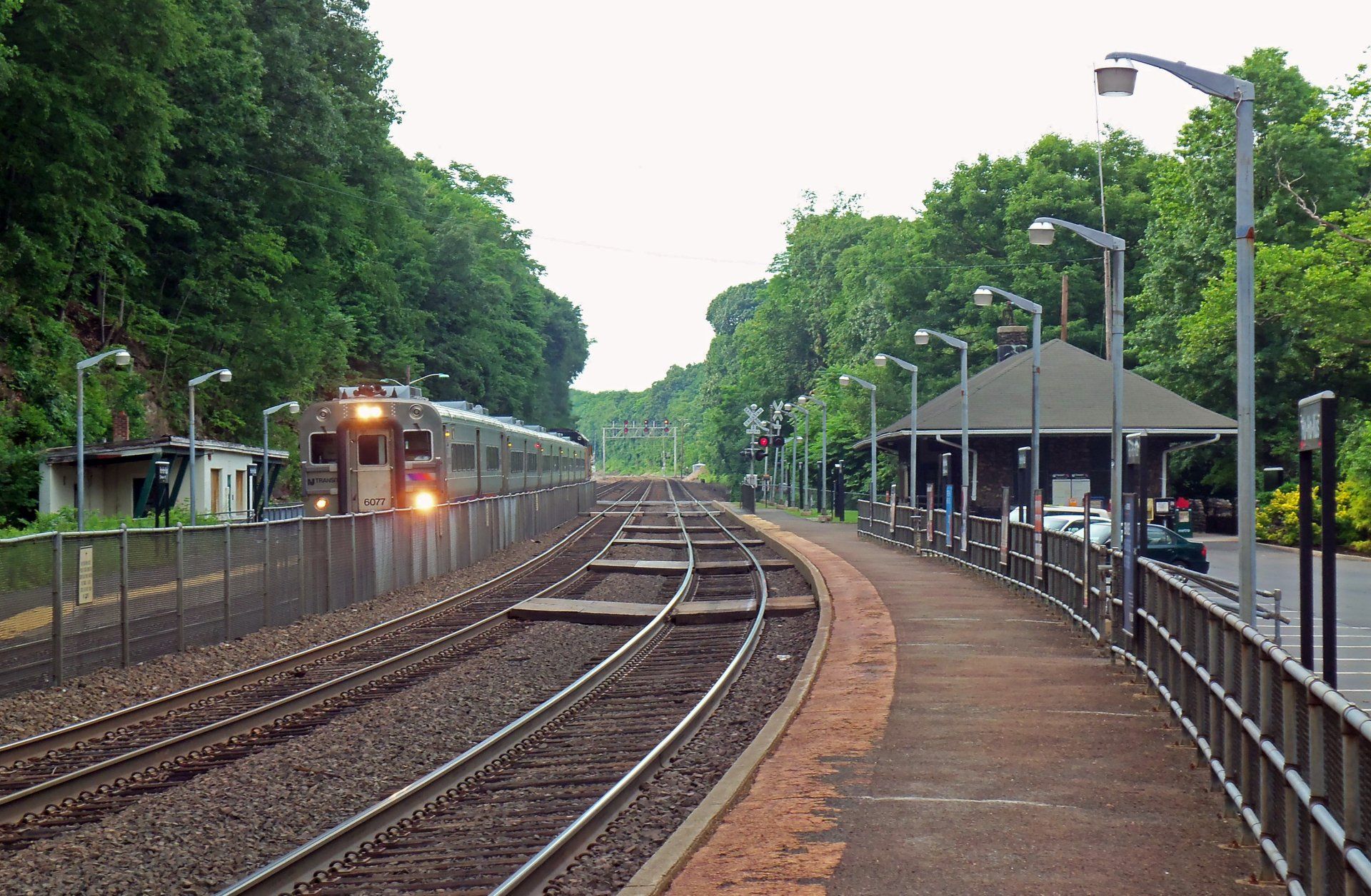
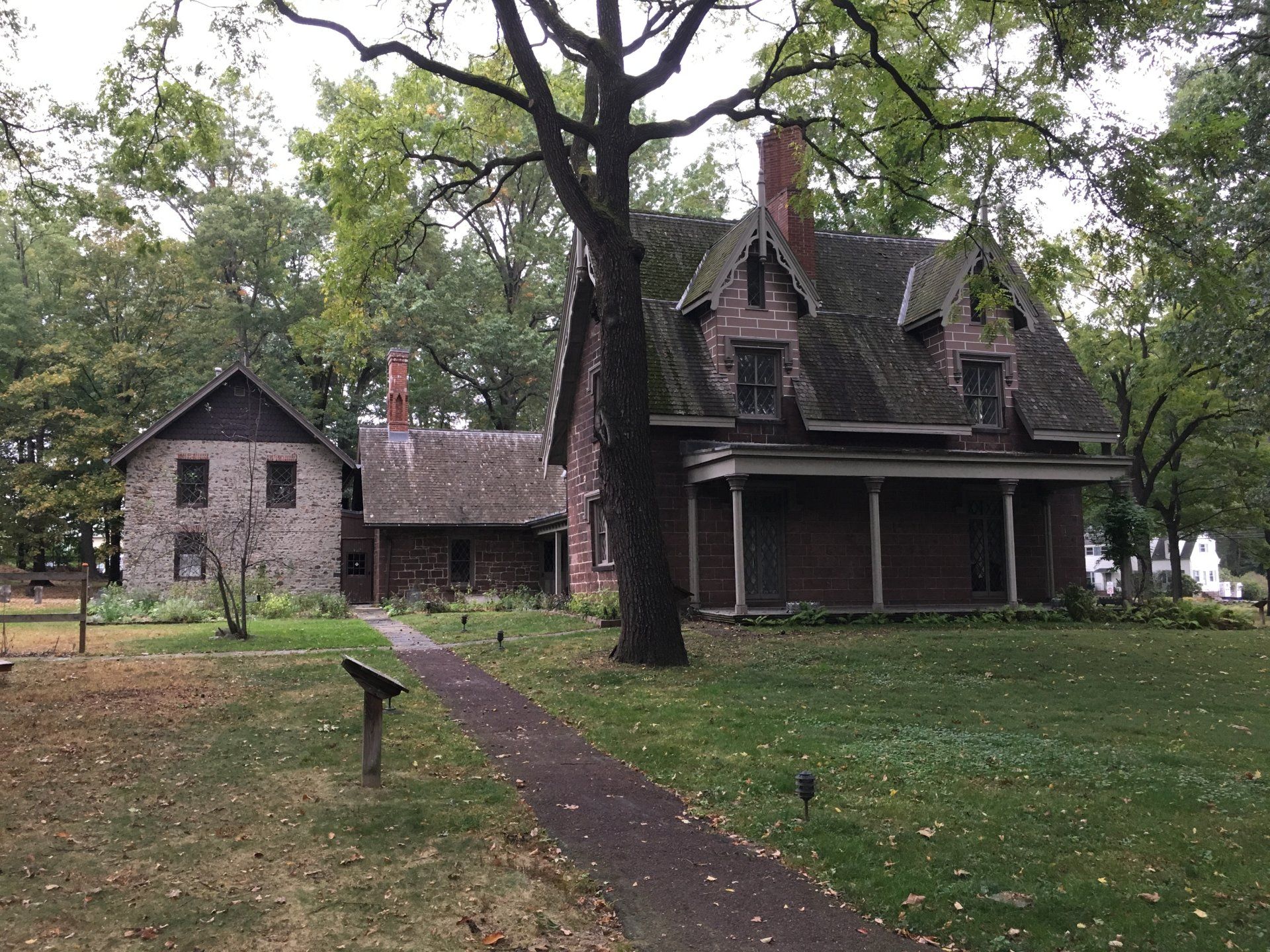
The Ho-Ho-Kus Inn, a tavern dating to 1796, and The Hermitage — a National Historic Landmark with ties to the Revolutionary War — give the borough a sense of place that newer suburbs simply cannot replicate. NJ Transit's Main Line provides direct rail access to New York Penn Station, making the daily commute genuinely manageable. The Ho-Ho-Kus School District serves students through eighth grade, feeding into Northern Highlands Regional High School. For buyers exploring ho ho kus homes for sale, this is a borough where history, prestige, and convenience converge — and where that combination shows no signs of fading.


Community Profile

Tucked into Bergen County just 25 miles from Midtown Manhattan, this small but remarkable borough punches far above its weight in virtually every measure of prosperity and stability. With a population of just 4,270 and a median age of 41.4 years, Ho-Ho-Kus strikes an appealing generational balance — nearly 29% of residents are under 20, signaling a thriving community of young families, while an established cohort of long-term homeowners lends the borough its deep-rooted, neighborly character.

The economic profile here is extraordinary by any benchmark. The median household income reaches $250,001 — more than three times the national median — and a remarkable 86% of households earn six figures or more. That wealth is grounded in genuine professional achievement: 82.6% of residents hold a bachelor's degree or higher, compared to roughly 33% nationally, and 41.7% have earned a graduate degree. With an unemployment rate of just 1.7% and a reported poverty rate of 0%, the community's financial health is as stable as it gets.

Homeownership defines life here — 92.5% of occupied units are owner-occupied, nearly 30 points above the national average, reflecting the deep commitment residents make when they put down roots. Those roots are valuable: the median home value stands at $1,127,522, a testament to sustained demand and exceptional quality of life. For buyers exploring ho ho kus homes for sale, the average commute of 33.8 minutes into the New York metro and a near-zero uninsured rate of 0.3% round out a profile that is, simply put, among the most compelling in New Jersey.

Things to Do

Arts & Culture

Ho-Ho-Kus punches well above its weight when it comes to cultural and historical attractions. The Hermitage, a National Historic Landmark on North Franklin Turnpike, is the borough's crown jewel — a Gothic Revival house museum with roots stretching back to the 1760s. George Washington stopped here in 1780, and the property later became home to Aaron Burr's stepdaughter, Theodosia Bartow Prevost. The Hermitage hosts guided tours, seasonal events, and living history programs that bring Bergen County's colonial and Revolutionary War past vividly to life. Equally storied is the Ho-Ho-Kus Inn & Tavern, a landmark establishment dating to 1796 that has evolved into a beloved fine-dining destination while retaining its historic character and charm.

Outdoor Recreation

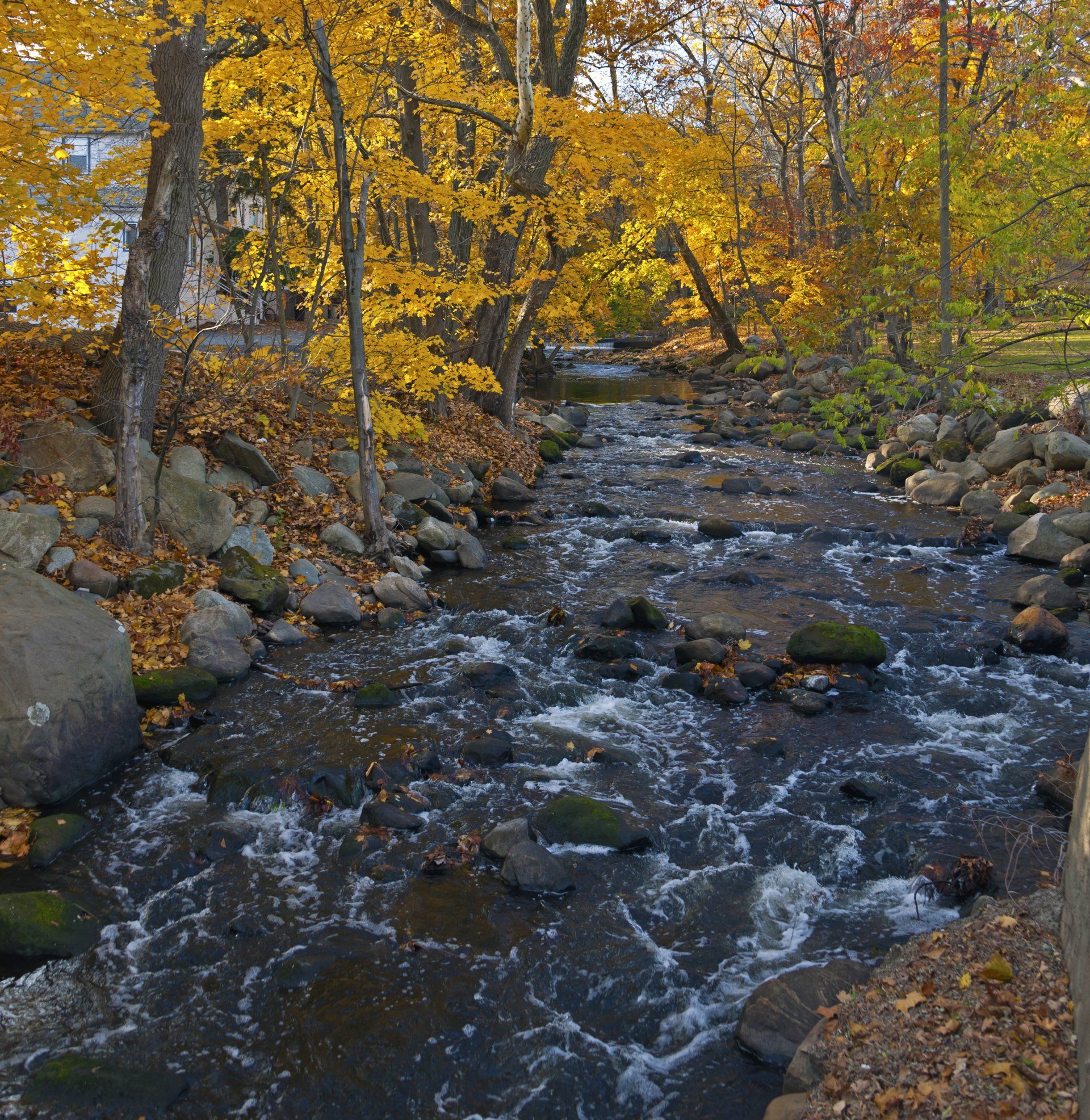
Despite covering just 1.75 square miles, Ho-Ho-Kus offers genuine natural beauty. Zabriskie Park is a local favorite, providing open green space for families, dog walkers, and anyone seeking a quiet escape from the suburban bustle. The Ho-Ho-Kus Brook winds through the heart of the borough, offering a scenic backdrop for strolling along its banks — a peaceful reminder of the landscape that drew Lenape people and Dutch settlers to this land centuries ago. The broader Bergen County park system, including the expansive Saddle River County Park, is easily accessible nearby, with paved trails ideal for cycling, jogging, and picnicking along the Saddle River corridor.

Dining & Shopping

The borough's compact downtown, centered around Sheridan Avenue near the train station, offers a walkable mix of boutique shops, cafés, and neighborhood dining. The intimate scale of Ho-Ho-Kus gives it a genuine small-town character rarely found this close to New York City — just 20 miles to the southeast. Neighboring Ridgewood, minutes away, expands the options considerably with its vibrant downtown restaurant scene and independent retail shops.

Family Activities & Community Events

Ho-Ho-Kus has a strong community identity, with seasonal events, holiday celebrations, and local gatherings that reflect its tight-knit, family-oriented character. Youth sports leagues, school events, and community programming keep residents engaged year-round. For those exploring ho ho kus homes for sale, the quality of everyday life here — safe streets, excellent schools, and a genuine neighborhood feel — is every bit as compelling as the real estate itself.

Latest Properties in Ho-Ho-Kus

Loading...

Loading latest properties...

See All Properties in Ho-Ho-Kus

History

From Lenape Land to Landmark Borough

Long before the first European settlers arrived, the Ho-Ho-Kus Brook drew Lenape people to this corner of Bergen County, and the land's indigenous name — most likely derived from the Munsee term "Mah-Ho-Ho-Kus," meaning "the red cedar" — has endured for centuries. Dutch colonists, including the Hopper family who arrived around 1712, established farms in what they called Hoppertown, laying the agricultural foundations of a community that would grow slowly but with deep roots. By the mid-18th century, the area had produced one of New Jersey's most significant landmarks: The Hermitage, built around 1760, which hosted George Washington in 1780 and stands today as a National Historic Landmark.

The arrival of rail service in 1848 via the Ramapo and Paterson Railroad quietly transformed Ho-Ho-Kus from farmland into a commuter enclave, a role it has never relinquished. The borough was formally incorporated on October 12, 1908 — renamed by referendum from the short-lived Orvil Borough, itself created in 1905 — with residents deliberately choosing the hyphenated, indigenous-rooted name to assert a distinct identity separate from neighboring Hohokus Township.

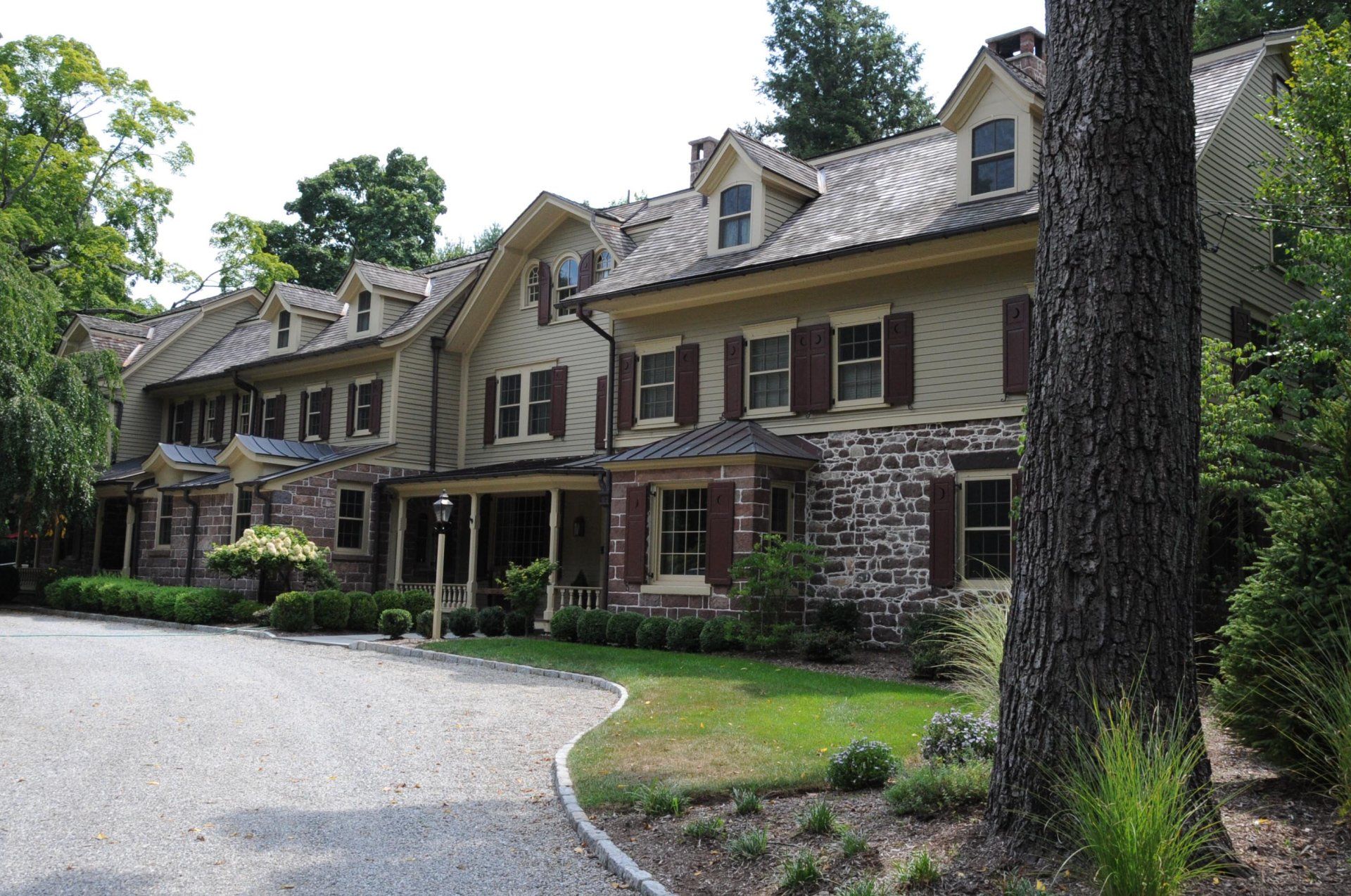
That sense of deliberate, carefully preserved character defines the real estate market today. The borough's 1.75 square miles were never surrendered to dense development, and the low-density residential fabric established in the early 20th century remains largely intact. For buyers exploring ho ho kus homes for sale, what they find is the direct inheritance of that history: tree-lined streets, gracious older homes, and a community of just over 4,200 residents where the median home price now exceeds $1.1 million.

Weather

Ho-Ho-Kus experiences a humid continental climate, characteristic of northern New Jersey's inland Bergen County location. Sitting roughly 20 miles northwest of New York City and well removed from direct coastal moderation, the borough sees four genuinely distinct seasons with meaningful temperature swings throughout the year.

Summers are warm and humid, with daytime highs typically ranging from the mid-80s°F and occasional stretches pushing into the low 90s. Overnight lows generally settle in the mid-60s. Winters are cold and snowy, with average highs in the mid-30s°F and lows that frequently dip into the teens and low 20s during the coldest stretches of January and February. Snowfall is a reliable seasonal reality, with nor'easters and Alberta Clippers periodically delivering significant accumulation.

Precipitation is fairly well distributed across all four seasons, averaging roughly 45–50 inches annually, with spring and summer thunderstorms contributing meaningfully to the yearly total. The nearby Ramapo Mountains to the northwest can enhance snowfall totals and occasionally funnel cold air into the region.

For those exploring ho ho kus homes for sale, climate plays a practical role in homeownership decisions. Mature tree canopies — a hallmark of the borough's residential streets — provide natural summer shade but demand attentive fall cleanup. Heating costs are a genuine budget consideration, and homes with updated insulation and efficient HVAC systems carry added appeal. Generous lots and outdoor living spaces are highly valued here, making the warm months from late spring through early fall a centerpiece of neighborhood life.

Ho-Ho-Kus Market Analytics

The Ho-Ho-Kus housing market is showing signs of steady growth, with the average home value increasing by 8.8% over the past year to $1,237,143, indicating a strong demand for homes in this area, and as a trusted real estate market analyst at Opulist, I can help you navigate this market and make informed decisions. This upward trend suggests that the market is still favoring sellers, but with the right guidance, buyers can also find great opportunities. Overall, the Ho-Ho-Kus market is experiencing a period of stability and growth, making it an attractive option for both buyers and sellers.


1-Year Home Value Change: +8.8%

Ho-Ho-Kus Home Value Index over time.

Can I Afford Ho-Ho-Kus?
$
%
$0
Est. Monthly Payment
$0/yr
Salary Required

*Principal & interest only. Salary based on 28% debt-to-income ratio.

Get Pre-Approved for Ho-Ho-Kus