
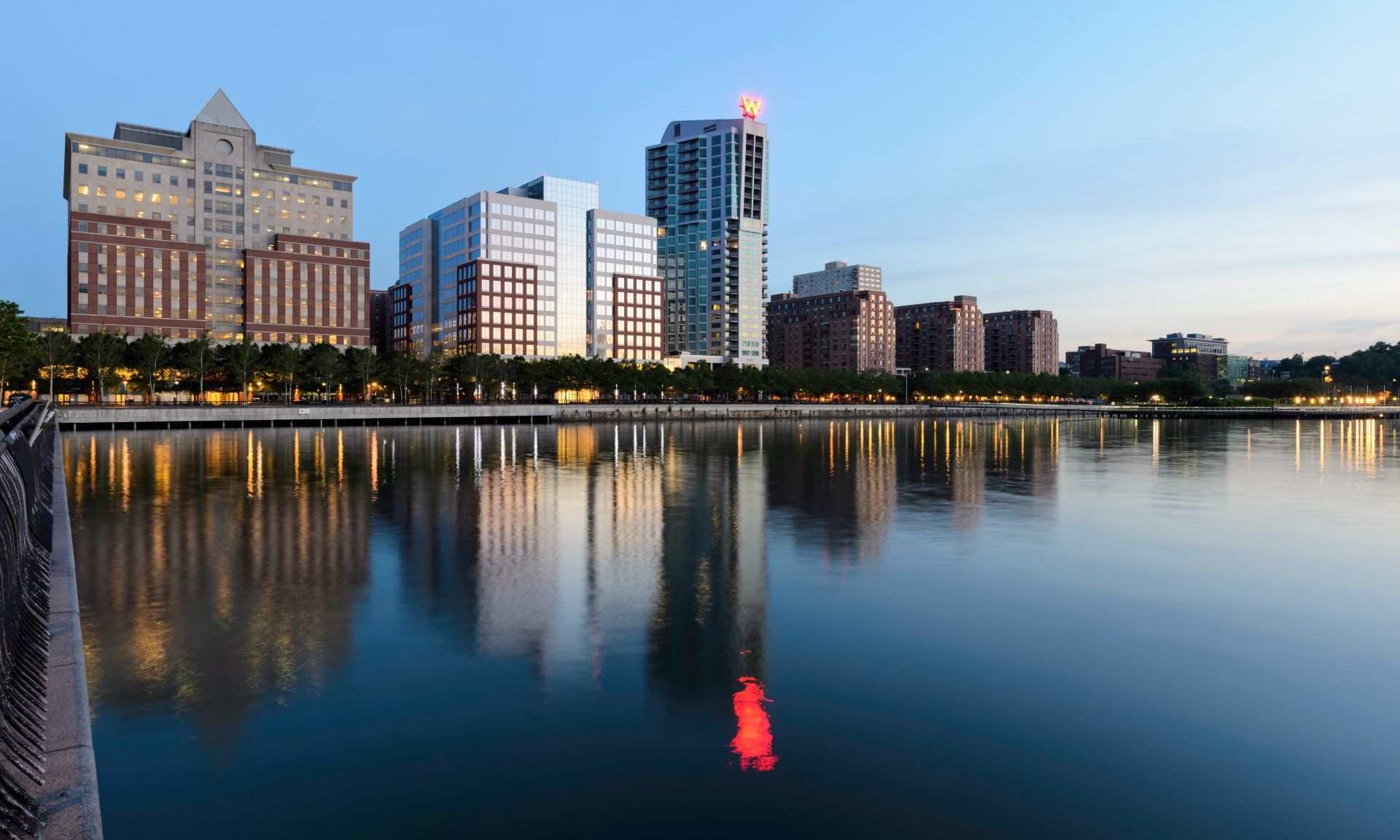
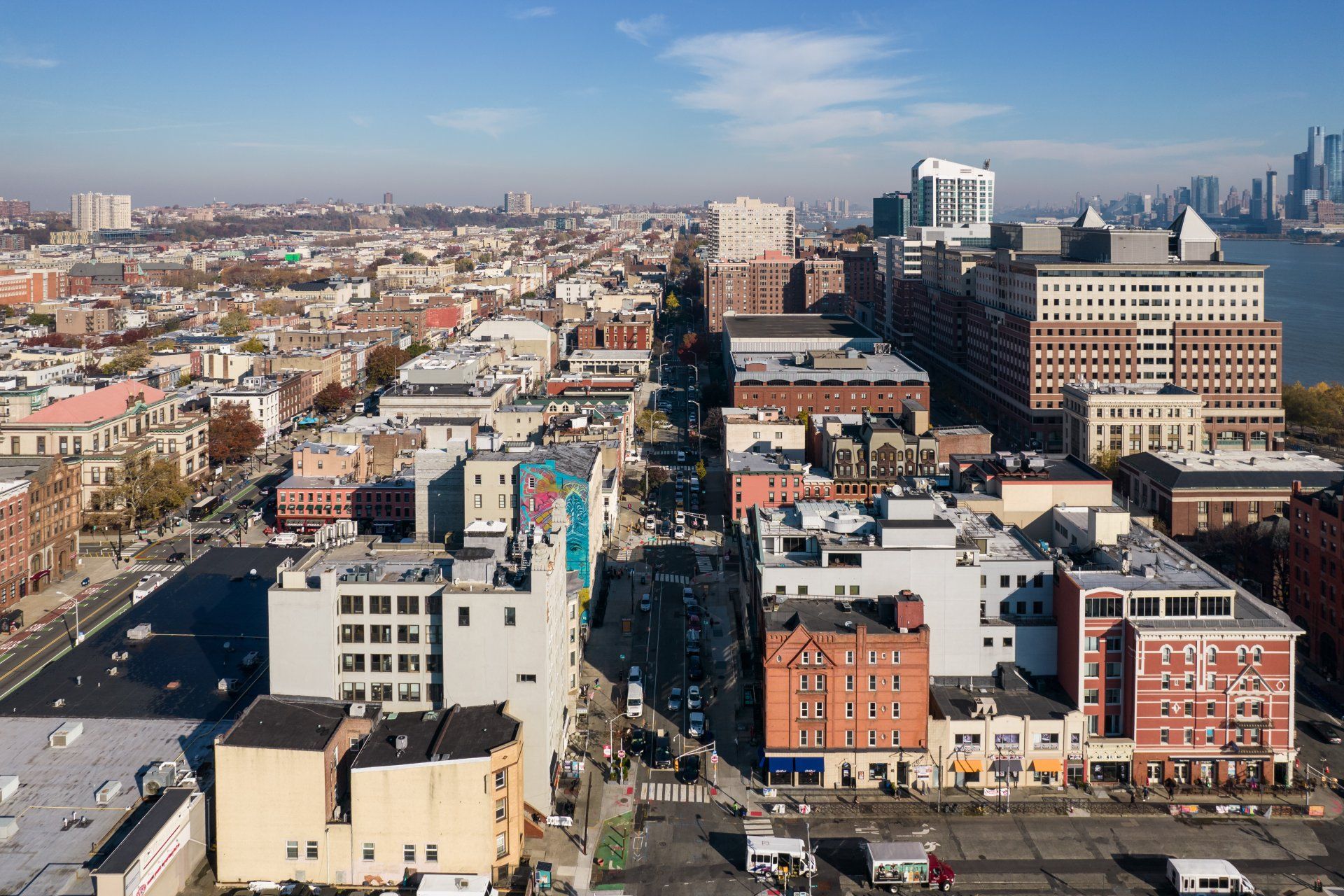
Situated on a single mile of Hudson River waterfront in Hudson County, Hoboken, New Jersey packs more history, density, and earning power into its 1.25 square miles than almost any other city in America. This is where the first officially recorded baseball game under modern rules was played at Elysian Fields in 1846, where Frank Sinatra was born and raised, and where Stevens Institute of Technology has trained engineers and scientists since 1870. What sets Hoboken apart from neighboring Jersey City to the south and Weehawken to the north is its rare combination of a walkable, self-contained street grid and direct access to Midtown Manhattan via the PATH train at Hoboken Terminal — a commute measured in minutes, not hours. With a median household income of $176,943 and a median age of just 31.9, the city draws ambitious professionals who want Manhattan proximity without sacrificing a genuine neighborhood feel. Whether you're exploring hoboken apartments for a first purchase or evaluating long-term investment potential, Hoboken's constrained land supply and sustained demand make it one of the most compelling real estate markets on the East Coast.
Welcome to Hoboken
Community Profile
One of the most energetic and affluent communities on the East Coast, this one-square-mile city packs an extraordinary concentration of talent, income, and ambition into its compact footprint. With a median age of just 31.9 years — well below the national average of 38.5 — Hoboken skews decisively young, with 28.5% of residents in their 30s and another 25% in their 20s. Young professionals and growing families dominate the landscape, reflected in an average family size of 2.72 and a striking 71.6% of families bringing home dual incomes.
That earning power is exceptional by any measure. The median household income here reaches $180,579 — more than double the national median — and a remarkable 70.8% of households clear six figures annually. The individual median income of $100,744 speaks to a workforce that is highly credentialed: 82.6% of residents hold at least a bachelor's degree, more than twice the national rate, and 44.3% have backgrounds in STEM fields. Graduate degrees are held by 32% of the population, underscoring a community where intellectual capital is the norm.
While those exploring hoboken nj apartments for rent will find a median rent of $2,938, the city's strong incomes keep rent burden at a manageable 24.1% of household earnings — a healthy ratio for a gateway city to Manhattan. With a low uninsured rate of just 3.2% and a labor force participation rate of 81.9%, Hoboken's residents are financially secure, professionally engaged, and deeply invested in the community they call home.
Things to Do
Outdoor Recreation & Waterfront
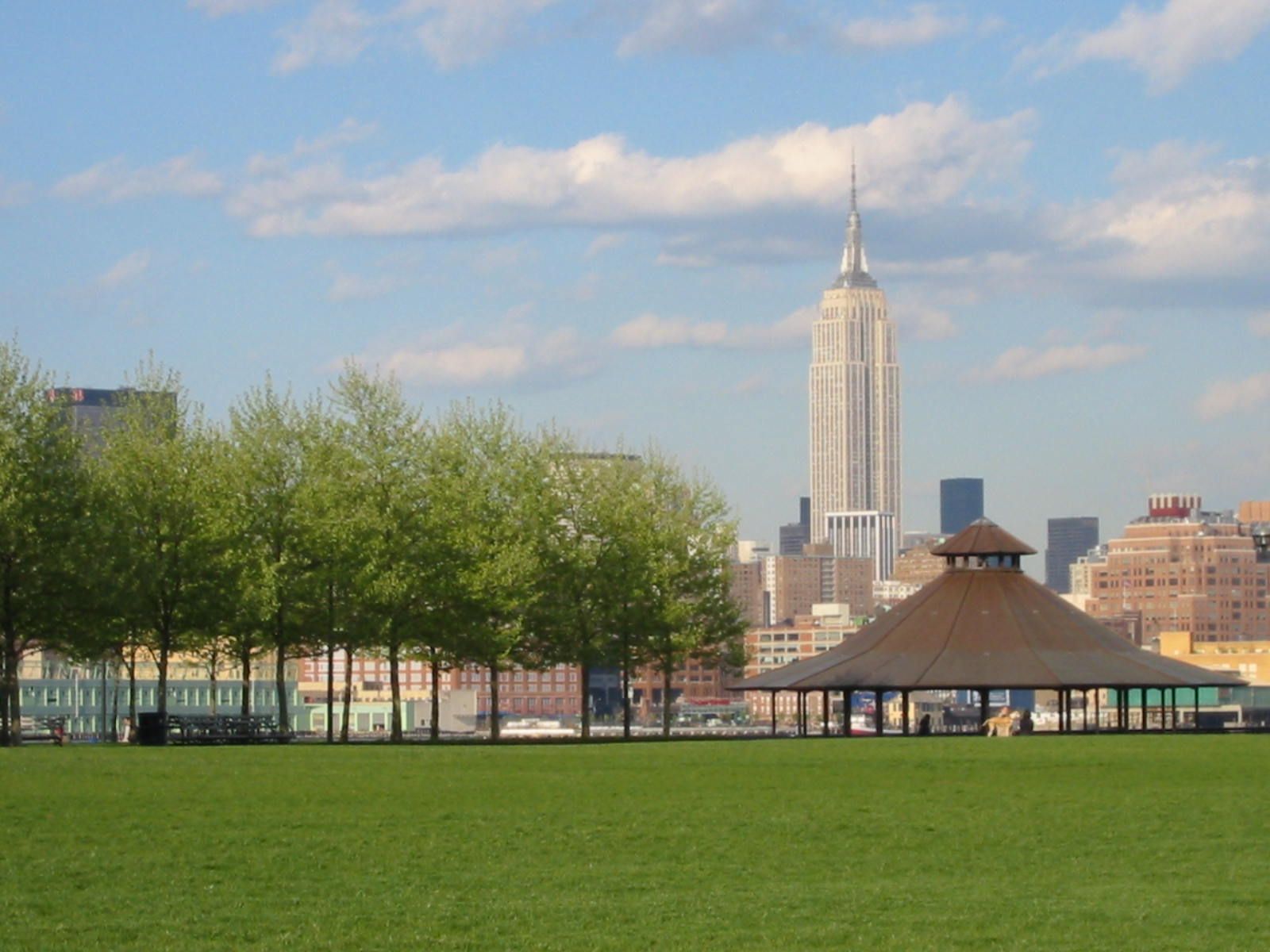
Hoboken's position along the Hudson River is one of its greatest assets, and the city makes the most of every inch of its 1.25-square-mile footprint. Pier A Park and the adjoining Hudson River Waterfront Walkway offer sweeping views of the Manhattan skyline, making them among the most scenic urban green spaces in the entire metro area. Sinatra Park, named for Hoboken's most famous native son, Frank Sinatra, sits right along the waterfront and is a beloved gathering spot for joggers, families, and weekend picnickers. Stevens Park at Castle Point — perched on the highest elevation in the city — rewards visitors with panoramic river views that stretch from the George Washington Bridge to Lower Manhattan. History buffs will want to seek out Elysian Fields, the site where the first officially recorded organized baseball game was played on June 19, 1846.
Dining & Nightlife
Washington Street is Hoboken's main commercial artery, lined with an impressive variety of restaurants, wine bars, and casual eateries that cater to the city's young, affluent population. From brunch spots packed on Sunday mornings to late-night cocktail bars buzzing with energy, the dining scene here punches well above its weight for a city this size. The neighborhood's mix of Italian-American heritage and contemporary culinary trends means you'll find everything from old-school red-sauce joints to modern farm-to-table menus within a few blocks. Those searching for hoboken nj apartments often cite the walkable restaurant scene as one of the city's top selling points.
Arts & Culture
The Hoboken Historical Museum chronicles the city's rich industrial and immigrant heritage, from its days as a transatlantic port to its role in American baseball history. Stevens Institute of Technology, founded in 1870 on the former Stevens family estate, anchors an intellectual and cultural presence on the Castle Point bluff, hosting public lectures, gallery exhibitions, and community events throughout the year.
Family Activities & Annual Events
Hoboken's compact layout makes it exceptionally family-friendly, with multiple playgrounds and community recreation centers spread throughout the city. The annual Hoboken Arts & Music Festival draws large crowds each spring to Washington Street, while summer brings outdoor movie nights and concerts along the waterfront. The city's proximity to Manhattan — just one stop on the PATH train — means world-class museums, theaters, and sporting venues are never more than 15 minutes away, making an apt in hoboken nj a gateway to the best of both cities.
History
From Lenape Homeland to Manhattan's Most Coveted Neighbor
Long before the first hoboken apartments appeared on the Hudson waterfront, this one-square-mile patch of New Jersey was Lenape territory — a seasonal fishing and gathering ground the indigenous people called Hopoghan Hackingh, "land of the tobacco pipe," named for the serpentine rock carved into ceremonial pipes. The first European claim came in 1609, when Henry Hudson anchored near Weehawken Cove and noted the prominent bluff at Castle Point. By 1630, Michael Pauw had received a Dutch West India Company land grant covering the area, and in 1643, Aert Van Putten built what is considered North America's first brewery just north of Castle Point — a fitting origin story for a city that would later become famous for its bar culture.
The figure who most shaped modern Hoboken was Colonel John Stevens, who purchased the roughly 564-acre tract in 1784 for 18,360 pounds sterling. Stevens and his heirs transformed the land from a rural estate into an industrial powerhouse: ferry services to Manhattan, the country's first experimental steam locomotive in the 1820s, and the Hoboken Land and Improvement Company, founded in 1838 to systematically develop the waterfront with docks, warehouses, and rail terminals. Stevens also gave Stevens Institute of Technology its founding in 1870 — the university that still anchors the Castle Point bluff today. The same waterfront that once handled Hamburg-American Line steamships and Delaware, Lackawanna and Western Railroad freight now draws buyers searching for apt in hoboken nj with Manhattan skyline views.
The 19th-century immigration waves — Irish fleeing the Great Famine in the 1840s, German craftsmen after the 1848 revolutions — built the dense, walkable street grid that defines Hoboken's neighborhoods today. Those blocks of brownstones and row houses, laid out when Hoboken was incorporated as a city in 1855, are precisely what commands a median home price of $872,100 in the present market. History here isn't backdrop — it's the product.
Weather
Hoboken's Four-Season Climate
Hoboken sits squarely within a humid subtropical climate zone (Köppen Cfa), a classification it shares with much of the New York metropolitan region. Positioned along the west bank of the Hudson River at roughly 40°N latitude, the city experiences four genuinely distinct seasons, with warm, humid summers and cold but not extreme winters.
Summer temperatures typically climb into the mid-to-upper 80s°F, with overnight lows settling in the mid-60s. The Hudson River provides a modest moderating influence, but urban heat effects — intensified by Hoboken's exceptionally dense built environment — can push heat indices noticeably higher on the most oppressive July and August days. Winters are cold and damp, with daytime highs generally in the mid-30s to low 40s°F and overnight lows dipping into the 20s. Measurable snowfall is common from December through February, though proximity to the coast and the urban heat island often means rain-snow mix events rather than heavy accumulations.
Annual precipitation is distributed fairly evenly across all seasons, averaging roughly 46–48 inches per year, with no pronounced dry season. Nor'easters are a notable hazard — Hoboken's low-lying waterfront geography made the city especially vulnerable during Superstorm Sandy in 2012, and flood risk remains a real consideration for residents evaluating hoboken nj apartments or ground-floor units near the waterfront.
For real estate purposes, the climate means meaningful heating and cooling costs year-round, a premium on good insulation and HVAC systems, and seasonal maintenance demands including weatherproofing and snow removal. Mild spring and fall conditions, however, make Hoboken's outdoor spaces and waterfront parks genuinely enjoyable for much of the year.
Hoboken Market Analytics
Can I Afford Hoboken?
Weather