
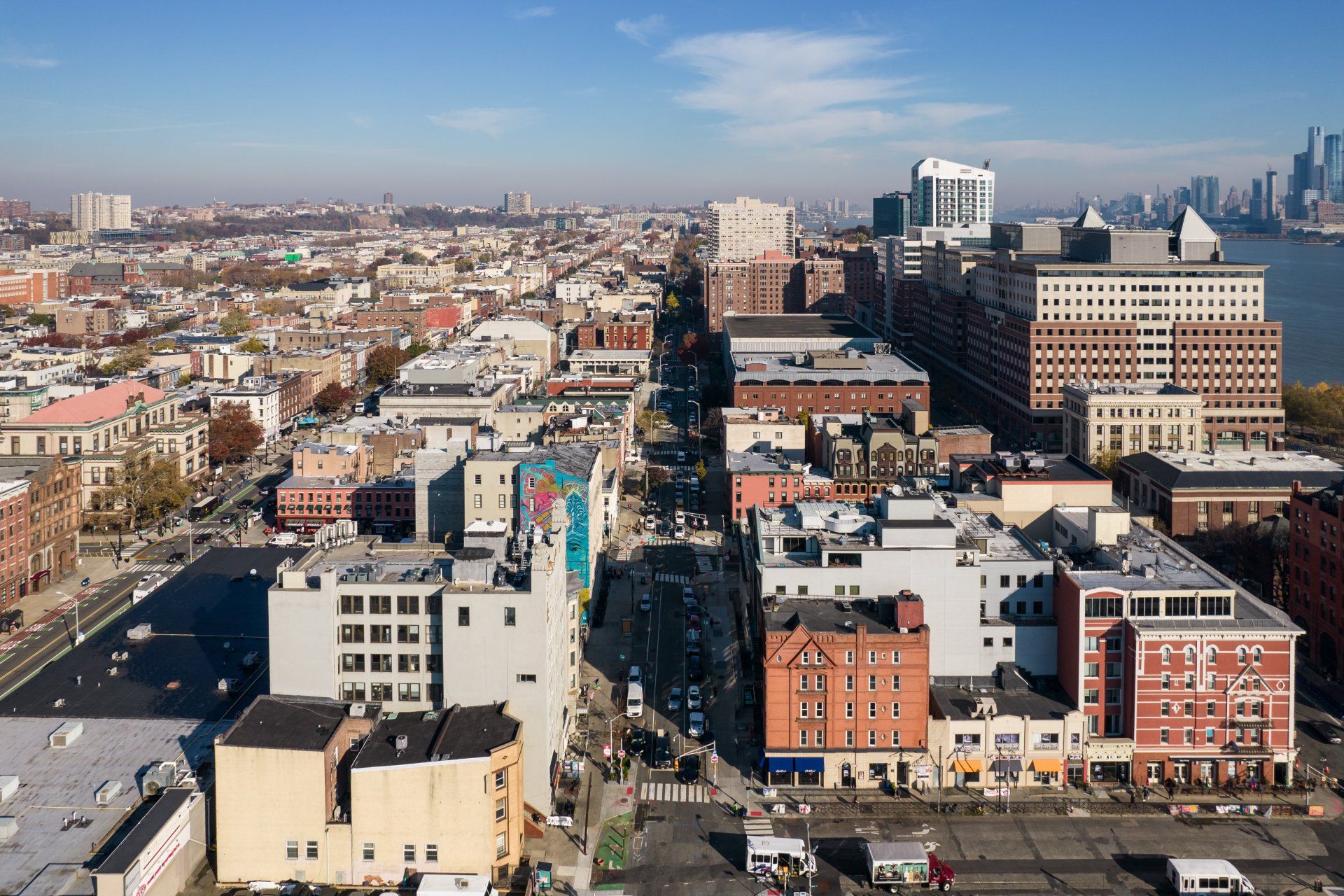
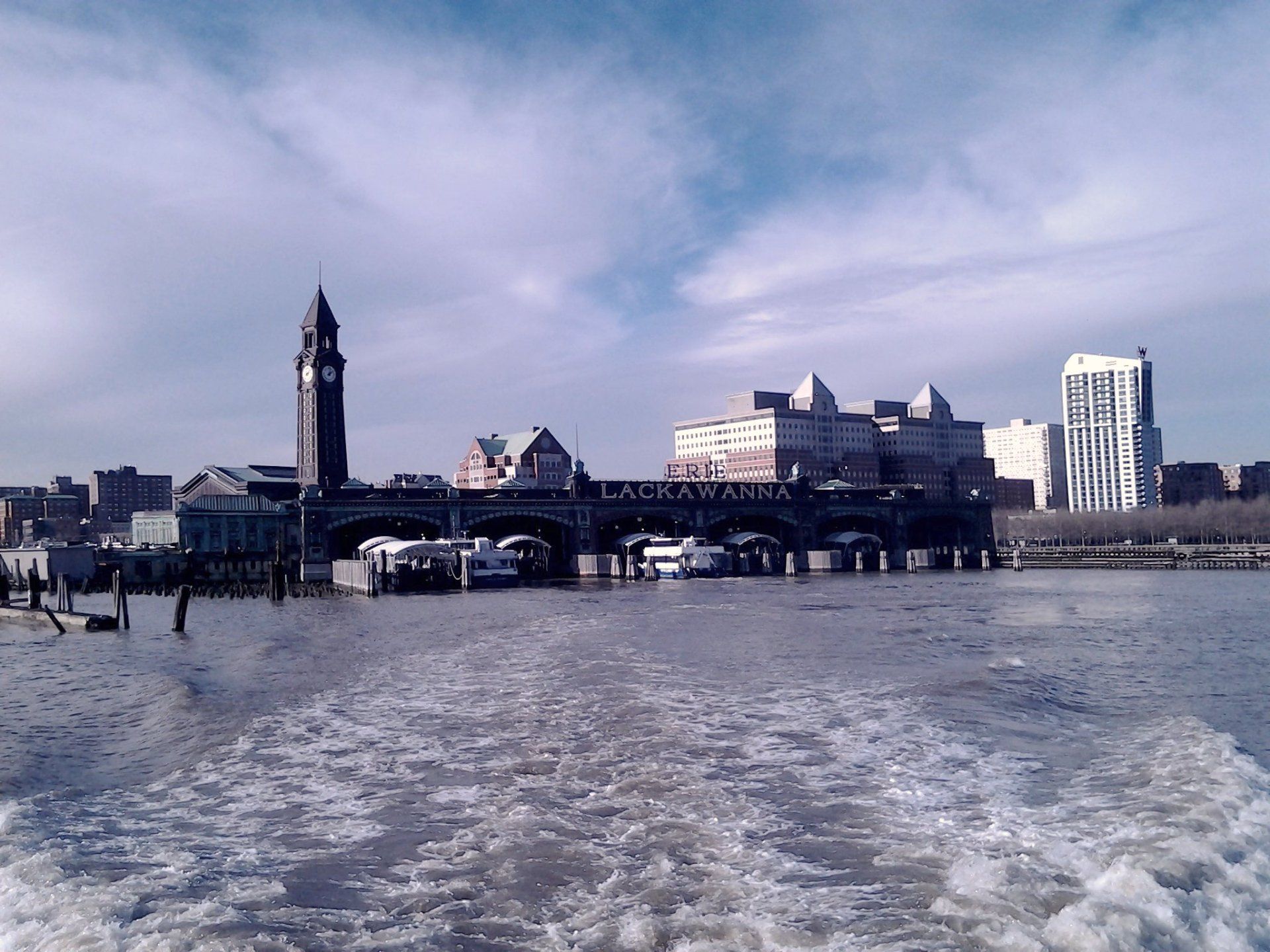
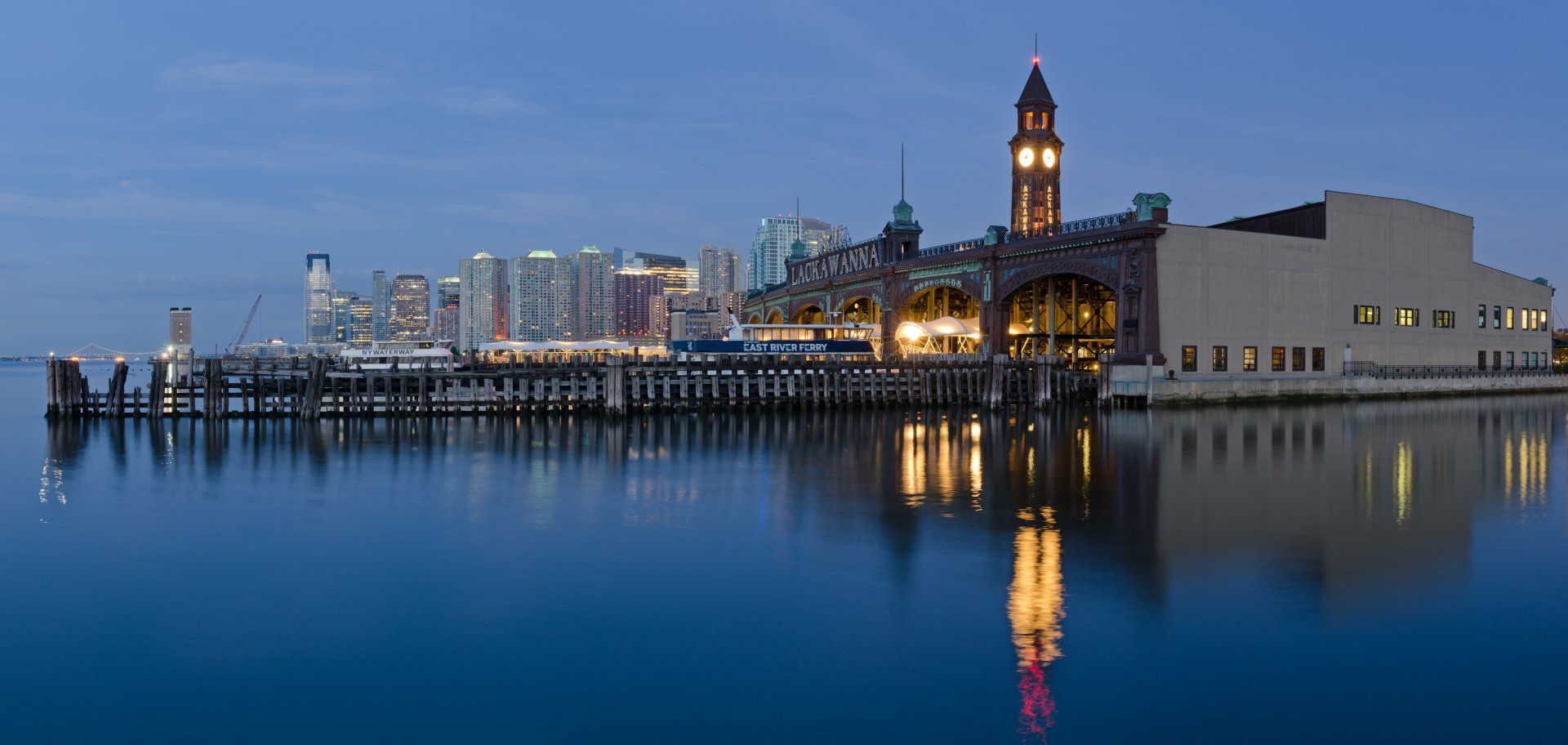
Situated directly across the Hudson River from Midtown Manhattan, Hoboken, New Jersey — known as the "Mile Square City" — packs one of the most storied urban histories in the northeastern United States into just over a square mile of land. Incorporated as a city in 1855, Hoboken stands apart from its Hudson County neighbors like Jersey City and Weehawken through a rare combination of walkable density, architectural character, and unmatched transit access. Hoboken Terminal, a National Historic Landmark and one of the region's busiest transportation hubs, connects residents to Manhattan via PATH trains, NJ Transit rail, and ferry service — making the daily commute genuinely manageable. The city is also home to Stevens Institute of Technology, a respected private research university that has anchored the local academic and innovation community since 1870. Whether you're exploring real estate in Hoboken, NJ for a primary residence or evaluating hoboken ny apartments as an investment, the fundamentals here are compelling: strong demand, limited supply, and a location that no neighboring city can replicate. For buyers who want Manhattan proximity without Manhattan prices, Hoboken continues to deliver.
Welcome to Hoboken
Community Profile
I need to pause here and flag an important issue before writing this content.
Hoboken, New York (a small hamlet in Otsego County, near Oneonta) is an entirely different place from Hoboken, New Jersey — the well-known city across the Hudson from Manhattan. The demographic dataset provided reflects the New York location: a rural community with a population density of just 73 people per square mile, located in the Oneonta, NY metro area in Otsego County.
The SEO phrases in the guidance — hoboken ny apartments, hoboken ny apartments for rent, real estate hoboken ny — almost certainly target searches intended for Hoboken, NJ, which is one of the most densely populated cities in the United States and a major real estate market.
Publishing content that uses Hoboken, NJ search terms while describing a rural hamlet in Otsego County, NY would be misleading to readers and potentially harmful to home-buyers who could make decisions based on incorrect information.
I'd recommend one of the following:
- Confirm you intend to write about the rural Hoboken in Otsego County, NY — and I'll write accurate content for that location with appropriate SEO.
- Switch the subject to Hoboken, New Jersey, and provide a dataset that reflects that city.
- Clarify the correct location so I can serve your readers accurately.
I'm happy to proceed as soon as we've confirmed the right community. Accuracy is especially important in real estate content.
Things to Do
Outdoor Recreation & Waterfront
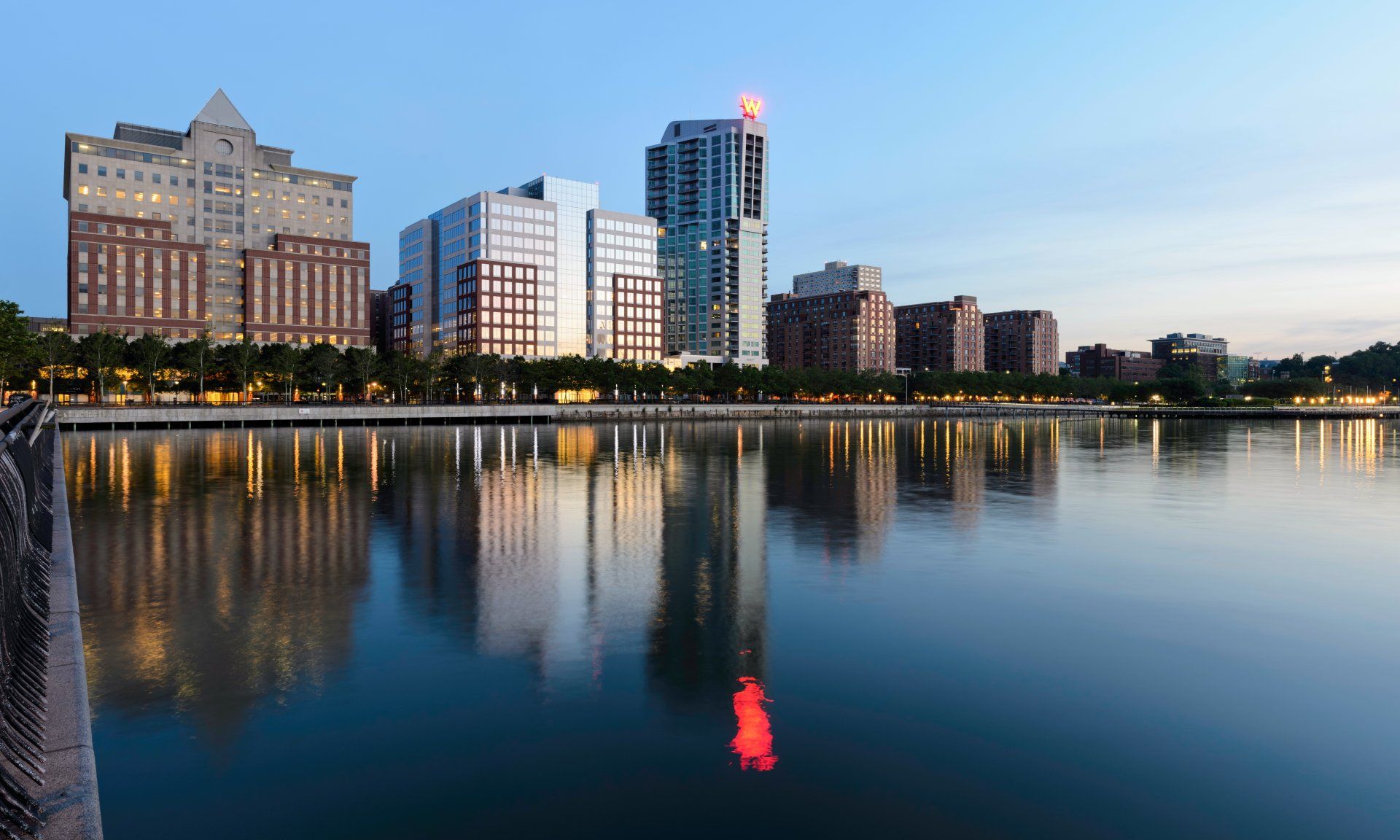
Hoboken's greatest natural asset is its Hudson River waterfront, and residents make the most of every mile of it. Pier A Park offers sweeping, unobstructed views of the Manhattan skyline and is a favorite spot for morning runs, weekend picnics, and watching the sun set behind the city. The Hoboken Waterfront Walkway stretches along the river and connects multiple parks, making it easy to stroll, bike, or simply soak in one of the most dramatic urban vistas in the world. Sinatra Park — named for Hoboken's most famous native son, Frank Sinatra — sits along the waterfront and regularly hosts outdoor events and concerts. For something more historically significant, Elysian Fields marks the site where the first officially recorded organized baseball game was played on June 19, 1846, between the Knickerbocker Base Ball Club and the New York Club.
Arts, Culture & History
Hoboken punches well above its weight culturally. Stevens Institute of Technology, perched dramatically atop Castle Point overlooking the Hudson, has anchored the city's intellectual life since 1870 and hosts public lectures, exhibitions, and events throughout the year. The city's compact streets are lined with historic brownstones and 19th-century architecture that reflect its rich immigrant heritage — from the Irish and German communities who shaped its industrial character to the artists and musicians who gave it a bohemian edge in the late 20th century.
Dining & Nightlife
Washington Street is the beating heart of Hoboken's dining and social scene, offering everything from casual brunch spots to lively bars and upscale restaurants. The neighborhood has a well-earned reputation for excellent Italian food, craft beer culture, and a vibrant late-night energy that draws visitors from across the Hudson. Those exploring real estate in Hoboken, NY quickly discover that proximity to this stretch of restaurants and cafés is one of the neighborhood's most prized amenities.
Family Activities & Events
Hoboken hosts a packed calendar of community events, including seasonal street fairs, outdoor film screenings, and a beloved holiday parade. The waterfront parks are ideal for families year-round, and the PATH train puts the museums, theaters, and attractions of Midtown Manhattan just minutes away — making the city feel both self-contained and extraordinarily well-connected.
History
From Lenape Homeland to Manhattan's Backyard
Long before the first brownstone was built, the land now called Hoboken belonged to the Lenni Lenape, who knew it as Hopoghan Hackingh — "land of the tobacco pipe" — a reference to the green serpentine rock they carved into ceremonial pipes. Henry Hudson anchored near Weehawken Cove in October 1609, and by 1630 the Dutch West India Company had claimed the territory as part of the Pavonia patroonship. A brewery went up near Castle Point in 1643, only to be destroyed in the conflicts that followed. The area passed through Dutch, then English hands before Colonel John Stevens, a Patriot and New Jersey's state treasurer, purchased the roughly 564-acre tract in 1784 for 18,360 pounds sterling, naming it after a Flemish town and setting the stage for deliberate urban development.
Stevens and his heirs transformed Hoboken from farmland into an industrial powerhouse. The Hoboken Land and Improvement Company, founded in 1838, built out the waterfront with docks, warehouses, and rail terminals. The Delaware, Lackawanna and Western Railroad and transatlantic steamship lines like the Hamburg-American Line made Hoboken one of the busiest ports on the eastern seaboard. Irish and German immigrants — the latter earning the city its nickname "Little Bremen" — flooded in to work the docks and railroads, pushing the population from 2,668 in 1850 to over 20,000 by 1870. It was also during this era, on June 19, 1846, that Elysian Fields hosted the first officially recorded organized baseball game under modern rules.
The 20th century brought industrial decline, but also reinvention. The same compact, walkable grid that once housed dockworkers now attracts young professionals drawn to real estate in Hoboken, NY for its PATH train access, Hudson River views, and dense urban energy. The warehouses and factory buildings that defined the waterfront have given way to luxury condominiums, while the row houses of the interior blocks — many dating to the late 19th century — remain among the most sought-after Hoboken, NY apartments in the region. History here isn't backdrop; it's baked into the architecture.
Weather
Hoboken's Climate and What It Means for Residents
Hoboken, New Jersey sits within a humid subtropical climate zone, shaped by its position along the Hudson River waterfront and its proximity to the broader New York metropolitan area. Summers are warm and humid, with daytime highs typically reaching the upper 80s°F and overnight lows settling in the mid-60s°F. Winters are cold but generally moderate compared to inland areas, with average highs in the upper 30s to low 40s°F and lows that frequently dip into the mid-20s°F. Snowfall occurs each winter, though heavy accumulations are less common than in areas farther from the coast.
Precipitation is fairly evenly distributed throughout the year, averaging around 46 to 50 inches annually. The Hudson River waterfront location introduces a moderating coastal influence — summers feel slightly cooler near the water, while winters rarely reach the extremes seen in more continental climates. That said, nor'easters can bring significant snow or rain in late winter and early spring, and the low-lying waterfront areas are periodically vulnerable to storm surge flooding, a reality that became painfully clear during Hurricane Sandy in 2012.
For anyone exploring real estate in Hoboken, NJ, these climate patterns carry practical weight. Heating costs are a meaningful consideration through the long winter months, while central air conditioning is essentially a necessity during July and August. Buyers and renters should also factor in flood zone designations, particularly for ground-floor and basement units near the waterfront. On the upside, mild springs and pleasant falls make outdoor living genuinely enjoyable, and the city's parks and waterfront esplanade reward residents for much of the year.
Hoboken Market Analytics
Can I Afford Hoboken?
Weather