
Hudson, New York

Location:
Hudson, NY

Welcome to Hudson

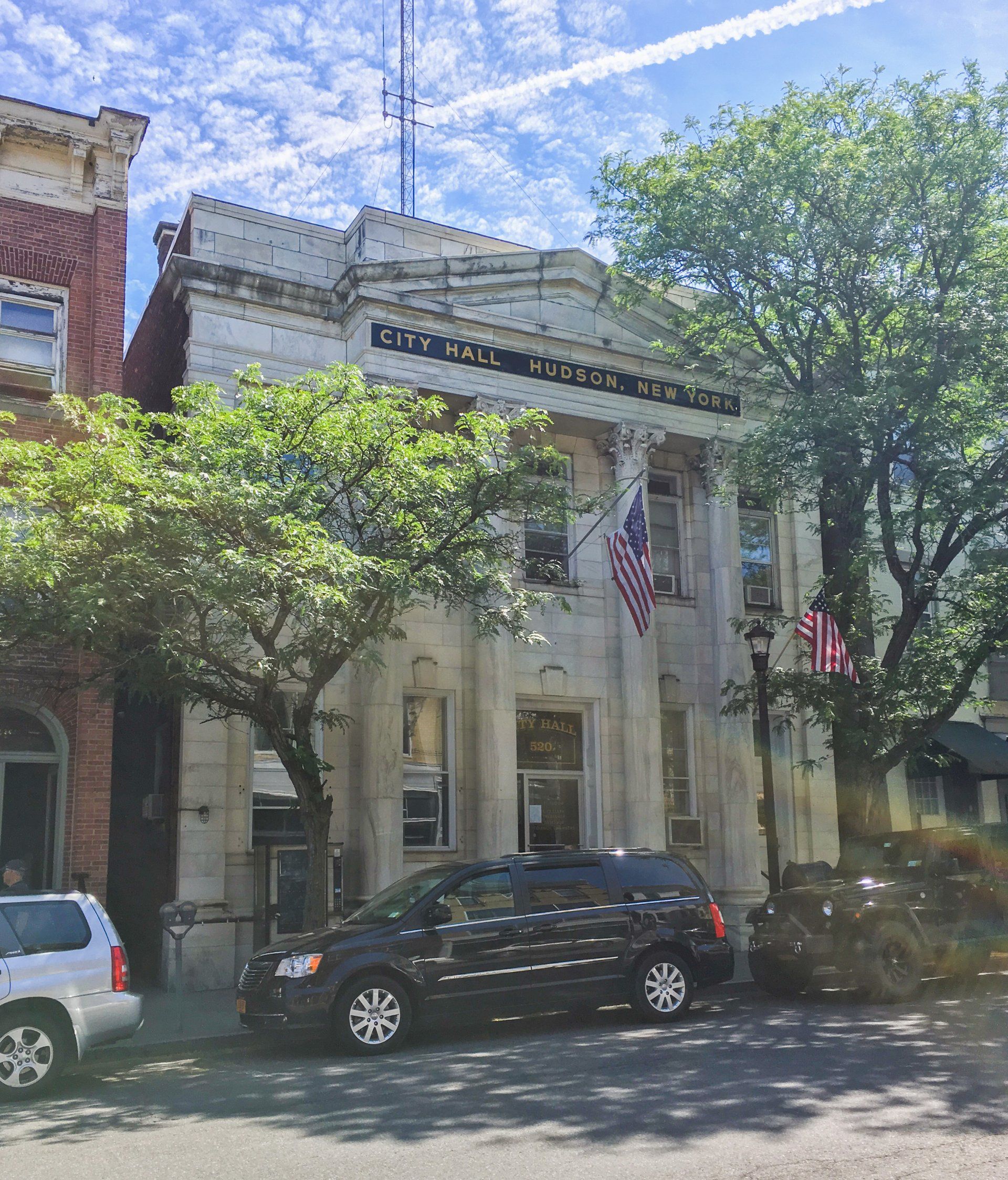
Incorporated as a city in 1785, Hudson, New York sits on the eastern bank of the Hudson River in Columbia County, roughly 120 miles north of New York City and 30 miles south of Albany. That position — close enough to the metropolitan area to draw cultural energy, far enough to maintain its own identity — is central to what makes Hudson unlike any other small city in the region. While neighboring Catskill and Kinderhook remain largely residential, Hudson has cultivated a dense, walkable downtown along Warren Street that functions as a genuine destination, drawing antique dealers, independent galleries, farm-to-table restaurants, and design-forward boutiques into its 19th-century commercial buildings.

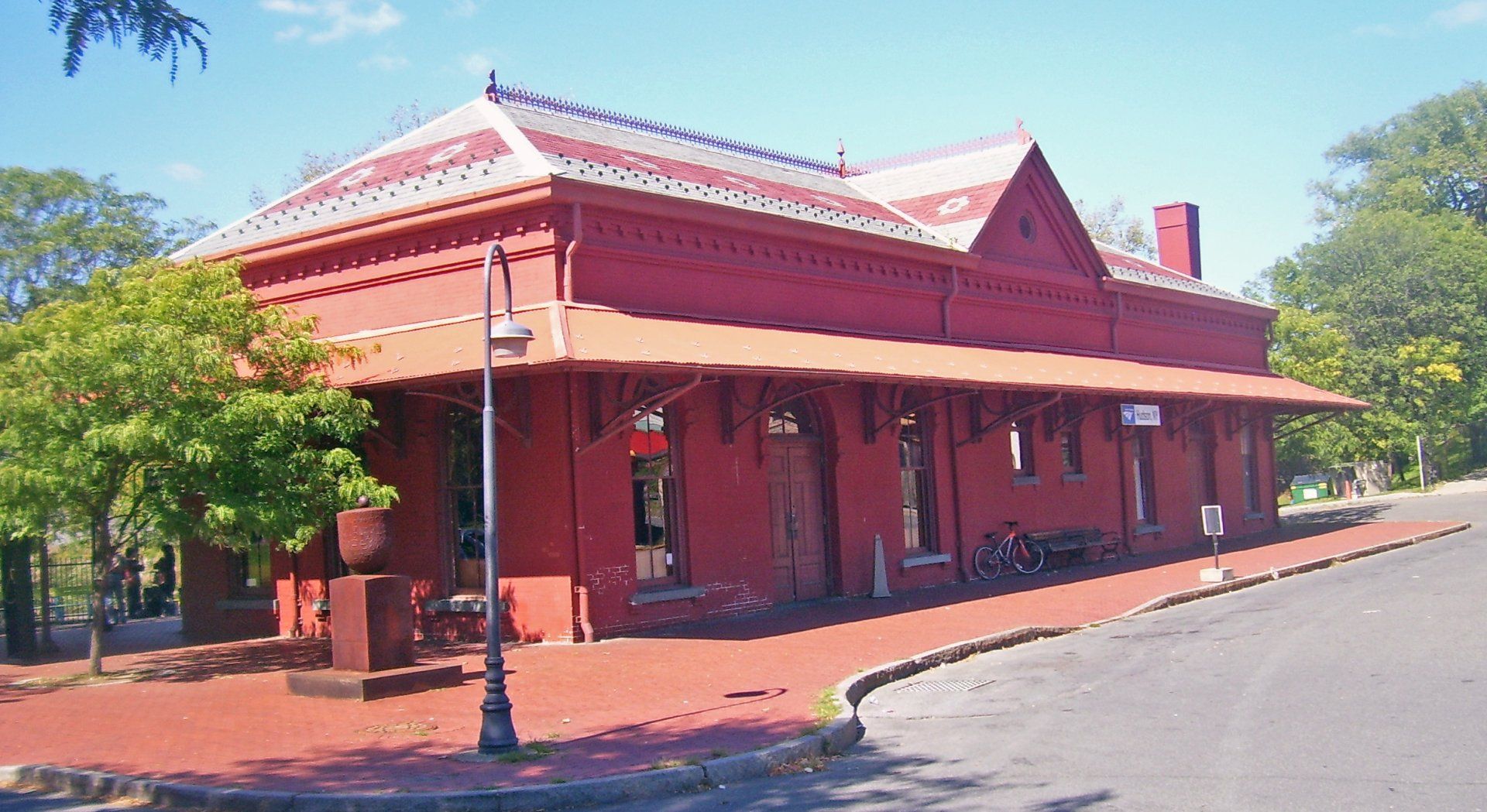
The city's Amtrak station, one of the few stops on the Empire Service line between New York Penn Station and Albany, makes Hudson unusually accessible for a city of its size — a direct train ride puts residents in Midtown Manhattan in under two hours. The Hudson City School District serves the local community, while the broader landscape offers easy access to the Catskill Mountains to the west and the Berkshires to the east.

For buyers seeking architectural character, cultural depth, and genuine transit connectivity without surrendering the pace of a small city, Hudson represents one of the most compelling opportunities in the entire Hudson Valley.


Community Profile

Compact, culturally rich, and unmistakably its own, this small Columbia County city punches well above its weight when it comes to education and diversity. 43.3% of residents hold a bachelor's degree or higher — significantly above the national average of roughly 33% — and nearly one in five holds a graduate degree (19.1%), reflecting the creative professionals, academics, and urban transplants who have made Hudson their home. The community's median age of 41.2 years skews slightly older than the national median, and a robust 17.5% of residents are 65 or older, giving the city a pleasing mix of established households and the energy of a strong 30-to-49 cohort that makes up nearly 38% of the population.

Hudson's demographic story is one of contrast and opportunity. The median home value of $389,569 — modestly above the national median — reflects genuine demand for this storied riverfront city, yet the homeownership rate of 45% sits below the national norm, signaling real room for buyers to plant roots in a market where renters still dominate. With 30.3% of households earning six figures or more, purchasing power exists across a wide spectrum. The community is meaningfully diverse, with Hispanic/Latino residents comprising 10.3% of the population, Asian residents 10.2%, and Black residents 13.1% — a mosaic that enriches Hudson's already vibrant arts and culinary scene. An average commute of just 26.6 minutes and a low uninsured rate of 3.8% round out a community profile that rewards those willing to look beyond the numbers and invest in one of the Hudson Valley's most compelling small cities.

Things to Do

Arts & Culture

Hudson, New York punches well above its weight for a city of its size when it comes to arts and culture. MASS MoCA's satellite presence and the broader Columbia County arts scene draw creative energy into the city, but Hudson's own cultural heartbeat is unmistakable. The Hudson Opera House, a beautifully restored 19th-century landmark on Warren Street, hosts live performances, gallery exhibitions, and community events throughout the year. The city's gallery scene is genuinely world-class — Warren Street is lined with contemporary art galleries, antique dealers, and design shops that attract collectors and browsers alike from New York City and beyond.

Dining & Shopping

Warren Street is the undisputed center of Hudson's culinary and retail life. This walkable main thoroughfare offers an eclectic mix of farm-to-table restaurants, wine bars, specialty coffee shops, and boutiques that reflect the city's creative, cosmopolitan character. The dining scene leans heavily on the Hudson Valley's extraordinary agricultural bounty — local farms supply kitchens with seasonal produce, artisan cheeses, and heritage meats. Weekend mornings bring locals and visitors together at the Columbia County Farmers Market, a beloved seasonal institution celebrating regional growers and makers.

Outdoor Recreation

Sitting directly on the Hudson River, the city offers genuine waterfront access and sweeping views of the Catskill Mountains to the west. Henry Hudson Riverfront Park provides a scenic spot for walking, fishing, and simply taking in the dramatic river landscape. The surrounding Columbia County countryside invites hiking, cycling, and exploration of rolling farmland. Olana State Historic Site, the stunning Persian-inspired estate of Hudson River School painter Frederic Church, sits just minutes from downtown and offers both hiking trails and extraordinary panoramic views.

Family Activities & Seasonal Events

Hudson's compact, walkable downtown makes it genuinely family-friendly. The Farmers & Artisans Market and seasonal street festivals give families plenty to explore together. The city celebrates its history with events tied to its whaling and river trading past, and the fall foliage season — typically peaking in mid-October — draws visitors from across the Northeast. Hudson is approximately two hours north of New York City by car or Amtrak train, making it an ideal weekend destination year-round.

Latest Properties in Hudson

Loading...

Loading latest properties...

See All Properties in Hudson

History

From Whaling Port to Weekend Destination: Hudson's Evolving Story

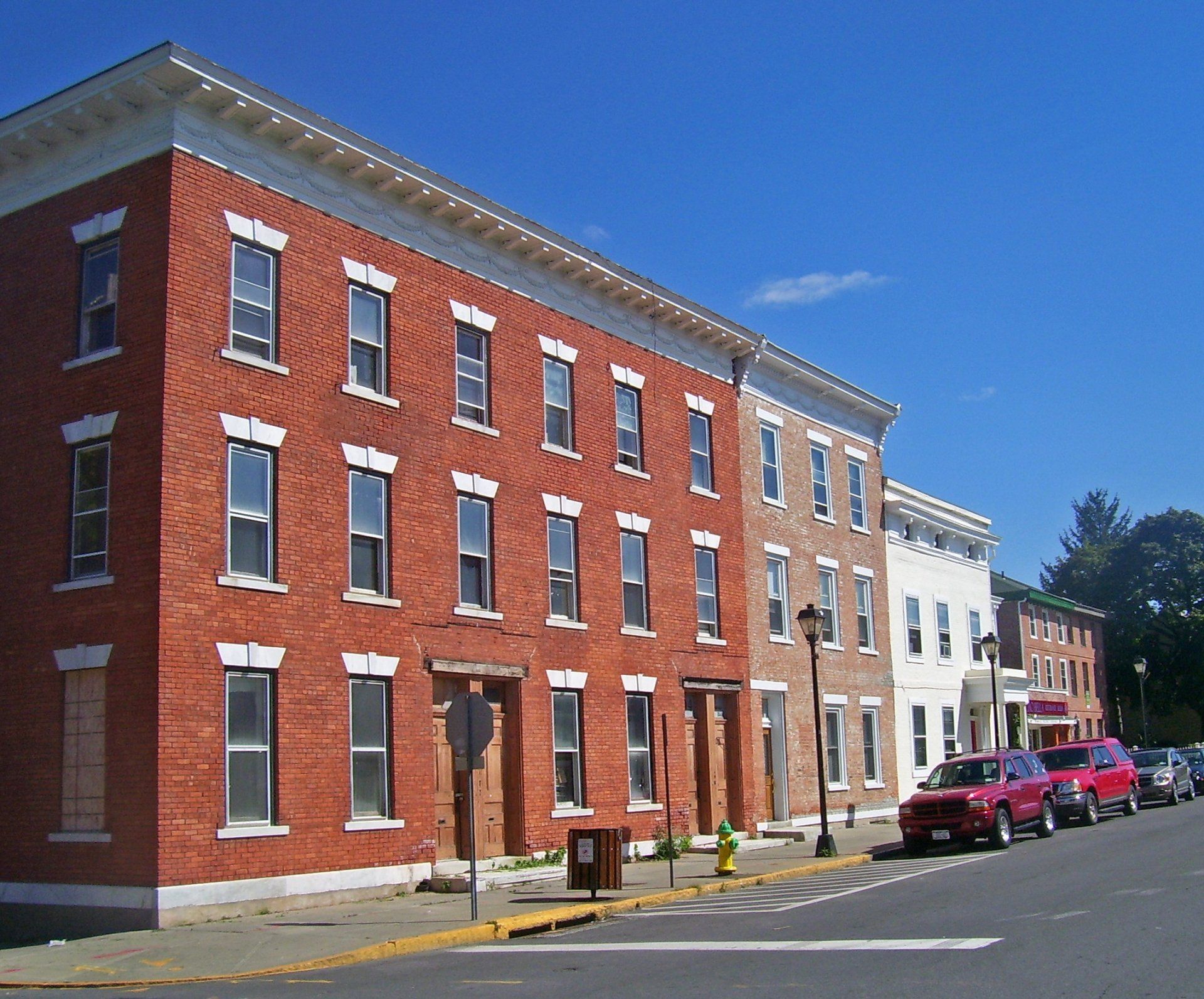
Hudson, New York earned its city charter in 1785, making it one of the earliest chartered cities in the United States — and its origins were anything but ordinary. The city was founded largely by Nantucket and Providence whalers seeking a safer inland harbor after the disruptions of the Revolutionary War. These seafarers sailed up the Hudson River and established a planned grid of streets on the bluff above the water, giving the city its distinctive bones: a compact, walkable downtown anchored by Warren Street that remains largely intact today.

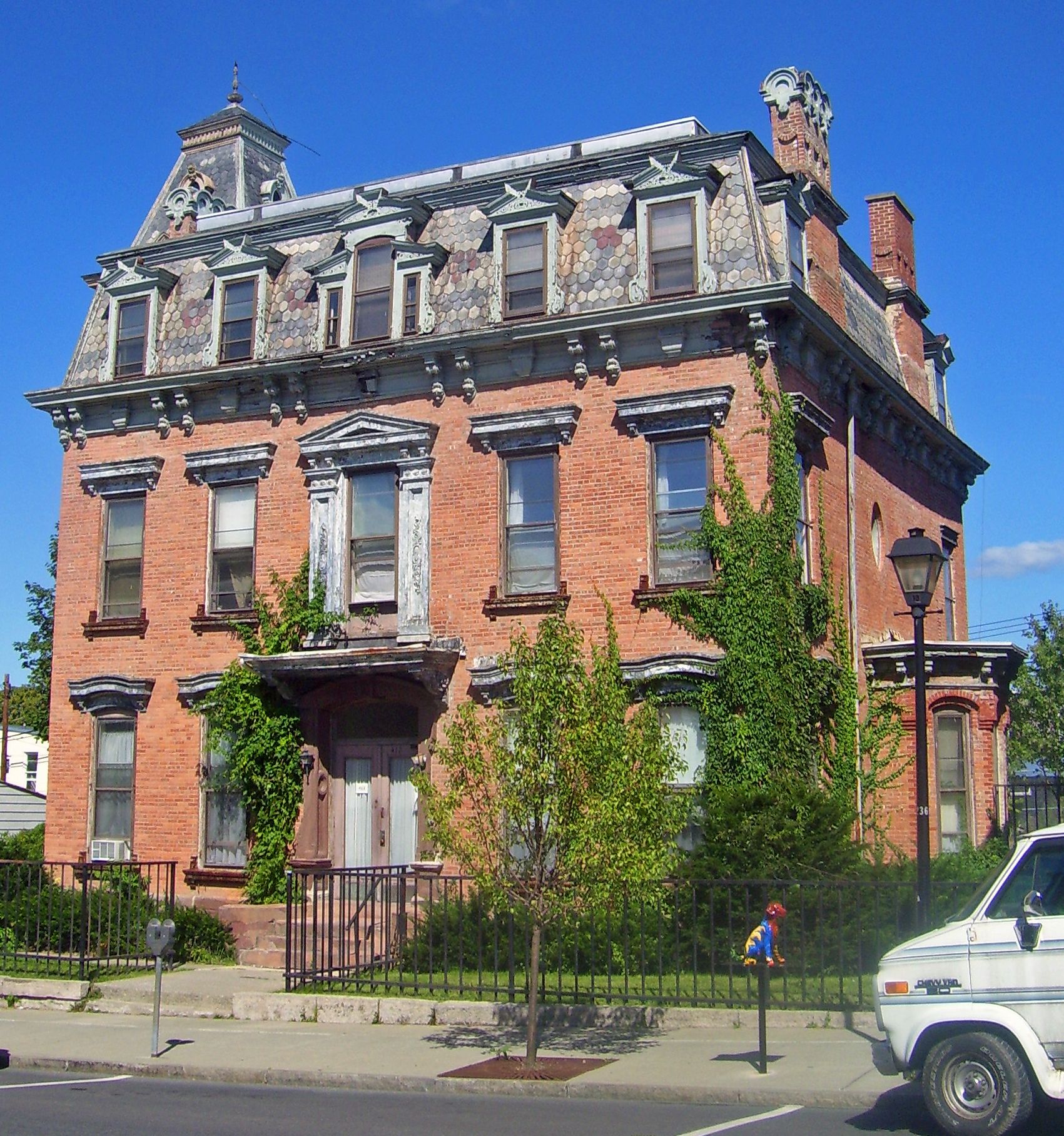
Through the 19th century, Hudson thrived as a river port and manufacturing hub, with industries ranging from iron foundries to cement production drawing workers and shaping its dense residential neighborhoods. The arrival of the railroad in 1851 reinforced Hudson's role as a regional center, and the handsome Victorian and Federal-style architecture that lines its streets reflects the prosperity of that era. Many of the brick rowhouses and merchant mansions built during this period are precisely what draws buyers today.

By the mid-20th century, Hudson had fallen into economic decline as industry retreated, leaving its architectural fabric largely undisturbed — and, crucially, affordable. Beginning in the 1980s and 1990s, artists, antique dealers, and urban transplants from New York City began arriving, drawn by cheap rents and handsome bones. Warren Street became an antiques corridor, then a destination for design-forward shops and restaurants.

That transformation accelerated dramatically after 2010 and especially following the pandemic-era migration from New York City. The same grid those Nantucket whalers laid out in 1785 now commands some of the most competitive real estate prices in the Hudson Valley, with historic homes that once sat vacant now selling well above asking price.

Weather

Four Distinct Seasons Define Life in Hudson

Hudson, New York experiences a humid continental climate, shaped by its position in the mid-Hudson Valley roughly 120 miles north of New York City. The city sits along the eastern bank of the Hudson River, and while it lacks direct coastal exposure, the river corridor and the nearby Catskill Mountains to the west play a meaningful role in local weather patterns, channeling cold air in winter and occasionally intensifying precipitation events year-round.

Summers are warm and moderately humid, with daytime highs typically ranging from the mid-70s to the upper 80s°F, while nights cool comfortably into the 50s and 60s. Winters are cold and snowy, with average highs in the low-to-mid 30s°F and lows that regularly dip into the teens. Snowfall is a reliable seasonal presence, and residents should expect several significant accumulations between December and March. Spring and autumn are genuinely beautiful — crisp, colorful, and among the most celebrated aspects of Hudson Valley living.

Annual precipitation is fairly evenly distributed throughout the year, averaging around 40–45 inches. No single season dominates the rain calendar, though nor'easters can bring heavy snow or rain in late winter and early spring.

For prospective homeowners, the climate carries real practical weight. Heating costs are a meaningful budget consideration, older homes especially benefit from proper insulation, and roofs and gutters require regular seasonal attention. On the upside, the long warm season supports generous outdoor living, and Hudson's charming streetscapes are at their most inviting from May through October.

Hudson Market Analytics

Market analytics data coming soon.
Can I Afford Hudson?
$
%
$0
Est. Monthly Payment
$0/yr
Salary Required

*Principal & interest only. Salary based on 28% debt-to-income ratio.

Get Pre-Approved for Hudson