
Inwood, New York

Location:
Inwood, NY

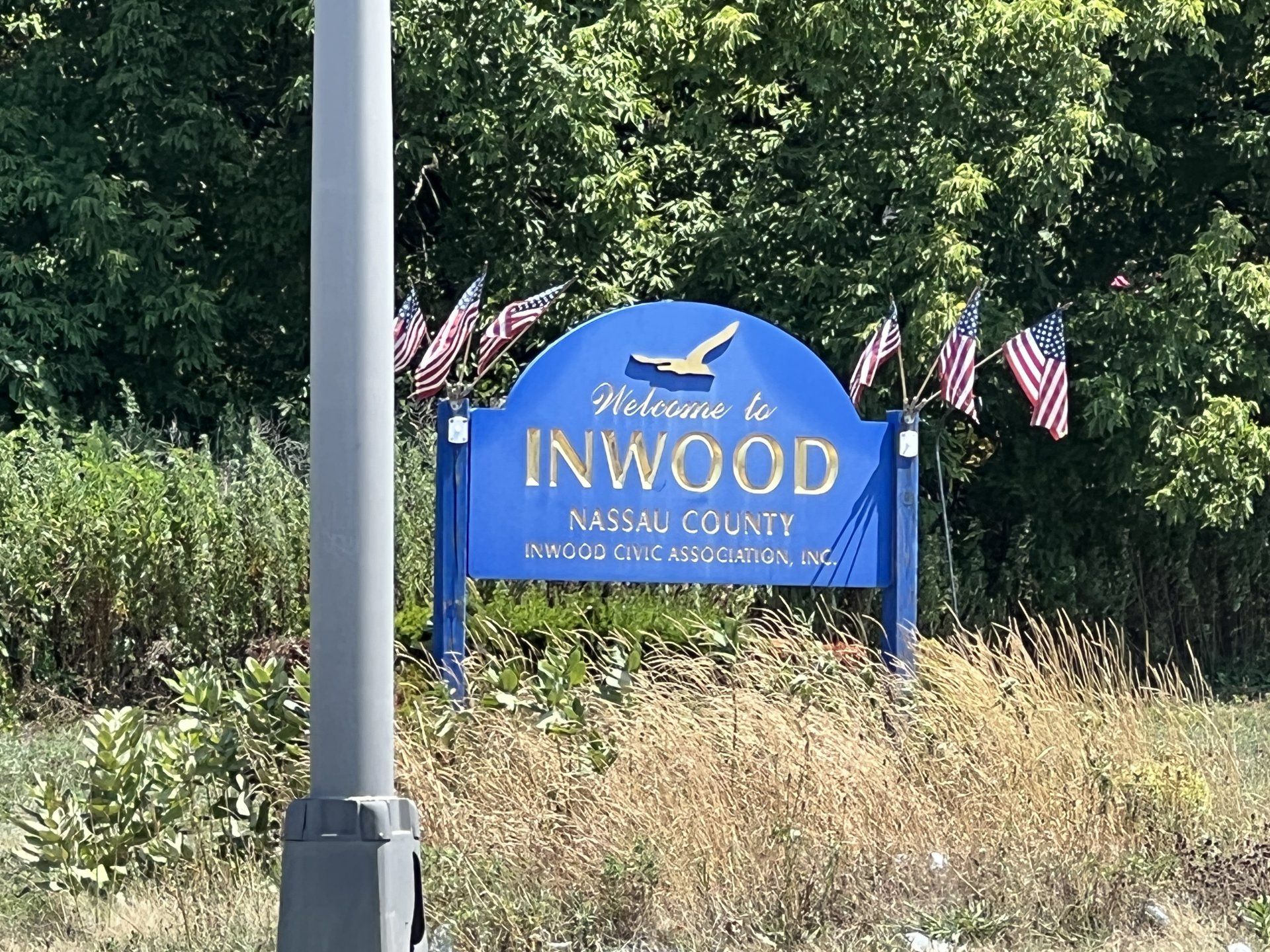
Welcome to Inwood

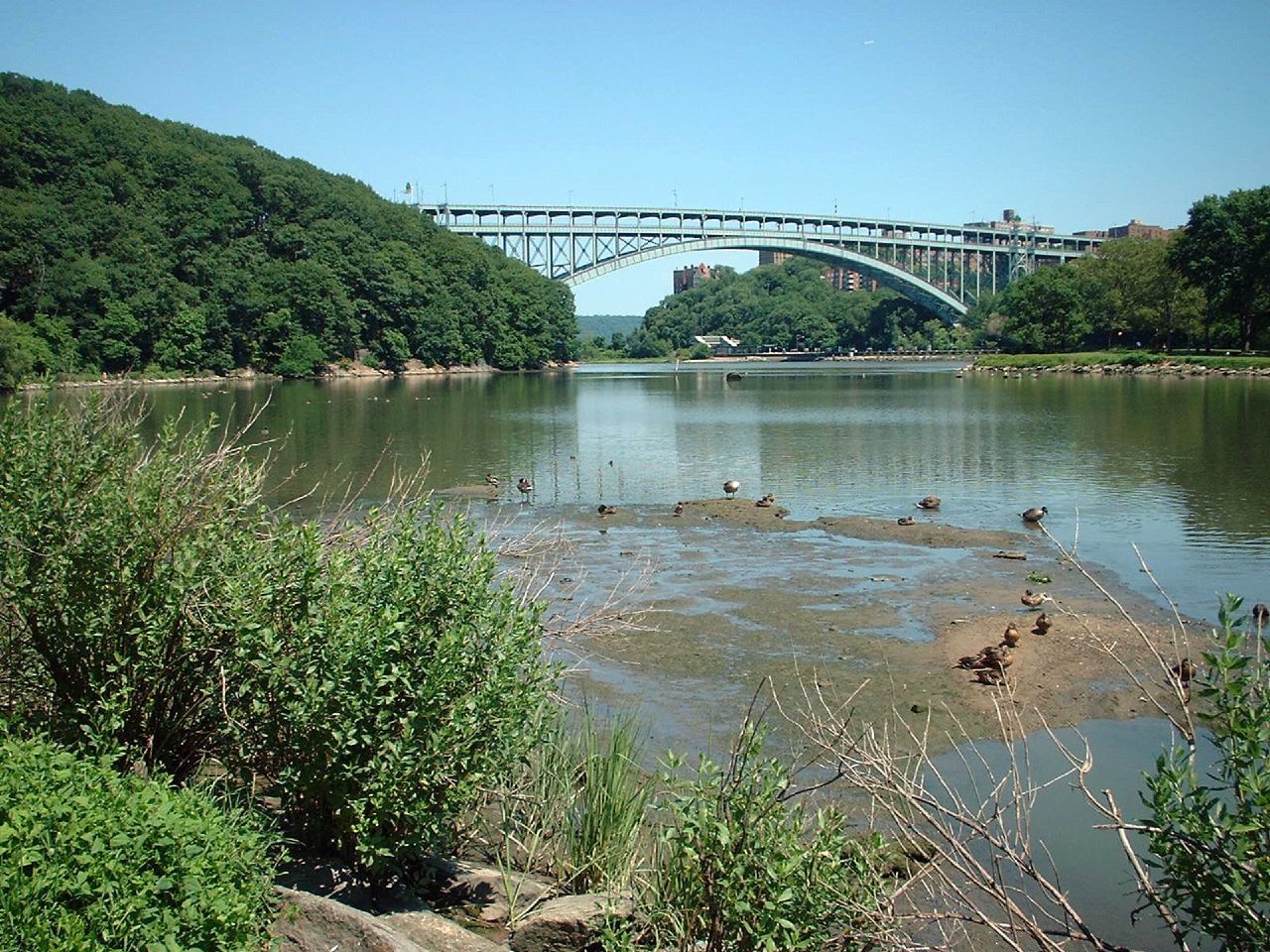
Perched at the northern tip of Manhattan, Inwood is one of New York City's most geographically distinctive neighborhoods — bordered by the Hudson River to the west, the Harlem River to the east, and connected to the rest of the island by the natural ridge of Inwood Hill. Unlike the densely packed blocks of Washington Heights just to the south, Inwood retains a remarkably human scale, with pre-war apartment buildings, tree-lined streets, and one of Manhattan's last remaining old-growth forests within Inwood Hill Park, a 196-acre expanse where ancient caves and towering tulip trees offer a rare sense of wilderness inside city limits.

Residents enjoy direct subway access via the A train at Inwood–207th Street, one of the line's northern terminals, putting Midtown Manhattan roughly 30 minutes away. The neighborhood falls within the New York City Department of Education's district structure and has long attracted families, artists, and professionals who want genuine Manhattan living at a more accessible price point. Those searching for inwood manhattan apartments for rent will find a housing stock dominated by classic pre-war buildings with character that newer construction rarely matches.

With ongoing investment in local infrastructure and a strong sense of neighborhood identity rooted in its Dominican and Irish heritage, Inwood offers something increasingly rare in New York City: authentic community at the edge of a world-class transit network — and real estate that still rewards those who move decisively.


Community Profile

One of the most striking things about this Nassau County community is just how young and family-oriented it truly is. With a median age of just 31.7 years — well below the national median of 38.5 — Inwood pulses with the energy of young households putting down roots. Nearly a third of residents are under age 20, and an impressive average family size of 4.26 people speaks to a neighborhood built around children and extended family life. A full 70.1% of families are dual-income households, reflecting a community of working parents who are invested in both their careers and their community.

That dual-income drive pays off: the median household income here reaches $94,342, comfortably above the national median of roughly $75,000, and 44.7% of households earn six figures or more. Those earnings are put to work in a real estate market that reflects the broader New York metro premium — the median home value stands at $730,544, more than double the national figure, signaling that ownership here is a genuine long-term investment. The homeownership rate of 50.6% is notable given the area's proximity to New York City, and those exploring apartments for rent in Inwood will find a median rent of $1,977 for a community that offers Nassau County stability with urban accessibility. Diversity is another defining strength: with 52.2% of residents identifying as Hispanic or Latino and 13 distinct racial and ethnic groups represented, Inwood is a genuinely multicultural neighborhood — one where a remarkable 42.4% of degree-holders studied STEM fields, adding an intellectually dynamic dimension to its warm, family-centered character.

Things to Do

Outdoor Recreation

Inwood's crown jewel is Inwood Hill Park, one of Manhattan's most remarkable and least-heralded green spaces. Stretching along the Hudson River at the island's northern tip, the park preserves the last remaining old-growth forest in Manhattan — a canopy of ancient trees sheltering rocky ridges, caves, and trails that feel genuinely wild. The park's salt marsh and shoreline attract birdwatchers year-round, and the views across the Hudson toward the New Jersey Palisades are nothing short of spectacular. Isham Park, a quieter neighborhood green space, offers a lovely complement for leisurely strolls and picnics.

Arts & Culture

Inwood has a rich cultural identity rooted in its diverse, tight-knit community. The Inwood Art Works space supports local artists and hosts community events that reflect the neighborhood's creative spirit. The area's deep history — including its significance to the Lenape people and its role in Revolutionary War-era New York — gives it a layered sense of place that rewards curious visitors. Interpretive markers within Inwood Hill Park connect residents and visitors to this remarkable past.

Dining & Local Flavor

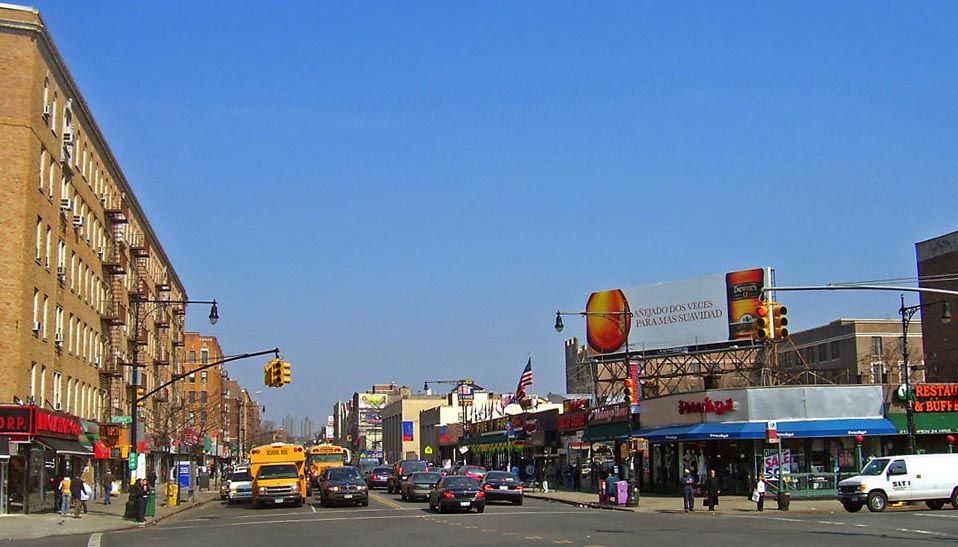
Inwood's dining scene is wonderfully unpretentious and genuinely diverse. Dyckman Street is the neighborhood's main commercial artery, lined with Dominican restaurants, casual eateries, bakeries, and cafés that reflect the community's vibrant Latin American heritage. The street has an energetic, authentic character that sets Inwood apart from more polished Manhattan neighborhoods to the south. For those exploring inwood manhattan apartments for rent, the walkable access to this lively dining corridor is a genuine everyday perk.

Family Activities & Sports

Inwood is exceptionally family-friendly. Inwood Hill Park features ball fields, playgrounds, and open meadows ideal for weekend recreation. The Sherman Creek waterfront area has seen renewed investment, adding to the neighborhood's outdoor appeal. Local community centers and the nearby Dyckman Farmhouse Museum — Manhattan's last remaining Dutch Colonial farmhouse, dating to the early 18th century — offer enriching family outings that connect children to New York's earliest history. For those considering apartments for rent inwood nyc, the abundance of green space and family-oriented amenities makes this northern Manhattan enclave genuinely compelling.

Latest Properties in Inwood

Loading...

Loading latest properties...

See All Properties in Inwood

History

From Lenape Land to Manhattan's Northernmost Neighborhood

Long before New York City absorbed it into the grid, the land that is now Inwood was home to the Lenape people, who called the area Shorakapkok — a name still honored by a marker in Inwood Hill Park. The neighborhood occupies the northernmost tip of Manhattan, where the Harlem River meets the Hudson, and its bedrock ridges and ancient caves bear witness to thousands of years of continuous human presence.

Dutch settlers arrived in the 17th century, and the area remained largely agricultural well into the 19th century, defined by estates and farmland rather than urban density. The real transformation came with the extension of the IRT subway lines in the early 20th century. When the Eighth Avenue line — today's A train — reached what is now the Inwood–207th Street station in 1932, it triggered a wave of residential construction that fundamentally shaped the neighborhood's character. Developers quickly filled the blocks with six- and seven-story brick apartment buildings, many in the Art Deco and neo-Renaissance styles that still define Inwood's streetscape today.

That postwar and mid-century housing stock is precisely what draws renters and buyers to the neighborhood now. Those looking at inwood manhattan apartments for rent often find spacious prewar units with original details — high ceilings, hardwood floors, and generous room proportions — at prices considerably more accessible than neighborhoods further south on the island. The same subway infrastructure that sparked Inwood's development a century ago continues to make it practical: the A express train puts Midtown Manhattan within roughly 30 minutes.

Inwood's history as a working- and middle-class enclave, home to successive waves of Irish, Jewish, and Dominican immigrants, has produced a neighborhood with genuine cultural depth and a strong sense of community identity — qualities that increasingly attract a new generation of residents without erasing what came before.

Weather

Four Seasons in Inwood, NY

Inwood, situated at the northern tip of Manhattan where the island meets the Harlem River and Spuyten Duyvil Creek, experiences a humid subtropical climate — the same classification that applies to New York City as a whole, though Inwood's position near open water lends it a subtly moderating influence compared to more inland urban neighborhoods.

Summers are warm and humid, with daytime highs typically ranging from the mid-80s to the low 90s°F, while overnight lows settle into the upper 60s. Winters are cold but rarely brutal by northeastern standards, with average highs in the mid-30s to low 40s°F and lows that dip into the 20s during the coldest stretches. Snow is a regular winter feature, though accumulations tend to be modest. Spring and autumn are genuinely pleasant — crisp, colorful, and among the most livable seasons the neighborhood offers.

Precipitation is fairly evenly distributed throughout the year, averaging around 46 to 50 inches annually, with no pronounced dry season. Nor'easters can bring significant snow or rain between December and March, and late-summer humidity is a consistent reality.

For those exploring inwood manhattan apartments for rent, the climate has real practical implications. Heating costs during winter months are a meaningful budget consideration, as are summer cooling expenses. The neighborhood's remarkable tree canopy — particularly in and around Inwood Hill Park — provides natural shade that tempers summer heat. Residents should also plan for seasonal exterior maintenance, from winterizing windows to managing leaf fall from the area's abundant mature trees.

Inwood Market Analytics

The Inwood market is showing signs of stability and growth, with the average home value increasing by 3.6% over the past year to $800,870, according to data analyzed by Opulist. This steady appreciation in home values suggests that the market is balancing, with demand and supply finding a equilibrium, making it a good time for both buyers and sellers to engage in the market. With limited inventory and steady price growth, now may be a strategic time to make a move in the Inwood market, and consulting with a real estate expert at Opulist can help you navigate the current conditions.


1-Year Home Value Change: +3.6%

Inwood Home Value Index over time.

Can I Afford Inwood?
$
%
$0
Est. Monthly Payment
$0/yr
Salary Required

*Principal & interest only. Salary based on 28% debt-to-income ratio.

Get Pre-Approved for Inwood