
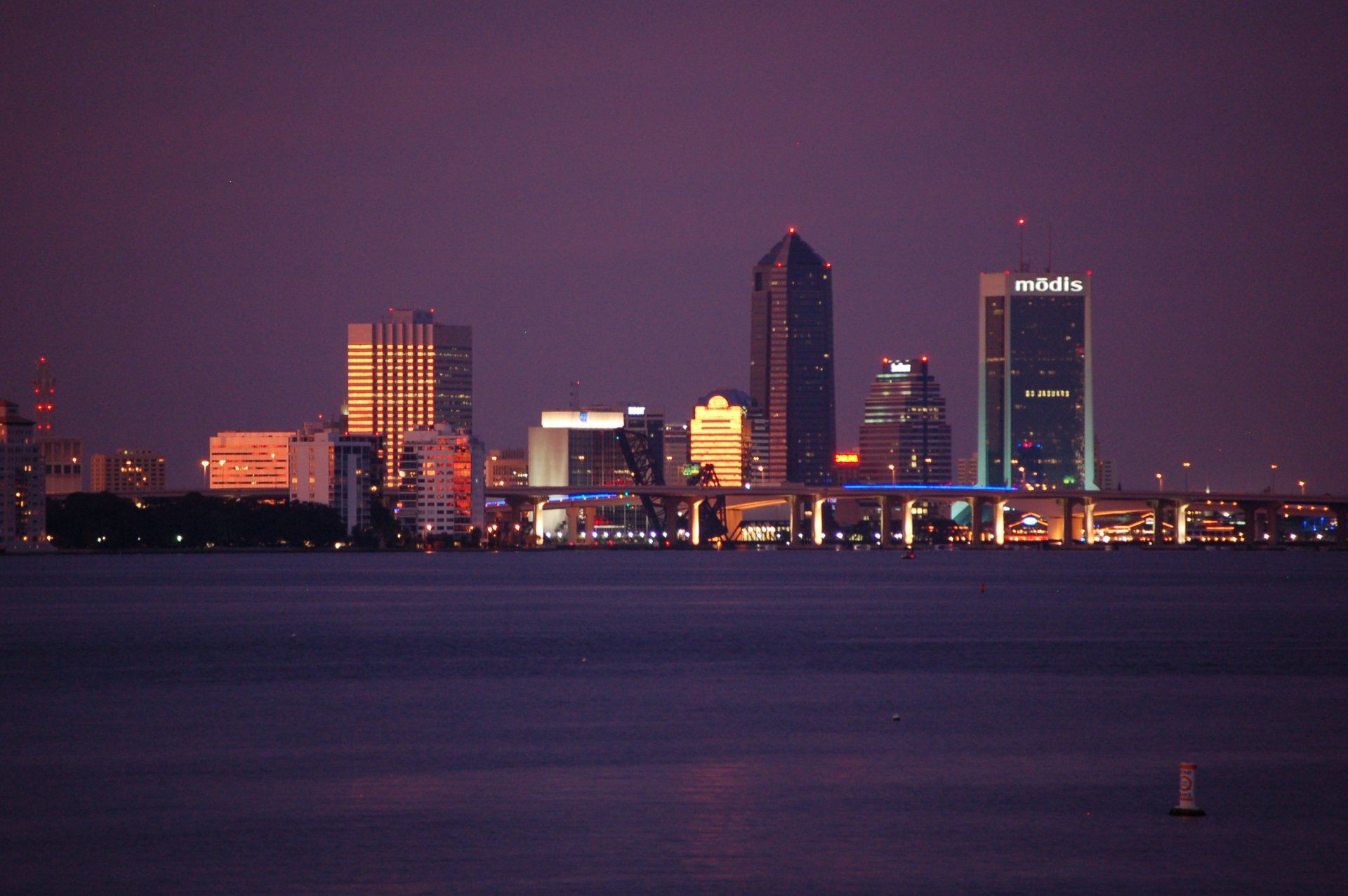
Jacksonville, Florida

Location:
Jacksonville, FL

Welcome to Jacksonville

Founded on June 15, 1822, at a St. Johns River crossing historically known as Cowford, Jacksonville has grown into the largest city by land area in the contiguous United States — spanning nearly 750 square miles across Duval County under a consolidated city-county government established in 1968. That sheer scale sets Jacksonville apart from every other Florida city, including Tampa and Orlando, giving it a geographic range that encompasses dense urban neighborhoods, quiet suburban enclaves, and Atlantic coastline all within a single municipal boundary.

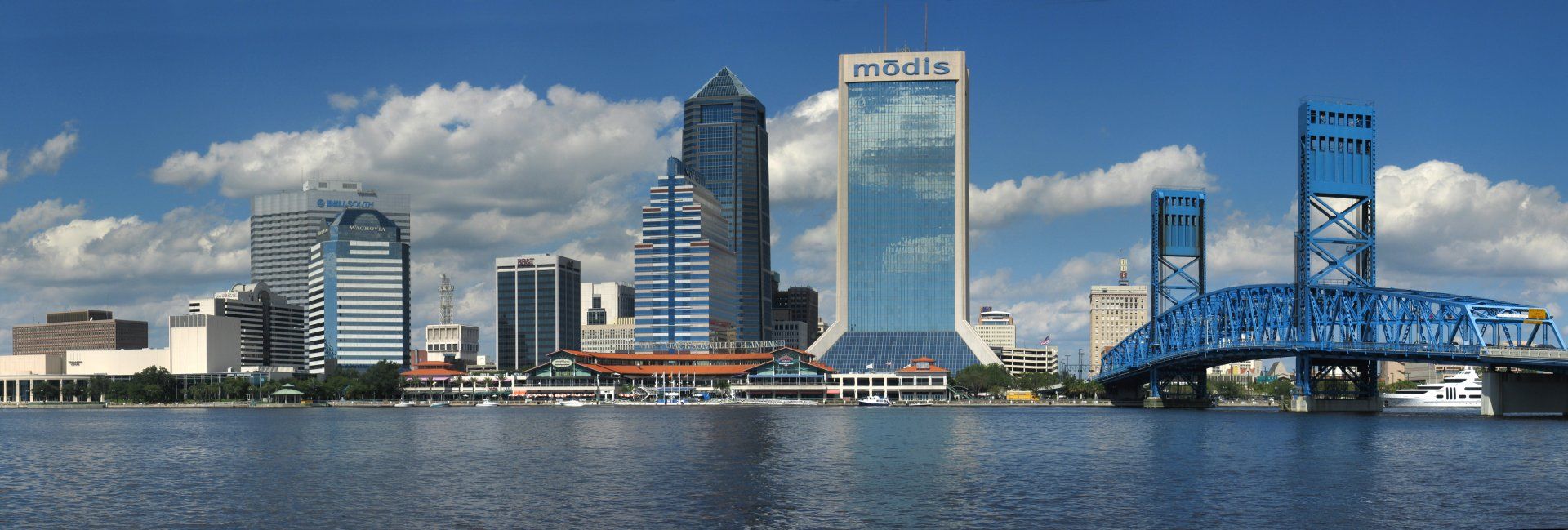
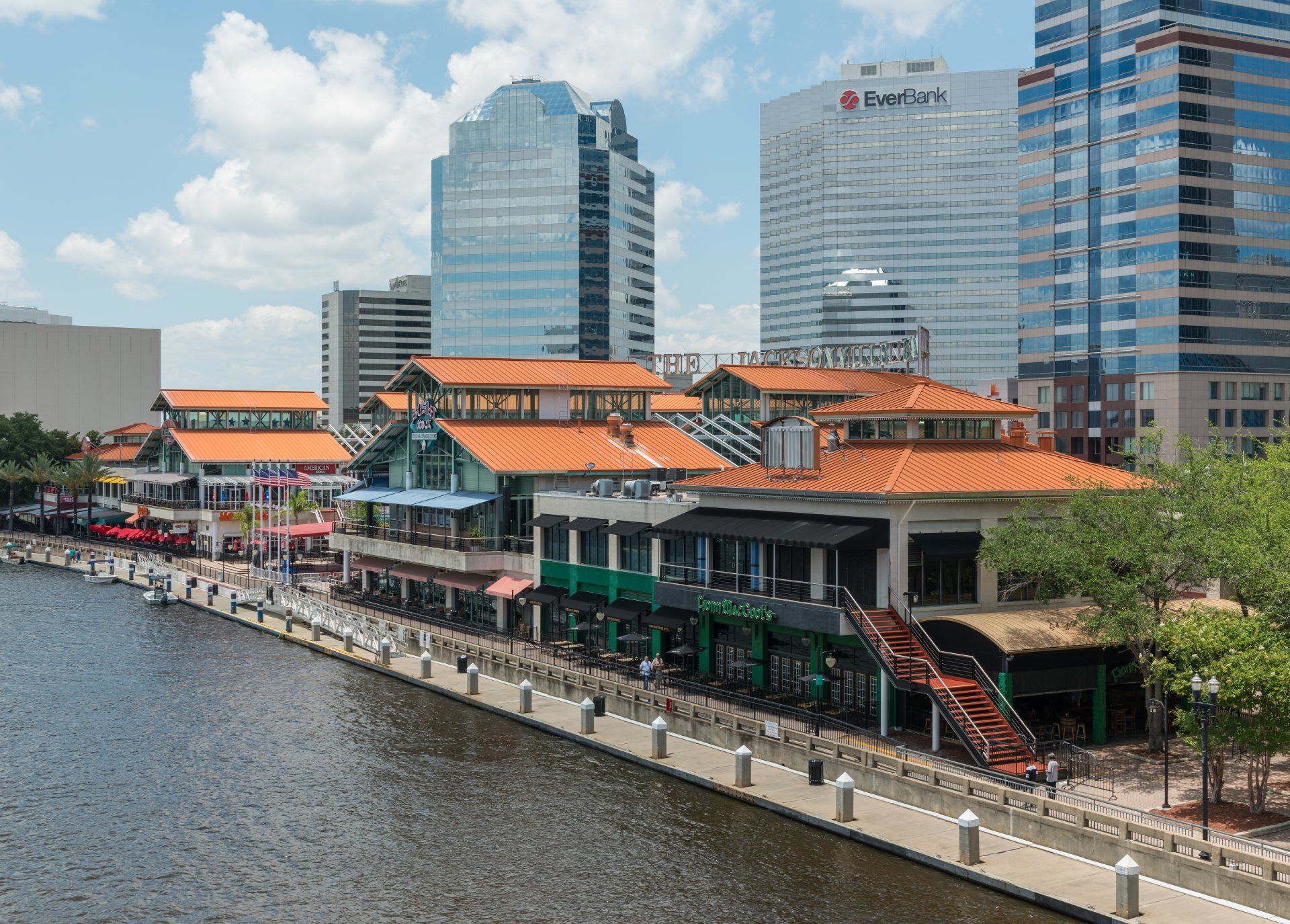
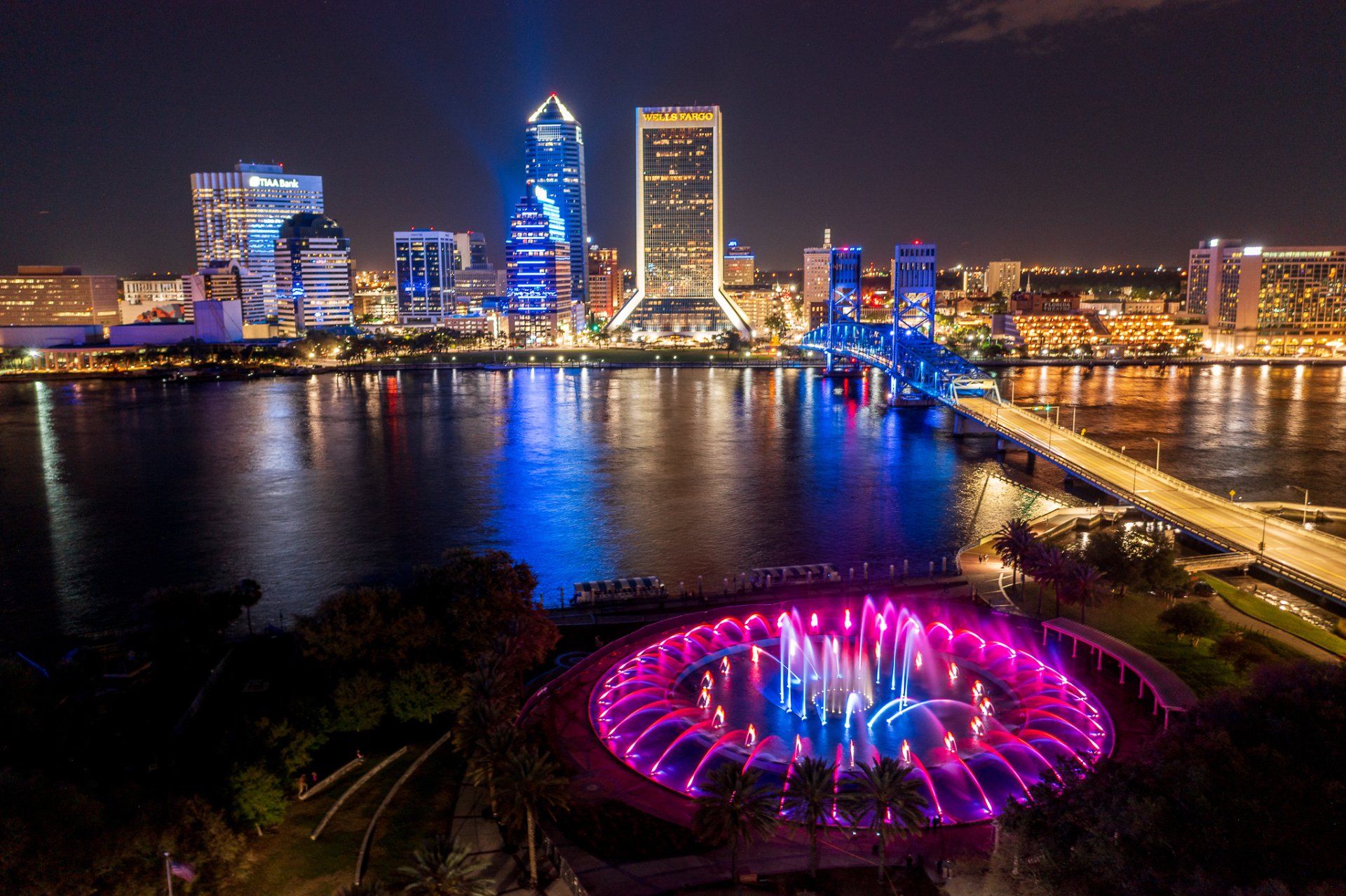
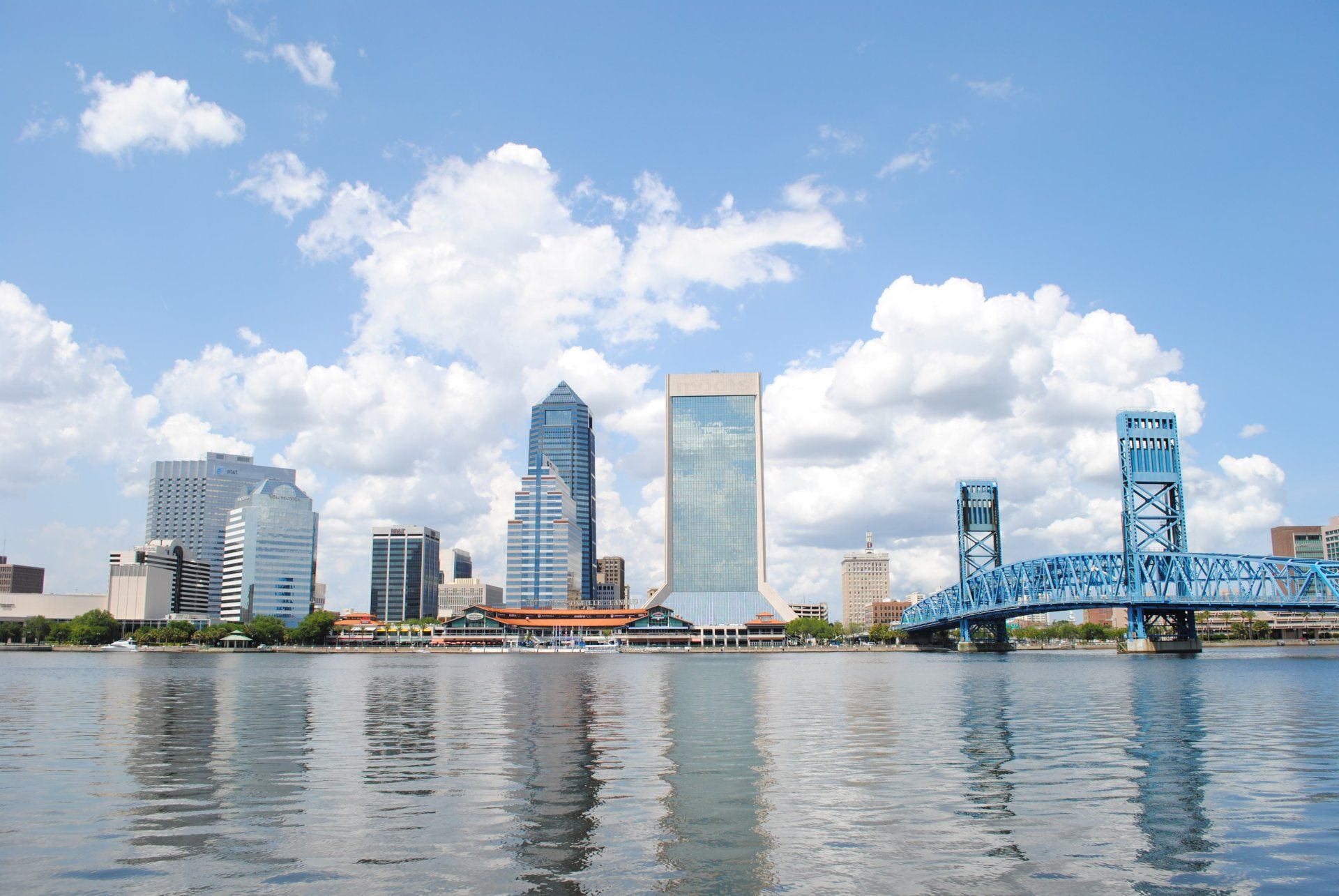
The St. Johns River isn't just a backdrop — it shapes daily life here, from waterfront dining and boating culture to the operations of JAXPORT, Florida's busiest container port and a cornerstone of the regional economy. Add to that a significant military presence anchored by Naval Air Station Jacksonville and Naval Station Mayport, a healthcare and finance sector that draws corporate investment, and a median home price around $290,000 that remains well below the national average for a city of this size and population.

For buyers exploring homes for sale in Jacksonville, FL, the opportunity is clear: a major American city with genuine affordability, a young median age of 36, and the infrastructure and momentum of a metro still in the middle of its rise.


Community Profile

With a population of 1,335,714 spread across Duval County, Florida's largest city by land area delivers an energetic, youthful character that resonates strongly with home buyers. The median age of just 36.5 years — two full years younger than the national median — reflects a community anchored by working-age adults and young families, with the 30–39 age cohort alone accounting for 15.5% of residents. Average family size clocks in at 3.1 people, a telling sign that Jacksonville is very much a city where households are growing.

From a financial standpoint, the numbers paint an encouraging picture for prospective buyers browsing homes for sale in Jacksonville, FL. The median household income of $69,872 compares favorably to many Sun Belt metros, and a notable 33.2% of households earn six figures or more — matching the national college-attainment rate almost exactly. Speaking of education, 33.2% of residents hold a bachelor's degree or higher, and an impressive 44.4% of degree holders studied STEM fields, reflecting the city's growing technology and logistics economy. Perhaps most compelling for buyers is the median home value of $288,737 — meaningfully below the national median of roughly $330,000 — giving households real purchasing power in a city of this scale and amenity level. The average commute of just 24.1 minutes adds everyday quality of life, while a strong military presence — 10.4% veterans — lends the community a grounded, service-oriented identity. Diverse, ambitious, and genuinely affordable, Jacksonville rewards those ready to put down roots.

Things to Do

Outdoor Recreation

Jacksonville's sheer size — nearly 750 square miles — means outdoor enthusiasts have an extraordinary range of options. The Timucuan Ecological and Historic Preserve, a national park unit spanning over 46,000 acres along the St. Johns River estuary, offers kayaking, hiking, and wildlife viewing amid salt marshes, ancient shell middens, and maritime forest. Kathryn Abbey Hanna Park on the Mayport peninsula delivers 1.5 miles of Atlantic beach alongside mountain biking trails and freshwater swimming. Closer to the urban core, Riverside Arts Market and the Riverwalk along the St. Johns River make for easy weekend strolls with sweeping downtown views. The city's extensive parks system also includes Treaty Oak Park in Southbank, home to a centuries-old live oak that has become one of Jacksonville's most beloved landmarks.

Arts & Culture

Downtown Jacksonville punches well above its weight culturally. The Cummer Museum of Art and Gardens on the banks of the St. Johns River houses one of the Southeast's finest permanent collections alongside formal gardens that bloom brilliantly in spring. The Florida Theatre, a beautifully restored 1927 movie palace on Forsyth Street, hosts everything from touring Broadway productions to intimate concerts year-round. The Museum of Science and History (MOSH) engages visitors of all ages with natural history exhibits and a full-dome planetarium. For live music, the Daily's Place amphitheater adjacent to EverBank Stadium draws major national acts throughout the warmer months.

Sports & Family Activities

Jacksonville is a proud NFL city — EverBank Stadium, home of the Jacksonville Jaguars, dominates the downtown skyline and hosts the annual TaxSlayer Gator Bowl each January. Families gravitate toward Adventure Landing for go-karts and water slides, while the Jacksonville Zoo and Gardens in the Northside neighborhood is consistently ranked among Florida's best. Golf lovers are well served by dozens of public and semi-private courses, fitting for a city just a short drive from the PGA Tour's headquarters in Ponte Vedra Beach.

Dining & Shopping

The San Marco and Five Points neighborhoods offer walkable blocks lined with independent restaurants, boutiques, and coffee shops that reflect Jacksonville's creative energy. The St. Johns Town Center on the Southside is the region's premier open-air shopping destination, anchored by major retailers and surrounded by a dense cluster of dining options. For those exploring homes for sale in Jacksonville FL, the variety of neighborhoods — each with its own dining and retail character — is one of the city's most compelling selling points.

Latest Properties in Jacksonville

Loading...

Loading latest properties...

See All Properties in Jacksonville

History

From Cowford to Florida's Largest City

Long before the first European settlers arrived, the Timucua people had inhabited the banks of the St. Johns River for centuries. French Huguenot explorer Jean Ribault charted the river in 1562, and by 1564 René de Laudonnière had established Fort Caroline near its mouth — one of the earliest European settlements in North America. Spanish forces under Pedro Menéndez de Avilés destroyed the fort in 1565, cementing Spanish dominance over the region for the next two and a half centuries.

The city as we know it took shape on June 15, 1822, one year after Spain ceded Florida to the United States. A town was platted at a shallow river crossing long known as Cowford and named in honor of Andrew Jackson, Florida's first military governor. By the time Florida achieved statehood in 1845, Jacksonville had emerged as the territory's principal commercial center, exporting cotton, lumber, and citrus along the St. Johns River.

The Civil War left deep marks on the city — Union forces occupied Jacksonville four times between 1862 and 1864 — but Reconstruction brought new communities like Brooklyn and Eastside that remain part of the city's fabric today. Late 19th-century railroad expansion transformed Jacksonville into Florida's rail hub, laying the groundwork for the logistics-driven economy that still defines the city. The landmark 1968 consolidation of Jacksonville with Duval County created one of the largest municipal governments in the country by land area, shaping the sprawling, multi-neighborhood character that buyers browsing homes for sale in Jacksonville, FL encounter today — a vast, diverse market where a median home price of around $290,000 reflects both the city's affordability and its continued momentum.

Weather

Jacksonville, Florida, sits comfortably within a humid subtropical climate (Köppen classification Cfa), shaped by its position in the northeastern corner of the state along the Atlantic coast. This geography brings warm, humid summers and mild winters — a combination that draws buyers searching for homes for sale in Jacksonville, FL year-round.

Summers are long, hot, and muggy, with daytime highs typically climbing into the low-to-mid 90s °F and overnight lows settling in the mid-70s. The Atlantic Ocean and the broad St. Johns River moderate temperatures slightly but also contribute to persistent humidity that makes the heat feel more intense. Afternoon thunderstorms are a near-daily occurrence from June through September, and Jacksonville sits within Florida's active hurricane belt, making storm preparedness a real consideration for homeowners.

Winters are refreshingly mild compared to most of the country. Highs generally range from the mid-60s to low 70s °F, with overnight lows occasionally dipping into the 40s — and rarely, briefly, below freezing. Snowfall is essentially nonexistent. Annual rainfall averages around 50 to 52 inches, concentrated heavily in the summer months.

For real estate purposes, Jacksonville's climate means year-round outdoor living is genuinely achievable, with screened lanais, pools, and covered patios being popular features in local homes. Cooling costs dominate utility bills through the long summer, while heating expenses remain modest. Homeowners should also budget for periodic roof inspections, moisture management, and hurricane shutters or impact-resistant windows as part of routine property maintenance.

Jacksonville Market Analytics

The Jacksonville market is showing signs of balance, with the average home value at $282,367, down 3.6% over the past year, and a sale-to-list ratio of 0.977, indicating that homes are selling for slightly below their listed price, according to data analyzed by Opulist. This suggests that the market is balancing out, with buyers having more negotiating power, and sellers needing to be realistic about their pricing. With a median days to pending of 54, the market is still moving relatively quickly, making it a good time for buyers to explore their options in Jacksonville.


1-Year Home Value Change: -3.6%

Jacksonville Home Value Index over time.

Can I Afford Jacksonville?
$
%
$0
Est. Monthly Payment
$0/yr
Salary Required

*Principal & interest only. Salary based on 28% debt-to-income ratio.

Get Pre-Approved for Jacksonville