
Kirkland, Washington

Location:
Kirkland, WA

Welcome to Kirkland

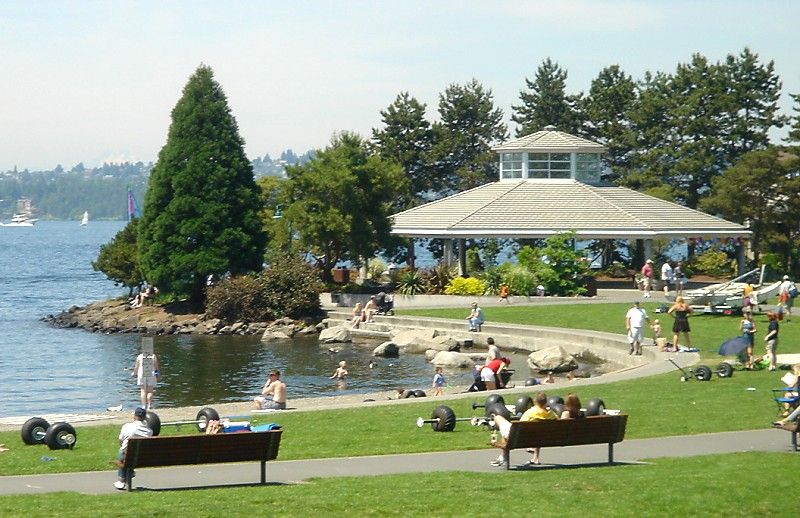
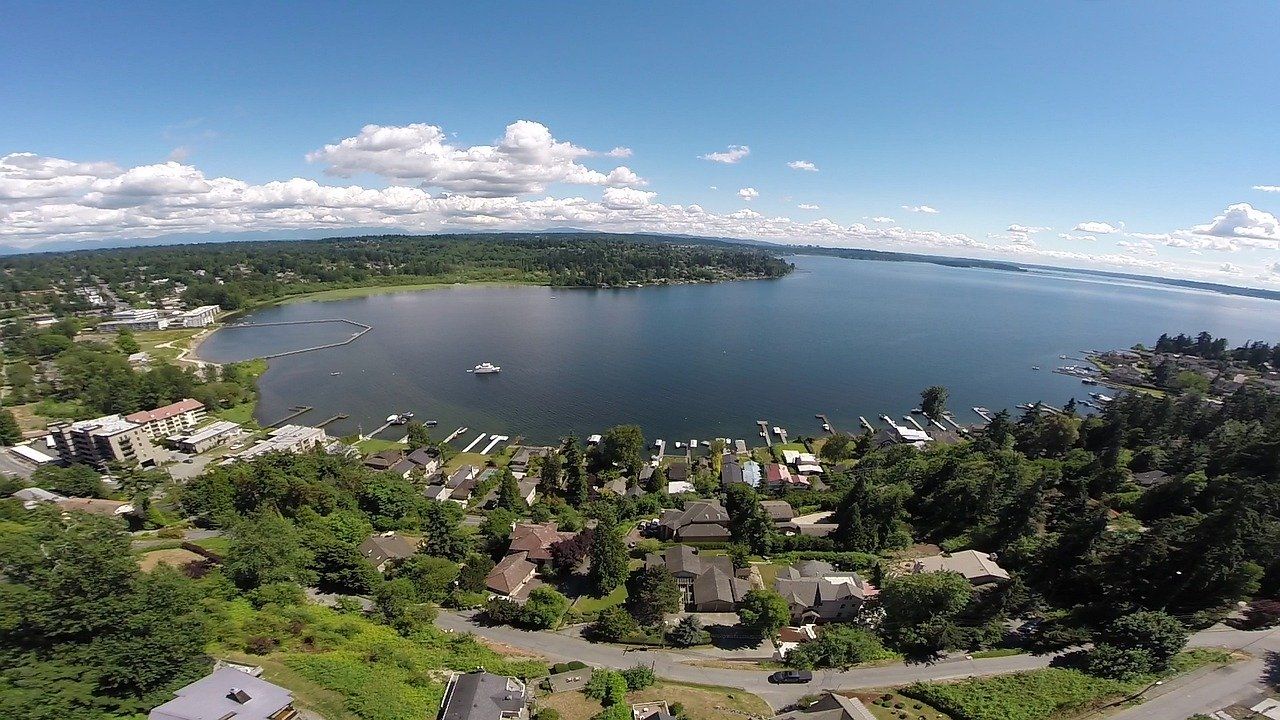
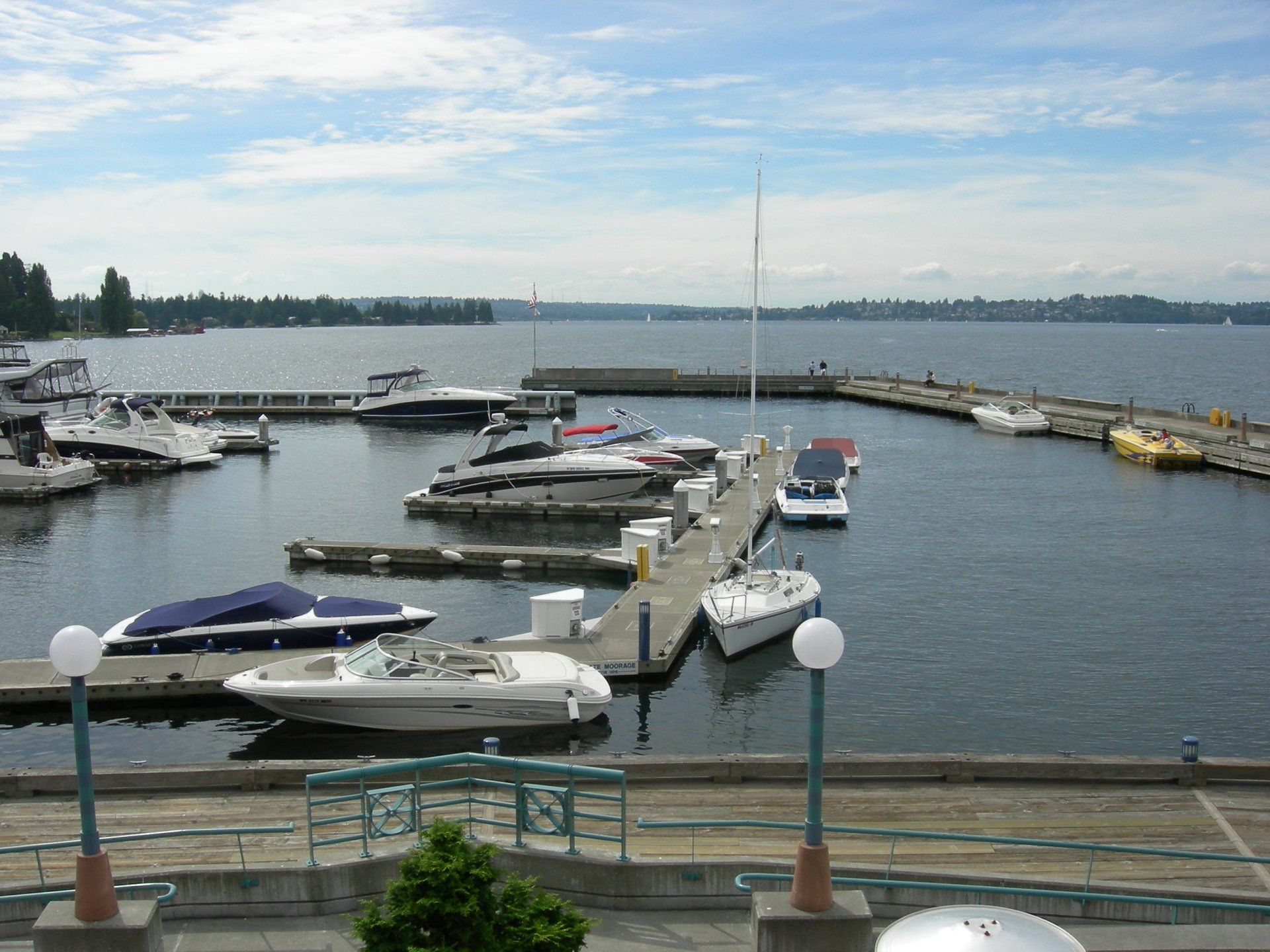
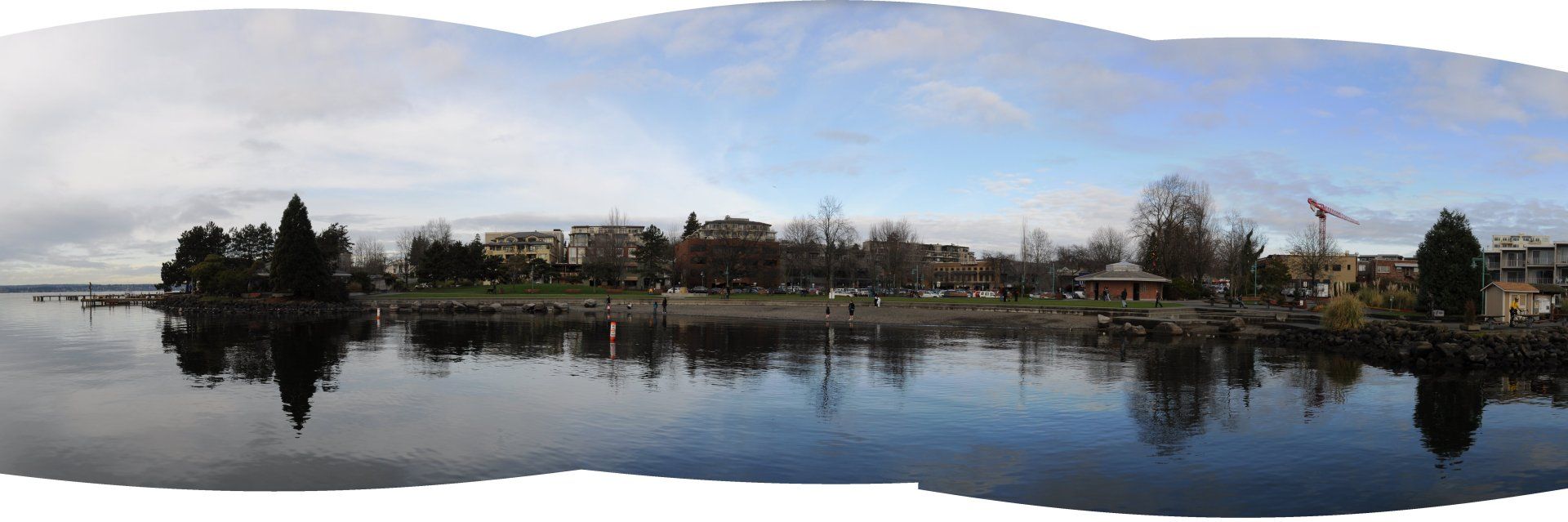
Situated on the eastern shore of Lake Washington in King County, Kirkland has grown from a late-19th-century steel mill town into one of the Eastside's most sought-after addresses. Founded in 1888 by Peter Kirk, a British industrialist who envisioned it as the "Pittsburgh of the West," the city carries a distinct identity that sets it apart from neighboring Bellevue's corporate skyline and Redmond's tech-campus sprawl. Kirkland's waterfront is its defining feature — a walkable stretch of parks, public piers, and sandy beaches anchored by Marina Park and the broader network of shoreline access points that few Eastside cities can match.

Families consistently seek out kirkland homes for sale in part because of the highly regarded Lake Washington School District, which serves the city and maintains a strong reputation across the region. Commuters benefit from direct connectivity to Seattle and Redmond via the Sound Transit East Link light rail extension, making the city increasingly practical for those who work across the metro area. The Cross Kirkland Corridor, a multi-use trail running through the city's core, reflects a community that has invested deliberately in livability over density alone.

For buyers and investors watching the Puget Sound market, homes for sale in Kirkland WA represent a rare combination of waterfront character, transit access, and enduring demand — a city whose best chapters are still being written.


Community Profile

Nestled along the eastern shore of Lake Washington in King County, this thriving city of 92,621 residents draws an exceptionally accomplished and well-compensated population. The median household income here stands at a remarkable $150,414 — double the national median — and an extraordinary 67.6% of households bring in six figures or more. That prosperity is built on deep human capital: 66.4% of residents hold a bachelor's degree or higher, more than twice the national rate of 33%, and a striking 54.8% have earned STEM degrees, reflecting the city's close ties to the greater Seattle tech economy.

The community skews toward its prime earning and family-forming years, with a median age of 38.3 — nearly identical to the national figure — and the largest single age cohort falling between 30 and 39, comprising 18.4% of the population. More than half of residents are married (54.6%), and 60.8% of families are dual-income households, a combination that helps explain why renters here carry a relatively manageable rent burden of just 25.9% of income despite a median rent of $2,401. Those exploring kirkland homes for sale will find a market that reflects genuine demand: the median home value reaches $1,115,471, a testament to the city's desirability. Yet with an average commute of just 23.9 minutes and a low uninsured rate of 3.8%, the quality-of-life fundamentals here are as strong as the price tags suggest.

Things to Do

Outdoor Recreation

Kirkland's greatest asset may be its relationship with Lake Washington. Juanita Beach Park draws swimmers, picnickers, and kayakers throughout the summer, while the paved Eastside Rail Corridor offers miles of walking and cycling along a former rail line. Bridle Trails State Park, tucked into the city's southern reaches, protects over 480 acres of old-growth forest threaded with equestrian and hiking paths — a rare pocket of wilderness within a thriving suburban city. The Kirkland Urban Trail connects neighborhoods to the waterfront, making it easy to explore on foot.

Dining & Nightlife

Downtown Kirkland's restaurant scene punches well above its weight. The streets near Marina Park are lined with waterfront dining options where you can watch seaplanes skim across Lake Washington while enjoying fresh Pacific Northwest seafood. The area rewards those who browse — independent cafés, wine bars, and farm-to-table bistros sit alongside casual lakeside spots. Weekend evenings bring a lively energy to the downtown core, making it a genuine destination rather than just a pass-through.

Arts & Culture

The Kirkland Arts Center anchors the city's creative community, offering rotating gallery exhibitions, studio classes, and events that connect local artists with residents. Public art installations are woven throughout downtown, giving even a casual stroll a cultural dimension. The Kirkland Performance Center hosts live theater, music, and dance throughout the year, drawing performers from across the Pacific Northwest.

Family Activities & Shopping

Families exploring homes for sale in Kirkland, WA often cite the city's walkable downtown as a major draw. Marina Park features a public beach, a fishing pier, and open lawn space perfect for weekend afternoons. The Totem Lake district offers convenient shopping and everyday amenities, while downtown boutiques provide a more curated retail experience. The Kirkland Wednesday Market, running spring through fall, brings local farmers and artisans together in a beloved community tradition that reflects the city's tight-knit, neighborly character.

Latest Properties in Kirkland

Loading...

Loading latest properties...

See All Properties in Kirkland

History

From Steel Town Dreams to Lakeside Living

Kirkland's story begins not with a pioneer farmer but with an industrialist's ambition. In the 1880s, English investor Peter Kirk envisioned transforming the forested shores of Lake Washington's eastern edge into a great steel-producing city — a "Pittsburgh of the West." Kirk and his partners platted the town in 1888, laid out streets, and began construction on a steel mill, betting that local coal and iron deposits would fuel a manufacturing empire. The financial panic of 1893 collapsed that dream before the mill ever produced a pound of steel, but the platted townsite survived, and Kirkland incorporated as a city in 1905.

What emerged from those failed industrial ambitions was something far more enduring: a compact, walkable downtown on the lake's edge and a residential fabric of modest early-20th-century homes that still defines several of Kirkland's older neighborhoods. The city grew steadily through the postwar decades, when suburban expansion pushed east from Seattle across the newly built floating bridges on Lake Washington. That mid-century growth produced the established, tree-canopied streets of neighborhoods like Houghton and Norkirk — areas where Kirkland homes on generous lots remain among the most sought-after in the region today.

Kirkland's footprint expanded dramatically in 2011 when it annexed the former city of Juanita and the unincorporated Finn Hill and Kingsgate areas, nearly doubling its population and adding distinct neighborhood characters to the city's mix. More recently, Google's decision to establish a major campus in the Totem Lake urban center has accelerated demand and reshaped expectations for density and transit. For buyers exploring homes for sale in Kirkland, WA, that layered history — failed steel town, quiet lakeside suburb, and now a tech-economy hub — is written into the streetscapes, lot sizes, and architectural styles of every neighborhood.

Weather

Kirkland, WA Climate & Weather Patterns

Kirkland, Washington experiences a marine west coast climate (Köppen Cfb), shaped by its position on the eastern shore of Lake Washington and its proximity to Puget Sound. This classification means mild temperatures year-round, generous rainfall, and relatively rare weather extremes — a defining characteristic of life in the greater Seattle metro area.

Summers are pleasantly mild, with daytime highs typically ranging from the mid-70s to low 80s°F, while nights cool comfortably into the mid-50s. The season tends to be dry and sunny from July through early September — a stretch that makes outdoor living genuinely exceptional and a major draw for those exploring kirkland homes for sale. Winters are cool and overcast, with daytime highs generally between 40°F and 50°F and lows hovering in the mid-30s. Snowfall is infrequent and rarely accumulates significantly, though the Cascade Mountains to the east create occasional cold snaps.

Rainfall is the region's most defining weather trait, with Kirkland receiving roughly 37 to 40 inches annually, concentrated heavily between October and April. The surrounding mountains amplify this pattern through orographic lift, while the lake moderates temperature swings noticeably.

For real estate purposes, the climate has meaningful implications. Heating costs dominate over cooling expenses, as central air conditioning is optional rather than essential. Homes benefit from quality insulation, efficient heating systems, and attention to moisture management — gutters, roofing, and drainage all warrant regular seasonal maintenance. On the upside, the long dry summers make lakefront decks, patios, and outdoor spaces genuinely livable assets for anyone considering homes for sale in Kirkland WA.

Kirkland Market Analytics

The Kirkland real estate market is showing signs of balance, with the average home value at $1,248,259, down 4.0% over the past year, according to data analyzed by Opulist. This slight decline suggests that the market is normalizing, providing opportunities for buyers and sellers to negotiate fair prices. With a median sale-to-list ratio of 0.968 and 11.4% of sales going above list price, sellers can still expect to get a good return on their investment, while buyers may find some room for negotiation.


1-Year Home Value Change: -4%

Kirkland Home Value Index over time.

Can I Afford Kirkland?
$
%
$0
Est. Monthly Payment
$0/yr
Salary Required

*Principal & interest only. Salary based on 28% debt-to-income ratio.

Get Pre-Approved for Kirkland