
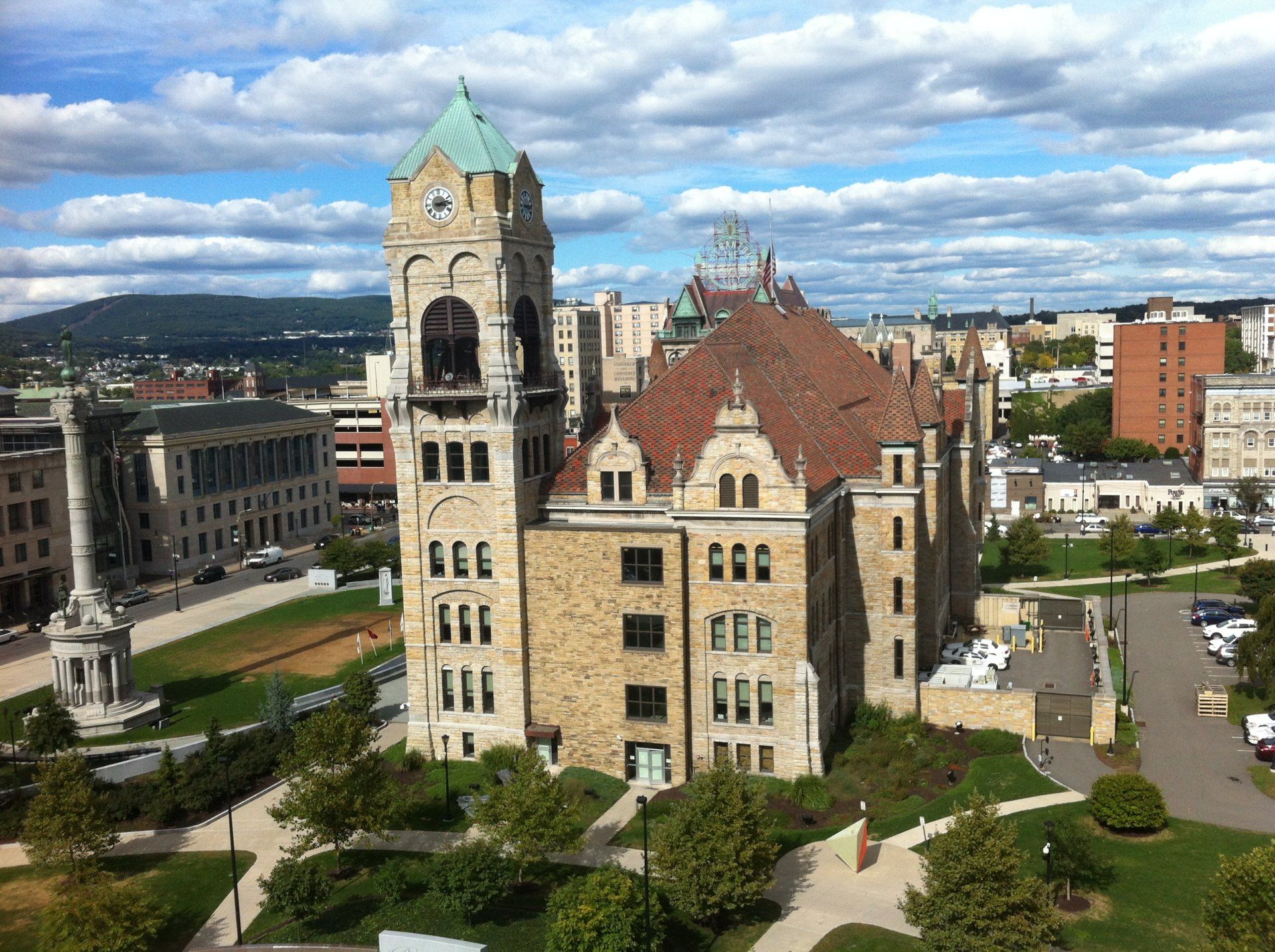
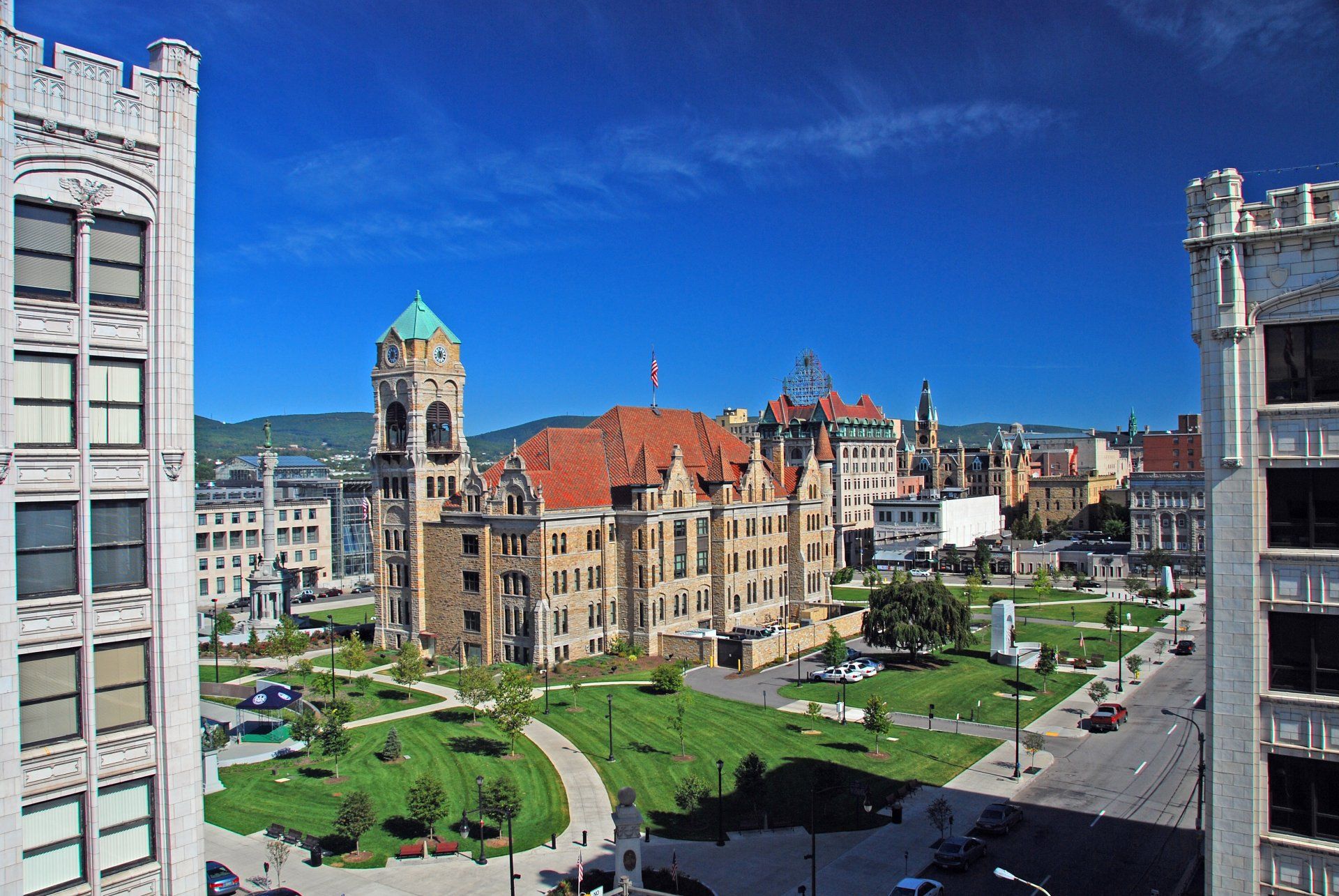
Lackawanna County, Pennsylvania — named from a Lenni Lenape word meaning "stream that forks" — sits in the northeastern corner of the state, anchored by the Lackawanna River and shaped by one of the most consequential industrial histories in American coal country. What sets this region apart from neighboring counties like Luzerne or Wayne is the depth of that legacy: the Delaware, Lackawanna and Western Railroad once ran through here as a Class I carrier connecting Scranton to the eastern seaboard, and the infrastructure it left behind — including the preserved locomotive shops now operating as Steamtown National Historic Site in Scranton — gives the area a tangible connection to the 19th-century economy that built modern America. Lackawanna State Park offers outdoor recreation just minutes from residential neighborhoods, and the county's school districts serve communities that have steadily reinvented themselves since the decline of anthracite mining. For buyers exploring homes for sale in Lackawanna County, PA, the combination of affordable housing stock, scenic terrain, and proximity to major northeastern corridors makes this a region with genuine long-term promise.
Welcome to Lackawanna
Things to Do
Outdoor Recreation
Lackawanna State Park is the crown jewel of outdoor activity in the area, offering swimming, fishing, boating, and camping along the shores of a scenic reservoir in the rolling hills of northeastern Pennsylvania. The park draws visitors year-round — hikers and mountain bikers in the warmer months, and ice fishermen and cross-country skiers when winter settles in. The surrounding landscape reflects the rugged, forested character of the Pocono foothills, making it a natural escape that residents of the region return to again and again.
History & Culture
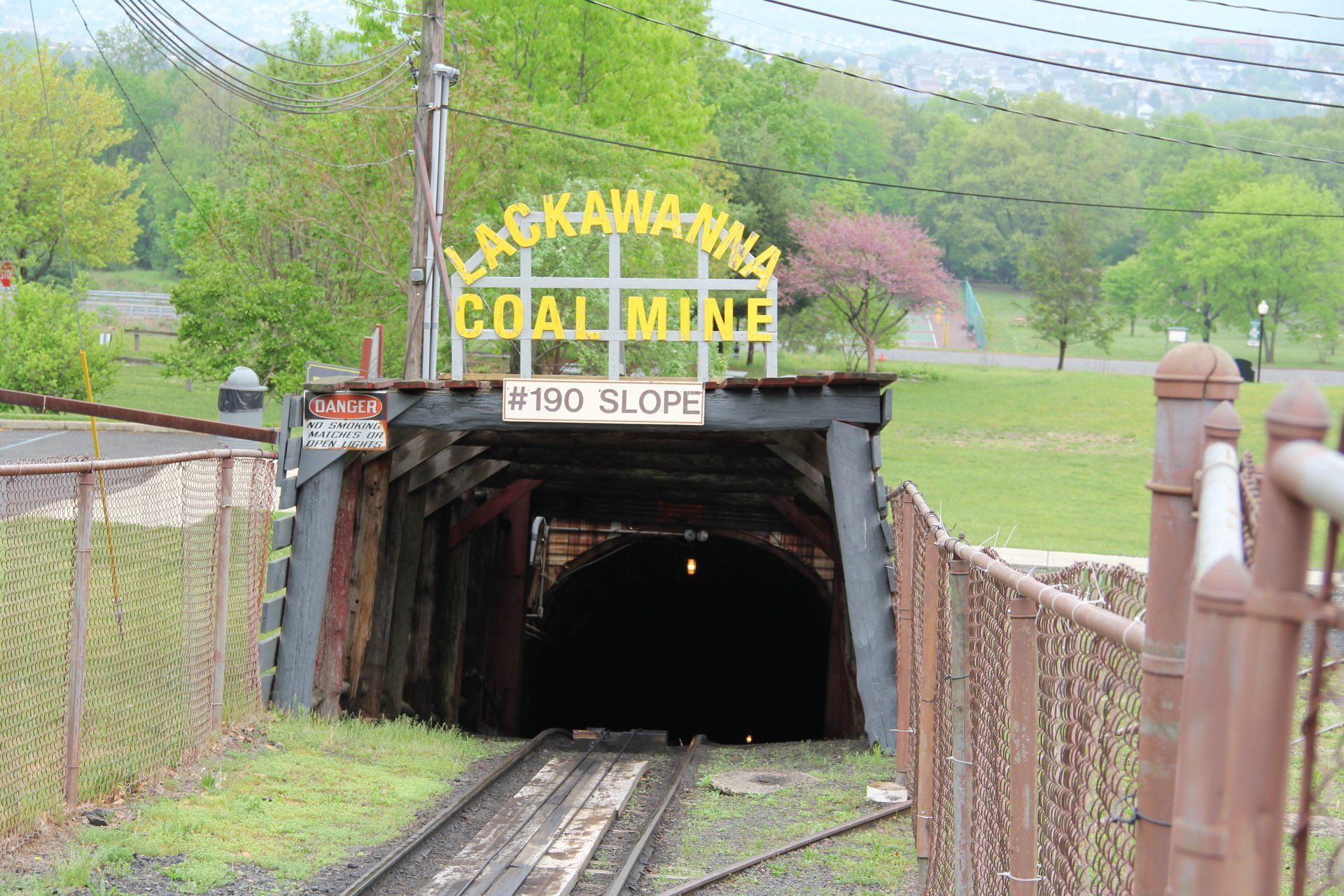
The region's industrial heritage runs deep, and few experiences bring it to life more vividly than a visit to the Lackawanna Coal Mine Tour in nearby Scranton. Descending into an actual anthracite mine, visitors get a firsthand sense of the backbreaking work that once defined life across Lackawanna County. Steamtown National Historic Site, also in Scranton, preserves the legacy of the Delaware, Lackawanna and Western Railroad — the storied line whose coal-hauling operations shaped the entire region's economy and identity for over a century. Railroad history enthusiasts will find both sites genuinely compelling.
Arts & Entertainment
Scranton, just minutes away, anchors the cultural life of the greater Lackawanna County area with theaters, galleries, and live music venues. The region has a strong tradition of community arts, and seasonal festivals celebrating everything from local heritage to ethnic traditions bring neighborhoods together throughout the year. George Inness immortalized this landscape in his celebrated 1855 painting The Lackawanna Valley, a reminder that the area's beauty has long inspired creative expression.
Dining & Shopping
Lackawanna County's dining scene reflects its working-class roots and immigrant heritage — expect hearty, honest food rooted in Italian, Polish, and Irish traditions alongside a growing number of contemporary spots. Local farmers markets and small commercial districts offer a more personal shopping experience than big-box retail. For those exploring homes for sale in Lackawanna County, PA, the everyday convenience of nearby Scranton's retail corridors is a practical and appealing bonus.
Family Activities
Families find plenty to keep busy across the seasons, from swimming and paddleboating at Lackawanna State Park to educational mine tours and railroad museums that make history genuinely fun for kids. The area's parks, trails, and community recreation programs make it a comfortable and engaging place to put down roots.
Latest Properties in Lackawanna
Loading latest properties...
History
From Coal Country to County Seat: The History Behind Lackawanna's Real Estate
Lackawanna County, Pennsylvania — its very name drawn from a Lenni Lenape word meaning "stream that forks," a reference to the Lackawanna River — owes its identity almost entirely to one commodity: anthracite coal. The discovery of vast coal deposits in the Lackawanna and Wyoming Valleys during the early 19th century transformed a rugged, sparsely settled corner of northeastern Pennsylvania into one of the region's most consequential industrial corridors.
The railroad infrastructure that made this possible arrived in earnest on October 20, 1851, when the Lackawanna and Western Railroad opened its 56-mile line connecting Scranton to Great Bend, Pennsylvania. By March 11, 1853, the Delaware, Lackawanna and Western Railroad (DL&W) was formally chartered, stitching together a network that would eventually stretch roughly 400 miles from Scranton to Hoboken, New Jersey. At its peak in the 1920s, the DL&W derived over 50% of its revenue from anthracite shipments, and the dense web of worker housing, company infrastructure, and commercial development it generated shaped the built environment that still defines many of Lackawanna County's neighborhoods today.
The mid-20th century brought a painful reckoning. Anthracite production collapsed from roughly 100 million tons annually in the 1920s to under 10 million by the 1950s, and the DL&W itself merged with the Erie Railroad in 1960, eventually disappearing into Conrail by 1976. Population followed industry outward, leaving behind a legacy of sturdy, affordable housing stock — much of it built for mining and railroad families — that continues to attract buyers exploring homes for sale in Lackawanna County, PA today.
That industrial heritage is now an asset rather than a liability. The Steamtown National Historic Site preserves the former DL&W locomotive shops in Scranton, anchoring heritage tourism and reinforcing the county's sense of place. For buyers, the history translates directly into character: dense streetscapes of early 20th-century architecture, walkable borough centers, and home prices that remain among the most accessible in northeastern Pennsylvania.
Weather
Four Seasons in the Valley: Understanding Lackawanna, PA's Climate
Lackawanna, Pennsylvania sits in the northeastern corner of the state within the Lackawanna Valley, a geography that shapes its weather in profound and distinctive ways. The region experiences a humid continental climate, characterized by four well-defined seasons, meaningful temperature swings, and generous precipitation spread throughout the year.
Summers are warm and occasionally humid, with daytime highs typically reaching the upper 70s to mid-80s°F, while nights cool comfortably into the 50s and 60s. Winters are cold and snowy — a defining feature of life here. January highs often hover in the upper 20s to low 30s°F, with overnight lows frequently dipping into the teens. The valley's position among the Moosic Mountains and the broader Appalachian ridgeline contributes to orographic lift, meaning moisture-laden air rises and releases significant snowfall, sometimes amplified by nor'easters sweeping up the Eastern Seaboard.
Annual precipitation runs roughly 35 to 40 inches, fairly evenly distributed across seasons, with additional snowfall accumulation that can exceed 50 inches in a typical winter. Spring and fall offer genuinely beautiful transitional periods, though spring can arrive late and fall can turn cold quickly.
For anyone exploring homes for sale in Lackawanna County, PA, these climate realities matter practically. Buyers should budget thoughtfully for heating costs, roof maintenance, and driveway upkeep in winter, while also appreciating that the same landscape rewards warm-season outdoor living with lush greenery and comfortable temperatures.
Lackawanna Market Analytics
Lackawanna Home Value Index over time.
Can I Afford Lackawanna?
Weather