
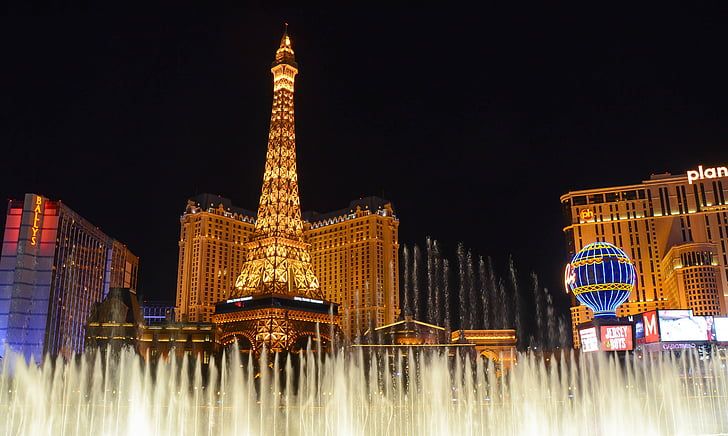
Las Vegas, Nevada

Location:
Las Vegas, NV

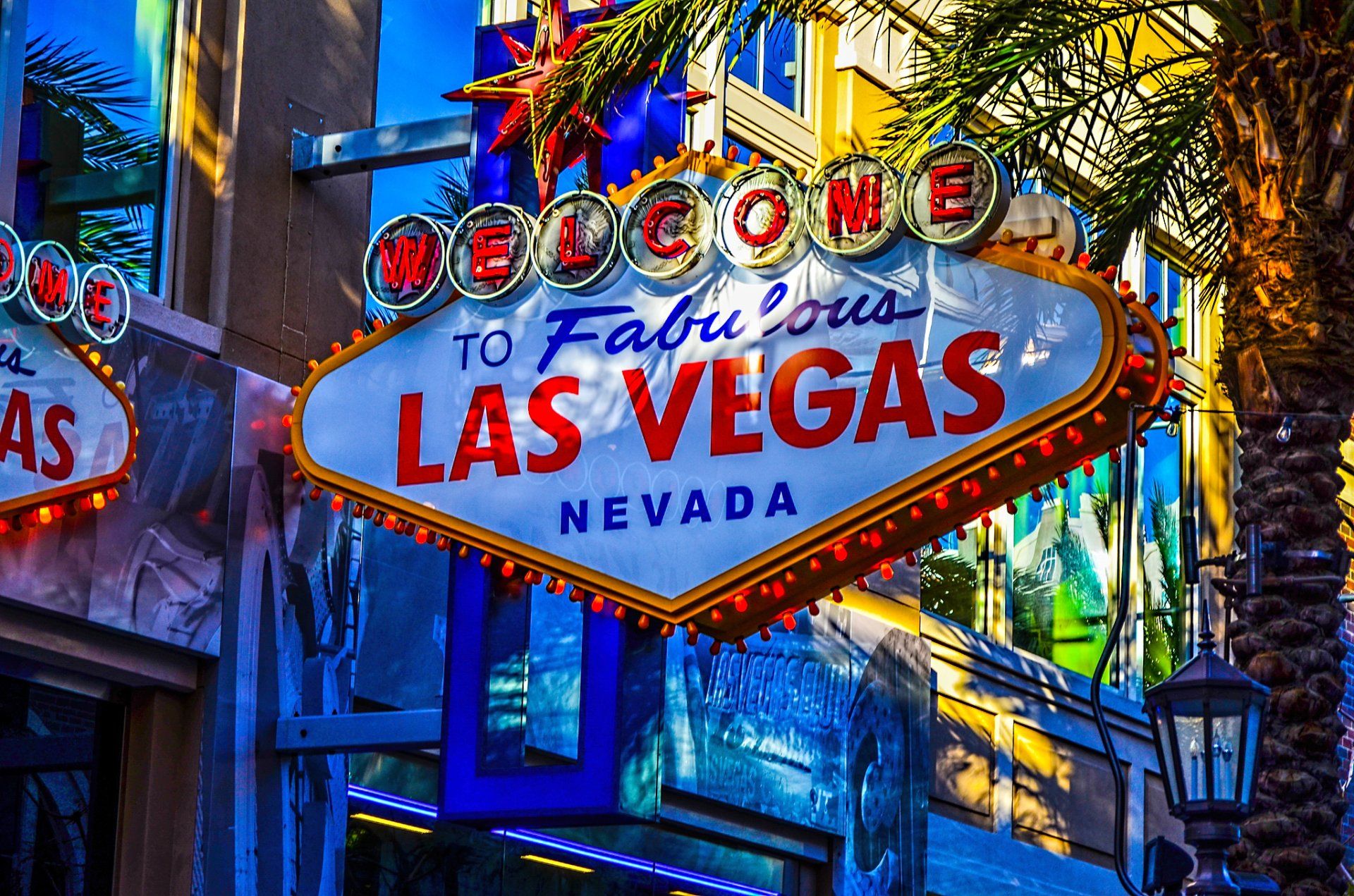
Welcome to Las Vegas

Founded on May 15, 1905, when the San Pedro, Los Angeles and Salt Lake Railroad auctioned off lots in the Mojave Desert, Las Vegas has grown from a dusty railroad stop into the most populous city in Nevada — home to roughly 679,000 residents across 141 square miles of the Las Vegas Valley. Unlike its neighbors Henderson and North Las Vegas, Las Vegas proper holds the distinction of being Clark County's seat and the region's primary commercial and cultural engine, with a downtown core anchored by Fremont Street and a skyline that tells the story of a city that reinvented itself generation after generation.

Beyond the casinos and spectacle that define its global reputation, Las Vegas is a city where people actually build lives. The Clark County School District — one of the five largest in the United States — serves families across the valley, while the University of Nevada, Las Vegas anchors a growing higher-education presence. A median home price of $450,000 and a median household income of $70,723 reflect a real residential market, one that draws both first-time buyers and seasoned investors. Whether you're exploring apartments in Las Vegas, Nevada or weighing a long-term property purchase, this is a city whose population growth, economic diversification into technology and logistics, and year-round sunshine make a compelling case for putting down roots.


Community Profile

One of the most dynamic metros in the American West, the Las Vegas–Henderson–North Las Vegas region is home to more than 2.3 million residents spread across Clark County's sun-drenched Mojave landscape. The population skews remarkably balanced across age groups, with a median age of 38.6 years — nearly identical to the national figure — and strong representation from young families: the 30–39 cohort alone accounts for 14.6% of residents, and an average family size of 3.32 speaks to a community built around households with children. Half of all families bring in two incomes, helping push the median household income to $73,877, just below the national median but impressive given Nevada's lack of a state income tax — a financial advantage that meaningfully stretches every paycheck.

The metro's diversity is one of its most compelling attributes. With 34.7% of residents identifying as Hispanic or Latino, 11.7% as Black, and 19% of mixed heritage, Las Vegas is a genuinely multicultural place to put down roots. A notable 43.1% of degree holders earned credentials in STEM fields, reflecting the region's quietly growing tech and healthcare sectors beyond the famous hospitality industry. For those weighing whether to buy or rent, the median home value of $427,426 remains well below many comparable Sun Belt metros, and with a homeownership rate of 56.6%, there is real opportunity to build equity here. Commuters also benefit from an average travel time of just 25.7 minutes — shorter than many large metros of similar scale. Whether you're exploring las vegas apartments as a stepping stone or ready to purchase outright, the data points to a city with genuine momentum and broad appeal.

Things to Do

Entertainment & Nightlife

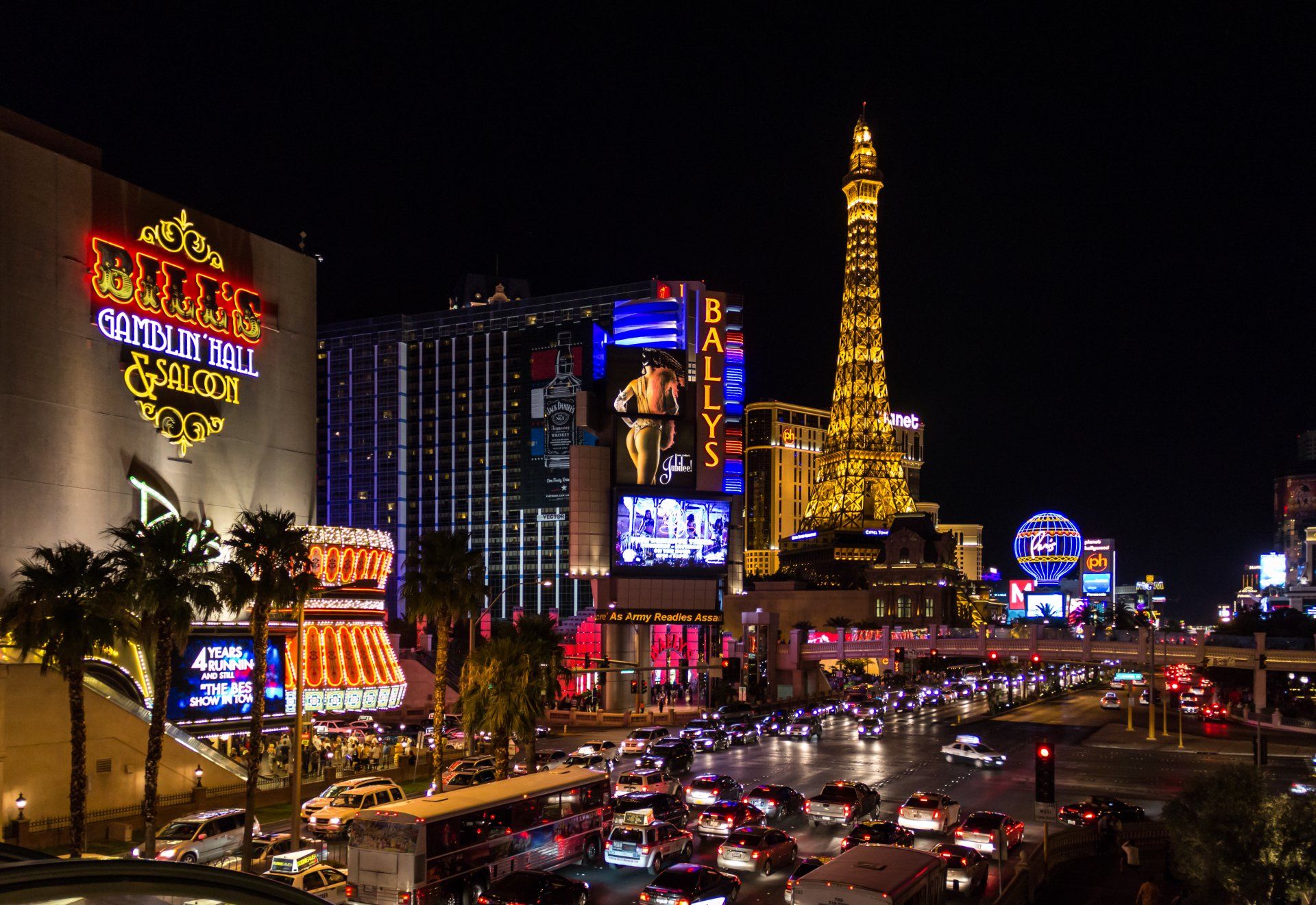
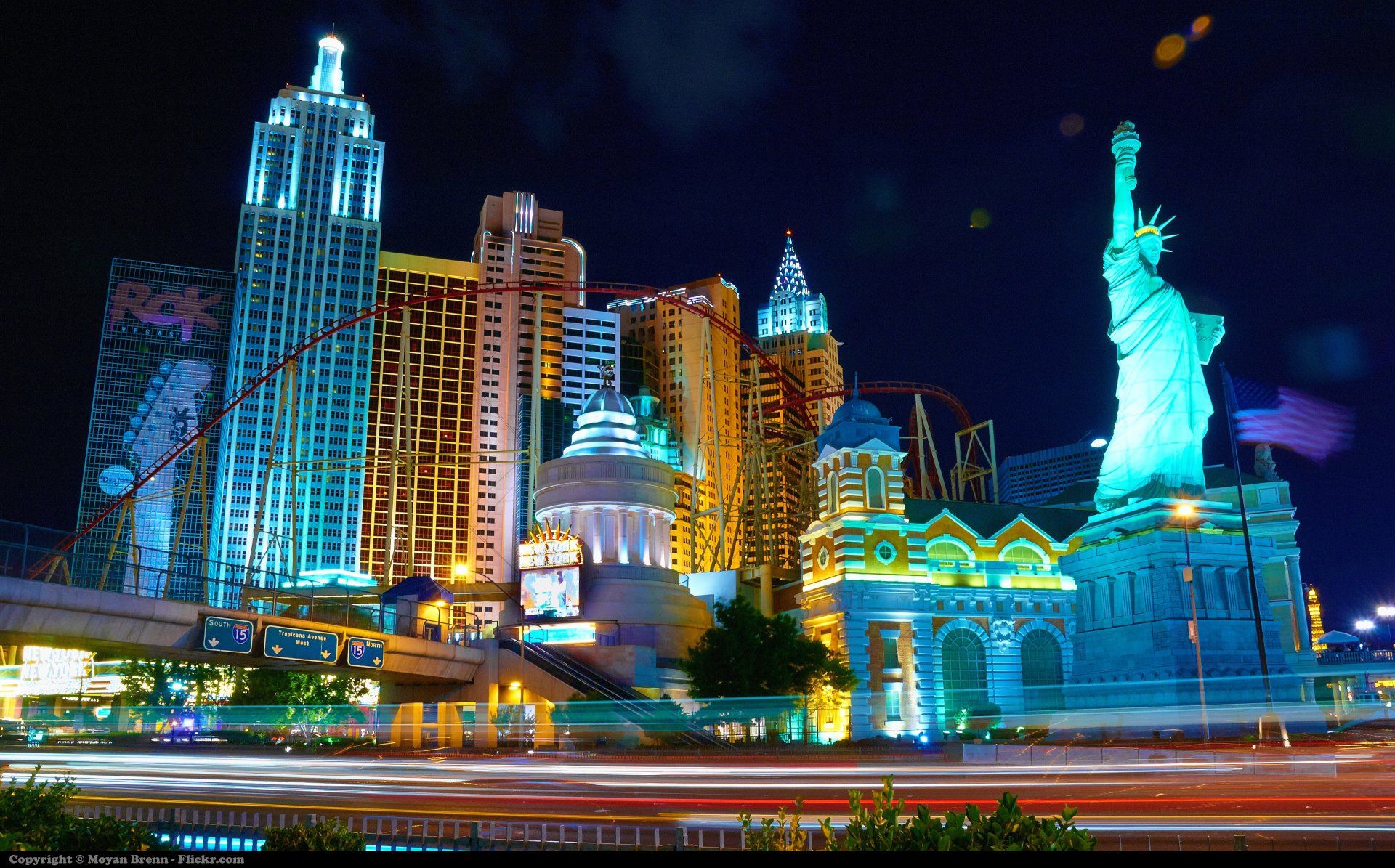
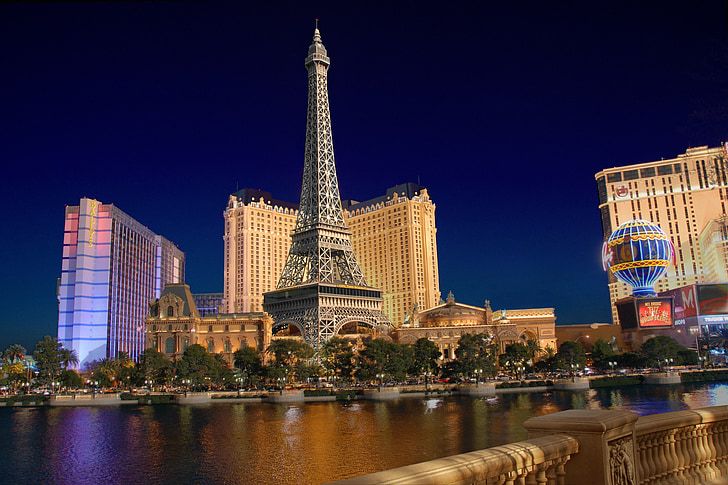
Las Vegas lives up to its reputation as the Entertainment Capital of the World with a staggering range of things to see and do — and most of it never sleeps. The iconic Las Vegas Strip, technically located in the unincorporated communities of Paradise and Winchester just outside city limits, is home to the world's most elaborate casino-resort complexes, headline residencies, and theatrical productions. Meanwhile, downtown Las Vegas pulses with its own distinct energy, anchored by the Fremont Street Experience — a dazzling overhead LED canopy stretching several blocks that hosts free nightly light shows and live music stages. This is where Las Vegas history lives, and it's a must-visit for anyone new to the city.

Arts & Culture

Beyond the neon, Las Vegas has quietly built a compelling cultural scene. The Lou Ruvo Center for Brain Health, designed by architect Frank Gehry, is a striking landmark in Symphony Park that doubles as one of the city's most photographed buildings. The Nevada State Museum at the Springs Preserve explores the natural and cultural history of the Mojave Desert and the Las Vegas Valley, while the Mob Museum on Stewart Avenue downtown offers a fascinating deep-dive into organized crime's role in shaping the city. The Neon Museum, also downtown, preserves vintage casino signage in an outdoor boneyard that is equal parts art installation and time capsule.

Outdoor Recreation

The Mojave Desert surroundings offer remarkable outdoor escapes just minutes from the city. Red Rock Canyon National Conservation Area sits roughly 17 miles west of the Strip, offering world-class hiking, rock climbing, and scenic drives through dramatic sandstone formations. Floyd Lamb Park at Tule Springs provides a surprisingly lush urban retreat in the northwest valley, with walking paths and picnic areas. Lake Mead National Recreation Area, about 30 miles east, draws boaters, kayakers, and anglers year-round.

Dining & Shopping

Las Vegas has evolved into a serious culinary destination, with acclaimed chefs operating restaurants across the resort corridor and beyond. The Arts District on Charleston Boulevard is a walkable neighborhood of independent restaurants, galleries, and boutiques that reflects the city's growing creative class — a neighborhood increasingly popular among those exploring apartments in Las Vegas, Nevada for its walkable, local character. For larger retail, the Downtown Summerlin open-air mall on the western edge of the valley offers over 125 shops and a packed calendar of seasonal events, including outdoor concerts and holiday markets.

Latest Properties in Las Vegas

Loading...

Loading latest properties...

See All Properties in Las Vegas

History

From Railroad Auction to Resort Metropolis

Las Vegas traces its formal origins to May 15, 1905, when the San Pedro, Los Angeles and Salt Lake Railroad — controlled by U.S. Senator William A. Clark — auctioned 1,800 lots in what was designated the Clark Las Vegas Townsite. More than 3,000 bidders arrived by special excursion train, purchasing parcels that would become the nucleus of today's downtown. The city incorporated on June 1, 1911, with fewer than 1,000 residents and an economy built almost entirely around railroad operations.

The year 1931 reshaped everything. Nevada legalized casino gambling in March of that year, and construction began on Hoover Dam just miles away on the Colorado River. The dam project flooded the valley with workers and capital, swelling the population to roughly 15,000 by 1940. After World War II, resort developers transformed the desert corridor south of downtown into the Las Vegas Strip, establishing the hospitality-driven economy that still defines the city today.

That postwar building surge laid the physical foundation for many of Las Vegas's established residential neighborhoods — the older grid streets near downtown, the mid-century ranch homes of the central valley — areas that today attract buyers seeking character and proximity to the urban core. Decades of sustained in-migration, accelerating sharply between 1990 and 2000 when the population grew by 85 percent, pushed development outward in every direction, producing the master-planned communities of Summerlin, Henderson, and the southwest that now dominate the market for apartments in Las Vegas, Nevada and single-family homes alike.

Today, with a population approaching 679,000 and a median home price of $450,000, the city's real estate market reflects that layered history — a compact historic core, mid-century suburbs, and vast newer subdivisions all shaped by the same desert-bound, tourism-powered growth engine that started with a railroad land auction 120 years ago.

Weather

A Desert Sun Year-Round

Las Vegas sits in the Mojave Desert at roughly 2,000 feet of elevation within the Las Vegas Valley, and its climate is classified as hot desert (BWh) — one of the most extreme and unambiguous climate designations in North America. The defining characteristic is relentless sunshine, with well over 300 sunny days per year and remarkably low humidity throughout most of the calendar.

Summers are intense. Daytime highs routinely climb to 105°F to 115°F from June through August, while overnight lows typically settle between 80°F and 85°F — offering only modest relief. Winters are mild by most standards, with afternoon highs generally in the 55°F to 65°F range and lows that can dip to the upper 30s on the coldest nights, though hard freezes are rare. Spring and fall are the city's most pleasant seasons, bringing warm, comfortable days in the 70s and 80s.

Precipitation is sparse, averaging around four inches annually. A brief monsoon season in July and August can deliver sudden, intense thunderstorms that cause flash flooding — a genuine hazard in the valley's flat terrain. Snow is a novelty, occurring perhaps once every few years.

For anyone considering apartments in Las Vegas, Nevada, climate shapes nearly every practical decision. Air conditioning is not optional — it runs hard for five or more months, making energy efficiency a top priority when evaluating any unit or home. Outdoor living spaces are highly valued but require shade structures and heat-tolerant landscaping. Roofing, exterior paint, and HVAC systems all face accelerated wear under the desert sun, making regular maintenance a consistent ownership consideration.

Las Vegas Market Analytics

Market analytics data coming soon.
Can I Afford Las Vegas?
$
%
$0
Est. Monthly Payment
$0/yr
Salary Required

*Principal & interest only. Salary based on 28% debt-to-income ratio.

Get Pre-Approved for Las Vegas