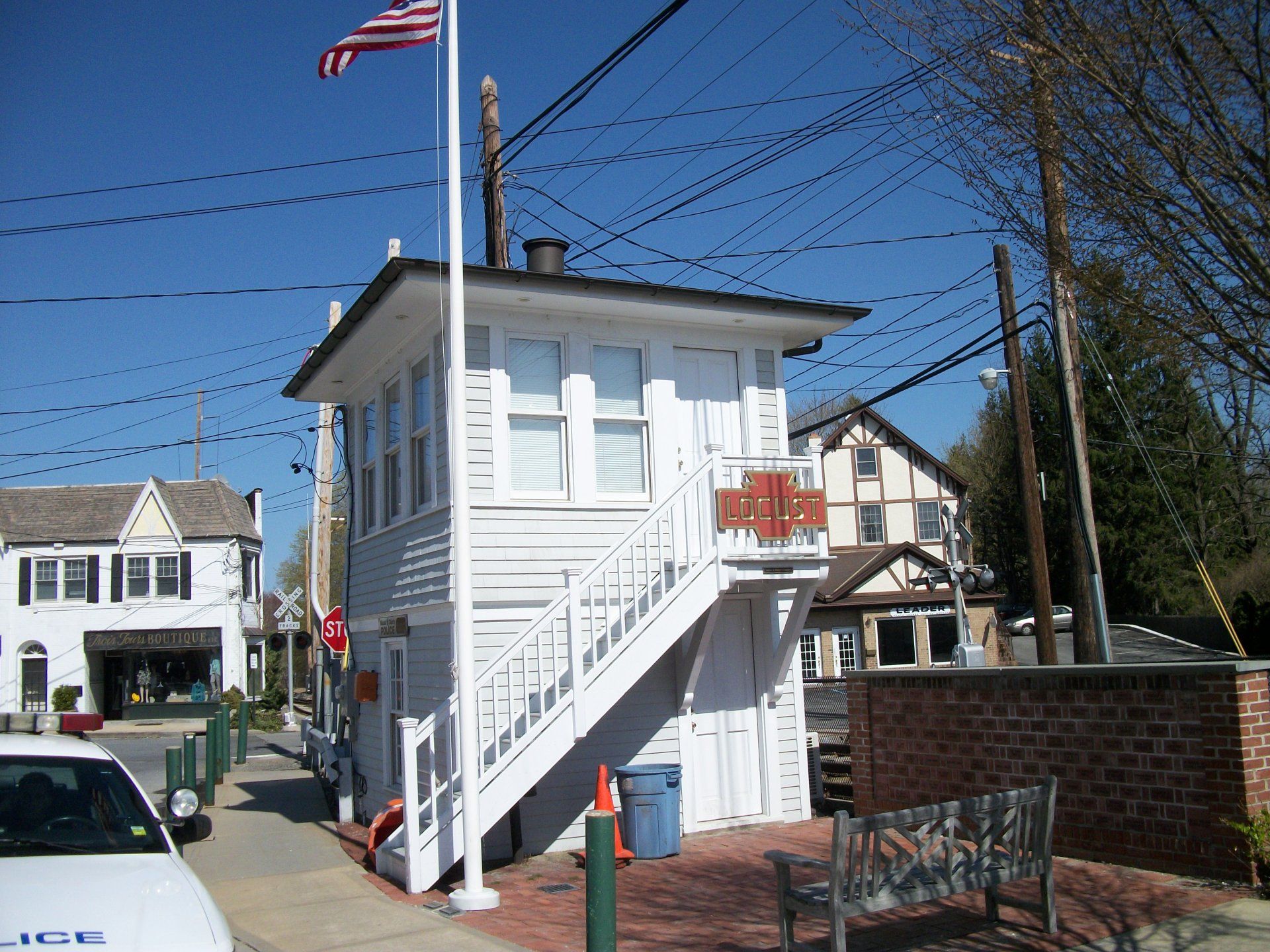
Locust Valley, New York

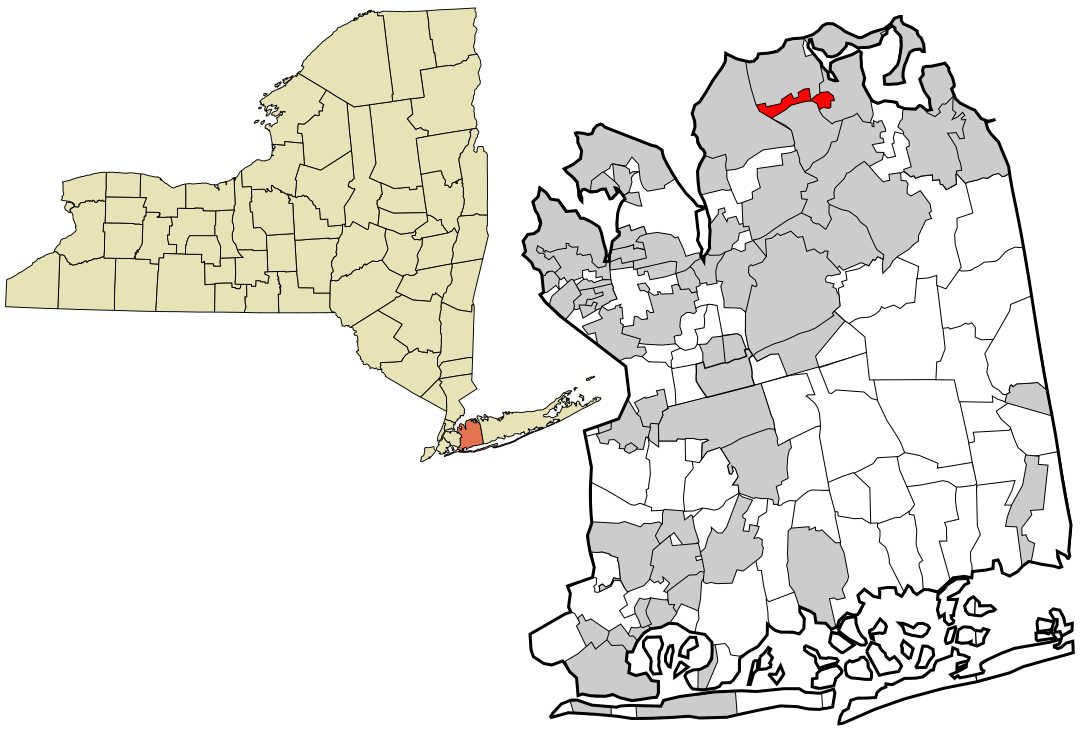
Location:
Locust Valley, NY

Welcome to Locust Valley

Situated on Long Island's North Shore Gold Coast in the Town of Oyster Bay, Nassau County, Locust Valley traces its origins to 1667, when Captain John Underhill negotiated the purchase of land from the Matinecock Indians — establishing what would become one of the most storied residential communities in the New York metropolitan area. Spanning just under one square mile, this small but prestigious hamlet carries a disproportionately large reputation, shaped by centuries of old-money culture, equestrian tradition, and the kind of quiet exclusivity that distinguishes it sharply from the more commercial corridors of nearby Glen Cove or the tourist-facing shores of Oyster Bay.

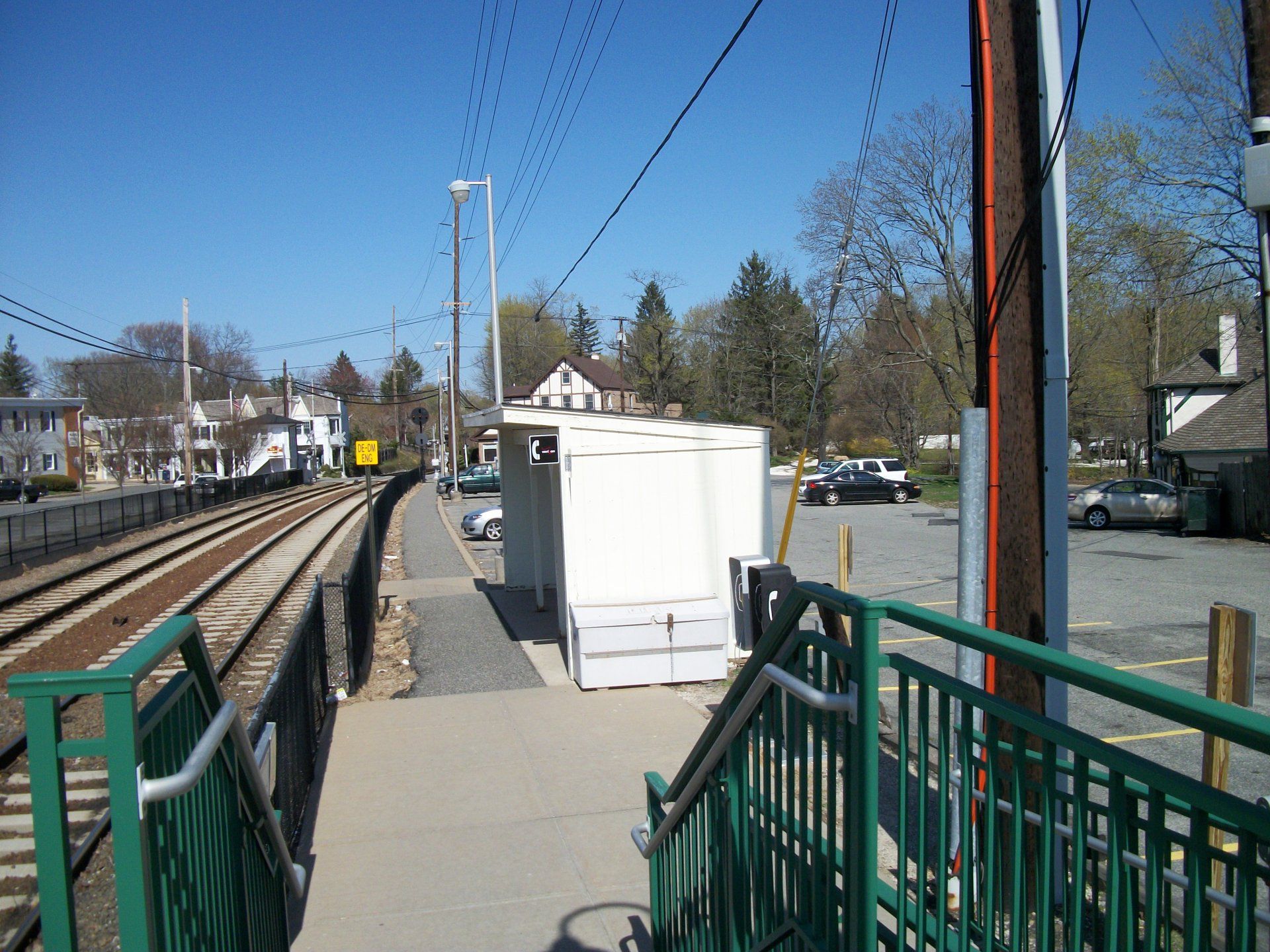
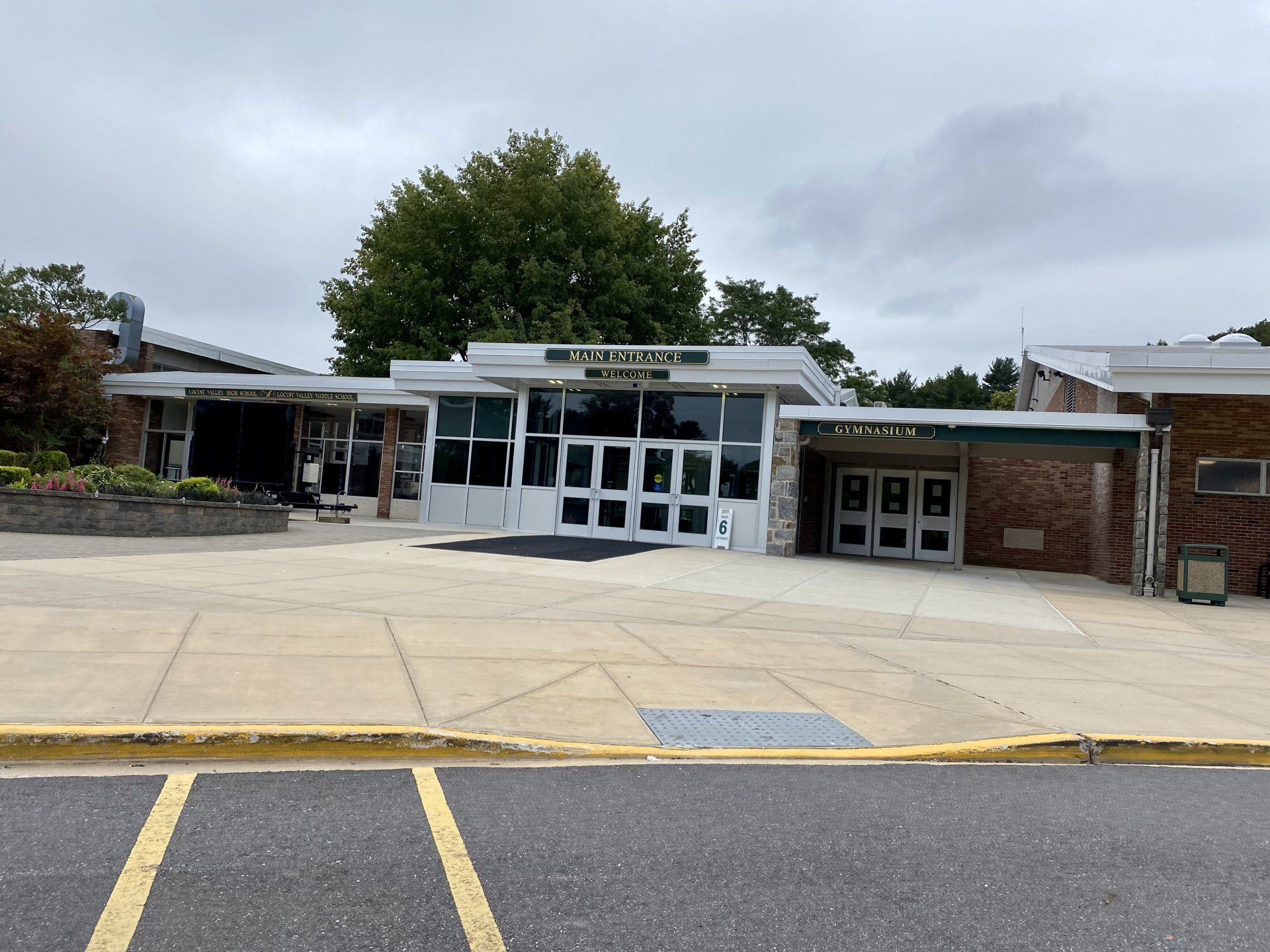
The Locust Valley Central School District consistently ranks among the top public school systems in New York State, and the Long Island Rail Road's Oyster Bay branch provides a direct connection to Manhattan — a combination that continues to draw discerning buyers. With a median home price of $1,150,000 and a median household income of $137,344, the market here reflects genuine, sustained demand. For buyers exploring locust valley homes for sale, this is a community where history, natural beauty, and long-term value converge in a way that few places on Long Island can match.

Community Profile

Tucked into Nassau County on Long Island's storied Gold Coast, this intimate community of just over 4,100 residents punches well above its weight in prosperity, education, and stability. The median household income here stands at a remarkable $152,472 — more than double the national median — and an extraordinary 70.7% of households earn six figures or more, reflecting the concentration of accomplished professionals who have chosen to put down roots in one of New York's most coveted enclaves. That affluence translates directly into real estate: the median home value of $837,460 speaks to the quality and character of the housing stock, and with a homeownership rate of 86.1% — far above the national norm of 65.5% — the community exudes the kind of long-term commitment that keeps neighborhoods well-maintained and tightly knit.

The demographic profile is equally compelling for buyers seeking a community with depth and staying power. At a median age of 41.9 years, residents skew slightly older than the national average, and a notable 25.3% of the population falls between ages 10 and 19 — a sign that families with children are a defining presence here. 63.3% of residents are married, with an average family size of 3.75, and 60.9% hold a bachelor's degree or higher, nearly double the national college attainment rate. With a poverty rate of just 2.5% and an uninsured rate of 4.5%, the community's overall wellbeing is exceptional. For those exploring locust valley homes for sale, these numbers paint a portrait of a grounded, high-achieving neighborhood where investment in home and community go hand in hand.

Things to Do

Outdoor Recreation & Nature

Locust Valley's North Shore setting gives residents and visitors access to some of Long Island's most scenic natural landscapes. The rolling terrain — shaped by glacial moraines left behind roughly 10,000 years ago — creates a backdrop of wooded hills, open meadows, and waterfront vistas that invite hiking, cycling, and leisurely walks. The broader Oyster Bay area, just a short drive away, offers access to Caumsett State Historic Preserve in nearby Lloyd Neck, one of the largest undeveloped parcels of land on Long Island's North Shore, with trails for hiking and mountain biking. The waters of Long Island Sound are never far, and the area's deep equestrian tradition means horse farms and riding trails remain a distinctive feature of the local landscape.

Clubs & Waterfront Activities

Locust Valley has long been home to some of the most prestigious private clubs on the East Coast. The Piping Rock Club, The Creek, and Beaver Dam offer golf, tennis, and social amenities to members, while the Seawanhaka Corinthian Yacht Club in nearby Centre Island is one of the oldest yacht clubs in the United States, reflecting the area's enduring love of sailing and competitive racing on Long Island Sound. Whether you're on the water or watching from shore, the nautical culture here is deeply woven into daily life.

Dining & Shopping

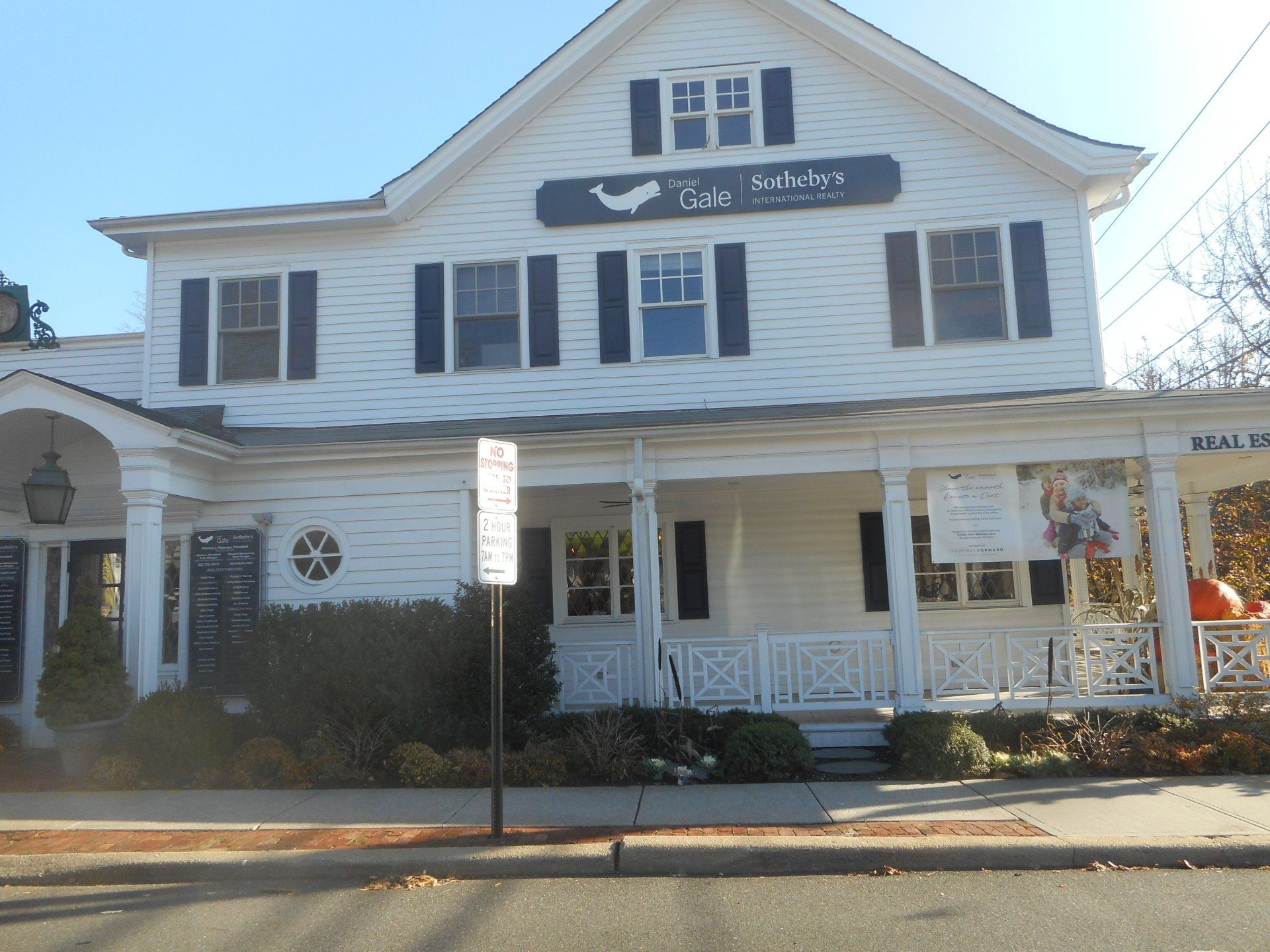
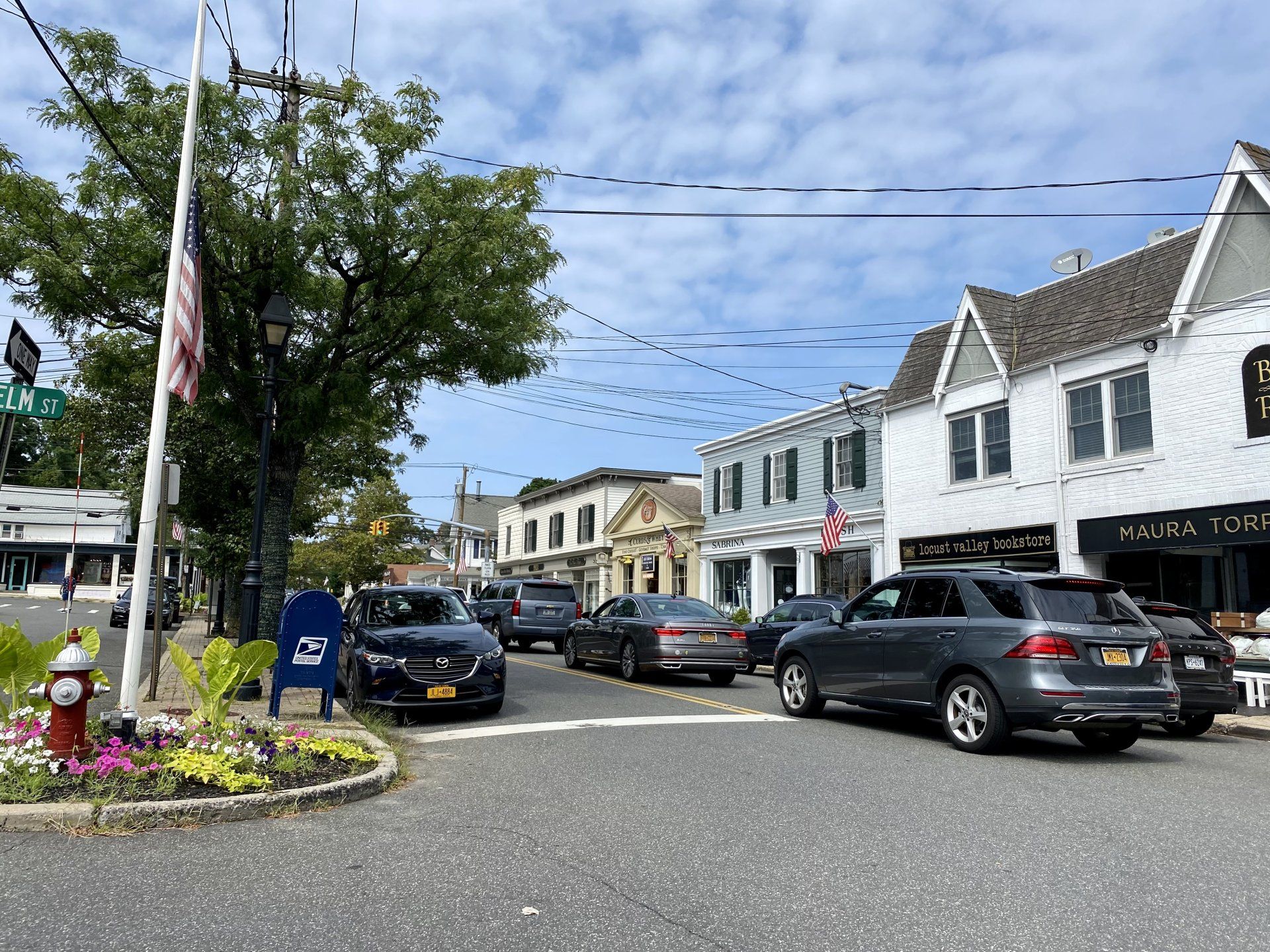
The walkable downtown village center along Forest Avenue and Buckram Road offers a charming mix of boutique shops, specialty retailers, and dining options that reflect the community's refined but unpretentious character. The commercial district has served the surrounding Gold Coast communities for well over a century, and today it retains that intimate, neighborhood feel. Locally owned cafés, wine bars, and farm-to-table restaurants make it easy to spend a relaxed afternoon without venturing far from home — a quality that appeals to many buyers exploring locust valley homes for sale.

Arts, Culture & History

The Locust Valley Historical Society, founded in 1983, preserves the hamlet's remarkable past through archives and community programming. The Julia Clark Historical Collection, housed at the Locust Valley Library, documents the area's evolution from Quaker farmland to Gold Coast grandeur. History enthusiasts can also visit the Matinecock Friends Meetinghouse, established in 1725 and one of the oldest Quaker meeting houses still standing on Long Island. The nearby Planting Fields Arboretum State Historic Park in Oyster Bay features stunning formal gardens and a preserved Gold Coast estate, offering a vivid window into the opulent era that defined this entire region.

Latest Properties in Locust Valley

Loading...

Loading latest properties...

See All Properties in Locust Valley

History

From Buckram to Gold Coast: A Brief History of Locust Valley

Locust Valley's story begins in 1667, when Captain John Underhill negotiated the purchase of land from the Matinecock tribe — Algonquian-speaking people whose name for the region, meaning "hilly ground," described the glacially formed terrain that still defines the North Shore landscape today. Underhill and his fellow colonists named their settlement Buckram, a name that endured for nearly two centuries before residents voted in 1856 to rename it Locust Valley, honoring the black locust trees that blanketed the rolling hillsides.

The hamlet's modern character was set in motion on April 19, 1869, when the Long Island Rail Road extended the Glen Cove branch to Locust Valley, making it the line's terminus. The railroad didn't just bring commuters — it brought capital. A commercial center took root around the station at Forest Avenue and Buckram Road, and the surrounding farmland began giving way to the grand estates of the Gilded Age. By the early 20th century, Locust Valley sat at the heart of Long Island's legendary Gold Coast, serving as the social and commercial hub for the great estates of Bayville, Lattingtown, Mill Neck, and Matinecock. Financier Harrison Williams — considered the wealthiest American in 1929 — maintained a nearby estate, and figures ranging from the Duke of Windsor to Franklin D. Roosevelt spent time in the area.

That legacy of exclusivity never really faded. The estates gave way to a more intimate scale of affluence, but the equestrian traditions, private clubs like the Piping Rock Club, and top-ranked Locust Valley Central School District kept the community firmly in the upper tier of Nassau County real estate. Today, those searching for locust valley homes for sale are buying into more than a zip code — they're inheriting a place shaped by three and a half centuries of deliberate, carefully preserved character.

Weather

Locust Valley experiences a humid continental climate, shaped by its position on the North Shore of Long Island and its proximity to Long Island Sound. The Sound acts as a natural moderating force, tempering the extremes that inland areas of the Northeast often face — keeping summers slightly cooler and winters marginally milder than locations further from the water.

Summers are warm and humid, with daytime highs typically ranging from the mid-80s°F and overnight lows settling in the upper 60s. July is the warmest month, and sea breezes off the Sound provide welcome relief during heat spells. Winters are cold but not severe by New England standards, with average highs in the mid-30s°F and lows dipping into the low-to-mid 20s°F. Snowfall is a regular feature of the season, though coastal proximity tends to moderate accumulations compared to areas further north or inland.

Precipitation is fairly well distributed throughout the year, averaging around 45 inches annually, with no pronounced dry season. Nor'easters can bring significant snow or rain in late winter and early spring, and the area occasionally feels the remnants of late-summer tropical systems.

For those considering locust valley homes for sale, the climate has real practical implications. The outdoor lifestyle — from equestrian pursuits to waterfront recreation — is genuinely enjoyable across three seasons, but buyers should account for heating costs during cold months, routine storm preparation, and seasonal maintenance demands like roof upkeep and landscaping care that come with owning property in a four-season coastal environment.

Locust Valley Market Analytics

The Locust Valley housing market is showing signs of stability and growth, with the average home value increasing by 4.6% over the past year to $1,172,798, according to data analyzed by Opulist. This suggests that the market is balancing out, with steady demand and limited inventory, which is currently at 16 homes for sale. As a buyer or seller, it's essential to work with a knowledgeable expert like Opulist to navigate this market and make informed decisions.


1-Year Home Value Change: +4.6%

Locust Valley Home Value Index over time.

Can I Afford Locust Valley?
$
%
$0
Est. Monthly Payment
$0/yr
Salary Required

*Principal & interest only. Salary based on 28% debt-to-income ratio.

Get Pre-Approved for Locust Valley