

Long Island City, New York

Location:
Long Island City, NY

Welcome to Long Island City

Long Island City was incorporated as a city on May 4, 1870 — a fact that surprises many who assume it has always been simply a Queens neighborhood. Situated on the westernmost edge of Long Island, directly across the East River from Midtown Manhattan, it spent nearly three decades as an independent municipality before joining Greater New York City in 1898. That layered history — independent city, industrial powerhouse, arts district, and now one of the borough's most sought-after addresses — gives Long Island City a depth of character that newer developments in neighboring Astoria or Sunnyside simply cannot replicate.

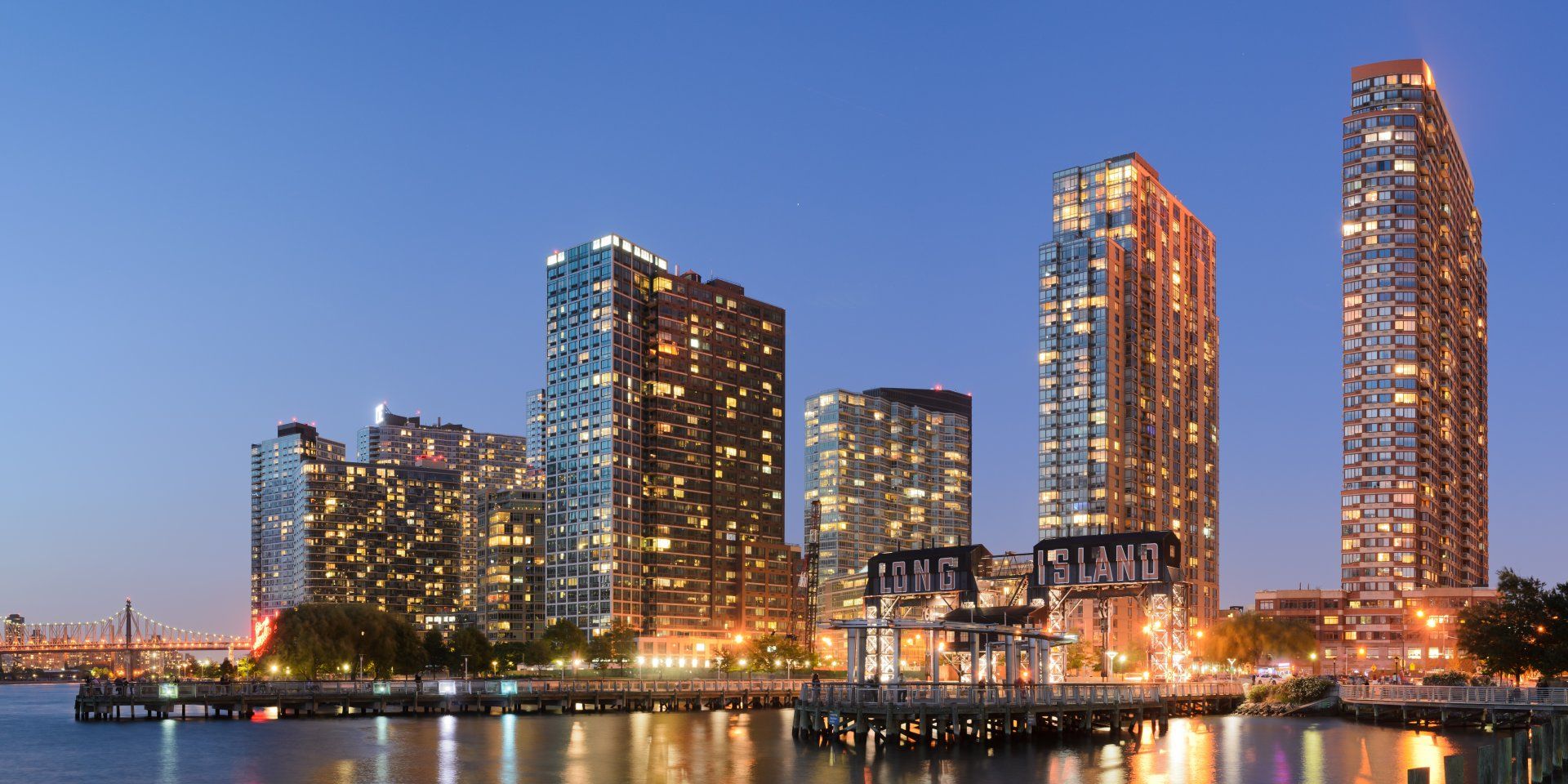
Today, with roughly 63,000 residents packed into just 3.3 square miles, the neighborhood pulses with energy. Gantry Plaza State Park offers some of the most dramatic views of the Manhattan skyline anywhere in the five boroughs, while MoMA PS1 anchors a genuine arts scene that has drawn galleries and studios for decades. Multiple subway lines — including the 7, E, M, N, and W trains — put Midtown Manhattan less than ten minutes away, a transit advantage that few neighborhoods at any price point can match.

For buyers and investors watching New York City's long-term trajectory, Long Island City represents something rare: a neighborhood with genuine history, world-class transit access, and significant room still to grow.


Things to Do

Arts & Culture

Long Island City punches well above its weight as a cultural destination. MoMA PS1, one of the oldest and largest art institutions in the United States dedicated to contemporary art, anchors the neighborhood's creative identity with boundary-pushing exhibitions and its legendary summer Warm Up concert series held in the courtyard every Saturday from July through Labor Day. Just a short walk away, the Noguchi Museum offers a serene, sculptor-designed space showcasing the life's work of Isamu Noguchi amid tranquil garden settings — a genuinely transportive experience. The SculptureCenter rounds out the trio, presenting experimental sculpture and installation art in a converted trolley repair shop. Together, these three institutions make LIC one of the most compelling arts districts in all of New York City.

Outdoor Recreation

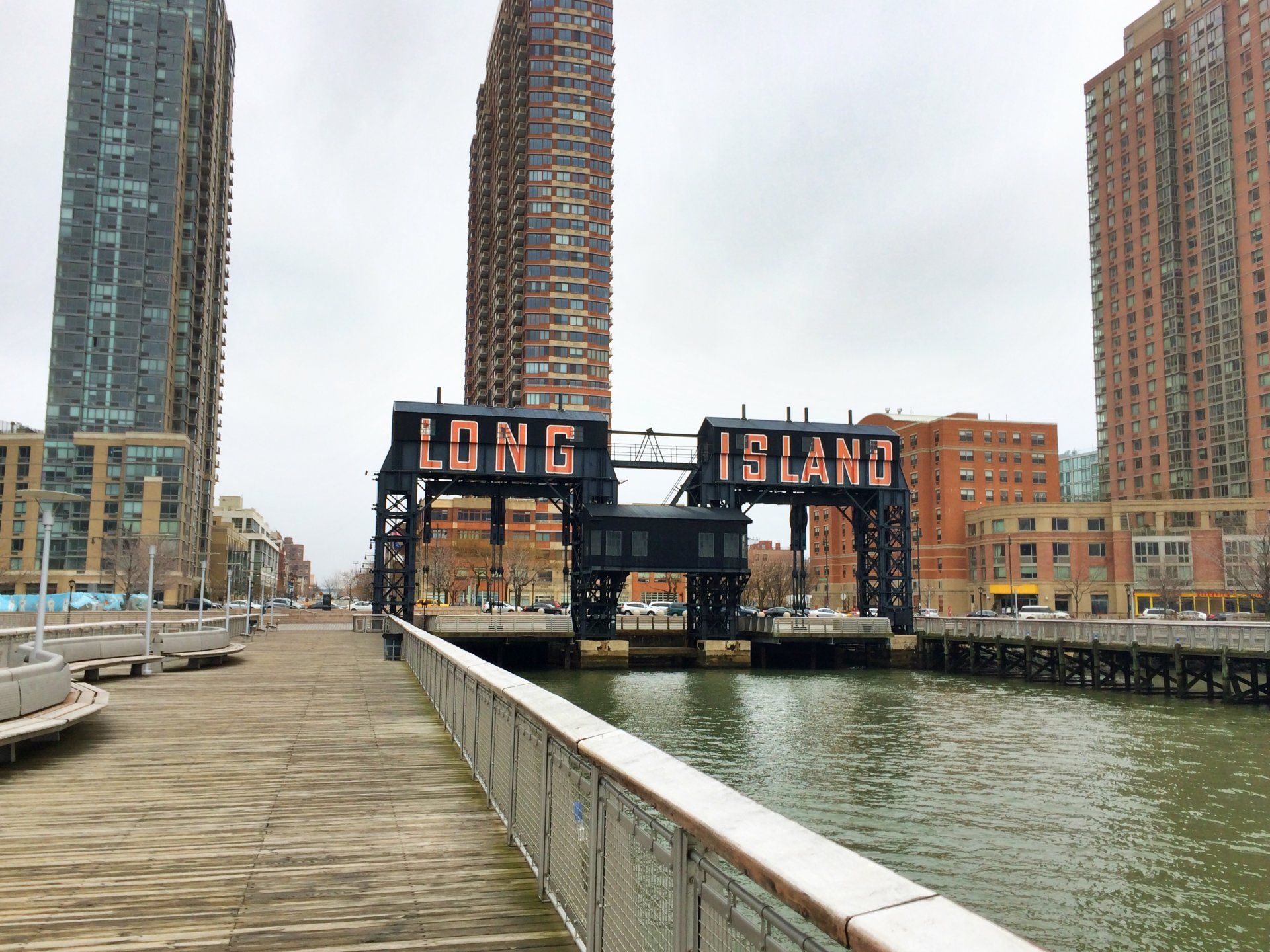
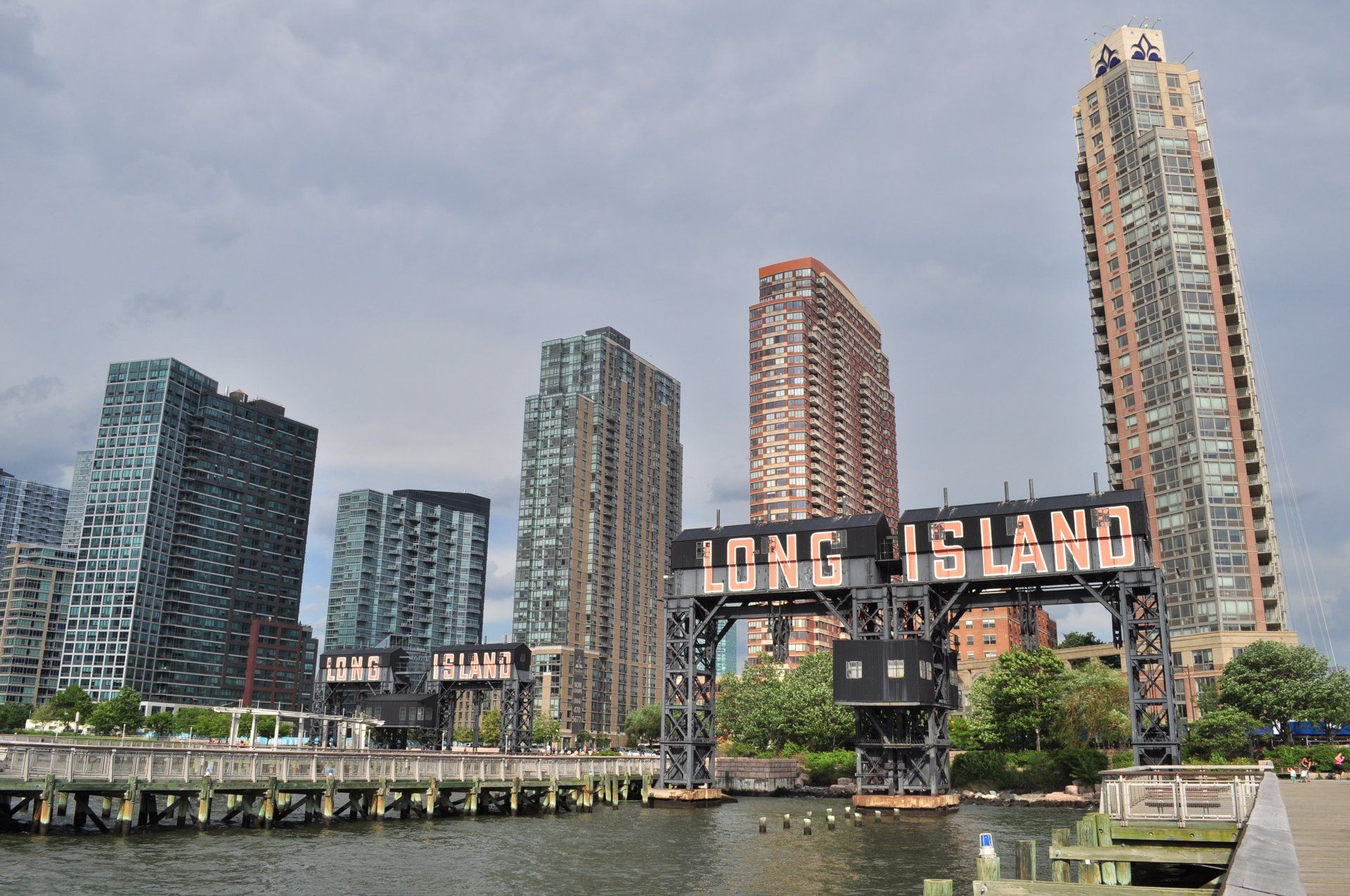
Gantry Plaza State Park is the neighborhood's crown jewel for outdoor life. Stretching along the East River waterfront, the park features restored industrial gantries, manicured lawns, fishing piers, and some of the most dramatic unobstructed views of the Midtown Manhattan skyline you'll find anywhere in the five boroughs — particularly stunning at sunset. The park connects to Hunters Point South Park, a newer addition that extends the waterfront greenway southward and includes a playground, kayak launch, and open lawn space ideal for weekend picnics. Cyclists and joggers enjoy the continuous riverside path, and the proximity to the water makes the area feel remarkably open for a dense urban neighborhood.

Dining & Nightlife

Long Island City's dining scene reflects its rapid evolution — a lively mix of long-standing neighborhood spots and newer restaurants catering to the area's growing population of young professionals. The blocks around Queens Plaza and Vernon Boulevard are particularly active, lined with cafés, wine bars, and international eateries. The neighborhood's Queens roots mean genuine culinary diversity is never far away, with options spanning cuisines from across Asia, Latin America, and the Middle East.

Family Activities & Local Exploration

Families will find plenty to enjoy, from waterfront play areas at Hunters Point South Park to the fascinating industrial history embedded in the neighborhood's streetscape. The iconic Pepsi-Cola sign along the East River — a designated New York City landmark — makes for a beloved photo stop. The Queensboro Bridge, just minutes away, offers a pedestrian and bike path with sweeping river views, connecting LIC directly to Midtown Manhattan in under two miles.

Latest Properties in Long Island City

Loading...

Loading latest properties...

See All Properties in Long Island City

History

From Independent City to Skyline Anchor

Long Island City's story begins with a formal act of consolidation: on May 4, 1870, the villages of Astoria, Hunters Point, Ravenswood, Dutch Kills, Steinway, and several smaller hamlets merged to form an incorporated city, electing A.D. Ditmars as its first mayor that July. At incorporation, the city counted between 12,000 and 15,000 residents — a fraction of the 63,000 who live there today.

The city surrendered its independence in 1898, folding into the newly consolidated City of Greater New York. What followed was a century defined by industry. Long Island City's waterfront position made it a natural freight and manufacturing hub, and through the early 20th century, factories lined the blocks between the East River and the rail yards. The construction of the Queensboro Bridge and three subway tunnels through the 1930s deepened the neighborhood's ties to Manhattan without transforming its working-class industrial character.

By the 1970s, that industrial economy was hollowing out. Factories closed, and the waterfront fell into disuse — leaving behind the iron gantries at Hunters Point that would later become the defining landmarks of Gantry Plaza State Park. The turnaround came in stages: a 1990s initiative launched Queens West, targeting 74 acres along the East River for residential development, and a pivotal 2001 rezoning formally shifted the neighborhood from industrial to residential designation.

That rezoning unleashed a transformation still visible in the skyline. Between 2010 and 2017 alone, 41 new residential apartment buildings rose in Long Island City. Today, with a median home price of $905,000 and a median household income of $94,371, the neighborhood reflects the full arc of that reinvention — industrial bones, waterfront ambition, and relentless Manhattan-adjacent demand.

Weather

Four Seasons in Long Island City

Long Island City experiences a humid subtropical climate, the classification that applies to New York City and its immediate surroundings, characterized by hot, humid summers and cool-to-cold winters with precipitation distributed fairly evenly throughout the year. Sitting on the western edge of Queens directly across the East River from Midtown Manhattan, the neighborhood benefits from a degree of urban heat island effect that keeps temperatures slightly milder than outlying suburban areas.

Summer highs typically reach the mid- to upper 80s°F, with overnight lows in the upper 60s to low 70s. Humidity can make July and August feel considerably warmer than the thermometer suggests. Winters bring average highs in the mid-30s to low 40s°F, with lows dipping into the 20s during cold snaps. Snowfall occurs most years but rarely accumulates to extreme depths, as the East River's moderating influence and the density of the surrounding urban environment temper the worst of winter cold.

Annual precipitation hovers around 46 to 50 inches, spread across all seasons, with occasional nor'easters delivering heavy rain or snow in late winter and spring. The low-lying waterfront topography makes flood awareness a genuine real estate consideration — buyers and renters in ground-floor or basement units should factor flood insurance into their budgets.

For residents, the climate means meaningful investment in both cooling systems for summer and reliable heating for winter, while the mild shoulder seasons — particularly the long, pleasant falls — make LIC's rooftop terraces and waterfront parks among the most enjoyable outdoor spaces in the city.

Long Island City Market Analytics

As a professional real estate market analyst for Opulist, I can tell you that the Long Island City market is showing signs of balance, with a median sale-to-list price ratio of 0.979 and a relatively stable inventory of homes for sale, suggesting that the market is neither strongly favoring buyers nor sellers. The fact that 20.8% of sales are happening above list price and 67.1% are happening below list price indicates a moderate level of negotiation and competition in the market. Overall, this data suggests a healthy and relatively stable market, making it a good time to buy or sell a home in Long Island City with the guidance of Opulist.


1-Year Home Value Change: +4%

Long Island City Home Value Index over time.

Can I Afford Long Island City?
$
%
$0
Est. Monthly Payment
$0/yr
Salary Required

*Principal & interest only. Salary based on 28% debt-to-income ratio.

Get Pre-Approved for Long Island City