
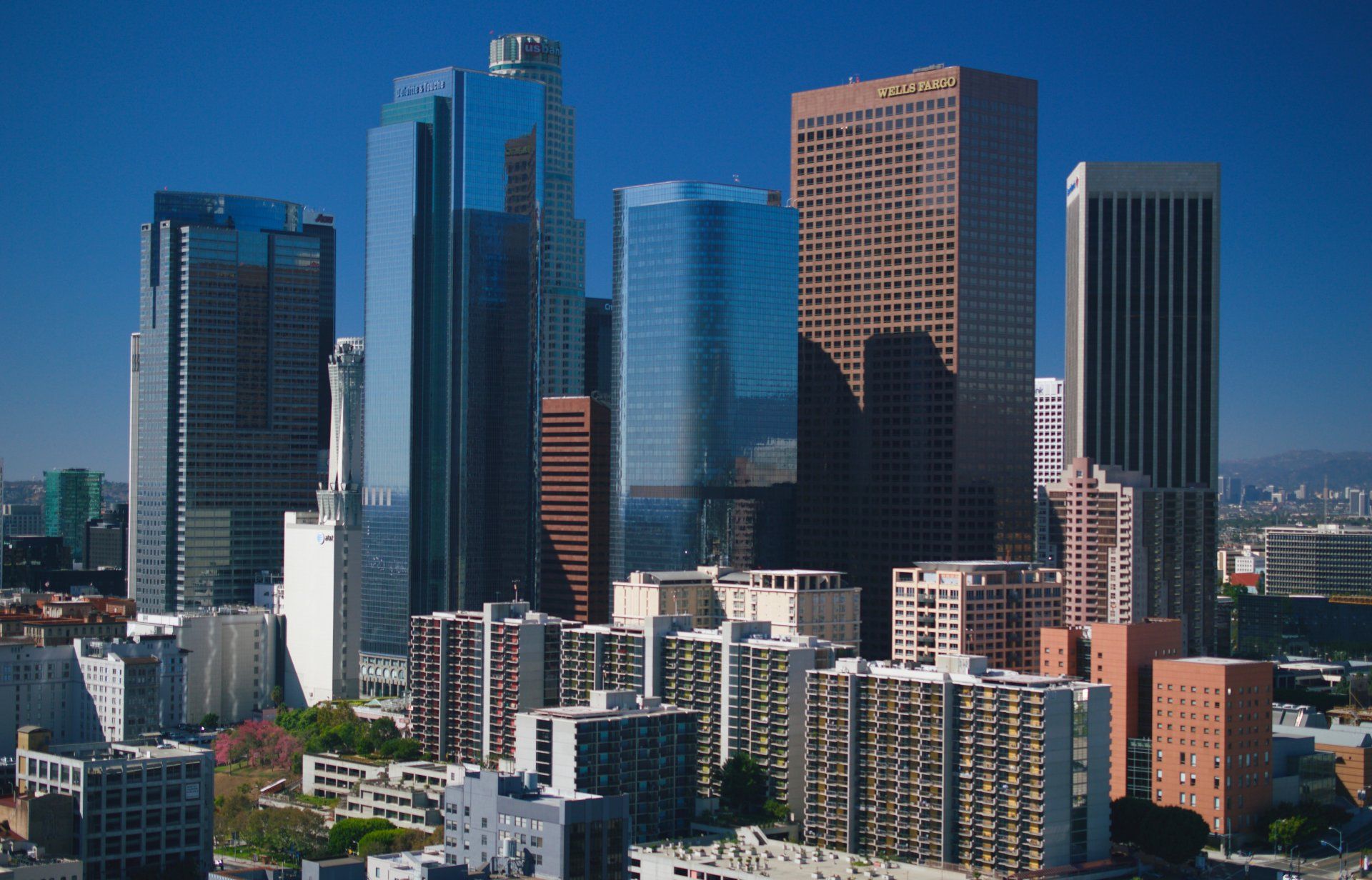
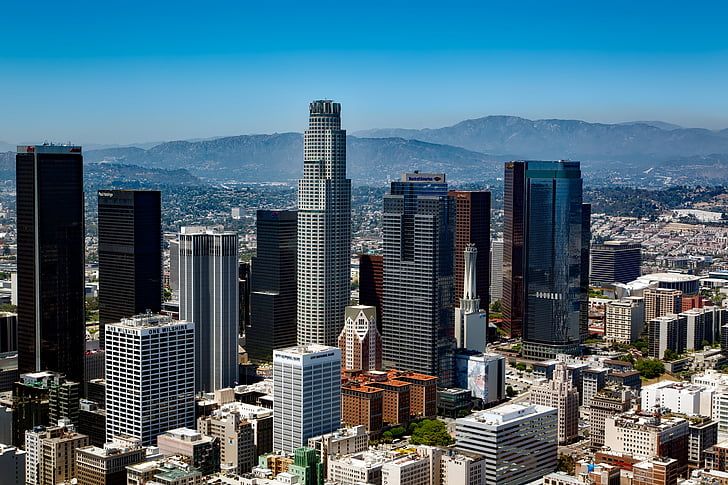
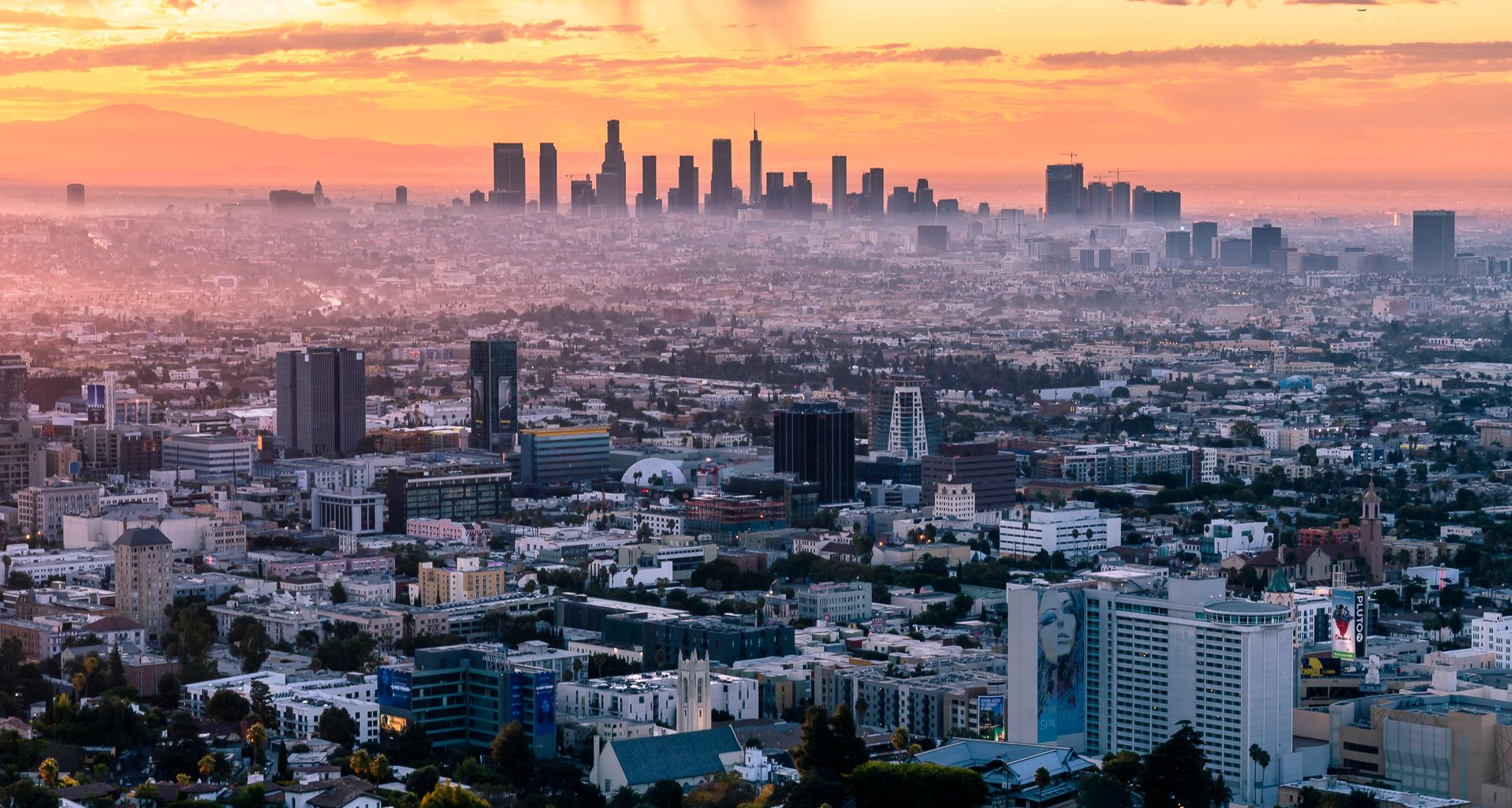
Los Angeles, California

Location:
Los Angeles, CA

Welcome to Los Angeles

Founded on September 4, 1781, when 44 Spanish settlers established El Pueblo de Nuestra Señora la Reina de los Ángeles along the banks of the Los Angeles River, this city has grown from a modest colonial outpost into the second-most populous city in the United States, home to nearly 3.9 million people across 469 square miles. Unlike its neighbors — Santa Monica, Beverly Hills, or Pasadena, each incorporated as separate cities with their own governance and character — Los Angeles operates as a sprawling, self-contained metropolis that functions simultaneously as a global entertainment capital, a major international trade hub through the Port of Los Angeles, and one of the world's largest urban economies.

The city's geography is as varied as its population: the Pacific coastline gives way to the Los Angeles Basin, which rises into the Santa Monica Mountains and opens north into the San Fernando Valley. Griffith Park, one of the largest urban parks in the country, anchors the eastern hills and draws residents year-round with its trails and the iconic Griffith Observatory. The Los Angeles Unified School District serves the city's families, and Metro Rail connections continue expanding access across the region. For those exploring homes for sale in Los Angeles, CA, the city's combination of cultural depth, economic opportunity, and the promise of the 2028 Summer Olympics makes this an exceptionally compelling place to put down roots.


Community Profile

One of the most culturally layered metropolitan regions on the planet, greater Los Angeles is home to nearly 12 million people spread across a mosaic of neighborhoods, hillside communities, and coastal enclaves. The population skews slightly younger than the national median, with a median age of 37.2 years, and the largest single age cohort — adults in their 30s — makes up 17.1% of residents, signaling a city very much in its prime working and family-building years. Average family size of 3.4 people reflects the multigenerational households that give so many LA neighborhoods their warmth and density of community life.

The region's intellectual capital is a genuine draw for buyers researching homes for sale in Los Angeles, CA. A strong 38.5% of adults hold a bachelor's degree or higher — well above the national average of roughly 33% — and an impressive 43% of degree holders studied STEM fields, reflecting the deep roots of the aerospace, tech, and biomedical industries here. Median household income reaches $81,939, outpacing the national median, and a remarkable 42% of households earn six figures or more, supported in large part by the 57.1% of families where two incomes contribute to the household. With a median home value of $920,133, real estate here represents a premium — but also a historically proven store of long-term wealth. The community's extraordinary diversity, with 47.2% Hispanic/Latino residents and meaningful representation across every background, makes Los Angeles one of the most genuinely pluralistic places in America to put down roots.

Things to Do

Arts & Culture

Los Angeles is one of the world's great cultural capitals, and its institutions reflect that stature. The Getty Center in Brentwood offers world-class European paintings, sculpture, and decorative arts alongside sweeping views of the city and coastline — admission to the galleries is free. The Los Angeles County Museum of Art (LACMA) on Wilshire Boulevard is the largest art museum in the western United States, with encyclopedic collections spanning thousands of years. For science and natural history, the Natural History Museum of Los Angeles County in Exposition Park anchors a cultural campus that also includes the California Science Center, home to the retired Space Shuttle Endeavour. The legendary Hollywood Bowl hosts the Los Angeles Philharmonic each summer in one of the most iconic outdoor concert settings anywhere in the country.

Outdoor Recreation

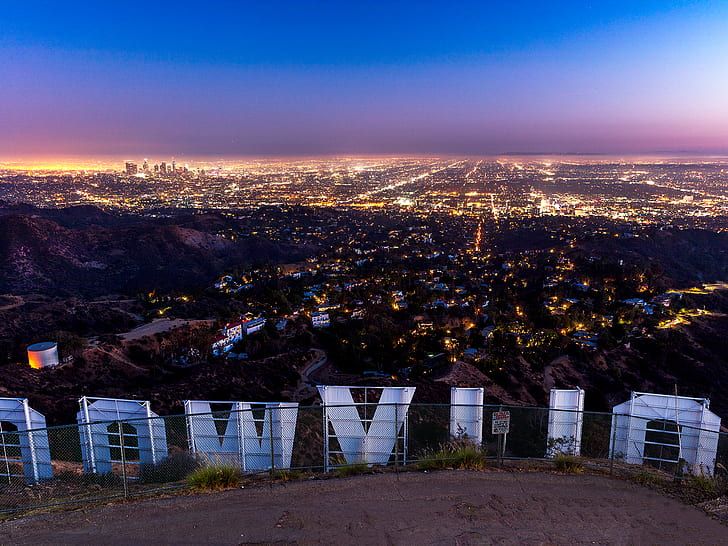
Griffith Park — one of the largest urban parks in North America — offers hiking trails, the beloved Griffith Observatory, and panoramic views of the Hollywood Sign and the downtown skyline. Along the coast, Venice Beach and Santa Monica State Beach draw millions of visitors year-round, while the Santa Monica Pier provides classic boardwalk entertainment just a short drive from many houses for sale in Los Angeles. Hikers and trail runners flock to the Runyon Canyon Park in the Hollywood Hills for accessible ridge-top trails with remarkable city views.

Dining & Shopping

Los Angeles is a globally celebrated food city. Grand Central Market in downtown in Los Angeles has been a culinary gathering place since 1917, today showcasing an eclectic mix of vendors representing the city's extraordinary diversity. The Original Farmers Market at Third and Fairfax has been a neighborhood institution since 1934. For shopping, Rodeo Drive in Beverly Hills remains synonymous with luxury retail, while Melrose Avenue and the Arts District cater to independent boutiques and creative streetwear.

Sports & Family Activities

Sports fans are spoiled for choice. The Dodgers play at Dodger Stadium, one of baseball's most storied venues, while the Crypto.com Arena downtown hosts the Lakers, Clippers, and Kings. Families enjoy Universal Studios Hollywood in the San Fernando Valley and the world-famous Los Angeles Zoo within Griffith Park. Each summer, the city comes alive with outdoor film screenings, street festivals, and neighborhood events celebrating L.A.'s endlessly layered cultural identity.

Latest Properties in Los Angeles

Loading...

Loading latest properties...

See All Properties in Los Angeles

History

From Pueblo to Metropolis

Los Angeles was formally founded on September 4, 1781, when 44 settlers known as Los Pobladores established El Pueblo de Nuestra Señora la Reina de los Ángeles under Spanish Governor Felipe de Neve — on the very ground where the Tongva people had maintained the village of Yaangna for thousands of years. The city passed from Spanish to Mexican control in 1821 following the Mexican War of Independence, then became American territory through the Treaty of Guadalupe Hidalgo in 1848, with formal incorporation following on April 4, 1850.

The discovery of oil in the 1890s ignited the city's first major growth surge, drawing speculators, workers, and entrepreneurs from across the country. The completion of the Los Angeles Aqueduct in 1913 — William Mulholland's controversial engineering feat — unlocked the water supply that made large-scale urban expansion possible, fueling the development of neighborhoods across the San Fernando Valley and beyond. The postwar housing boom of the late 1940s and 1950s then stamped the city's enduring character: low-density residential streets, automobile-oriented design, and sprawl that now stretches across nearly 470 square miles.

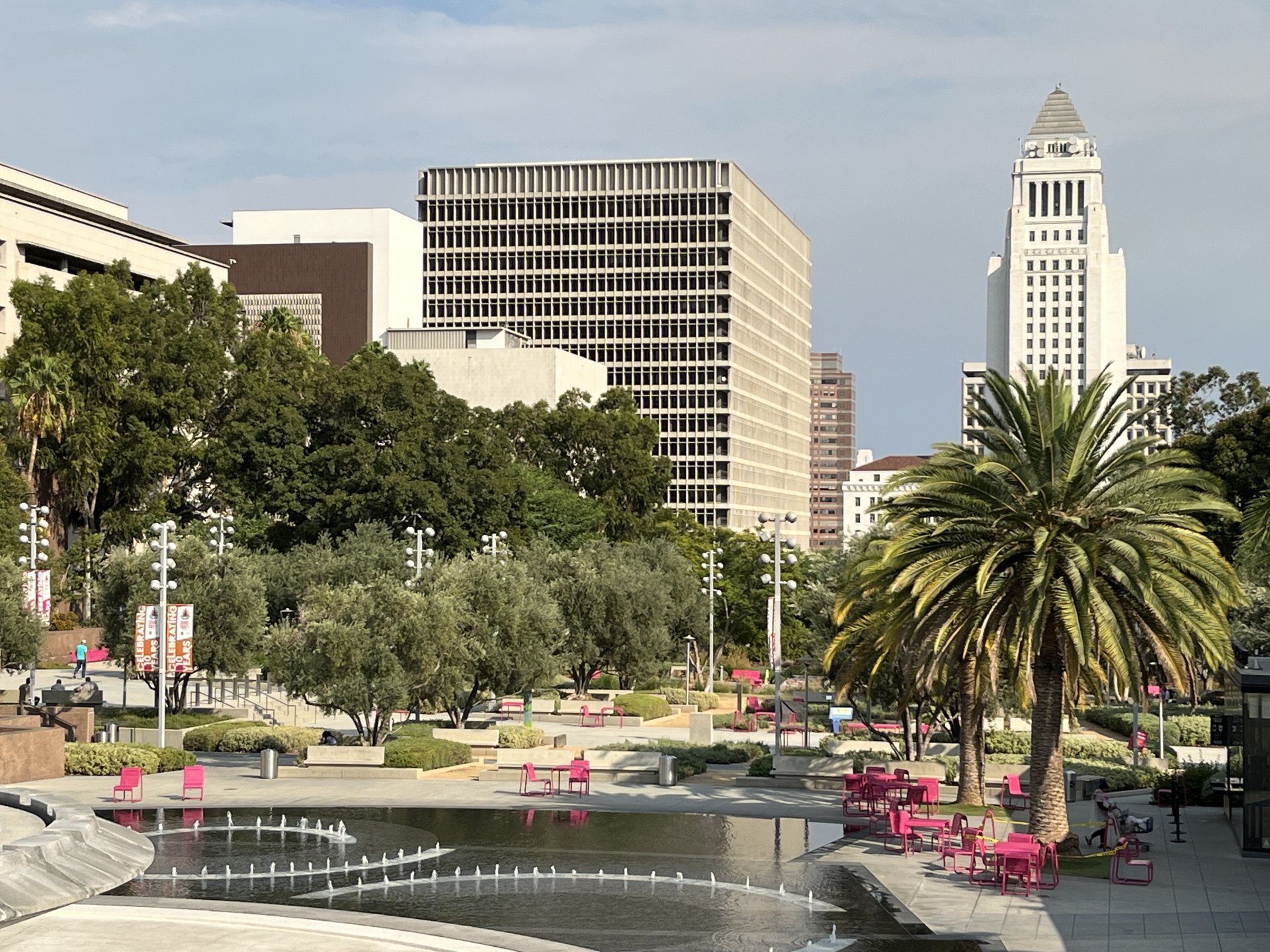
Hollywood's rise as the global center of film and television production shaped not just the economy but entire neighborhoods, from the hills above Cahuenga Pass to the bungalow blocks of Silver Lake. Today, downtown in Los Angeles is undergoing a cultural renaissance, even as the broader market reflects the city's long-standing desirability — with a median home price near $924,000, homes for sale in Los Angeles CA attract buyers who understand that this city's layered history is inseparable from its enduring real estate value.

Weather

Los Angeles enjoys one of the most enviable climates in the United States, classified as a hot semi-arid climate (BSh) under the Köppen system — though many residents simply call it Mediterranean in character. The city's position along the Southern California coast, nestled between the Pacific Ocean and a ring of mountain ranges, shapes a weather pattern that draws people from around the world.

Summers are warm and dry, with daytime highs typically ranging from the mid-80s°F inland to the upper 70s°F near the coast. Nights remain comfortable, rarely dipping below the mid-60s. Winters are mild and brief, with daytime highs generally in the mid-60s°F and overnight lows occasionally settling into the upper 40s, particularly in hillside neighborhoods and the San Fernando Valley. Snowfall within the city itself is essentially unheard of, though the surrounding San Gabriel Mountains frequently receive snow.

Rainfall and Coastal Influence

Precipitation is modest and highly seasonal — nearly all of it falls between November and March, averaging roughly 15 inches annually. The marine layer, a low coastal fog that rolls in from the Pacific, keeps western neighborhoods noticeably cooler than inland areas, a distinction that significantly influences property values.

For those exploring homes for sale in Los Angeles, CA, the climate is a genuine selling point. Outdoor living spaces — patios, pools, and rooftop decks — are practical year-round investments rather than seasonal luxuries. Heating and cooling costs remain comparatively low, though air conditioning becomes essential during late-summer heat waves, especially east of downtown in Los Angeles's inland valleys.

Los Angeles Market Analytics

The Los Angeles housing market is currently experiencing a slight downturn, with the average home value decreasing by 1.9% over the past year to $941,985, according to data analyzed by Opulist. However, this suggests the market is balancing, and with over 6,600 homes for sale, buyers have a range of options to choose from. Additionally, the median sale price of $975,000 and median list price of $1,094,667 indicate that sellers are still achieving strong prices for their properties, making it a good time to buy or sell in Los Angeles.


1-Year Home Value Change: -1.9%

Los Angeles Home Value Index over time.

Can I Afford Los Angeles?
$
%
$0
Est. Monthly Payment
$0/yr
Salary Required

*Principal & interest only. Salary based on 28% debt-to-income ratio.

Get Pre-Approved for Los Angeles