
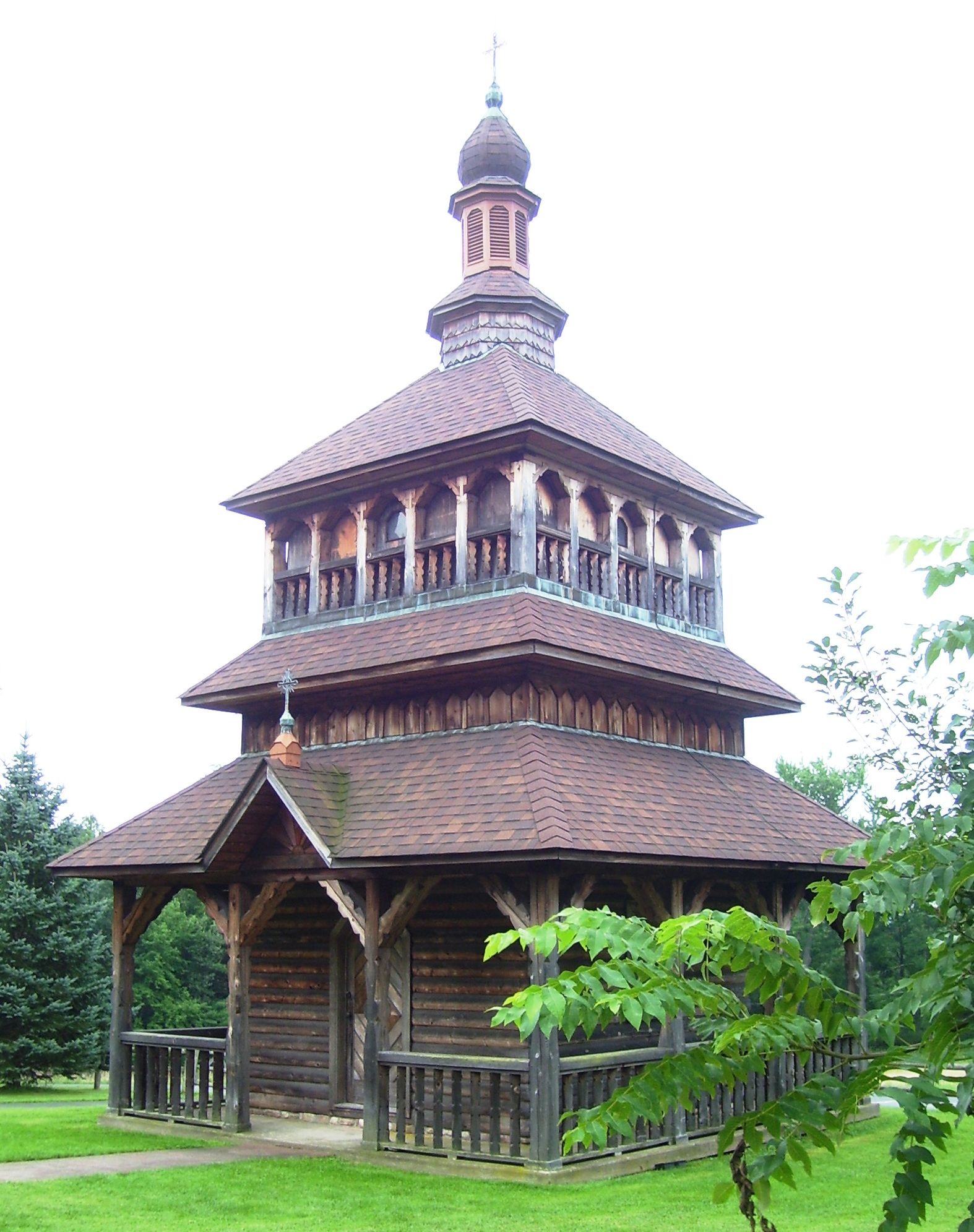
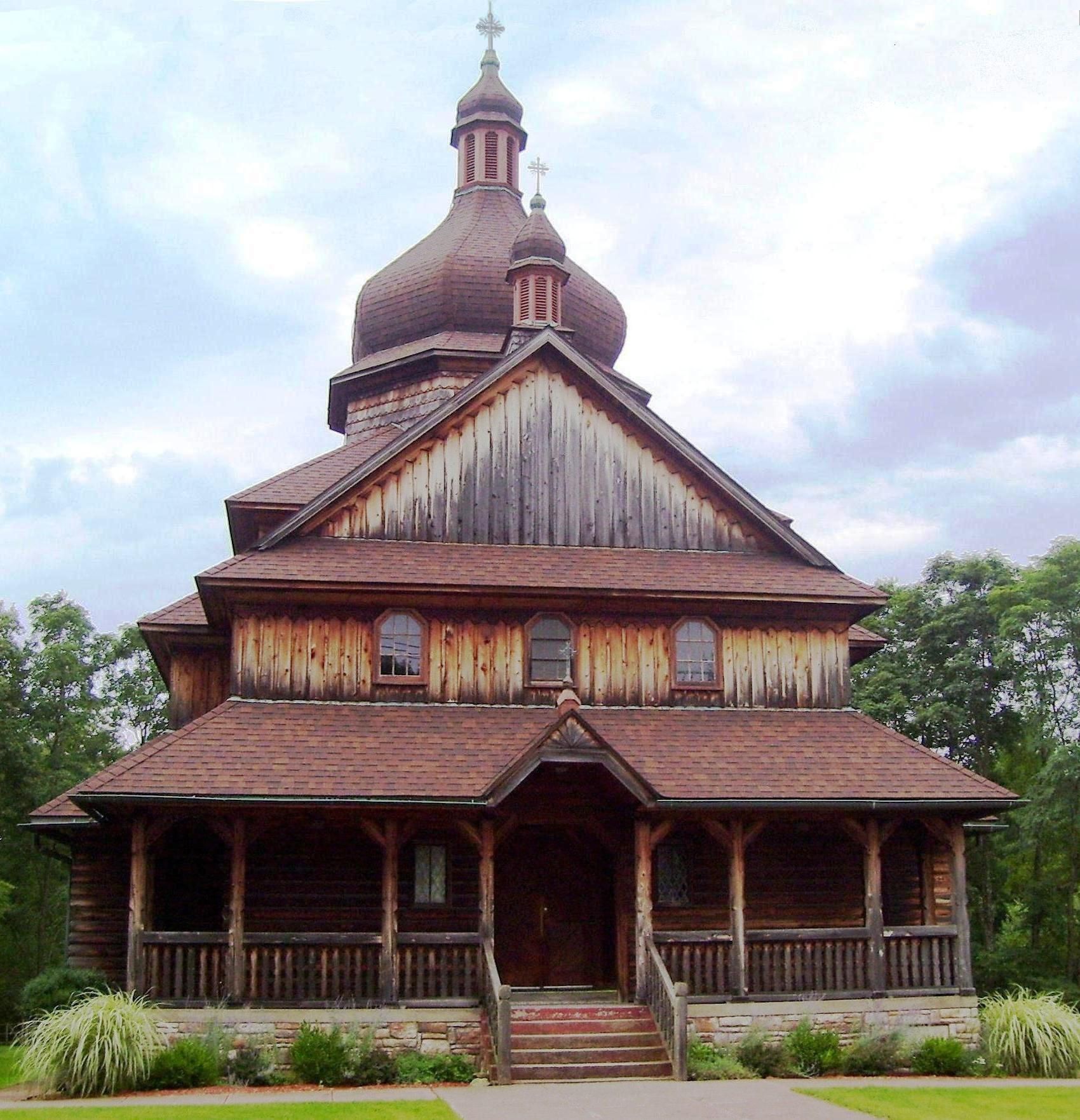
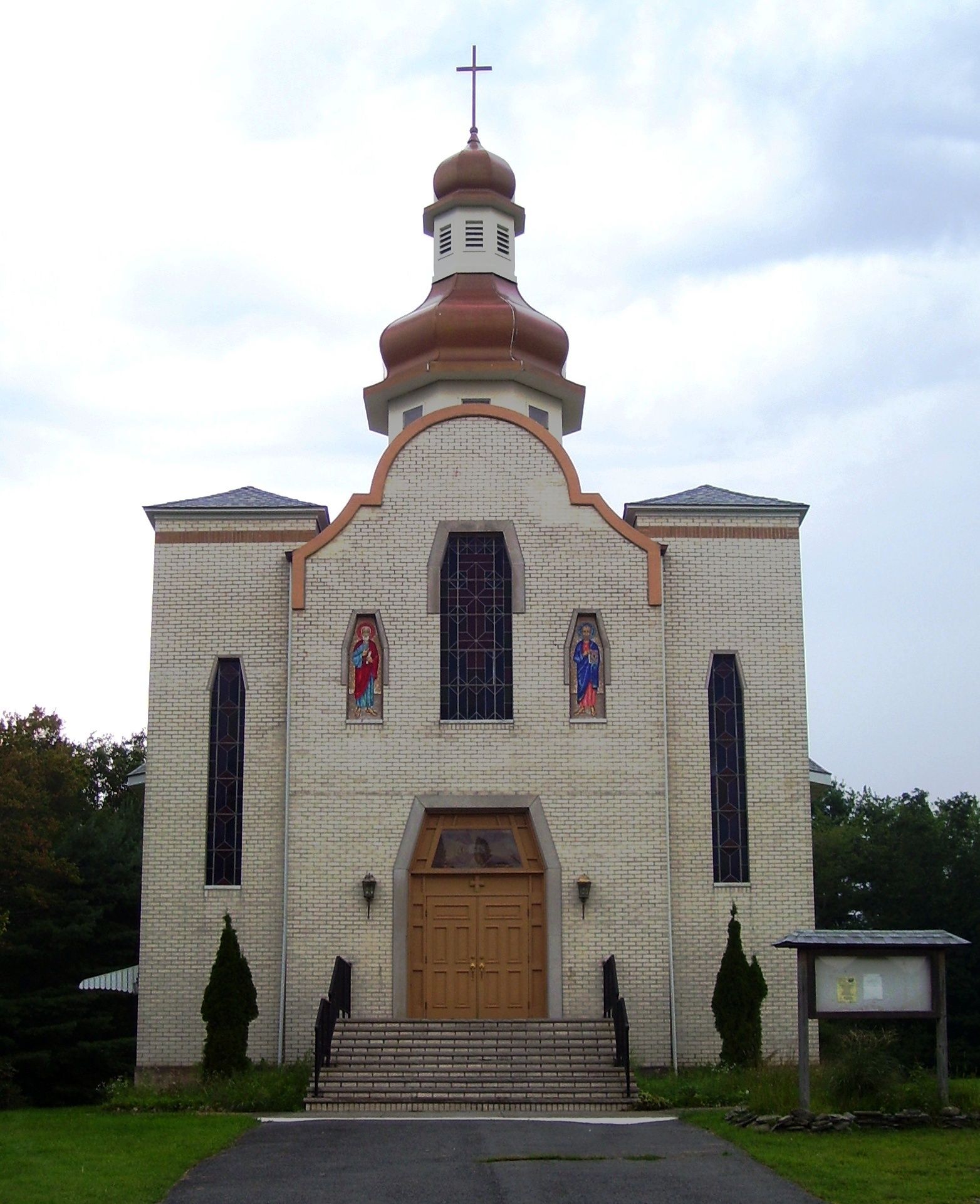
Lumberland, New York

Location:
Lumberland, NY

Welcome to Lumberland

Founded in 1798 from the town of Mamakating, Lumberland, New York is a rural Sullivan County town that stretches across nearly 50 square miles of forested ridgelines, river valleys, and open farmland along the Pennsylvania border. What sets it apart from neighboring towns like Forestburgh and Highland is its direct frontage on the Delaware River — a working natural boundary that doubles as a recreational corridor, accessible along the celebrated Upper Delaware Scenic Byway (Route 97), one of the most scenic drives in the northeastern United States. The entire town falls within the Upper Delaware Scenic and Recreational River designation, a distinction that shapes both its landscape and its character in ways no zoning map can replicate.

With a median household income exceeding $105,000 and a population of just over 2,200 residents spread across hamlets like Glen Spey, Pond Eddy, and Mongaup, Lumberland offers the kind of low-density living that has become increasingly rare within reach of the New York metropolitan area. Mackenzie Elementary School anchors the local educational presence, while the historic Town Hall — originally the Glen Spey School, built in 1879 — reflects the town's commitment to preserving its architectural and cultural legacy. For those exploring lumberland ny real estate, the combination of above-average incomes, protected natural surroundings, and a deeply rooted sense of place makes this one of Sullivan County's most compelling long-term investments.


Community Profile

Tucked into the forested hills of Sullivan County, this quietly prosperous enclave of just 2,068 residents punches well above its weight when it comes to financial stability and community investment. The median household income in Lumberland reaches $102,957 — well ahead of the national median of roughly $75,000 — and a remarkable 51.5% of households here earn six figures or more, reflecting a community of established, financially secure residents who have deliberately chosen this landscape over the conveniences of denser suburban life.

That sense of intentional rootedness shows up vividly in the homeownership rate: an extraordinary 96.6% of residents own their homes, compared to the national average of about 65.5%. With a median home value of $318,145 — slightly below the national median — those browsing homes for sale in Lumberland, NY will find that their dollar stretches meaningfully here. The median age of 52.3 years signals a community dominated by established professionals and active retirees, with 57.4% of residents married and an average family size of 2.7. Educational attainment is strong as well: 37.3% hold a bachelor's degree or higher, and a striking 46.4% of degree holders have backgrounds in STEM fields. With an unemployment rate of just 3.8% and a near-universal health insurance coverage rate — only 1.2% uninsured — Lumberland NY real estate appeals to buyers seeking stability, privacy, and a community that has quietly, confidently found its footing.

Things to Do

Outdoor Recreation

Lumberland's greatest draw is undeniably its natural landscape. The town sits within the Upper Delaware Scenic and Recreational River corridor, and New York State Route 97 — designated as the Upper Delaware Scenic Byway — winds along dramatic bluffs offering sweeping views of the river and the Pennsylvania hills beyond. Rafting companies operating along the Delaware near Knights Eddy and Pond Eddy offer day trips and riverside camping, making the river accessible to paddlers of all experience levels. The Mongaup River adds another dimension for anglers and nature walkers, running southward from the Rio Reservoir to meet the Delaware at the Orange County line. Elevations ranging from river-level lowlands to over 1,300 feet on the northern bluffs make for rewarding hikes with genuinely spectacular scenery.

Parks & Community Spaces

In the heart of Glen Spey, Circle Park serves as a quiet gathering place for residents and a welcoming stop for visitors. The Lumberland Senior Center hosts community events that give the town its tight-knit character. Those who appreciate a slower pace will find that simply driving or cycling the rural back roads — past historic farms like Torrwood Farm, dating to around 1846 — is a rewarding afternoon activity in any season.

Arts, Culture & History

History enthusiasts will want to visit the Lumberland Archives and Museum, founded in 1991 and housed in the town's historic hall — originally the Glen Spey School, built in 1879. The museum preserves local memorabilia spanning the canal era through the 20th century. The town hall's Concert Hall hosts an annual Cultural Series featuring live performances that draw audiences from across Sullivan County. Along Berme Church Road in Pond Eddy, restored Canal Era homes and historical markers trace the route of the old Delaware and Hudson Canal. The Pond Eddy Bridge, listed on the National Register of Historic Places since 1988, is a striking landmark worth a stop.

Family Activities & Day Trips

Families will find Camp Simcha, a camp dedicated to children with disabilities, a meaningful part of the local community fabric. The broader Sullivan County region offers easy day trips to the Catskill Mountains, just to the north, as well as the many recreational amenities of the wider Upper Delaware Valley. Those exploring houses for sale in Lumberland, NY often discover that the town's combination of river access, forested trails, and genuine small-town character makes it a compelling destination year-round — not just a place to visit, but a place to stay.

Latest Properties in Lumberland

Loading...

Loading latest properties...

See All Properties in Lumberland

History

From Frontier Timber Town to Delaware River Retreat

Lumberland was formally established on March 16, 1798, when the New York State Legislature carved it out of the town of Mamakating in Sullivan County. Originally named South Lebanon, the town took its current name around 1880 — a nod to the dense forests of pine, oak, and hemlock that defined the landscape and drove its earliest economy. The first documented settler, John Showers, had already established a tavern near the mouth of the Mongaup River before 1790, serving trappers and traders moving through the upper Delaware Valley.

The pivotal moment in Lumberland's development came with the opening of the Delaware and Hudson Canal in 1828. The canal transformed sleepy river hamlets — Pond Eddy, Knights Eddy, Mongaup — into active trade hubs, moving anthracite coal east and timber south toward Philadelphia. When railroads rendered the canal obsolete by the late 19th century, its bed was eventually repurposed as New York State Route 97, the scenic highway that still winds along the Delaware today and draws visitors to the region.

The late 1800s brought a different kind of settler: wealthy industrialists drawn by the area's rugged beauty. George Ross Mackenzie, a Singer Sewing Machine executive, established a Scottish-inspired estate in Glen Spey, leaving behind an architectural legacy that includes surviving mansions and the 1879 schoolhouse now serving as Lumberland Town Hall. The Mackenzie name endures at the local elementary school, completed in 1995 on former estate land.

The 20th century saw the timber economy give way to tourism, as Erie Railroad passengers discovered Lumberland's rivers and forests. That same quality — unspoiled, low-density, and genuinely rural — is precisely what defines lumberland ny real estate today. With a median household income now exceeding $105,000 and a population of just 2,243 spread across nearly 50 square miles, the town's historical resistance to dense development has become its greatest modern asset. The historic farms, canal-era homes, and forested ridgelines that survived industrialization now attract buyers seeking something increasingly rare: authentic countryside within reach of the New York metropolitan area.

Weather

Four Seasons in the Upper Delaware Valley

Lumberland, New York experiences a humid continental climate, shaped by its position in the upper Delaware Valley of Sullivan County and the rising terrain where the Catskill Mountains begin their northward ascent. Elevations across town range from roughly 600 feet along the Delaware River to over 1,300 feet on the bluffs and higher ridges, and that variation produces noticeably different conditions across just a few miles of landscape.

Summers are warm and pleasant, with daytime highs typically reaching the mid-80s°F and overnight lows settling into the upper 50s to low 60s — comfortable enough to make outdoor living genuinely enjoyable for much of June through August. Winters are cold and snowy, with highs often in the upper 20s to mid-30s°F and lows that can dip well below 20°F during cold snaps. Annual snowfall is substantial, frequently exceeding 40 to 50 inches, and the elevated terrain can amplify accumulations compared to lower elevations in the region.

Precipitation is distributed fairly evenly throughout the year, averaging around 45 to 50 inches annually. The Delaware River corridor has a historical vulnerability to flooding, most dramatically demonstrated by the catastrophic 1955 floods. Spring snowmelt combined with heavy rain can still raise water levels significantly.

For anyone exploring houses for sale in Lumberland, NY, these climate realities carry practical weight. Heating costs are a meaningful budget consideration, roofs and driveways require seasonal attention, and proper insulation is essential. On the upside, the four-season character — brilliant fall foliage, snowy winters, and warm summers along the river — is a core part of what makes Lumberland, NY real estate so appealing to nature-oriented buyers.

Lumberland Market Analytics

The Lumberland market is showing signs of stability and moderate growth, with a 1.5% increase in average home value over the past year, according to data analyzed by Opulist. This suggests the market is balancing, with a relatively high percentage of homes selling below list price, indicating that sellers may need to be flexible with their pricing. Additionally, the median days to pending is around 112 days, indicating a moderate pace of sales.


1-Year Home Value Change: +1.5%

Lumberland Home Value Index over time.

Can I Afford Lumberland?
$
%
$0
Est. Monthly Payment
$0/yr
Salary Required

*Principal & interest only. Salary based on 28% debt-to-income ratio.

Get Pre-Approved for Lumberland